
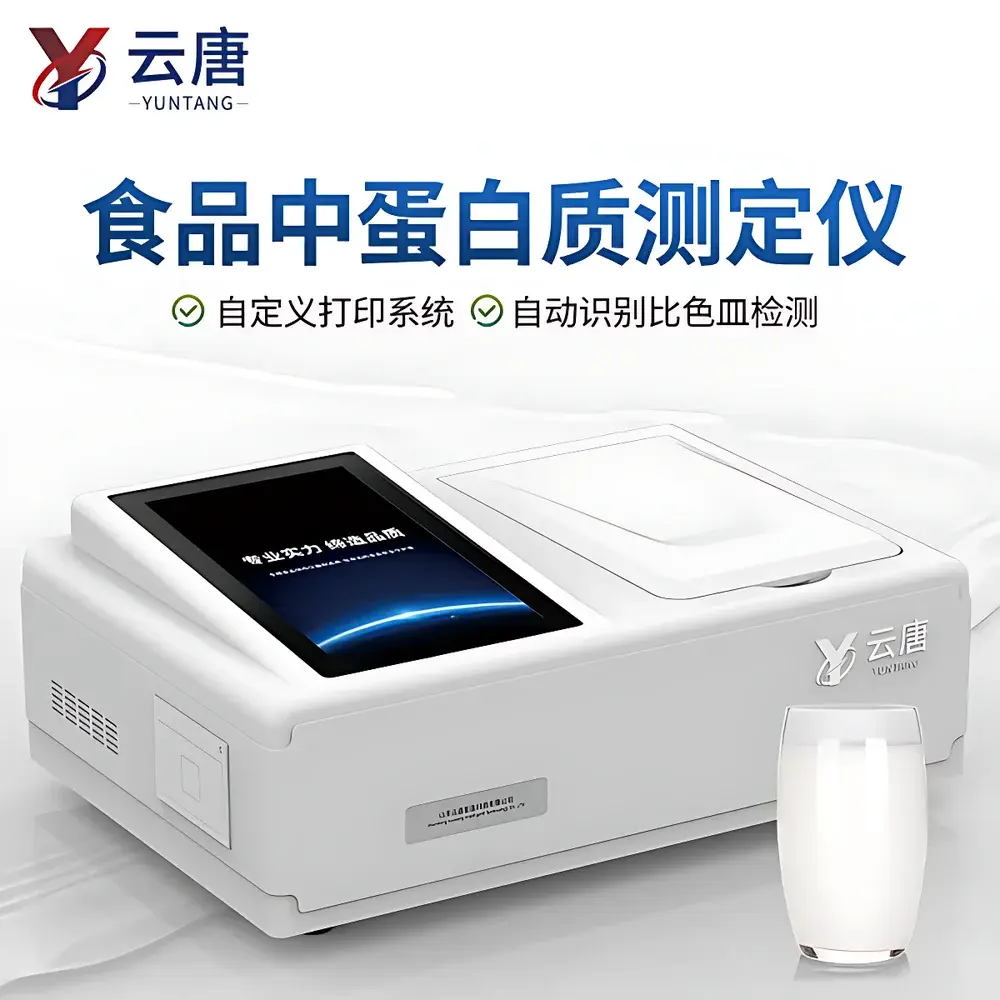
Yuntang YT-Z12T Protein Rapid Determinator for Food Safety Testing
| Brand | Yuntang |
|---|---|
| Origin | Shandong, China |
| Manufacturer Type | OEM/ODM Producer |
| Country of Origin | China |
| Model | YT-Z12T |
| Product Category | Protein Determinator |
| Detection Principle | Colorimetric Assay (Biuret/Lowry- or Bradford-type) |
| Sample Matrix | Liquid Milk, Infant Formula, Powdered Dairy Products, and Other Food Matrices |
| Repeatability | < ±1% RSD |
| Limit of Detection | 0.1 mg protein per assay |
| Recovery Rate | > 99.5% |
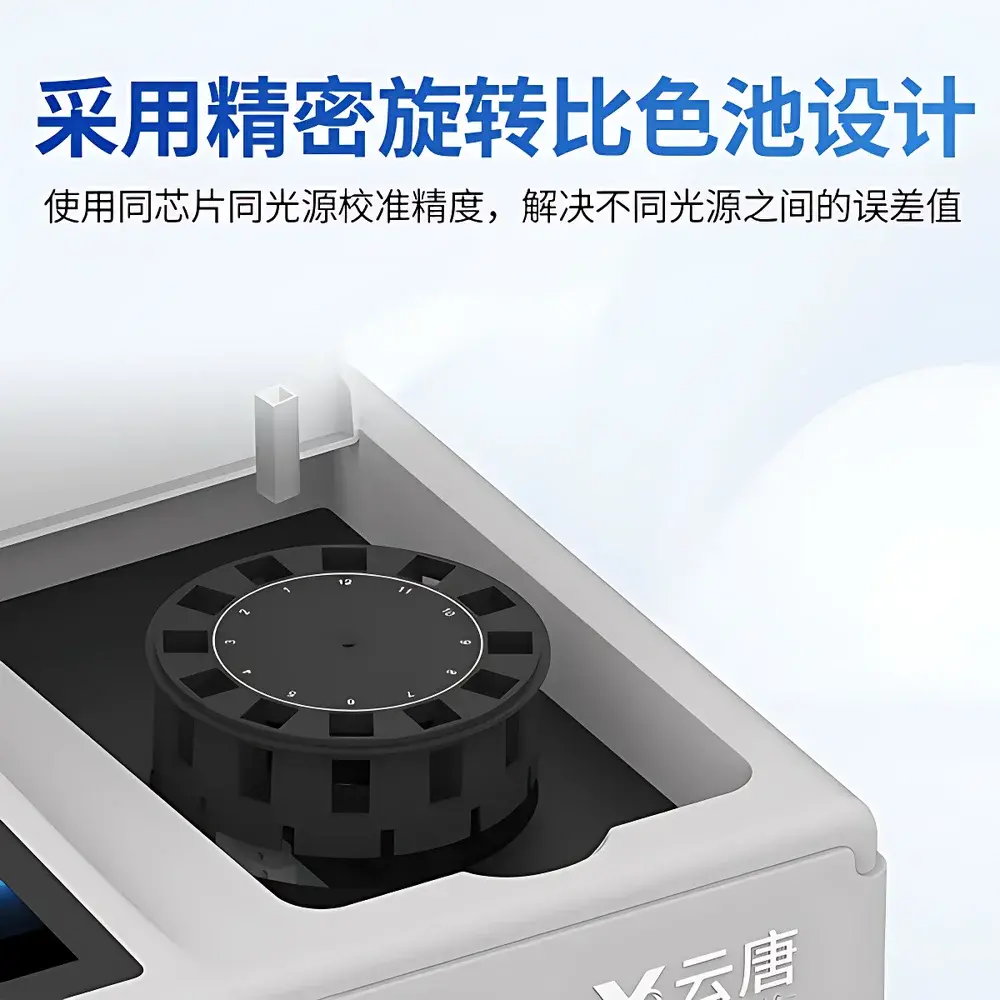
| Detection Channels | ≥12 independent optical channels with precision rotating cuvette design |
| Light Source | Imported quad-wavelength cold LED source (410 nm, 520 nm, 590 nm, 630 nm) |
| 64-wavelength capability via patented optical path switching (Patent No. | ZL202022821055.2) |
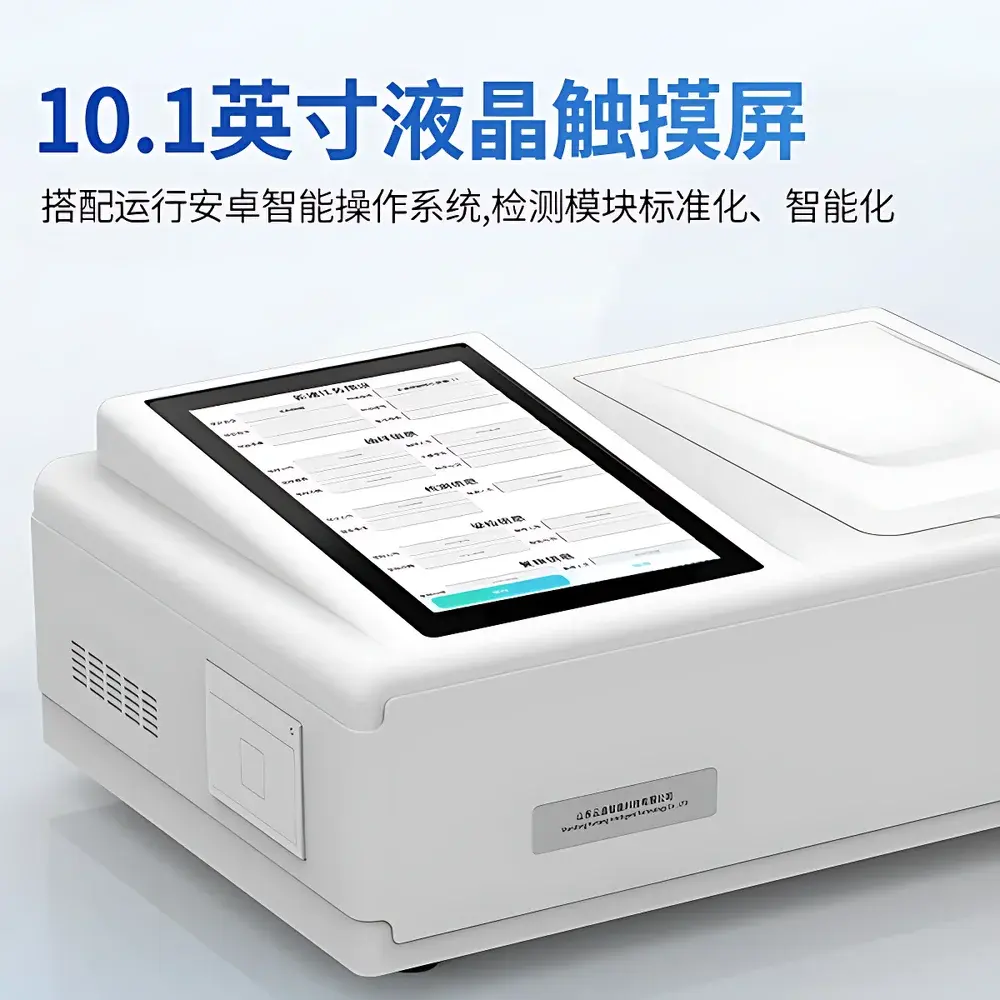
| Display | 10.1-inch vertical capacitive touchscreen running Android OS (ARM Cortex-A7, RK3288 quad-core @ 1.88 GHz) |
| Data Storage | ≥200,000 test records |
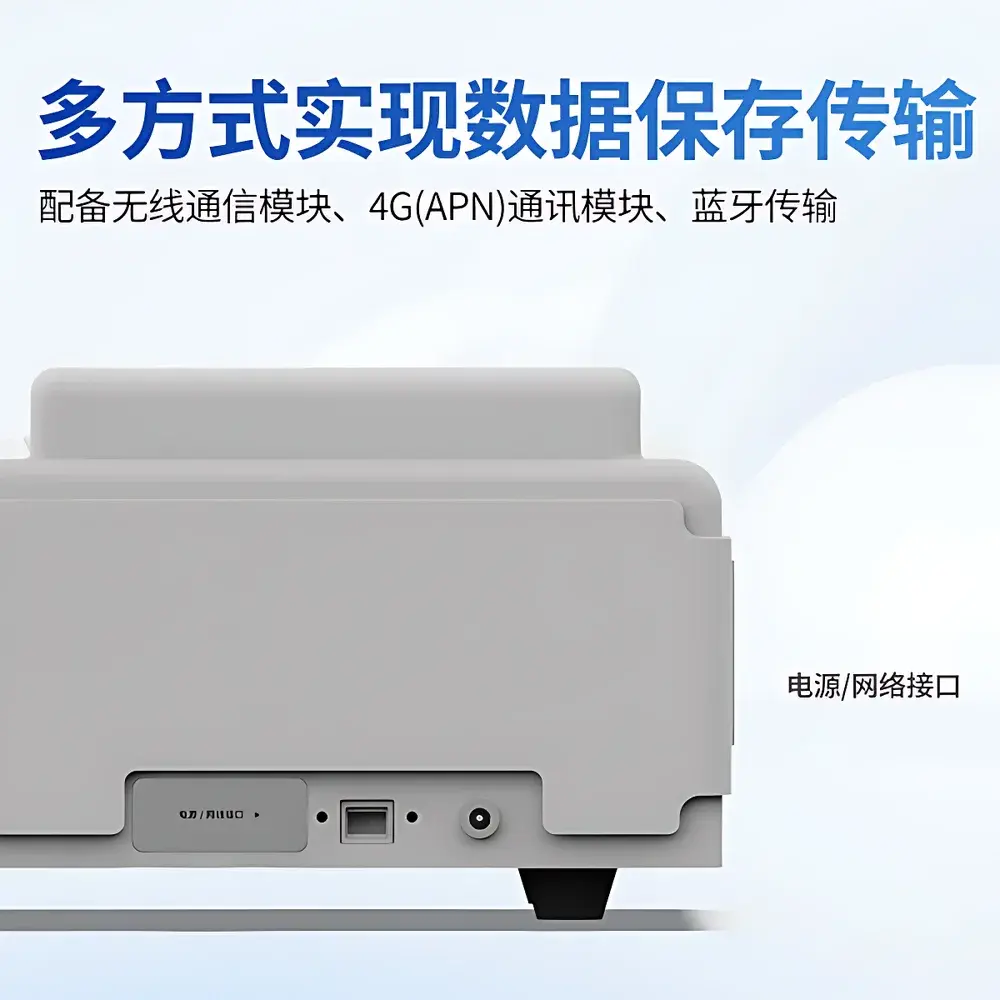
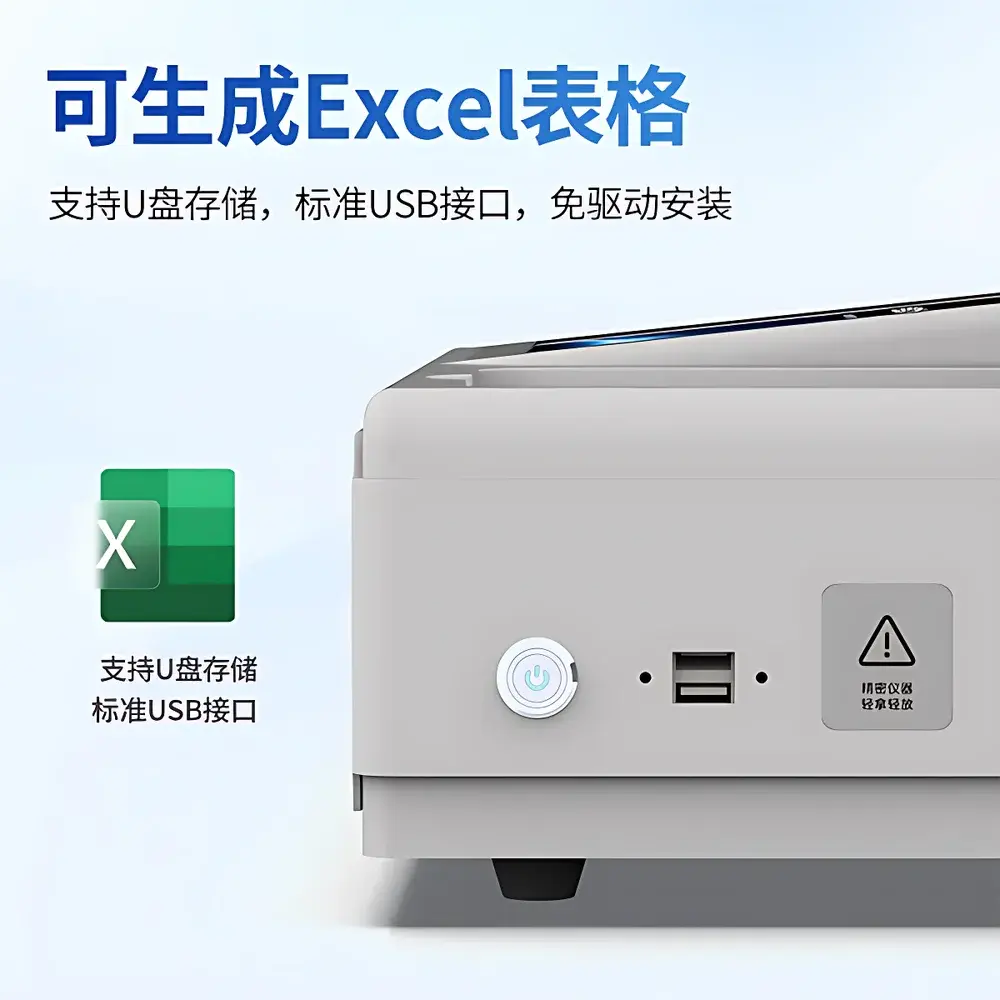
| Connectivity | Dual USB ports, RJ45 Ethernet, Bluetooth 4.2, 4G APN module, Wi-Fi 802.11 b/g/n |
| Power Supply | AC/DC dual-mode (12 V DC input) |
| Software Compliance | Supports GLP-compliant data logging |
Overview
The Yuntang YT-Z12T Protein Rapid Determinator is a benchtop, integrated food safety analyzer engineered for high-throughput, regulatory-grade protein quantification in dairy and processed food matrices. It employs standardized colorimetric detection—compatible with Biuret, Lowry, or Bradford assay chemistries—leveraging absorbance measurements at four precisely calibrated wavelengths (410, 520, 590, and 630 nm) to eliminate inter-channel photometric variance. Unlike conventional single-channel spectrophotometers, the YT-Z12T implements a patented rotating cuvette system (ZL202022821055.2) that ensures uniform illumination across all ≥12 detection channels, achieving inter-channel consistency of ≤0.1% deviation. Designed for deployment in food quality control laboratories, regulatory inspection units (e.g., municipal food and drug administration bureaus), dairy processing plants, and third-party testing facilities, the instrument delivers quantitative protein results in under 15 minutes per batch without requiring skilled wet chemistry expertise.
Key Features
- Modular 12-channel optical architecture with synchronized multi-wavelength acquisition—enabling parallel analysis of up to 12 samples per run while maintaining traceable photometric calibration.
- Quad-wavelength cold LED light source with dynamic optical path switching, supporting up to 64 discrete wavelength combinations to accommodate diverse protein assay protocols and interference correction algorithms.
- Android-based embedded operating system (RK3288 quad-core processor, 10.1″ vertical touchscreen) with intuitive workflow navigation, real-time data visualization, and on-device statistical summary (weekly/monthly pass/fail trends, bar-chart analytics).
- Comprehensive database architecture with 14 interlinked modules—including sample registry, method library, calibration history, regulatory limit repository (aligned with GB 5009.5–2019, ISO 8968, AOAC 984.13), and audit-trail-enabled result logging.
- Regulatory-ready connectivity suite: 4G APN, Wi-Fi, Ethernet, and Bluetooth enable secure, encrypted transmission of raw data and compliance reports to centralized food safety monitoring platforms (e.g., provincial-level SAMR surveillance systems).
- Field-deployable power architecture: supports AC mains, 12 V DC vehicle supply, and optional 6 Ah Li-ion battery—ideal for mobile inspection units and rural sampling campaigns.
Sample Compatibility & Compliance
The YT-Z12T is validated for use with liquid milk, infant formula, whey protein concentrates, soy-based nutritional powders, and other homogenized food suspensions requiring rapid protein verification. Sample preparation follows standardized pretreatment protocols outlined in GB 5009.5–2019 (National Food Safety Standard for Determination of Protein in Foods) and ISO 8968-1:2014 (Milk and milk products — Determination of nitrogen content). Instrument performance meets repeatability (<±1% RSD) and recovery (>99.5%) criteria specified in AOAC Official Method 984.13. All firmware and software modules support GLP-aligned operation, including user authentication, electronic signatures, and immutable audit trails. Optional IQ/OQ documentation packages are available for GMP-regulated environments subject to FDA 21 CFR Part 11 or EU Annex 11 requirements.
Software & Data Management
The embedded Android OS provides a fully localized interface with role-based permissions (administrator, analyst, reviewer). Each test record captures full metadata: sample ID, operator, timestamp, reagent lot, calibration status, and environmental conditions. Data integrity is enforced through cryptographic hashing of stored records and automatic synchronization with external LIMS or national food safety databases via TLS 1.2–secured APIs. Excel-exported datasets include column headers compliant with FAO/WHO Codex Alimentarius reporting templates. The built-in printer supports dual-format output: thermal receipt-style reports (with QR-coded result traceability) and A4 PDF reports featuring customizable fields (sampling location, regulatory reference, pass/fail flagging against GB 10765–2021 limits).
Applications
- Routine QC screening of incoming raw milk and finished infant formula batches for protein content compliance.
- On-site verification during food safety inspections by municipal market supervision bureaus.
- Batch release testing in dairy ingredient manufacturing facilities operating under HACCP or FSSC 22000 frameworks.
- Surveillance testing of supermarket private-label products under national food sampling programs.
- Method development support for laboratories validating alternative protein assays (e.g., dye-binding variants optimized for hydrolyzed proteins).
FAQ
Does the YT-Z12T comply with Chinese national standards for protein determination?
Yes—the instrument’s optical calibration, assay protocol mapping, and reporting logic align with GB 5009.5–2019 and GB 10765–2021 for infant formula.
Can the device be validated for 21 CFR Part 11 compliance?
A documented validation package—including risk assessment, URS, IQ/OQ protocols, and electronic signature configuration—is available upon request for regulated users.
Is remote firmware update functionality secure and auditable?
All OTA updates are digitally signed, version-controlled, and logged with timestamps and operator credentials; rollback capability is retained for verification purposes.
What sample volume is required per test?
Standard assays consume 100–200 µL of prepared sample solution, compatible with common microcentrifuge tube handling workflows.
How is photometric accuracy maintained over time?
The system performs automated self-calibration using internal reference tiles prior to each session; calibration history is stored with NIST-traceable wavelength verification logs.





