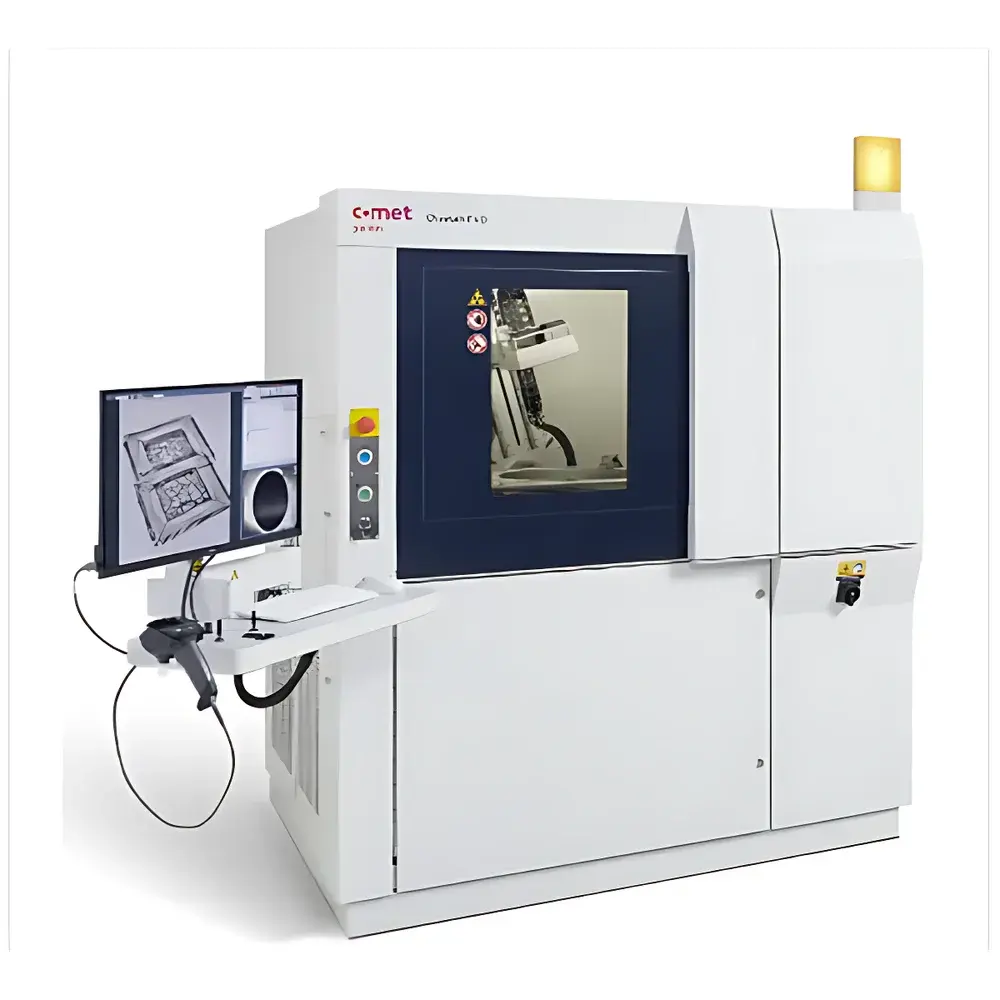
YXLON CC Series Industrial Computed Tomography System
| Brand | YXLON International GmbH |
|---|---|
| Origin | Germany |
| Model | CC Series |
| Cooling Option | Optional Water-Cooled FXT 160.51 X-ray Tube |
| Detector Modes | Standard & Low-Dose Mode |
| Software Suite | micro3Dslice, FF CT, VoidInspect, eHDR Dynamic Enhancement Filters |
| Load Capacity (Optional) | < 20 kg |
| Voltage Range | Optimized for Low-Voltage High-Resolution Imaging (≤ 160 kV) |
| Compliance | Designed for ISO/IEC 17025-aligned QA workflows, supports GLP/GMP audit trails via software logging |
Overview
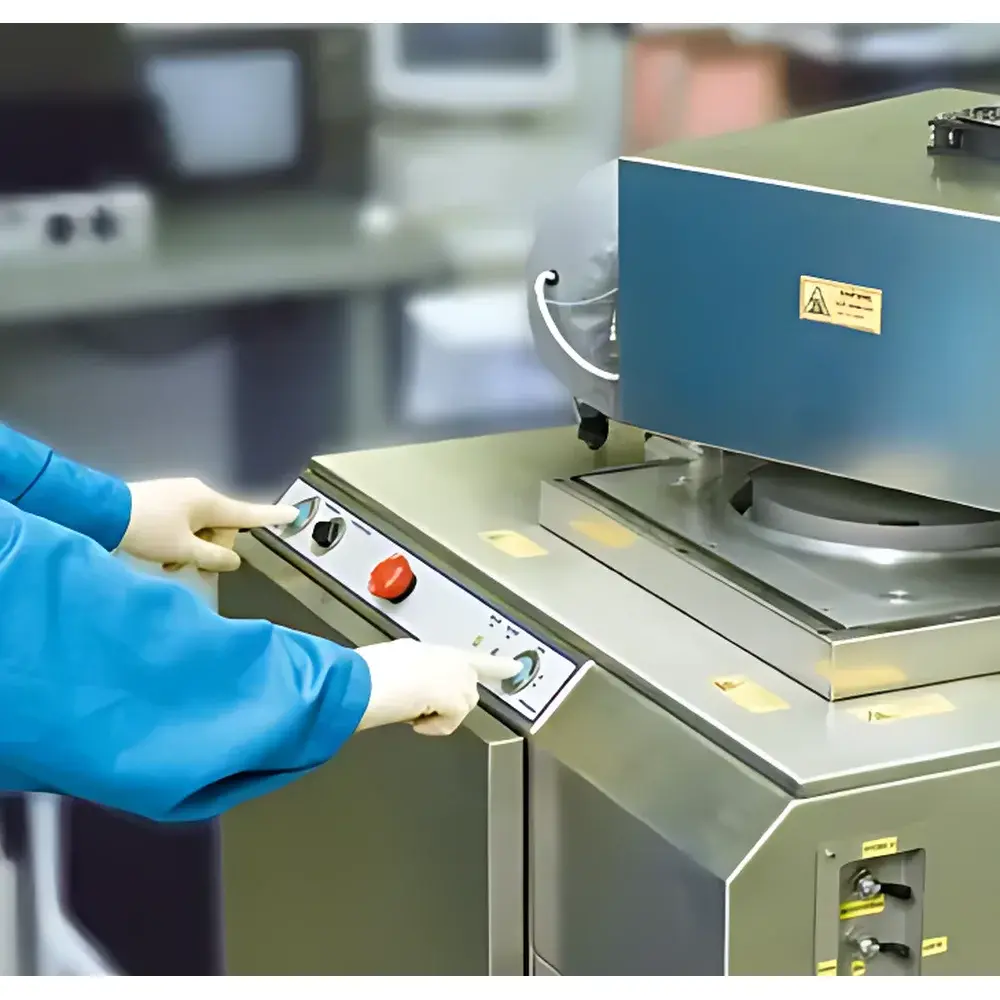
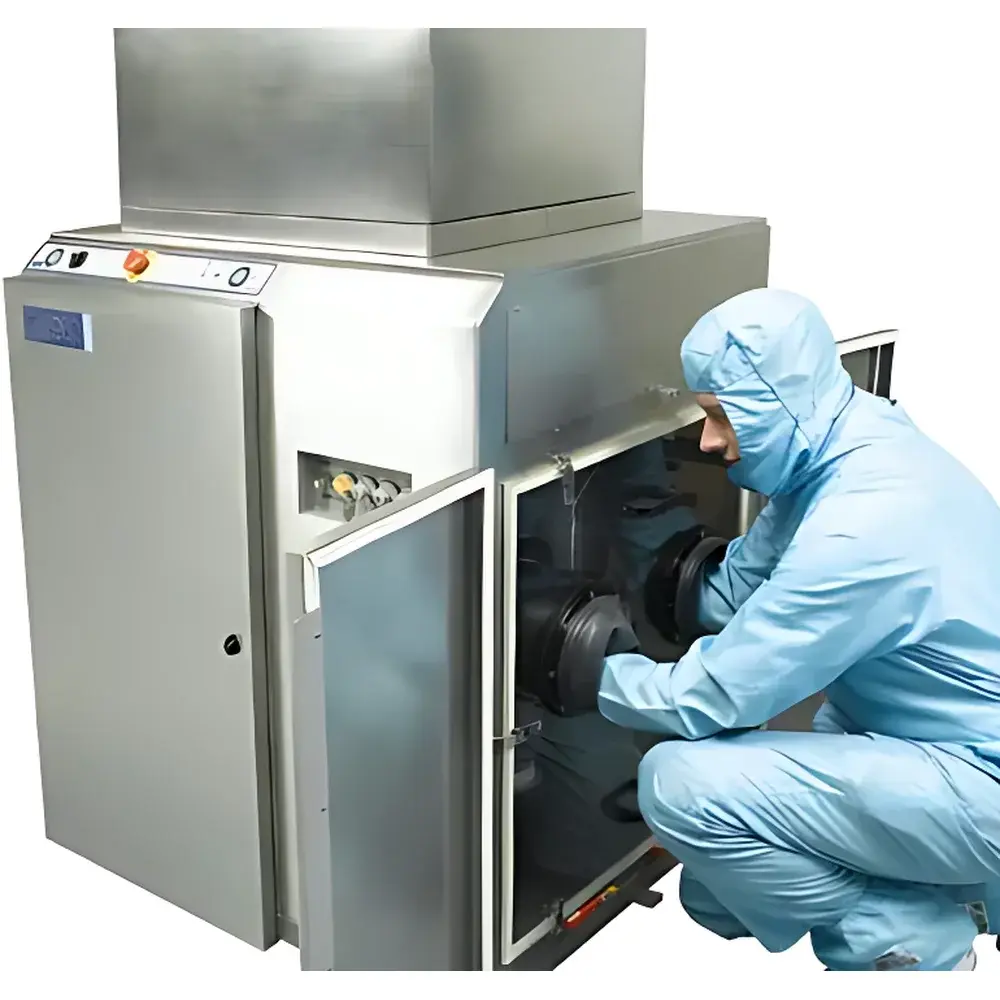
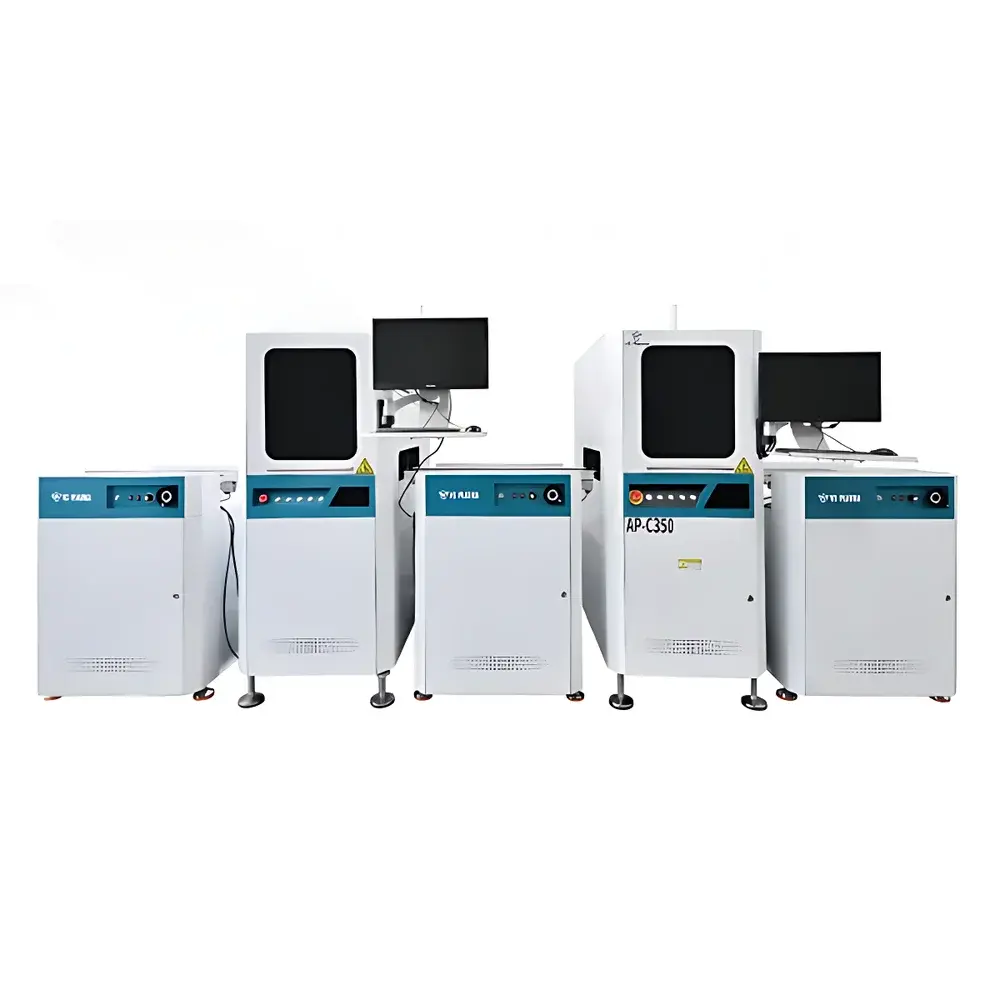
The YXLON CC Series is a high-precision industrial computed tomography (CT) system engineered specifically for non-destructive 3D inspection of semiconductor wafers, packaged ICs, advanced interposers, and miniaturized electronic assemblies. Operating on the principle of cone-beam X-ray CT reconstruction, the system acquires hundreds to thousands of projection images over a full 360° rotation and reconstructs volumetric datasets with isotropic voxel resolution down to sub-micron levels—enabling metrology-grade analysis of internal structures without physical sectioning. Unlike conventional 2D radiography, the CC Series delivers true 3D density mapping, making it indispensable for void quantification in solder bumps, wire bond integrity assessment, die attach inspection, and detection of micro-cracks or delaminations beneath opaque packaging. Its low-voltage imaging architecture (optimized below 160 kV) ensures maximal contrast sensitivity for light-element materials (e.g., silicon, aluminum, polymers) while minimizing beam hardening artifacts—a critical requirement for high-fidelity defect characterization in advanced nodes (< 7 nm process technologies).
Key Features
- Optional water-cooled FXT 160.51 microfocus X-ray source: Maintains thermal stability during extended scan sequences, eliminating focal spot drift and ensuring consistent spatial resolution across repeated acquisitions.
- Integrated low-dose detector mode and dose monitoring firmware: Enables compliance with ALARA (As Low As Reasonably Achievable) principles for radiation-sensitive components such as MEMS devices and thin-film sensors.
- VoidInspect automated void analysis module: Supports multi-region segmentation, volume/area ratio calculation, and statistical reporting per IPC-A-610 and JEDEC J-STD-020 standards.
- eHDR (enhanced High Dynamic Range) real-time filtering: Dynamically balances contrast across heterogeneous density gradients—particularly effective for stacked-die packages with mixed Cu/SiO₂/epoxy interfaces.
- micro3Dslice and FF CT reconstruction engines: Deliver GPU-accelerated iterative reconstruction (SART, OS-SART), ring artifact suppression, and phase-contrast-enhanced edge detection for sub-surface feature delineation.
- Modular mechanical stage with optional high-load configuration (< 20 kg): Accommodates large-format wafer carriers, 300 mm FOUPs, and full-panel substrates without compromising geometric accuracy.
Sample Compatibility & Compliance
The CC Series accommodates a broad spectrum of semiconductor-related samples—from bare 200 mm/300 mm wafers and fan-out wafer-level packages (FOWLP) to heterogeneous integration modules containing TSVs, microbumps, and embedded passives. Sample mounting fixtures are compatible with standard SEM/FA lab accessories (e.g., vacuum chucks, kinematic mounts). The system adheres to IEC 61340-5-1 for ESD-safe operation and includes grounded shielding enclosures meeting EN 62471 photobiological safety requirements. All software modules support configurable user roles, electronic signatures, and audit-trail generation compliant with FDA 21 CFR Part 11 and ISO 9001 quality management frameworks.
Software & Data Management
Data acquisition, reconstruction, and analysis are unified within a single GUI-based platform (FGUI). Raw projections are stored in DICOM-compliant format with embedded metadata (kV/mA/exposure time, geometry calibration coefficients, detector gain settings). Reconstruction logs include timestamped parameters and version-controlled algorithm flags. Export options include STL (for GD&T overlay), VTK (for finite element meshing), and CSV (for SPC charting in JMP or Minitab). Network-enabled storage supports direct integration with enterprise LIMS and MES systems via secure HTTPS REST APIs.
Applications
- Quantitative void analysis in copper pillar and solder microbumps (per IPC-7095B)
- TSV fill ratio and interface delamination assessment in 2.5D/3D IC stacks
- Wire sweep validation and bond lift-off detection in QFN and BGA packages
- Density uniformity mapping of molded underfill and molding compounds
- Failure analysis root-cause correlation between electrical test fails and 3D structural anomalies
- Process development feedback for plating, reflow, and encapsulation steps
FAQ
Does the CC Series support automated pass/fail classification per industry acceptance criteria?
Yes—VoidInspect and FGUI’s rule-based ADR (Automated Defect Recognition) engine allow configurable thresholds for void size, shape factor, and spatial distribution aligned with IPC-A-610 Class 2/3 or JEDEC J-STD-033.
Can reconstruction parameters be locked and validated for regulated environments?
Yes—All reconstruction presets can be saved as certified configurations with digital signatures and revision history; change control logs meet ISO/IEC 17025 documentation requirements.
Is dose calibration traceable to national standards?
X-ray output calibration is performed using NIST-traceable ionization chambers and verified annually by DAkkS-accredited service partners.
What level of geometric accuracy is achievable for metrology applications?
With calibrated reference spheres and distortion correction algorithms, dimensional measurement uncertainty is ≤ ±(2.5 + L/100) µm (k = 2), where L is the measured length in mm.
How does the system handle beam-hardening artifacts in multi-material assemblies?
FF CT incorporates dual-energy pre-correction and iterative polychromatic modeling, reducing cupping and streaking in regions spanning Si, Cu, and epoxy simultaneously.