
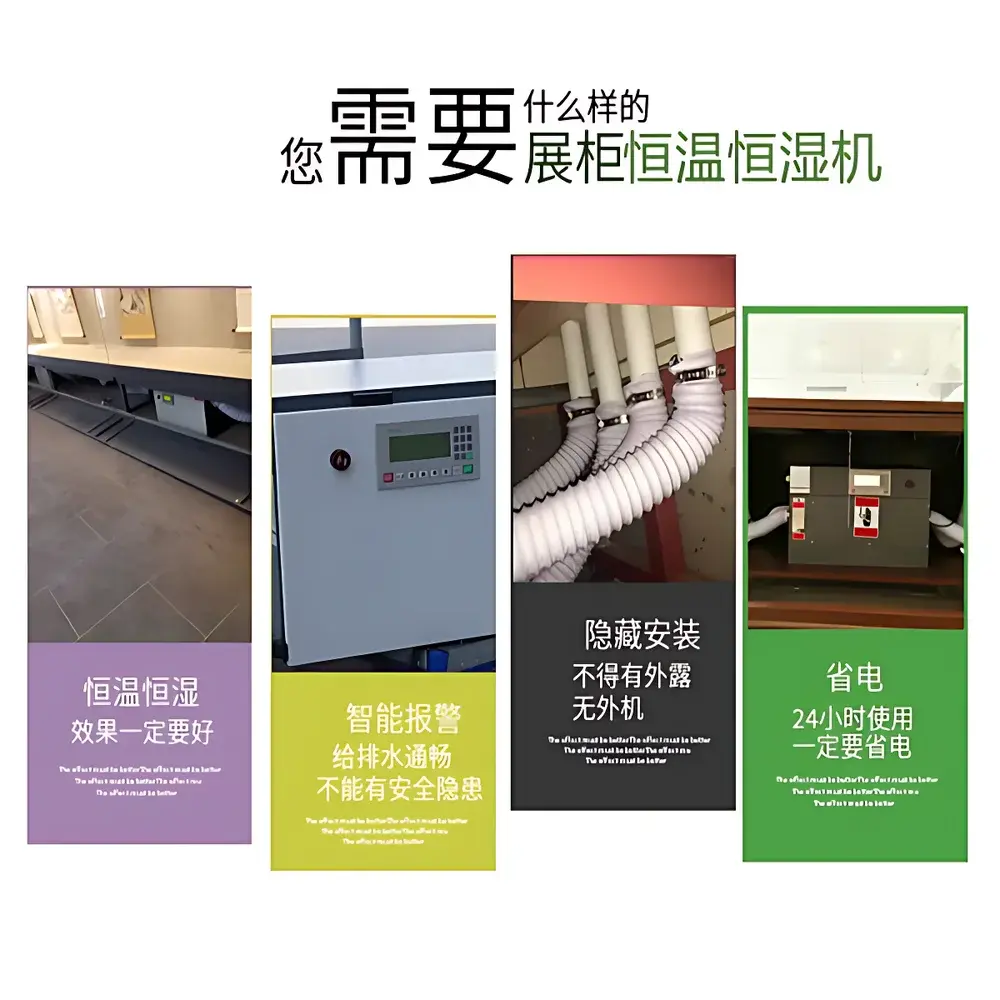
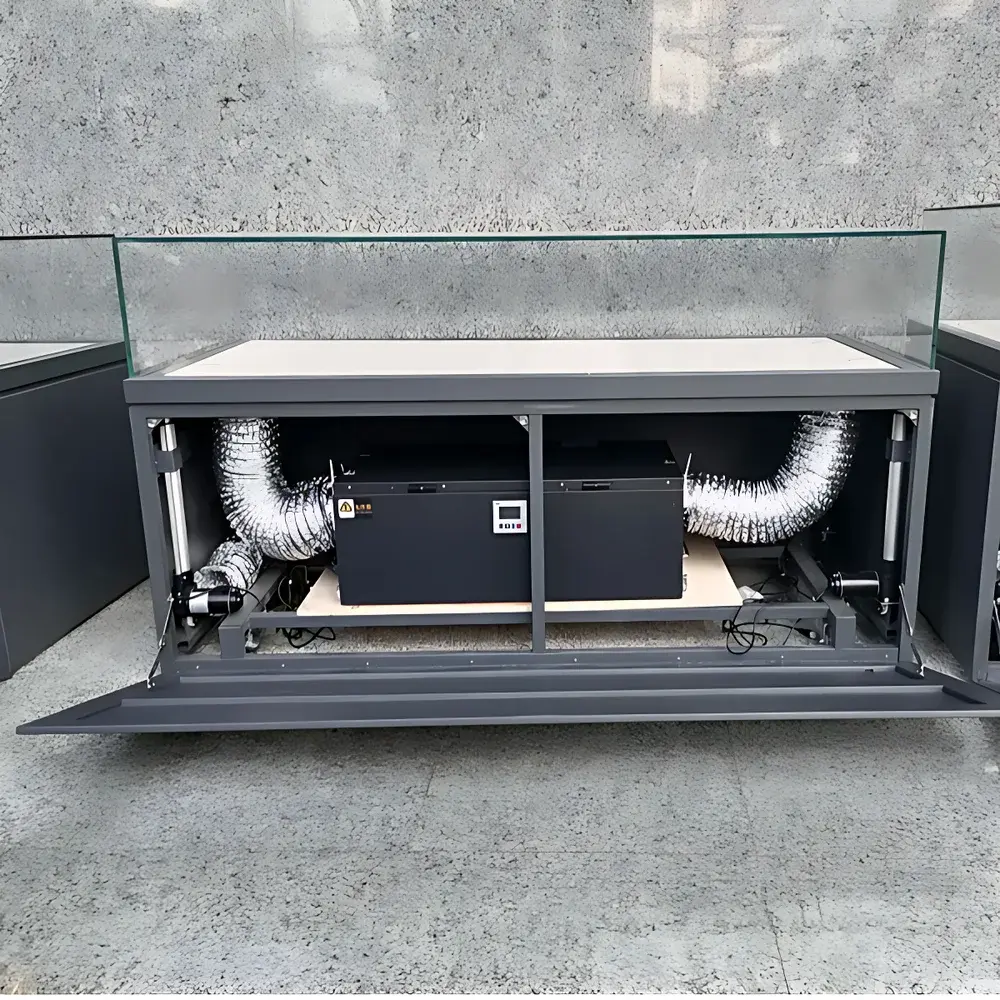
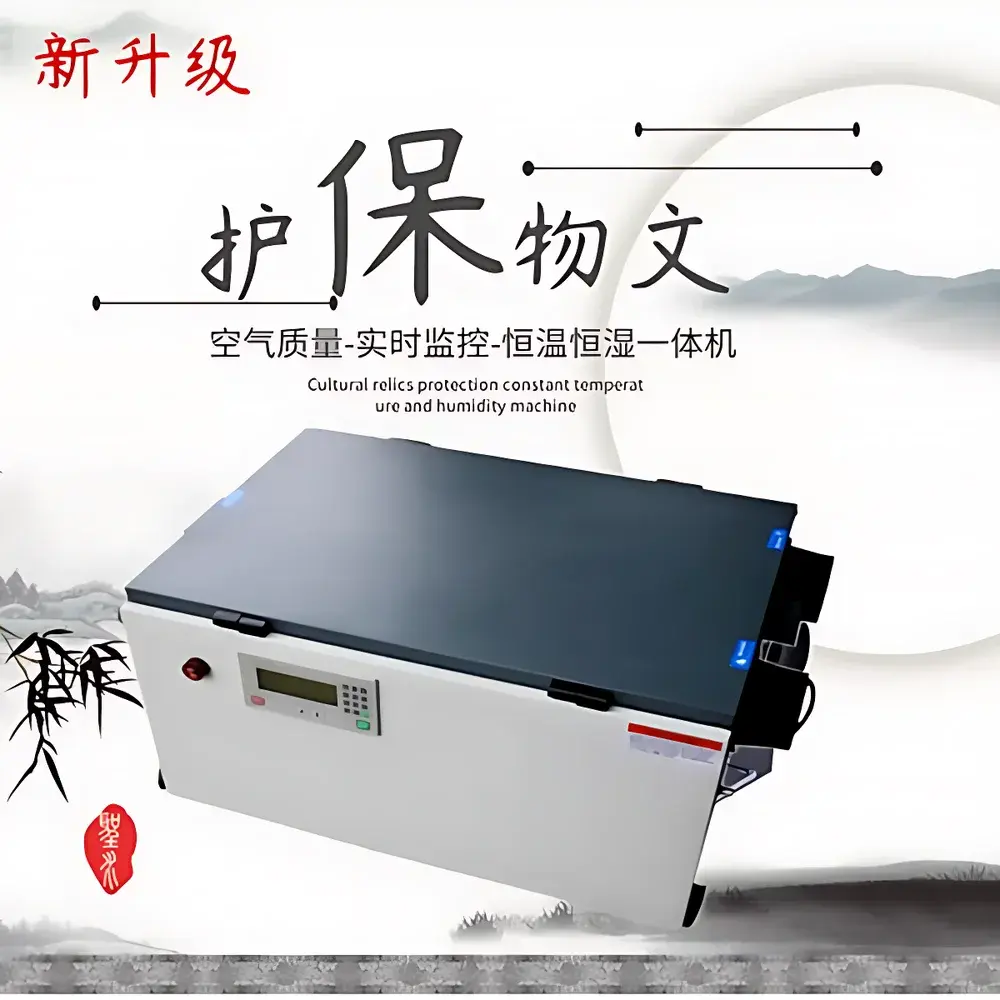
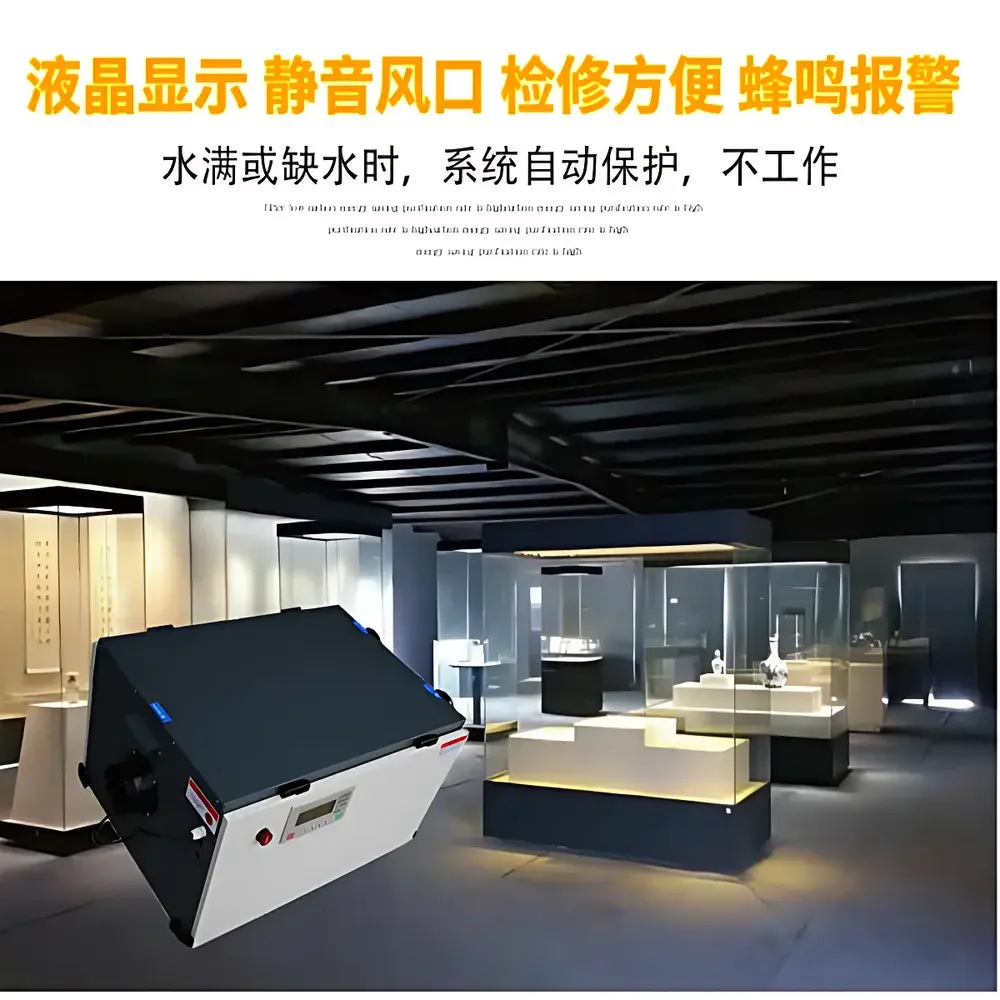
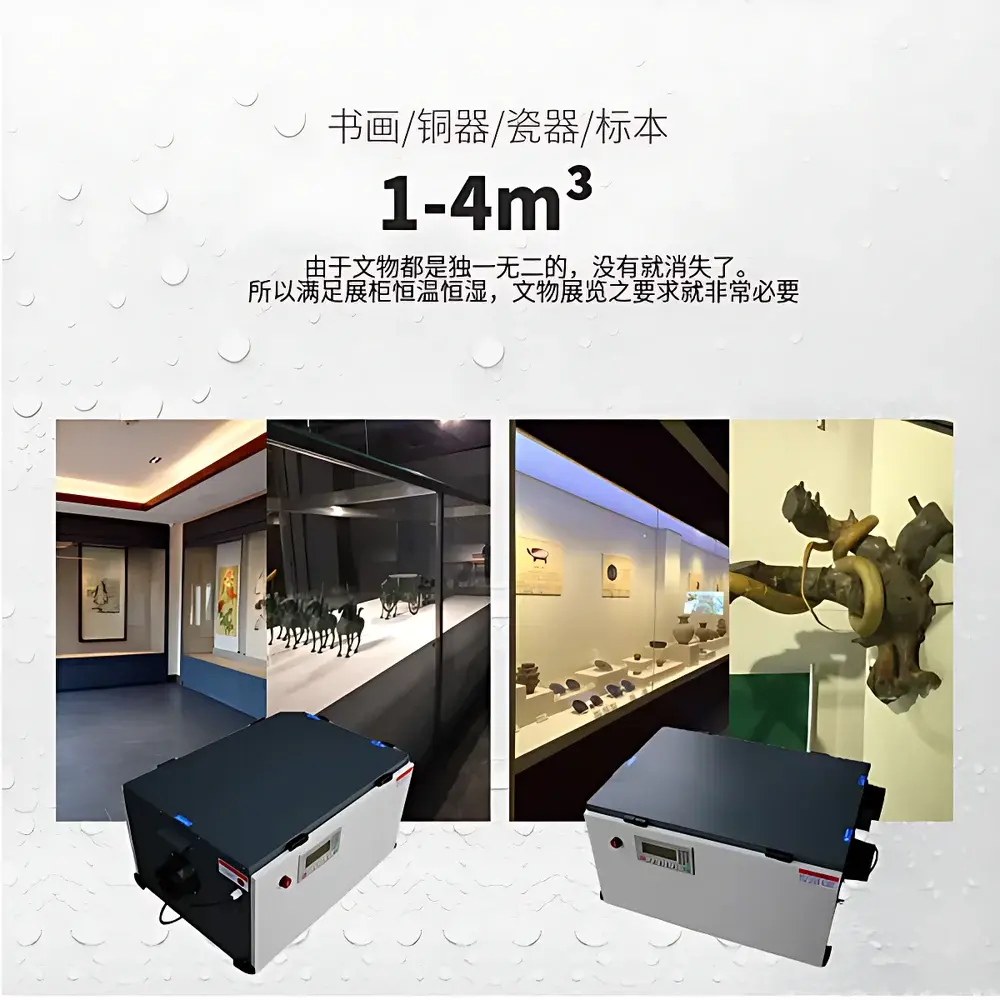
ZEDO HF-850Z Museum Display Case Climate Control System
| Brand | ZEDO |
|---|---|
| Origin | Zhejiang, China |
| Manufacturer Type | OEM/ODM Producer |
| Country of Manufacture | China |
| Model | HF-850Z Display Case Climate Control System |
| Price | USD 3,000 (FOB) |
Overview
The ZEDO HF-850Z Museum Display Case Climate Control System is an engineered microclimate management solution designed exclusively for sealed or semi-sealed exhibition enclosures in cultural heritage institutions. It operates on a closed-loop thermoelectric (Peltier) and desiccant-based dual-mode principle—combining precise solid-state cooling/heating with reversible adsorption-desorption humidity regulation. Unlike conventional HVAC systems that serve entire galleries, the HF-850Z delivers localized, autonomous environmental stabilization directly inside display cases—maintaining temperature within ±0.5 °C of setpoint (18–25 °C range) and relative humidity within ±3 %RH (30–60 %RH operational window). Its compact form factor (W320 × D280 × H180 mm), low-vibration architecture, and zero refrigerant design meet strict conservation-grade requirements for proximity to sensitive organic materials—including parchment, textiles, lacquerware, and composite ethnographic artifacts.
Key Features
- Integrated dual-sensor feedback loop: High-stability capacitive RH sensor (Honeywell HIH-4030 series) and PT1000-grade RTD temperature probe ensure long-term drift <0.1 %RH/year and <0.05 °C/year.
- Passive thermal mass buffering: Internal phase-change material (PCM) module dampens transient thermal load fluctuations caused by lighting cycles or visitor proximity.
- Modular desiccant cartridge system: Regenerable silica gel–molecular sieve hybrid media enables continuous moisture removal without condensate drainage—critical for vertical installation in wall-mounted or pedestal cases.
- UL-listed low-noise operation: Acoustic output ≤28 dB(A) at 1 m; EMI emissions compliant with CISPR 32 Class B for use in electromagnetically sensitive archival environments.
- Fail-safe dry-run protection: Built-in dew-point monitoring prevents condensation formation under high-RH ambient conditions, automatically throttling cooling output when surface temperature approaches dew point.
Sample Compatibility & Compliance
The HF-850Z is validated for use with ISO 11799:2015-compliant display case constructions (minimum air exchange rate ≤0.2 ACH). It supports inert gas purging (N₂ or Ar) via optional M5 threaded port and interfaces seamlessly with argon-filled cases per ICOM-CC Guidelines (2014). All internal wetted components are passivated stainless steel (AISI 316L) or PTFE-lined—certified non-outgassing per ASTM E595-22 (TML <0.1 %, CVCM <0.01 %). The unit complies with EU RoHS 2011/65/EU and meets CE marking requirements for EMC Directive 2014/30/EU and Low Voltage Directive 2014/35/EU. Firmware supports audit-trail logging per GLP/GMP Annex 11 and FDA 21 CFR Part 11 when paired with ZEDO’s optional CloudLink Gateway (sold separately).
Software & Data Management
Local control is managed via a 3.5-inch resistive touchscreen with IP65-rated front panel. Configuration includes programmable diurnal cycles (e.g., 20 °C/45 %RH daytime → 19 °C/48 %RH nighttime), alarm thresholds with relay outputs (dry contact, 250 VAC/2 A), and real-time graphing of 30-day trending data. USB-C export enables CSV-formatted logs compatible with museum collection management systems (TMS, PastPerfect, EMu). Remote monitoring and firmware updates are supported through TLS 1.2-secured MQTT communication—enabling integration into centralized facility management platforms such as Schneider EcoStruxure or Siemens Desigo CC.
Applications
- Climate-sensitive archaeological textiles requiring <40 %RH to inhibit mold hyphae germination (per ISO 11799 Annex C).
- Pre-Columbian codices stored under argon with oxygen scavenging—where thermal stability must avoid cellulose hydrolysis acceleration (Q₁₀ = 2.5 at 25 °C).
- Photographic collections (gelatin silver prints, cyanotypes) needing RH hysteresis control to prevent emulsion cracking or binder migration.
- Metallurgical artifacts (bronze, iron) displayed alongside chloride-contaminated soil samples—where localized dehumidification suppresses electrochemical corrosion rates by >90 % (per ASTM G160-18).
- Temporary loan exhibitions where transport-induced environmental shock must be mitigated prior to case sealing (pre-conditioning mode: 72-hr ramp stabilization).
FAQ
Does the HF-850Z require external condensate drainage?
No. It uses a regenerative desiccant wheel and thermoelectric heat pumping—eliminating liquid water accumulation entirely.
Can it operate in cases with UV-filtered LED lighting?
Yes. Its EMI-hardened electronics and non-magnetic housing prevent interference with spectral radiometers or UV dosimeters mounted inside the case.
Is calibration traceable to NIST standards?
Factory calibration is performed using Fluke 9143 dry-well and Rotronic Hygrometer HC2-S for RH—certificates include NIST-traceable uncertainty budgets.
What is the maximum recommended case volume?
Optimized for 0.8–2.5 m³ enclosures with air-tightness ≥95 % (measured per ASTM E779-20 blower door test).
How often must the desiccant cartridge be replaced?
Under typical museum conditions (22 °C/45 %RH ambient), service interval is 18–24 months—monitored via onboard saturation indicator LED and cloud-alert threshold.
Related Products



