

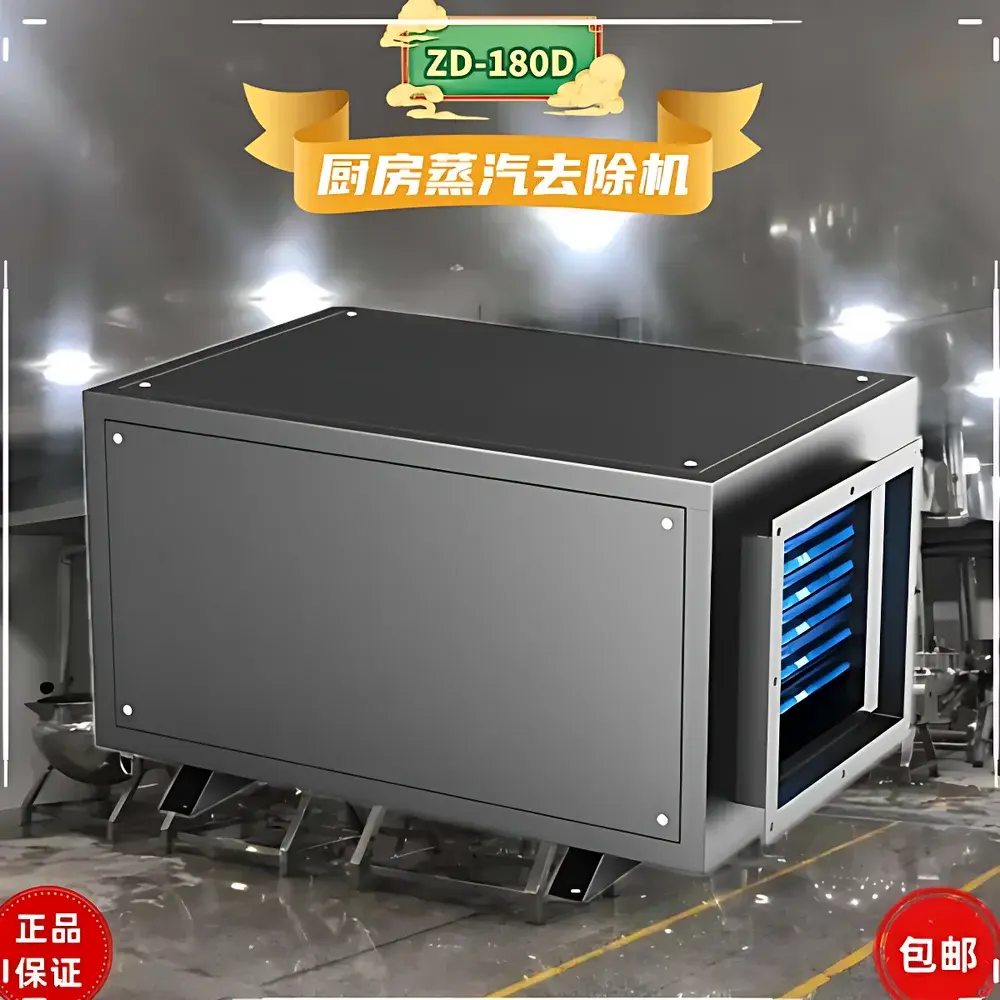
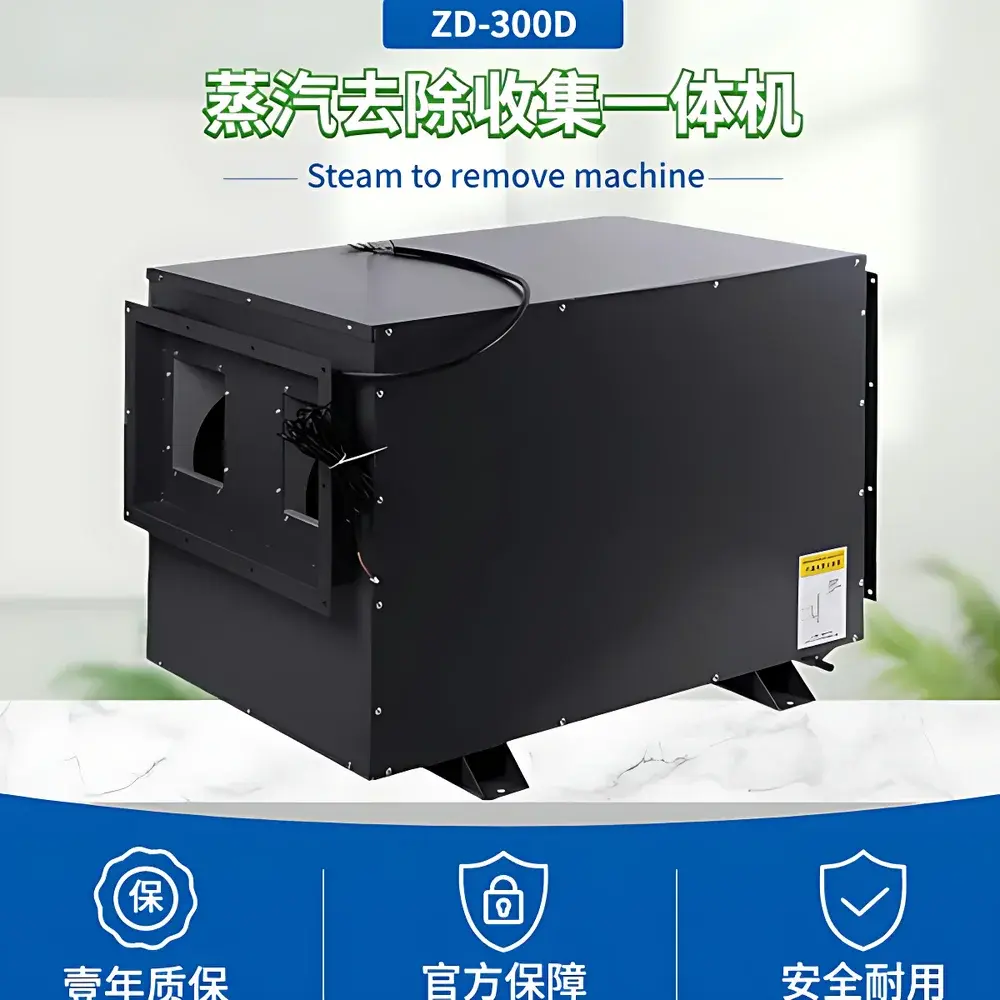
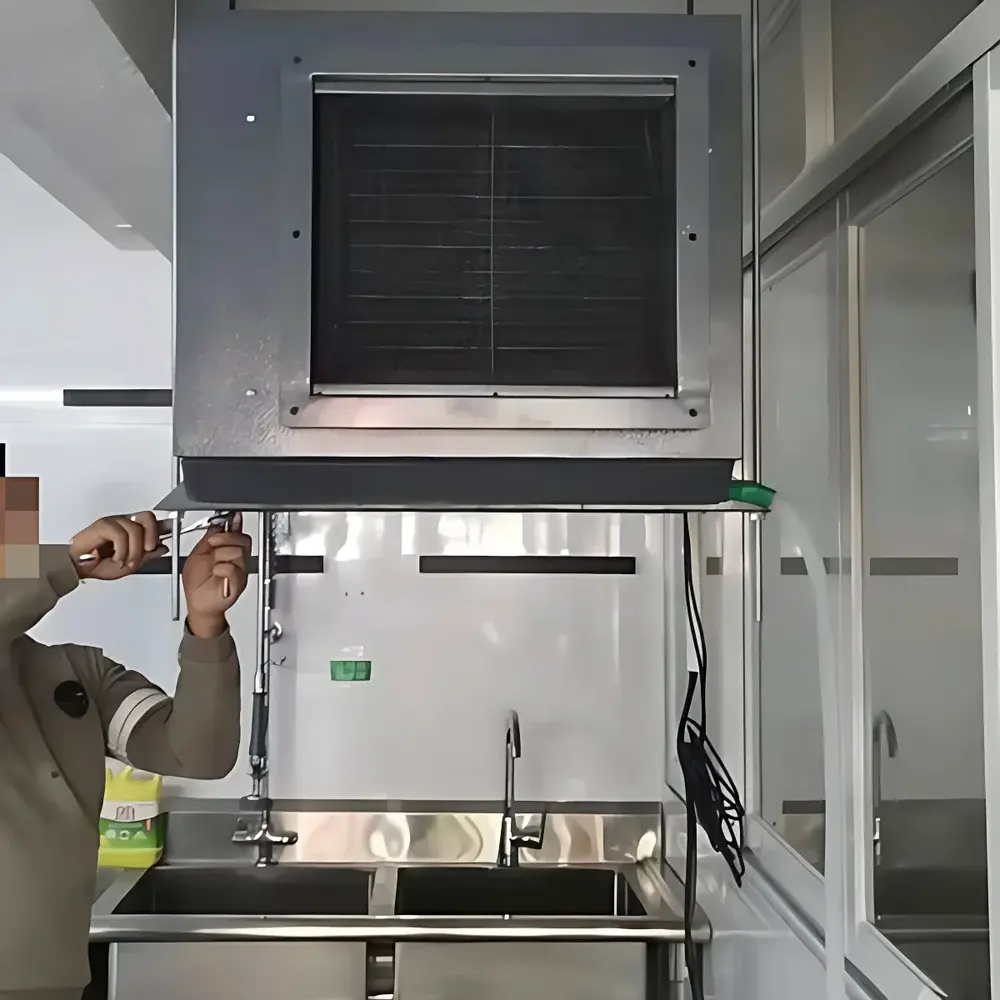
ZEDO ZD-180D High-Capacity Steam Condensation & Fog Removal System
| Brand | ZEDO |
|---|---|
| Origin | Zhejiang, China |
| Manufacturer Type | Direct Manufacturer |
| Product Category | Domestic |
| Model | ZD-180D Steam Condensation & Fog Removal Unit |
| Instrument Type | Static Vapor Adsorption System |
| Temperature Range | 5–55 °C |
| Humidity Range | 10–99 % RH |
| Humidity Accuracy | ±5 % RH |
Overview
The ZEDO ZD-180D High-Capacity Steam Condensation & Fog Removal System is an engineered solution for controlled vapor management in high-moisture industrial environments. Unlike conventional ventilation or exhaust-only approaches, this system operates on the principle of active condensation—drawing saturated steam-laden air into a thermally optimized heat exchange path where latent heat is extracted via chilled surfaces, inducing phase transition from vapor to liquid water. The condensed water is collected, drained, and optionally reclaimed—making the unit suitable not only for fog suppression but also for humidity control and energy-conscious moisture recovery. Designed specifically for static vapor load scenarios (e.g., batch steaming operations), it complies with fundamental requirements for vapor-phase equilibrium monitoring in food-grade and institutional settings, aligning with operational constraints defined in ISO 22000 (food safety management) and ASHRAE Standard 62.1 (ventilation for acceptable indoor air quality).
Key Features
- High-volume axial intake fan with adjustable airflow rate, engineered for rapid vapor capture at point sources (e.g., steam kettles, rice cookers, retort loading zones)
- Multi-stage condensation chamber featuring corrosion-resistant aluminum finned-tube heat exchangers operating within a controlled 5–55 °C ambient envelope
- Integrated condensate management: sloped internal drainage channels, non-drip waterproof lining, and gravity-fed outlet compatible with standard 3/4″ PVC or stainless steel drain lines
- Passive humidity regulation capability—reduces relative humidity by up to 25 percentage points in enclosed 50–120 m³ spaces during continuous operation
- IP54-rated enclosure with food-safe stainless steel housing components; designed for washdown environments per USDA-FSIS guidelines
- No refrigerant-based cooling circuit—relies on ambient or facility-supplied chilled water (optional) or passive thermal mass stabilization
Sample Compatibility & Compliance
The ZD-180D is validated for use with saturated water vapor generated during thermal food processing—including steam sterilization, blanching, parboiling, and dough proofing. It does not measure adsorption isotherms nor perform dynamic vapor uptake analysis; therefore, it is not classified as a research-grade vapor sorption analyzer per ASTM D5227 or ISO 15106-3. Instead, its application domain falls under industrial hygiene engineering and HVAC-integrated moisture mitigation. Units are CE-marked for EMC compliance (2014/30/EU) and meet RoHS Directive 2011/65/EU material restrictions. For GMP-regulated facilities, optional audit-trail-capable digital loggers (RS485 Modbus RTU interface) support 21 CFR Part 11-compliant data recording when paired with validated SCADA systems.
Software & Data Management
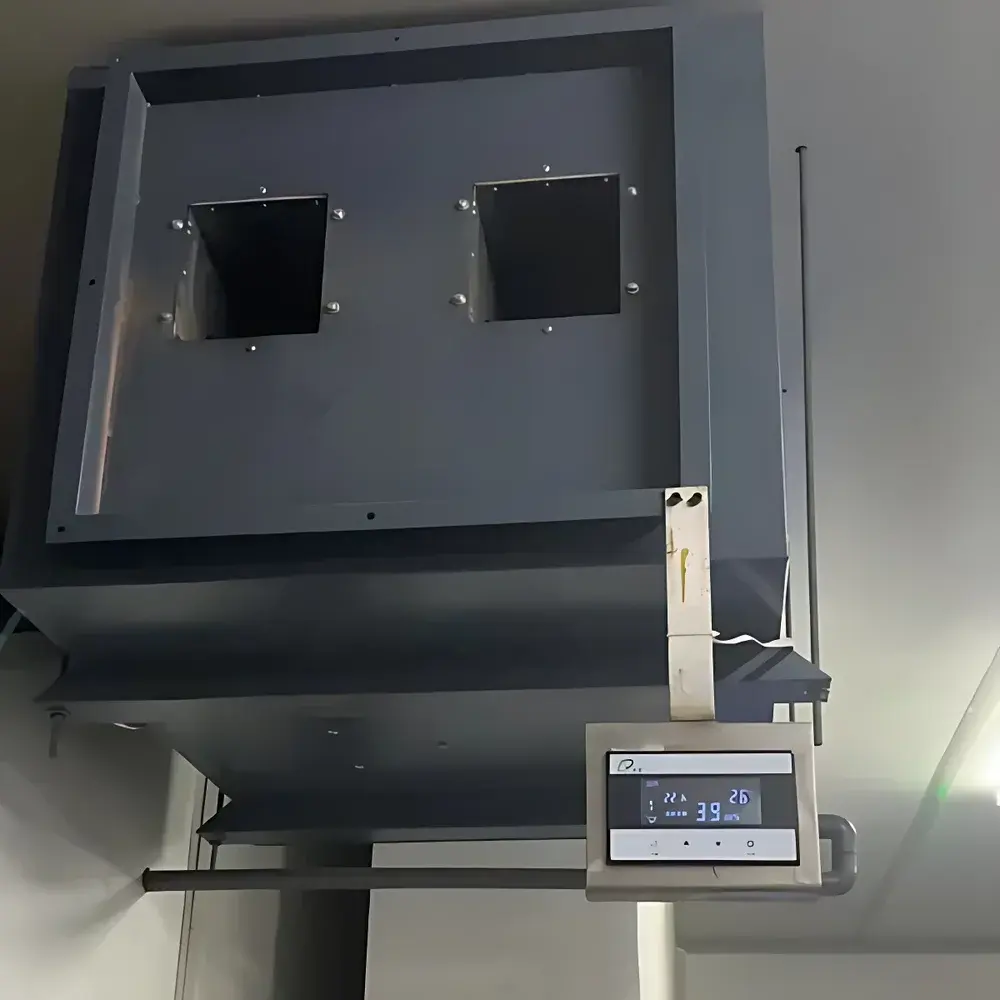
The base ZD-180D operates as a stand-alone electromechanical system with manual on/off control and analog hygrothermal monitoring. Optional digital modules include a microprocessor-based controller with LCD interface, real-time RH/temperature logging (1-min intervals), USB data export (CSV), and configurable alarm thresholds (e.g., >85% RH trigger). All firmware adheres to IEC 62443-3-3 security levels for industrial control devices. Data files are timestamped, immutable upon export, and retain metadata required for GLP-compliant environmental monitoring records—supporting traceability in HACCP plan verification and internal QA audits.
Applications
- Central kitchen humidity control in hospitals, universities, and correctional facilities—preventing condensation on ceilings, lighting fixtures, and fire suppression nozzles
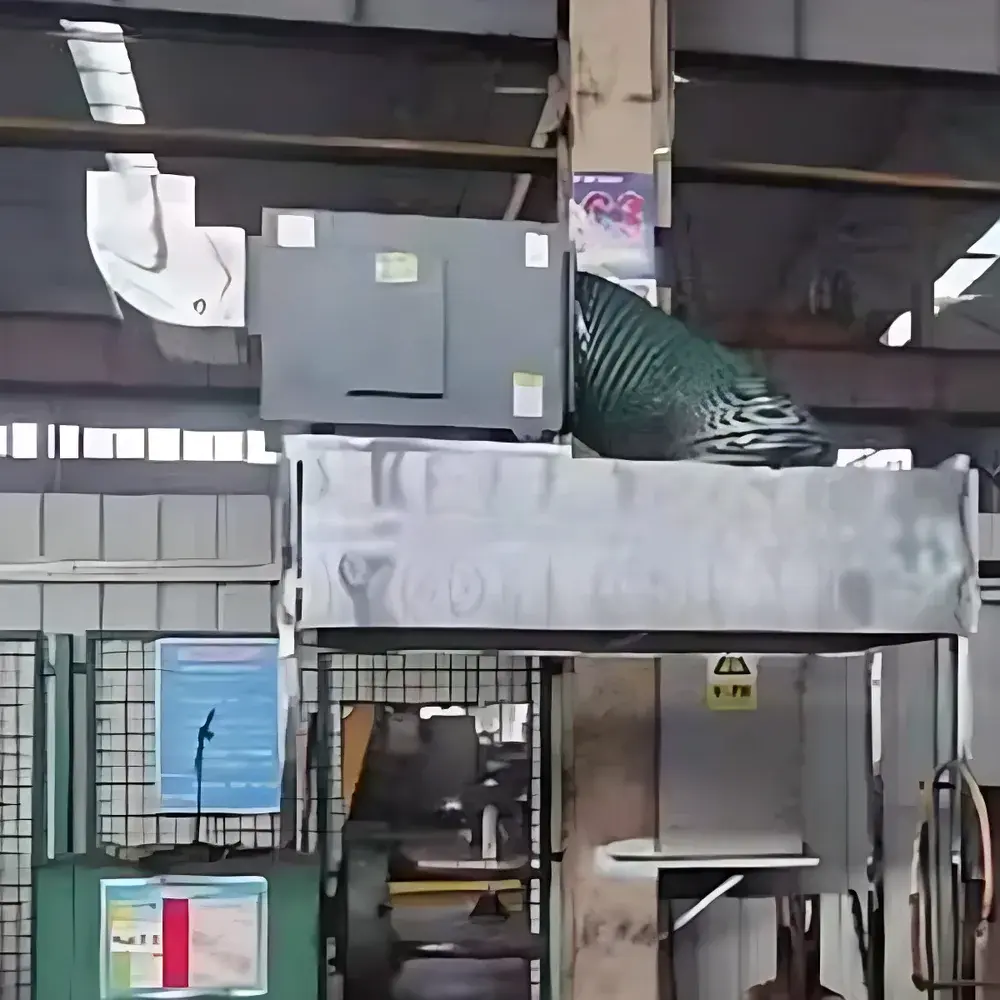
- Steam plume mitigation above conveyorized steam tunnels and retort entry zones in ready-to-eat (RTE) food manufacturing
- Condensation suppression in fermentation cellars and distillery still rooms where uncontrolled vapor accelerates corrosion of copper stills and instrumentation
- Complementary dehumidification in cold storage vestibules where door cycling introduces moist ambient air
- Preventive maintenance support: reducing dew-point-related microbial growth on HVAC duct interiors and ceiling-mounted sensors
FAQ
Is the ZD-180D suitable for measuring vapor adsorption isotherms?
No. It is a physical condensation device—not a gravimetric or dynamic vapor sorption instrument. It lacks mass sensing, programmable vapor partial pressure control, or sample temperature modulation required for isotherm generation.
Can it operate continuously in ambient temperatures above 55 °C?
No. The specified 5–55 °C operating range reflects thermal limits of internal seals, condensate drainage integrity, and sensor calibration stability. Operation outside this range voids warranty and compromises RH accuracy.
Does it require refrigerant or compressor-based cooling?
No. The core condensation process relies on conductive heat transfer to ambient or facility-supplied coolant. Optional chilled-water integration uses standard 10–15 °C supply loops—no onboard refrigeration cycle.
How is condensate disposal handled in sanitary environments?
Drain outlets accept FDA-compliant tubing; integrated P-traps and backflow preventers are available as accessories. All wetted surfaces meet 3-A Sanitary Standards 3A 10-07 for dairy and food equipment.
What maintenance intervals are recommended?
Bi-weekly visual inspection of intake grilles and condensate channels; quarterly cleaning of heat exchanger fins using food-grade alkaline descaler; annual calibration verification of RH sensor against NIST-traceable hygrometer.



