

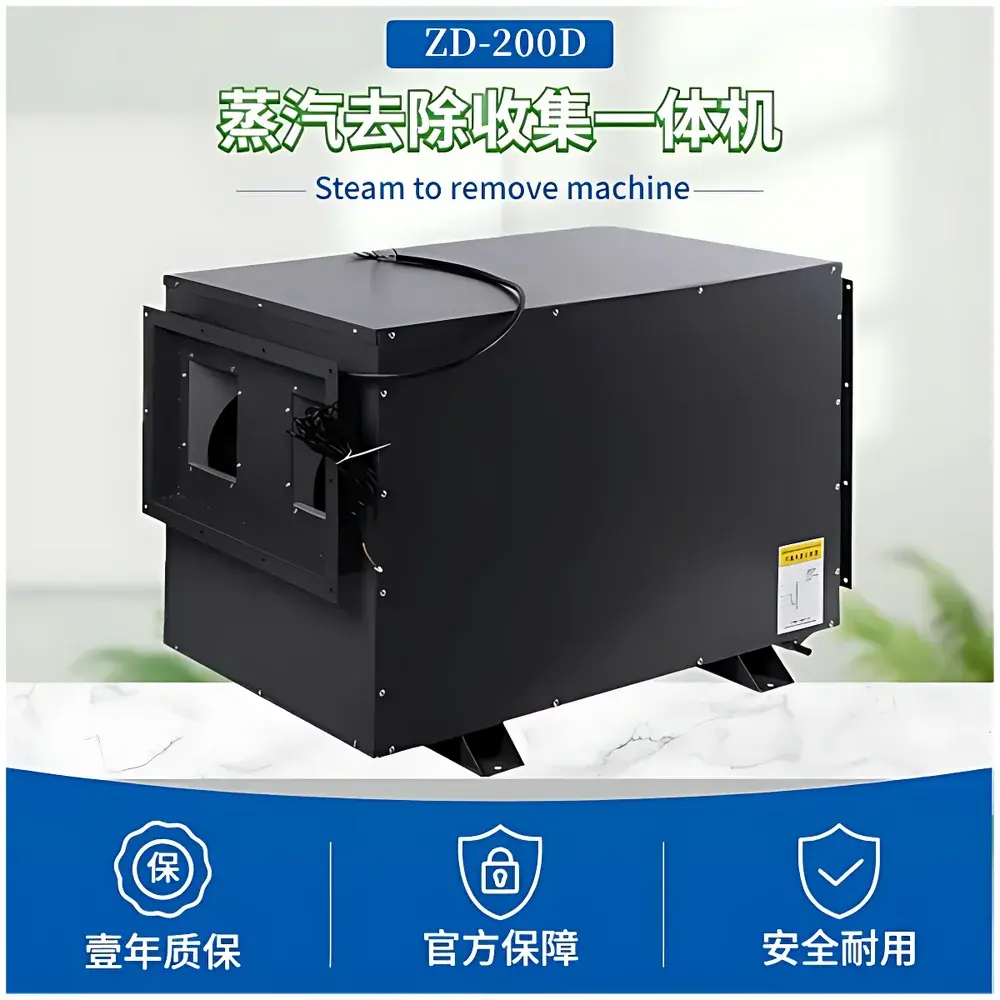
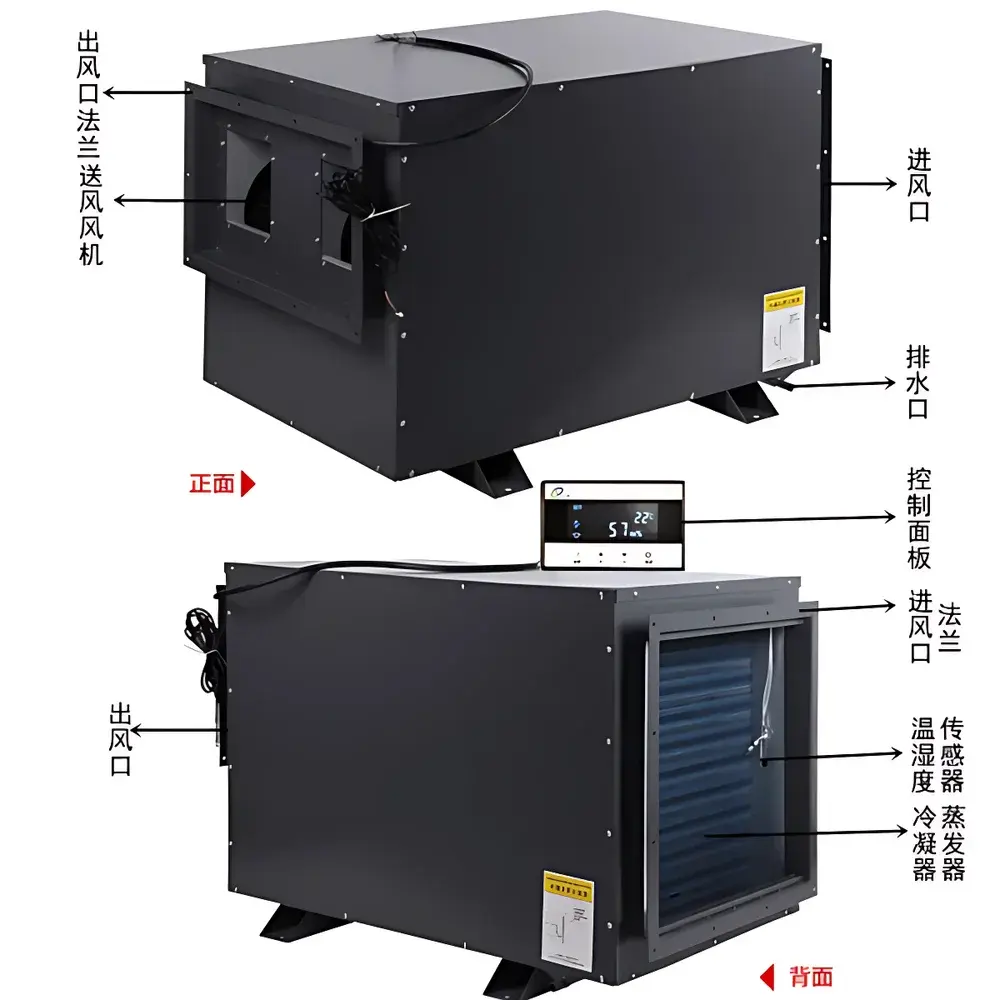
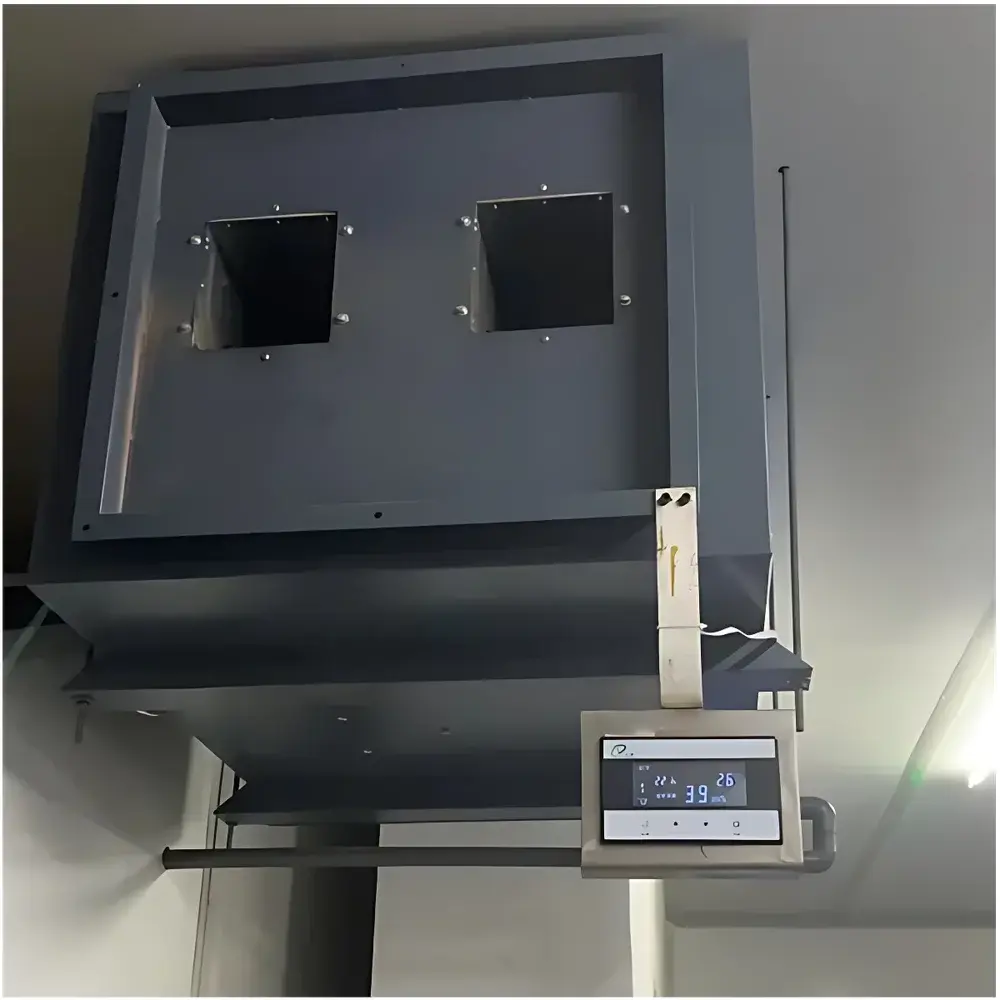
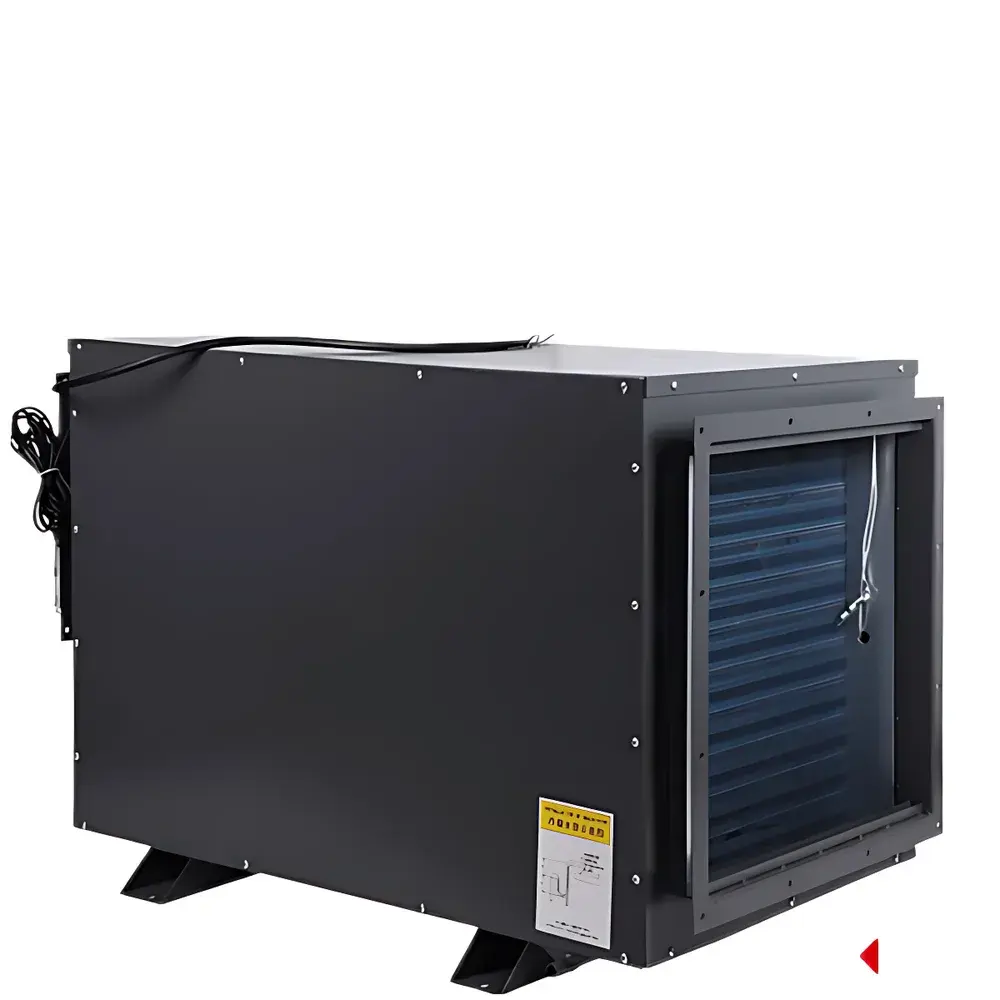
ZEDO ZD-200D Steam Condensation and Removal Unit
| Brand | ZEDO |
|---|---|
| Origin | Zhejiang, China |
| Manufacturer Type | Direct Manufacturer |
| Product Category | Domestic |
| Model | ZD-200D Steam Removal Unit |
| Instrument Type | Static/Dynamic Vapor Adsorption System |
| Temperature Range | Up to 50 °C |
| Relative Humidity Range | 0–99% r.H. |
| Humidity Accuracy | ±1% r.H. |
Overview
The ZEDO ZD-200D Steam Condensation and Removal Unit is an engineered environmental control device designed for industrial process environments where uncontrolled water vapor accumulation poses operational, safety, and quality risks. Unlike laboratory-grade vapor adsorption analyzers used for material characterization (e.g., BET surface area or moisture sorption isotherms), the ZD-200D operates on principles of controlled condensation and mechanical vapor capture—leveraging thermodynamic gradients and high-efficiency heat exchange surfaces to remove saturated steam from enclosed production spaces. It is not a measurement instrument but a process support system intended for continuous-duty operation in food processing, pharmaceutical manufacturing, chemical synthesis, and agricultural product drying facilities. Its primary function is to mitigate condensate formation on ceilings, equipment housings, and product surfaces—thereby preventing corrosion, electrical hazards, microbial growth, and nonconformance to environmental specifications under GMP or ISO 22000 frameworks.
Key Features
- Integrated condensation core with optimized finned-tube heat exchanger geometry for rapid latent heat extraction at ambient-to-moderate process temperatures (≤50 °C)
- Adjustable humidity setpoint control (0–99% r.H.) with real-time feedback loop and ±1% r.H. accuracy per internal capacitive sensor calibration
- Sealed recirculation architecture—no external ducting or exhaust required—ideal for temperature-sensitive or containment-critical environments
- Stainless steel 304 housing and condensate collection reservoir compliant with FDA-recommended material contact standards for incidental exposure zones
- Low-noise axial fan assembly rated for 20,000-hour MTBF; energy-efficient operation minimizing thermal load displacement versus traditional forced-exhaust ventilation
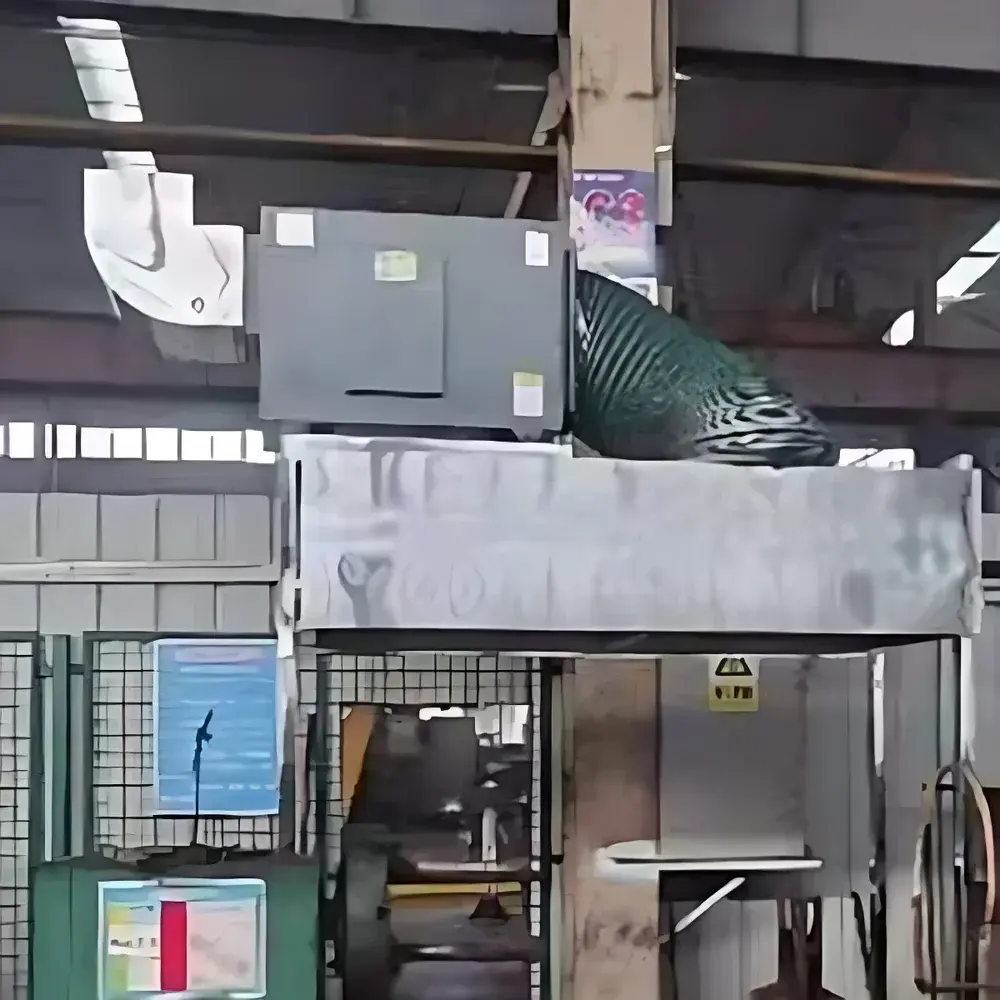
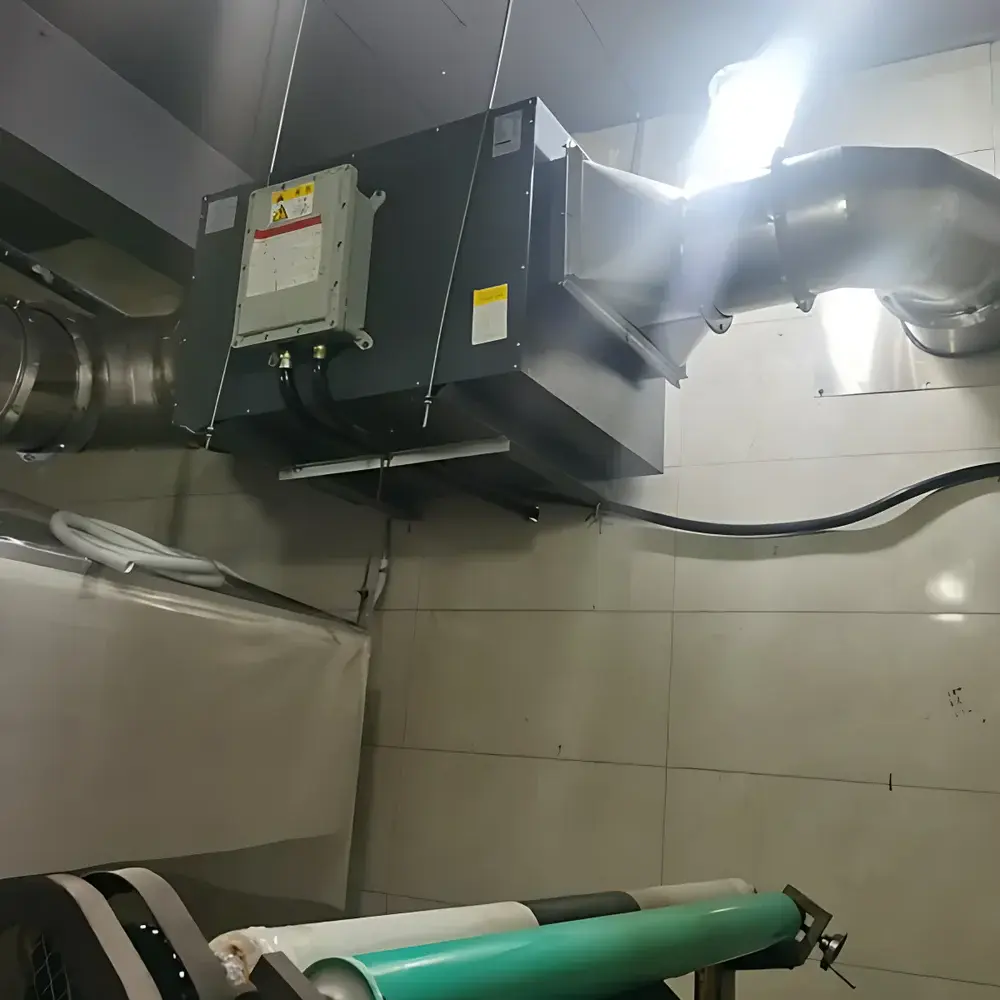
- Modular mounting design compatible with overhead rail systems or wall brackets; footprint optimized for integration into existing production line layouts
Sample Compatibility & Compliance
The ZD-200D does not perform sample analysis and therefore has no “sample compatibility” in the analytical instrumentation sense. Instead, it is engineered for compatibility with humidified industrial air streams containing water vapor generated during thermal processing (e.g., steam-jacketed kettles, retorts, fluidized bed dryers, or tunnel ovens). It meets structural and electrical safety requirements per GB/T 4706.1 (Chinese national standard equivalent to IEC 60335-1) and incorporates grounding continuity and overtemperature cutoff protection. While not certified to UL or CE for export markets without additional conformity assessment, its operational parameters align with environmental controls referenced in ISO 14644-1 (cleanroom humidity management), ISO 22000:2018 (food safety prerequisite programs), and EU GMP Annex 15 (validation of environmental mitigation systems).
Software & Data Management
The unit features a local digital display interface with manual setpoint adjustment and status indicators (operational mode, condensate level, fault alerts). It does not include embedded data logging, remote connectivity (e.g., Modbus, Ethernet/IP), or cloud-based reporting capabilities. For facilities requiring audit-ready records, integration with third-party Building Management Systems (BMS) or SCADA platforms can be achieved via optional 4–20 mA analog output (humidity signal) and dry-contact relay outputs for alarm escalation. All configuration changes and maintenance events must be manually documented to satisfy GLP/GMP traceability expectations—no electronic record or electronic signature functionality is provided per FDA 21 CFR Part 11.
Applications
- Prevention of ceiling condensate drip in bakery proofing and baking rooms, reducing cross-contamination risk and structural moisture damage
- Humidity stabilization in tablet coating booths and lyophilizer loading areas to avoid powder agglomeration and weight variation
- Maintenance of ≤65% r.H. in spice grinding and blending suites to inhibit caking and preserve volatile oil integrity
- Controlled dehumidification during post-sterilization cooling phases in aseptic filling lines to prevent dew-point-related particulate shedding
- Supplemental vapor management in HVAC-limited retrofit facilities where ductwork modification is cost-prohibitive or architecturally infeasible
FAQ
Is the ZD-200D suitable for use in classified cleanrooms (ISO Class 5–8)?
Yes—when installed with HEPA-filtered intake and validated for particle generation rates below ISO 14644-1 Class 5 background limits. Full qualification requires Particle Count, Airflow Visualization, and Recovery Testing per ISO 14644-3.
Does the unit require chilled water or refrigerant circuit integration?
No—it relies solely on ambient air cooling and passive heat dissipation; no external coolant loops or compressors are needed.
Can it operate continuously during 24/7 production shifts?
Yes—designed for uninterrupted duty cycles with automatic condensate shutoff and thermal cutout safeguards.
What maintenance intervals are recommended?
Condensate tank emptying every 8–12 hours under full-load conditions; heat exchanger cleaning every 3 months using pH-neutral detergent; sensor recalibration annually.
Is validation documentation available for GMP-regulated sites?
Factory test reports (FAT) and IQ/OQ protocol templates are supplied; PQ execution remains site-specific and must be performed by qualified personnel per Annex 15 guidelines.



