
Zehntner ZUA 2000 Adjustable Wet Film Applicator
| Brand | Zehntner |
|---|---|
| Origin | Switzerland |
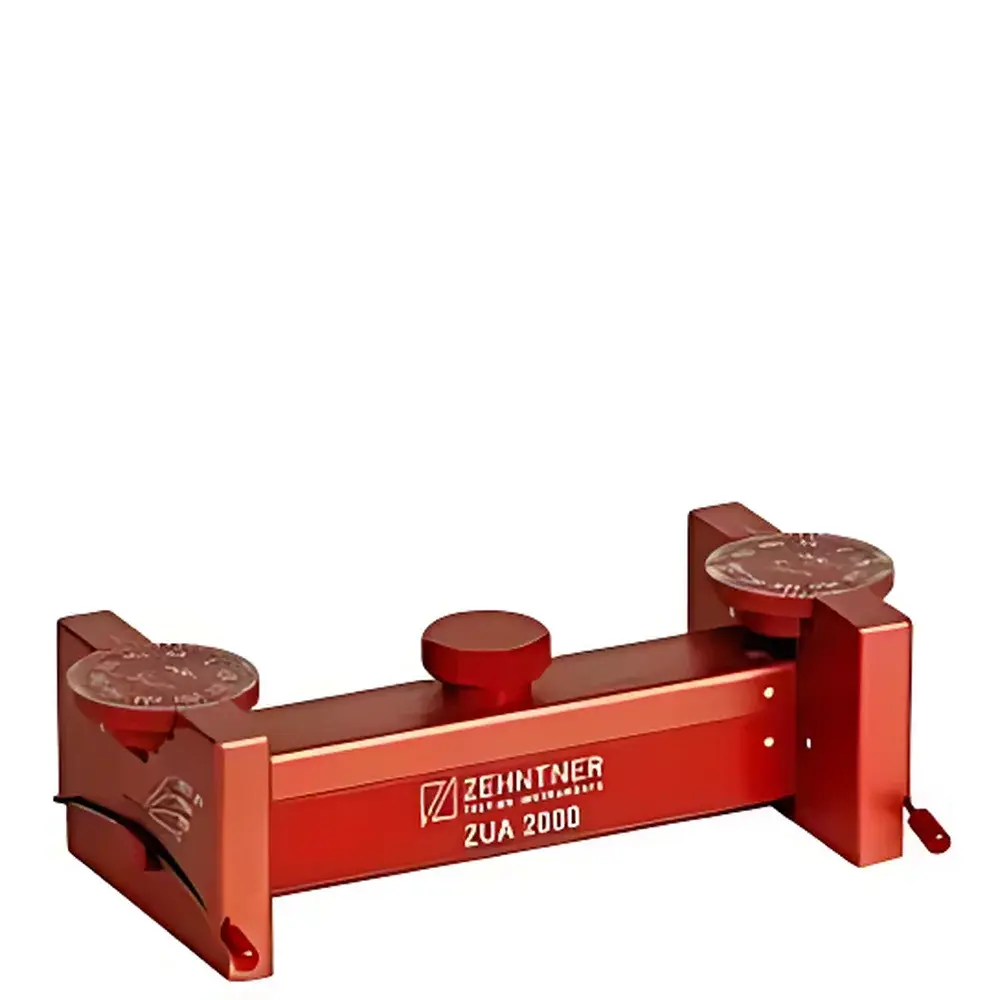
| Model | ZUA 2000 |
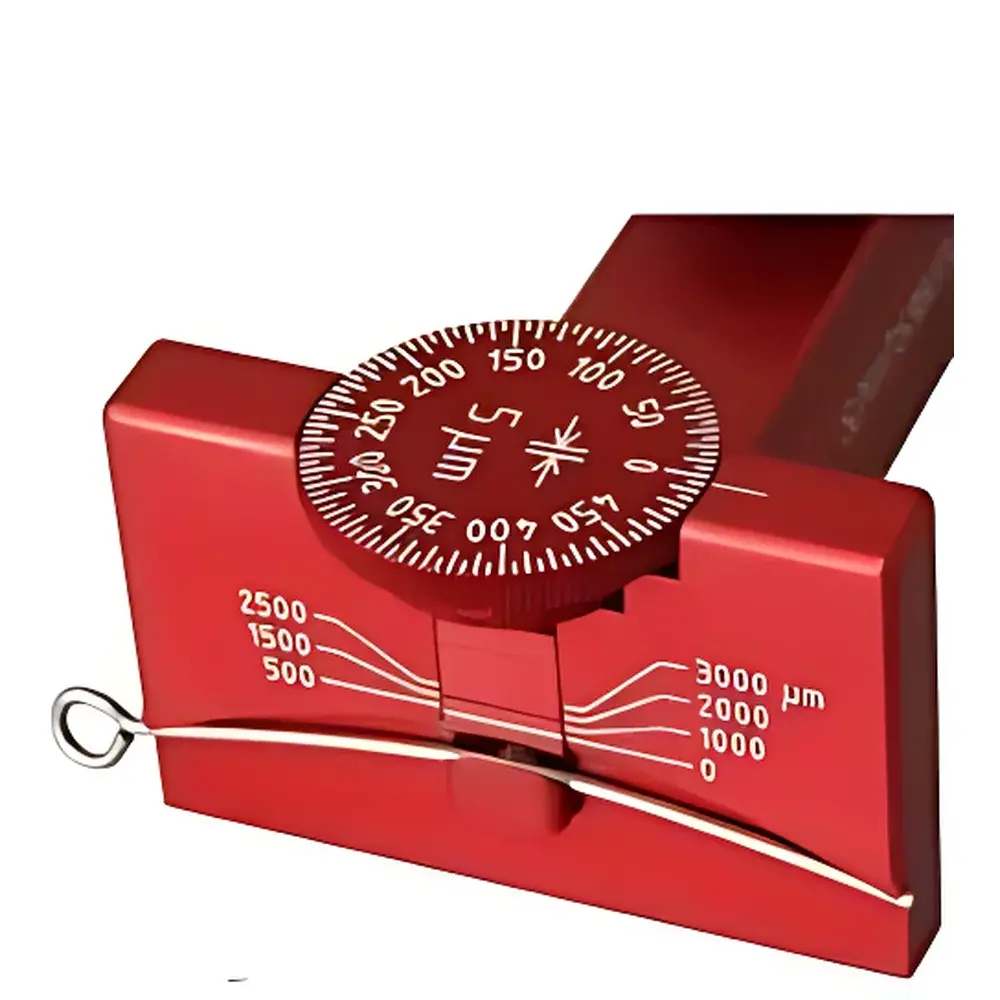
| Wet Film Thickness Range | 0–3000 µm |
| Adjustable Increment | 5 µm |
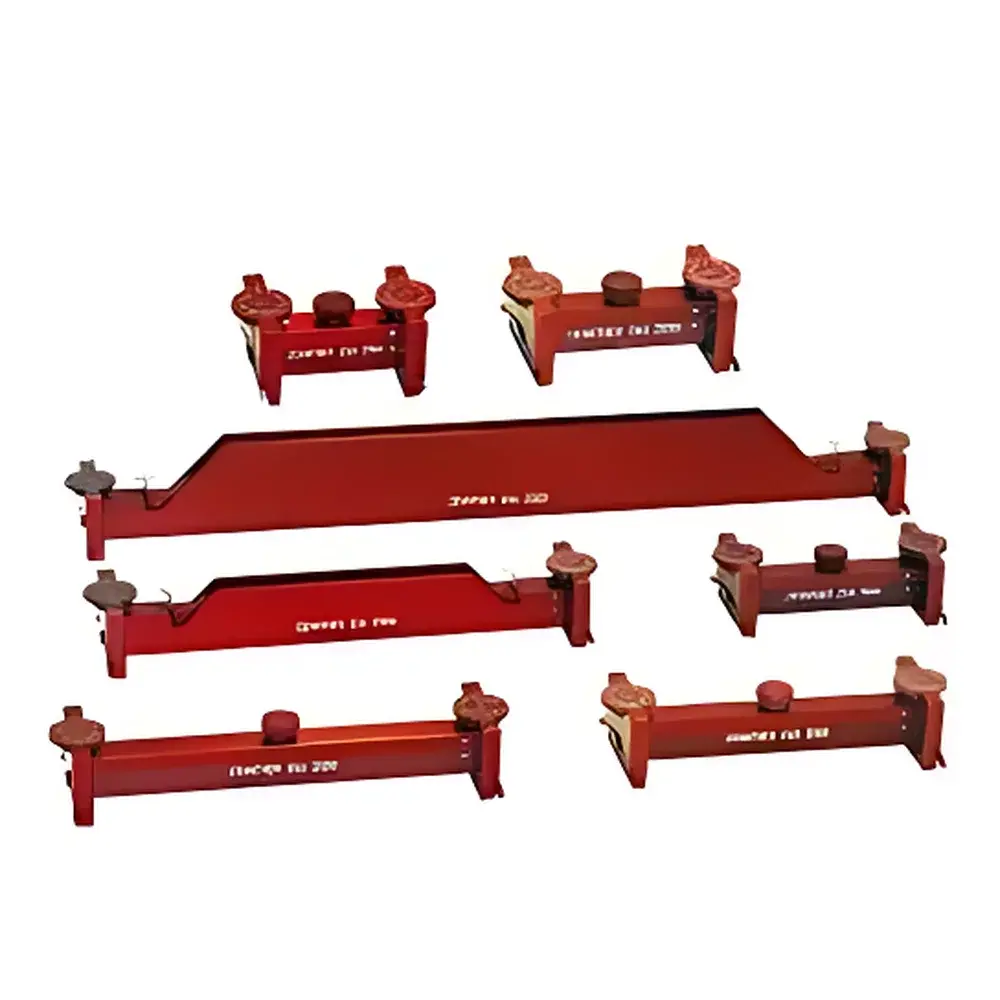
| Available Wet Film Widths | 60 mm, 80 mm, 100 mm, 150 mm |
| Body Material | Anodized Aluminum Alloy (Acid- and Alkali-Resistant) |
| Disassembly | Fully Serviceable for Solvent Cleaning |
| Compliance | Designed to Support ASTM D823, ISO 2808, and ISO 15184 Test Protocols |
Overview
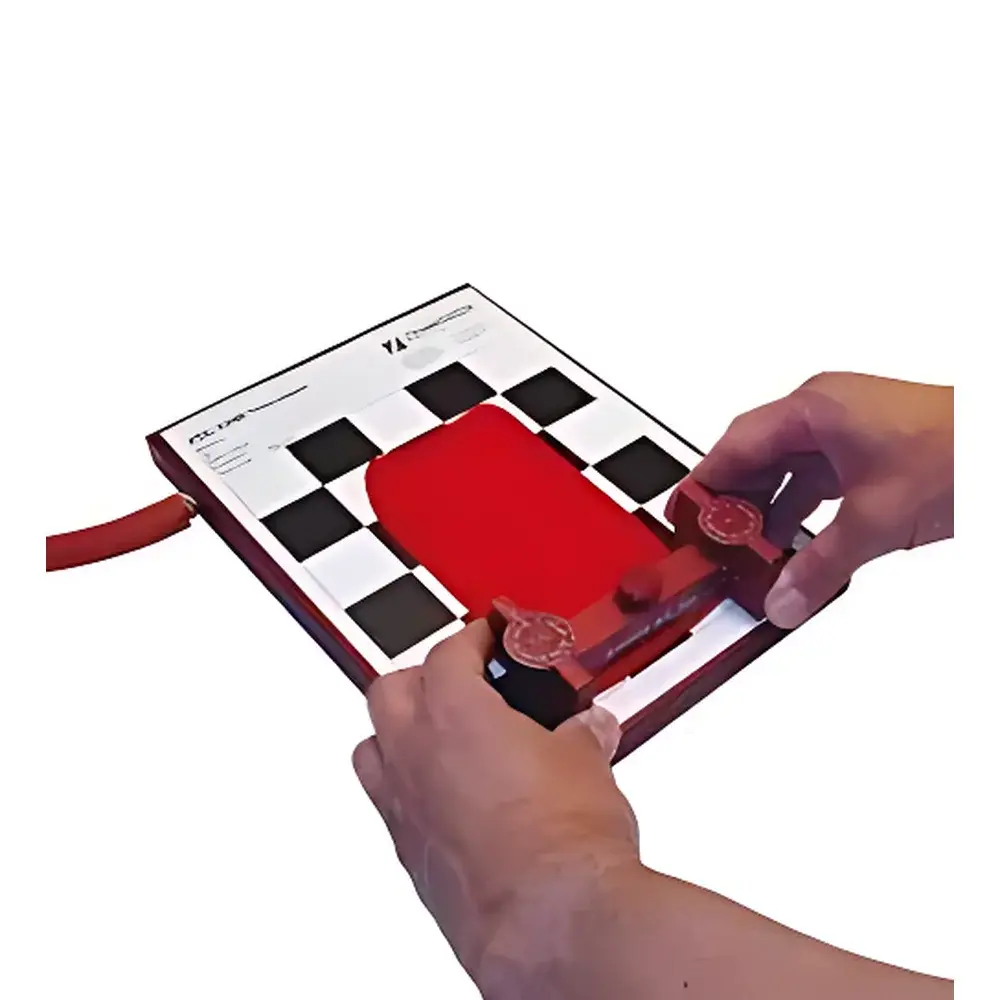
The Zehntner ZUA 2000 Adjustable Wet Film Applicator is a precision-engineered laboratory instrument designed for the reproducible deposition of uniform wet films of liquid coatings—including paints, varnishes, inks, adhesives, and functional dispersions—onto flat, rigid substrates. Operating on the principle of controlled gap coating via a precision-ground stainless steel applicator bar mounted on an adjustable aluminum frame, the ZUA 2000 enables users to define wet film thickness with mechanical accuracy across a continuous range of 0 to 3000 µm. This capability is essential for evaluating coating performance parameters such as drying behavior, gloss development, pigment dispersion stability, adhesion, and film integrity—each of which exhibits strong dependence on initial wet thickness. Manufactured in Switzerland by Zehntner (now part of Proceq Group), the device complies with international standard methodologies including ASTM D823 (Practice for Producing Films of Uniform Thickness of Paint, Varnish, and Related Products), ISO 2808 (Paints and Varnishes — Determination of Film Thickness), and ISO 15184 (Paints and Varnishes — Determination of Film Hardness by Pencil Test), ensuring traceability and inter-laboratory comparability.
Key Features
- Precision-adjustable wet film thickness from 0 to 3000 µm in 5 µm increments, calibrated via micrometer-driven height adjustment mechanism;
- Interchangeable applicator bars supporting standardized wet film widths of 60 mm, 80 mm, 100 mm, and 150 mm—each optimized for substrate size and rheological compatibility;
- Structural body fabricated from high-grade aluminum alloy, subjected to hard-anodizing treatment for long-term resistance to acidic, alkaline, and organic solvent exposure;
- Non-fading surface finish ensures consistent visual identification and eliminates color leaching during cleaning or prolonged use;
- Fully modular design: all components—including bar holder, leveling feet, and clamping mechanism—can be completely disassembled without tools for thorough solvent-based decontamination;
- Zero-slip base plate with fine-leveling feet ensures stable, vibration-damped operation on laboratory benches or calibration tables.
Sample Compatibility & Compliance
The ZUA 2000 accommodates a broad spectrum of Newtonian and mildly non-Newtonian coating formulations, including waterborne emulsions, solvent-based lacquers, UV-curable resins, and high-solids industrial primers. Its open-frame geometry permits application onto glass slides, metal panels (e.g., cold-rolled steel per ASTM D609), plastic sheets (e.g., PET or polycarbonate), and ceramic tiles. The instrument supports GLP-compliant workflows when integrated into documented SOPs; its mechanical adjustability and absence of electronic components eliminate drift-related uncertainty, making it suitable for audit-ready environments. While not itself certified, the ZUA 2000 is routinely employed in laboratories operating under ISO/IEC 17025, FDA 21 CFR Part 11 (when paired with compliant data recording systems), and ICH Q5C stability protocol frameworks.
Software & Data Management
The ZUA 2000 is a purely mechanical, manual applicator with no embedded electronics, firmware, or connectivity interfaces. This architecture ensures operational reliability, eliminates calibration drift, and simplifies validation—particularly advantageous in regulated QC/QA settings where software qualification burdens must be minimized. Users record applied thickness settings manually or integrate the device into digital lab notebooks (e.g., LabArchives, Benchling) using standardized metadata templates. When used alongside thickness verification instruments (e.g., magnetic induction gauges per ISO 2178 or eddy current devices per ISO 2360), the ZUA 2000 forms a foundational component of metrologically traceable coating preparation workflows.
Applications
- Routine quality control of incoming raw materials and finished coatings in paint and ink manufacturing;
- Formulation development studies assessing viscosity-thickness relationships and shear thinning effects;
- Accelerated weathering and corrosion testing (e.g., ASTM D1654, ISO 11997), where film thickness directly influences blistering onset and rust creepage;
- Optical property evaluation (haze, transparency, color consistency) across defined wet thickness gradients;
- Adhesion testing (cross-cut, pull-off per ASTM D3359/ISO 2409) requiring strict thickness control to avoid substrate interference;
- Academic research in colloidal science, thin-film fluid dynamics, and drying kinetics modeling.
FAQ
Is the ZUA 2000 compatible with highly viscous or thixotropic coatings?
Yes—provided the material can be spread uniformly by manual draw-down. For viscosities exceeding 50,000 mPa·s or pronounced thixotropy, pre-shearing or temperature conditioning may be required prior to application.
Can the ZUA 2000 be used on curved or flexible substrates?
No—it is engineered exclusively for rigid, planar surfaces. Curved or elastomeric substrates introduce uncontrolled gap variation and compromise thickness fidelity.
Does Zehntner provide NIST-traceable calibration certificates for the ZUA 2000?
The device is factory-calibrated against master gauge blocks; formal certification is available upon request through authorized distributors, though routine user verification with certified slip gauges (e.g., Class 0.5 per ISO 3650) is recommended quarterly.
What solvents are safe for cleaning the anodized aluminum body?
Acetone, isopropanol, xylene, and ethyl acetate are routinely used. Avoid prolonged exposure to strong mineral acids (e.g., HCl, H₂SO₄) or caustic solutions (e.g., >10% NaOH), despite the anodized layer’s general resistance.



