
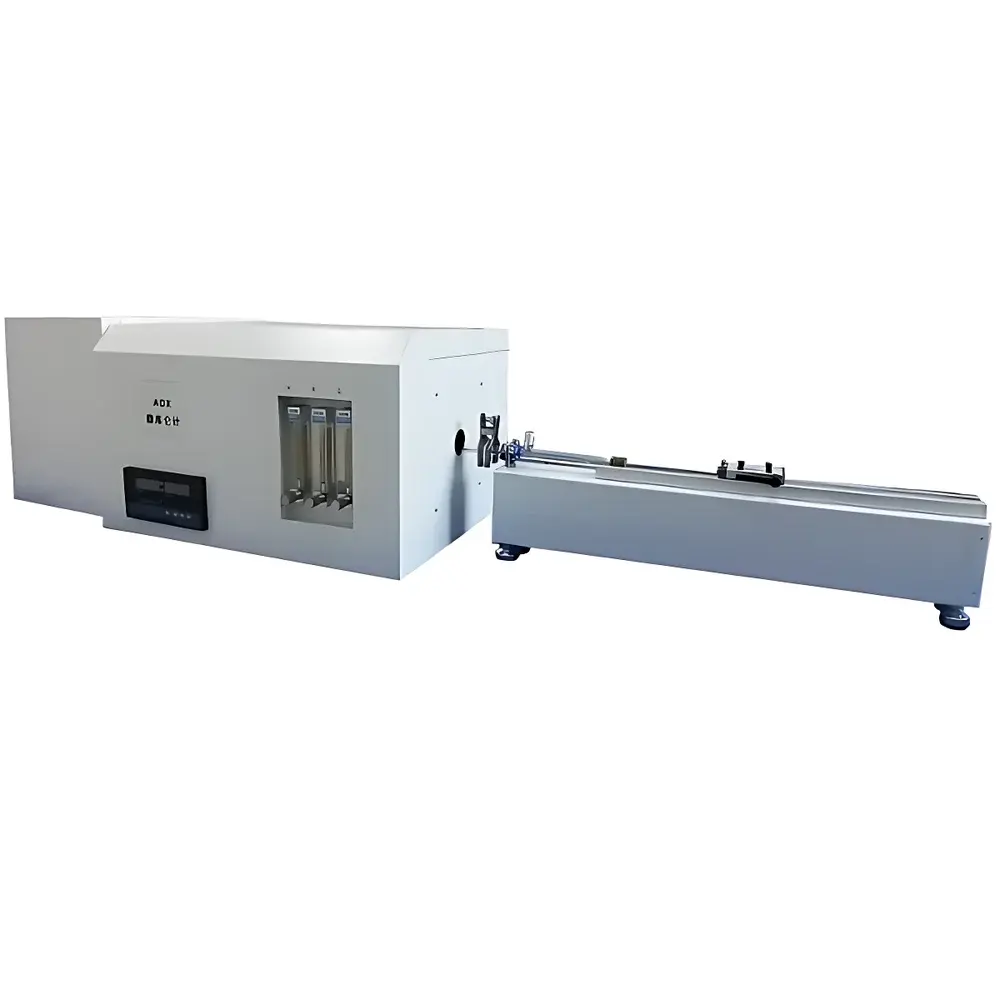
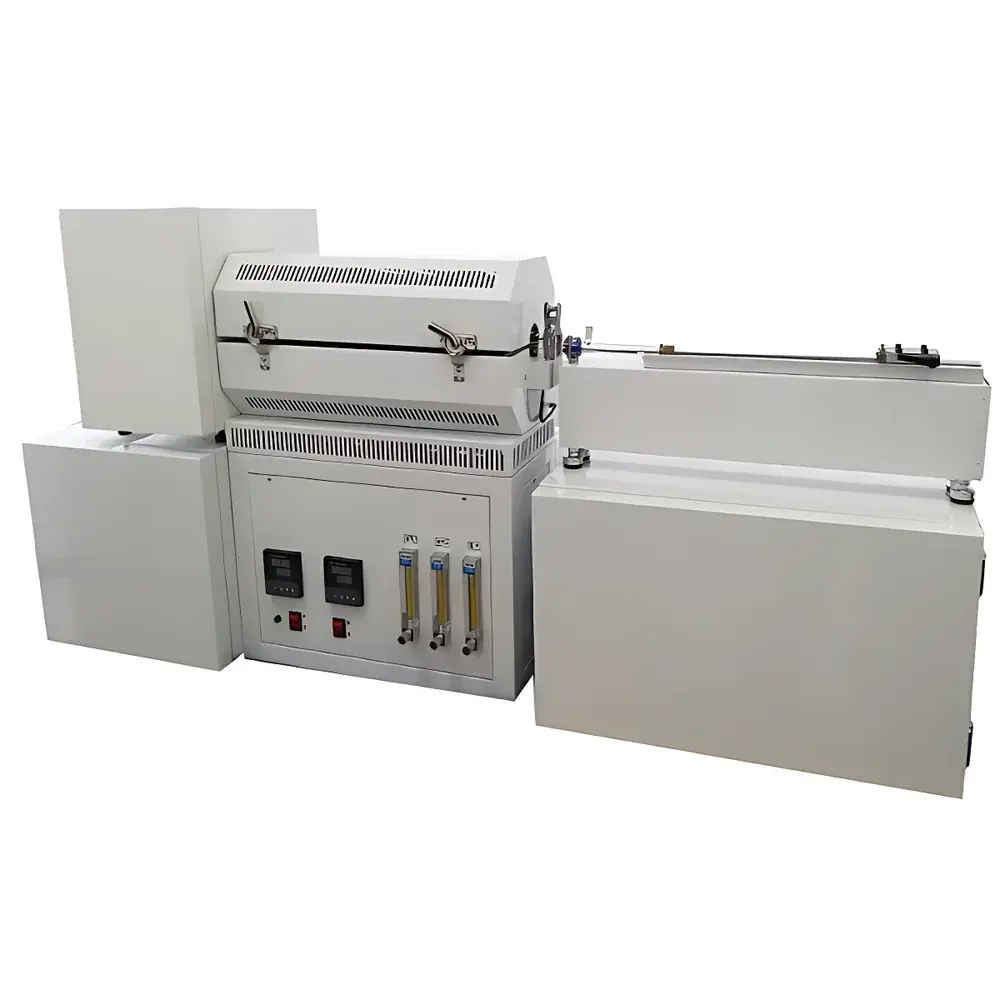
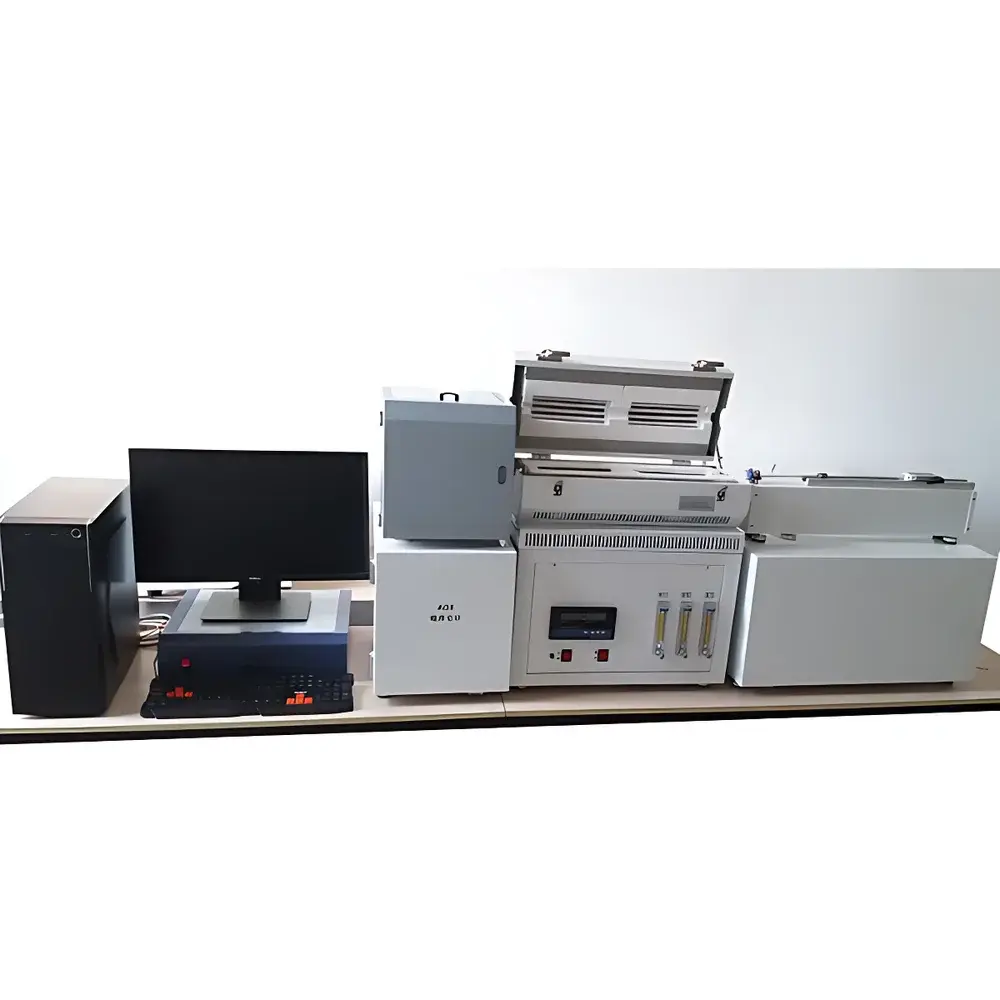
Zhuochi AOX-WK-3 Microcoulometric Analyzer for Adsorbable Organic Halogens (AOX) in Water
| Brand | Zhuochi |
|---|---|
| Model | AOX-WK-3 |
| Measurement Principle | Microcoulometric Titration after High-Temperature Combustion |
| Detection Target | Total Adsorbable Organic Halogens (Cl, Br, I) |
| Carbon Range | 0.2–5000 mg/L |
| Chlorine Range | 0.5–5000 mg/L |
| Nitrogen Range | 0.5–5000 mg/L |
| Combustion Temperature | 500–1000 °C (±1% ±5 °C) |
| Generator Current | ±2 mA |
| Amplifier Output Voltage | ±30 V |
| Bias Voltage Adjustment | 0–500 mV (continuously adjustable) |
| Repeatability | ≤50% (c < 1.0 mg/L), ≤10% (1.0 ≤ c ≤ 10 mg/L), ≤5% (c > 10 mg/L) |
| Power Supply | AC 220 V ±10%, 50 Hz ±0.5 Hz |
| Rated Power | 3000 W |
| Origin | Zhejiang, China |
| Compliance | Designed to support ISO 9562, EPA Method 1650, and DIN EN ISO 9562 workflows |
Overview
The Zhuochi AOX-WK-3 Microcoulometric Analyzer is a dedicated benchtop instrument engineered for the quantitative determination of adsorbable organic halogens (AOX) in aqueous environmental samples—including drinking water, wastewater, surface water, and industrial effluents. It operates on the principle of high-temperature catalytic combustion followed by microcoulometric titration, a method standardized under ISO 9562, EPA Method 1650, and DIN EN ISO 9562. In this process, halogenated organic compounds are adsorbed onto activated carbon, thermally decomposed at controlled temperatures (500–1000 °C) in an oxygen-rich quartz furnace, and converted quantitatively into hydrogen halides (e.g., HCl). These gaseous species are then absorbed into an electrolyte solution within a dual-cell microcoulometric titration system, where electrogenerated silver ions (Ag⁺) react stoichiometrically with halide ions (X⁻). The charge consumed during titration—measured in coulombs—is directly proportional to the halogen mass, enabling precise, trace-level quantification without external calibration curves.
Key Features
- Integrated Windows-based control software with real-time display of combustion parameters, bias voltage, generator current, amplifier output, and titration endpoint dynamics
- Programmable temperature ramping and isothermal hold capability across 500–1000 °C with thermal stability of ±1% ±5 °C
- Microcoulometric detection cell featuring low-noise amplifier (±30 V output range) and adjustable bias voltage (0–500 mV, continuously variable)
- Generator current range of ±2 mA, optimized for high sensitivity in low-concentration AOX measurements (detection capability down to 0.2 mg/L as Cl)
- Modular hardware architecture: includes dedicated combustion furnace, sample introduction unit, quartz裂解 tube, titration cell, magnetic stirrer, and gas flow control manifold
- Compliance-ready data handling: supports timestamped parameter logging, result archiving, and export to CSV or PDF; compatible with laboratory audit trail requirements when paired with validated IT infrastructure
Sample Compatibility & Compliance
The AOX-WK-3 accommodates liquid samples requiring pre-concentration via solid-phase extraction on activated carbon columns—per ISO 9562 protocol. It supports matrix types ranging from low-conductivity potable water to high-salinity wastewater, provided appropriate blank correction and spike recovery validation are performed. The system is designed to facilitate adherence to regulatory reporting frameworks including EU Directive 2000/60/EC (Water Framework Directive), U.S. EPA Clean Water Act reporting requirements, and China’s HJ 1037-2019 standard for AOX determination. While the instrument itself does not carry CE or UL certification, its operational methodology aligns with GLP principles when deployed within validated laboratory workflows—including documented instrument qualification (IQ/OQ/PQ), analyst training records, and raw data retention per 21 CFR Part 11 expectations (when used with compliant electronic signature and audit trail configurations).
Software & Data Management
The embedded Windows application provides intuitive navigation through method setup, real-time monitoring, and post-run evaluation. All acquisition parameters—including furnace temperature profile, carrier gas flow rate, bias voltage, and integration time—are stored with each analysis. Results are displayed numerically alongside dynamic titration curves, allowing visual verification of endpoint reproducibility. Data files (.dat) retain full metadata (operator ID, date/time stamp, sample ID, method version) and can be exported for LIMS integration or long-term archival. Print output includes header information, calibration status flags, and uncertainty notes—supporting traceability in accredited environmental testing laboratories.
Applications
- Regulatory compliance testing for chlorinated disinfection by-products (e.g., chloroform, chlorinated acetic acids) in municipal water treatment facilities
- Monitoring AOX load in pulp and paper mill effluents prior to discharge permitting
- Verification of halogen removal efficiency in advanced oxidation or activated carbon filtration systems
- Research-grade screening of emerging halogenated contaminants (e.g., brominated flame retardants, iodinated X-ray contrast media) in surface water monitoring networks
- Method development and inter-laboratory comparison studies under ISO/IEC 17025 quality management systems
FAQ
What standards does the AOX-WK-3 support?
It implements the core analytical sequence defined in ISO 9562, EPA Method 1650, and DIN EN ISO 9562, including adsorption, pyrolysis, absorption, and microcoulometric quantification.
Is the instrument supplied with consumables?
No—consumables such as activated carbon cartridges, quartz裂解 tubes, titration cells, Ag wire anodes, and electrolyte solutions must be procured separately per usage frequency and method requirements.
Can the system quantify bromine or iodine separately from chlorine?
Yes—the method measures total halogen content (Cl + Br + I); speciation requires coupling with complementary techniques (e.g., IC-MS) or selective derivatization protocols validated per laboratory SOPs.
What computing hardware is required?
A Windows PC (Windows 7 or later) with RS-232 port or USB-to-serial adapter is mandatory for instrument control and data acquisition; printer and monitor are user-supplied peripherals.
How is system performance verified?
Daily system suitability is assessed using certified AOX reference standards (e.g., chlorobenzoic acid); recovery acceptance criteria (80–120%) and repeatability thresholds (per specification) must be met before sample analysis.
Related Products







