
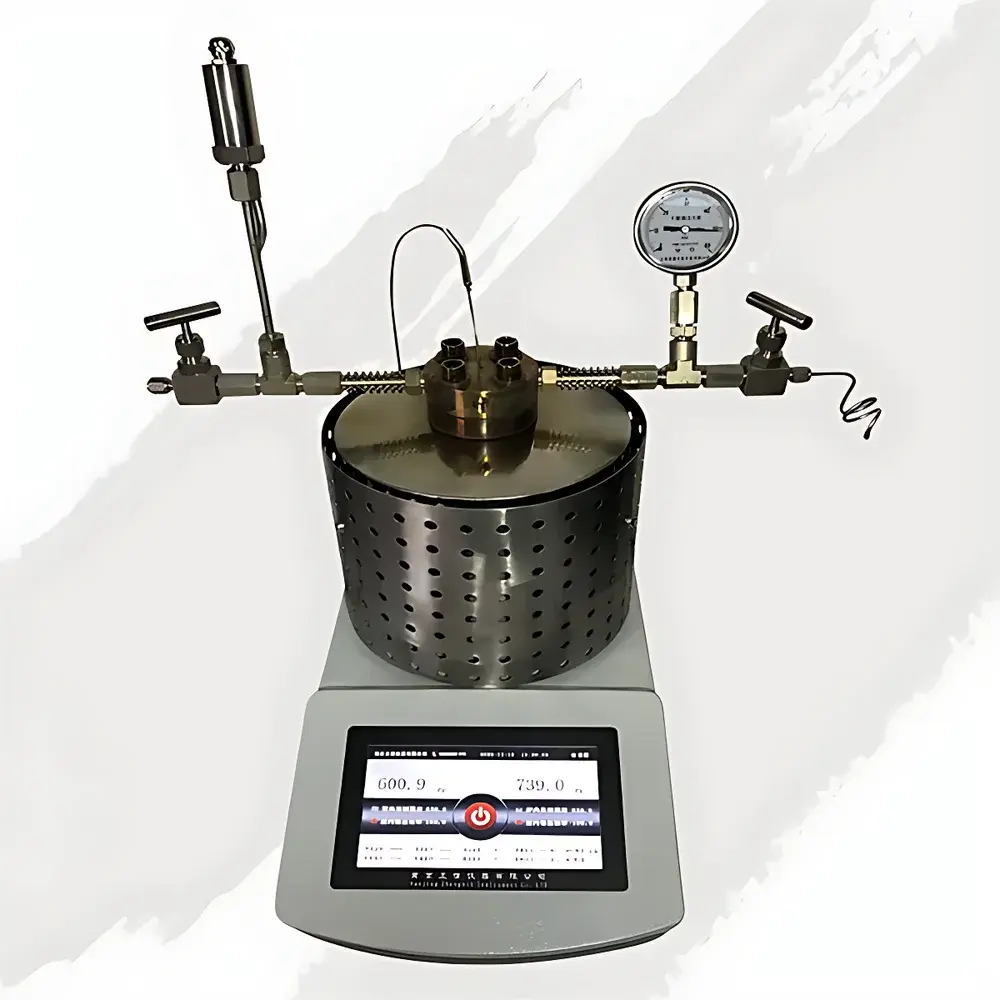
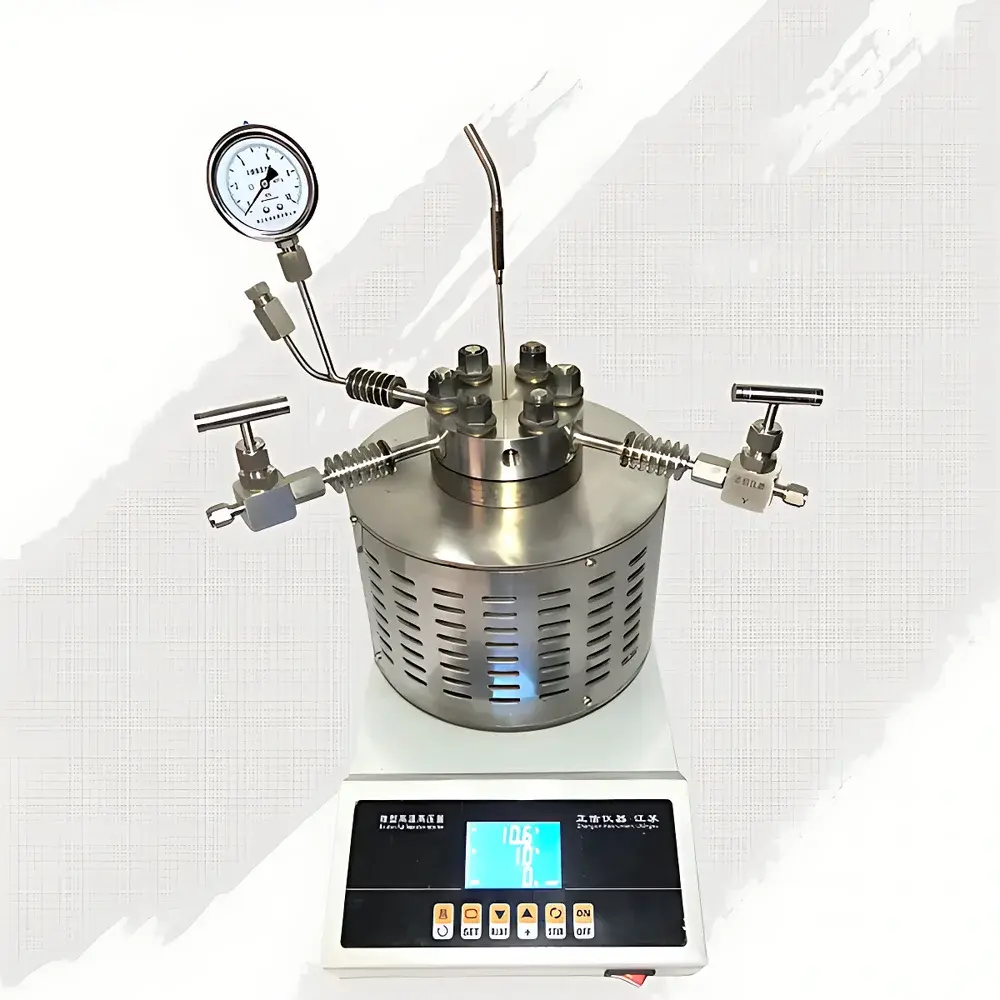
ZxYiqi PSA-100ML Ultra-High-Temperature & High-Pressure Batch Reactor (up to 900 °C / 70 MPa)
| Brand | ZxYiqi |
|---|---|
| Origin | Jiangsu, China |
| Model | PSA-100ML |
| Working Volume | 100 mL |
| Construction Material | Stainless Steel (304/316L configurable) |
| Max Operating Temperature | 900 °C |
| Max Operating Pressure | 70 MPa |
| Vacuum Capability | –0.1 MPa |
| Heating Method | Integrated Modular Electric Heater |
| Temperature Control | LCD PID Controller with Auto-Tuning (AT) and 30-Stage Programmable Ramp/Soak |
| Temp Accuracy | ±1 °C (optional ±0.1 °C) |
| Heating Rate | ≤10 °C/min (adjustable) |
| Safety System | Burst-Disk + Spring-Loaded Pressure Relief Valve |
| Cooling Option | External Jacket or Internal Cooling Tube (optional) |
| Gas Inlet/Outlet | 3 mm (1/8″) & 6 mm (1/4″) SS VCR/Capillary Needle Valves |
| Pressure Monitoring | Stainless Steel Bourdon Tube Gauge |
| Thermal Management | Aluminum Finned Heat Dissipation Assembly |
Overview
The ZxYiqi PSA-100ML is a benchtop batch-type high-temperature, high-pressure reactor engineered for controlled synthesis, catalytic testing, hydrothermal crystallization, supercritical fluid reactions, and material stability studies under extreme thermodynamic conditions. It operates on the principle of sealed-vessel isochoric reaction kinetics, where precise thermal and pressure boundary conditions are maintained within a rigid, hermetically sealed chamber. Designed for laboratory-scale process development and fundamental kinetic investigation, the reactor supports continuous operation from full vacuum (–0.1 MPa) up to 70 MPa at temperatures ranging from ambient to 900 °C—enabling experiments in domains such as geochemical simulation, advanced ceramic precursor decomposition, hydrogenation under syngas conditions, and molten-salt electrochemistry. Its modular architecture separates the heating module from the pressure vessel body, facilitating rapid cleaning, sample recovery, and cross-contamination mitigation—critical for iterative catalyst screening or multi-step sequential reactions.
Key Features
- Interchangeable reactor lining options—including quartz, stainless steel 304/316L, Hastelloy C-276, titanium, and zirconium—to ensure chemical compatibility with aggressive media (e.g., HF, molten alkalis, halogenated organics, or supercritical CO₂).
- Fixed-position modular electric heating system with uniform thermal distribution and long-term stability; external stainless steel housing provides structural rigidity, IP54-rated moisture resistance, and mechanical durability.
- LCD-based PID temperature controller with auto-tuning (AT), real-time ramp/soak programming (up to 30 segments), timer function, and reversible agitation support (when equipped with optional magnetic stirrer).
- K-type thermocouple embedded directly in the reactor wall for direct wall-temperature feedback, complemented by optional internal probe for bulk-phase measurement.
- Quick-disconnect design: heater cartridge and reactor body are fully separable via standardized flange interface—reducing downtime between runs and simplifying maintenance.
- Dual high-integrity needle valves (inlet and outlet) with VCR-style 1/8″ and 1/4″ capillary connections, rated for continuous service at ≥900 °C and 70 MPa; configured for vacuum evacuation, inert gas purging, reagent dosing, and controlled venting.
- Mechanically redundant safety system comprising a calibrated rupture disk and spring-loaded pressure relief valve, both independently certified per ASME BPVC Section VIII Div. 1 requirements.
- Passive finned aluminum heat sink assembly mounted on the upper flange to manage radiant heat flux and stabilize electronics during prolonged high-temperature operation.
Sample Compatibility & Compliance
The PSA-100ML accommodates solid, liquid, slurry, and gaseous reactants—including corrosive, pyrophoric, and volatile species—through its chemically graded lining options and leak-tight sealing architecture (metal-to-metal or graphite gasket interfaces). It conforms to ISO 4775 (pressure equipment terminology), EN 13445-3 (unfired pressure vessels), and supports GLP-compliant experimental workflows when operated with traceable calibration records and audit-ready log files. Optional pressure transducer integration enables data acquisition compliant with FDA 21 CFR Part 11 requirements for electronic records and signatures.
Software & Data Management
While the base unit features standalone PID control, optional USB/RS485 connectivity allows integration with third-party SCADA platforms (e.g., LabVIEW, MATLAB, or custom Python-based DAQ systems). Temperature and pressure logs can be timestamped and exported in CSV format. The controller firmware supports user-defined alarm thresholds, event-triggered data capture, and password-protected parameter locking—essential for shared-core facility environments and regulatory audits.
Applications
- Hydrothermal synthesis of metal oxides, MOFs, and quantum dot precursors
- Catalytic performance evaluation under simulated refinery or fuel-cell operating conditions
- Thermal decomposition kinetics of energetic materials and battery cathode precursors
- Supercritical water oxidation (SCWO) of organic waste streams
- High-pressure phase transformation studies in metallurgy and geoscience
- Accelerated aging tests for polymer composites and sealant materials
- Small-volume solvent-free condensation reactions requiring precise stoichiometric control
FAQ
What is the maximum recommended operating temperature for continuous use?
Continuous operation is rated to 900 °C using the standard 316L stainless steel body; extended exposure above 800 °C requires optional high-temperature insulation and periodic verification of gasket integrity.
Can the reactor be used under vacuum prior to pressurization?
Yes—the integrated vacuum-rated needle valves and –0.1 MPa capability enable full system evacuation, inert gas purging, and controlled backfilling protocols.
Is customization available for non-standard volumes or geometries?
ZxYiqi accepts OEM engineering requests, including custom internal diameters, port configurations, sight windows, sampling quills, and bespoke lining materials—subject to ASME code review and pressure boundary validation.
How is temperature uniformity verified across the reaction zone?
Uniformity is validated per ASTM E220 using multiple calibrated thermocouples positioned radially and axially; typical deviation is ≤±3 °C over the central 70% volume at 900 °C steady state.
Does the system include documentation for quality assurance and traceability?
Each unit ships with a Factory Acceptance Test (FAT) report, material certification (EN 10204 3.1), pressure test record, and calibration certificate for the primary temperature sensor and pressure gauge.



