
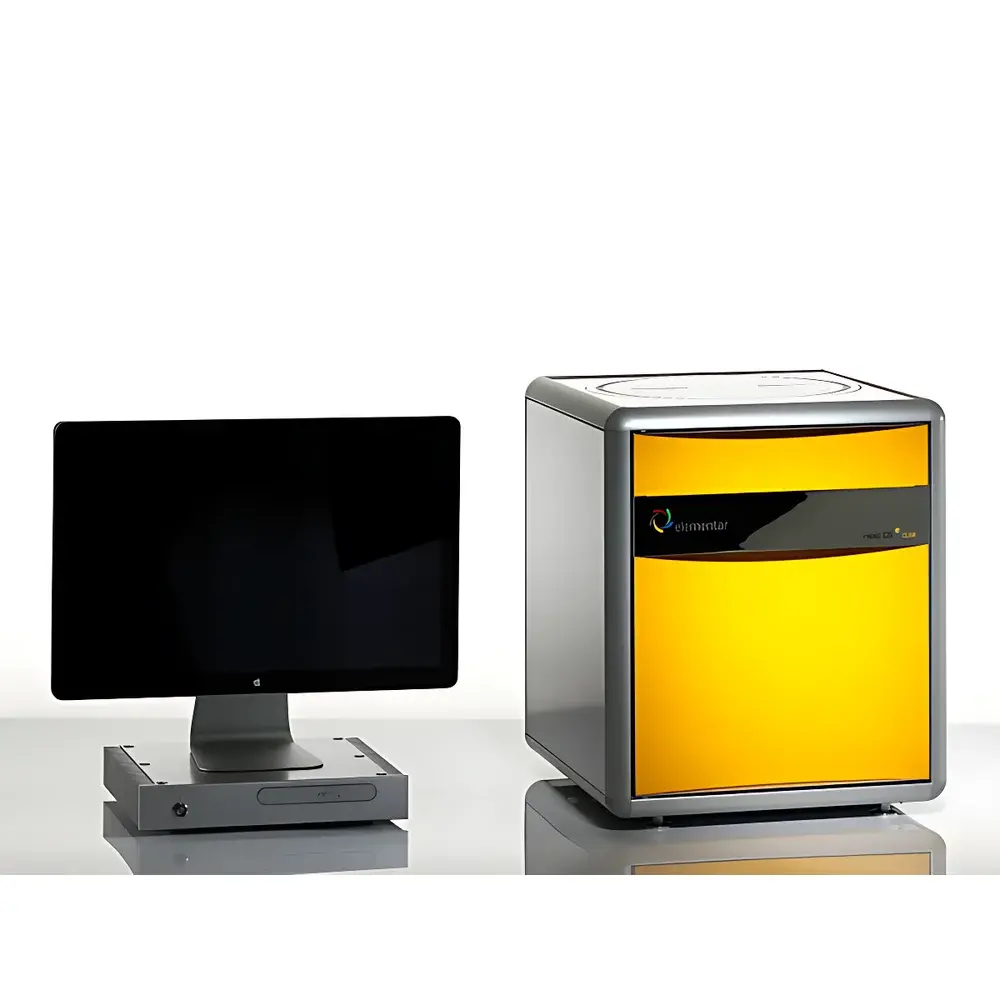
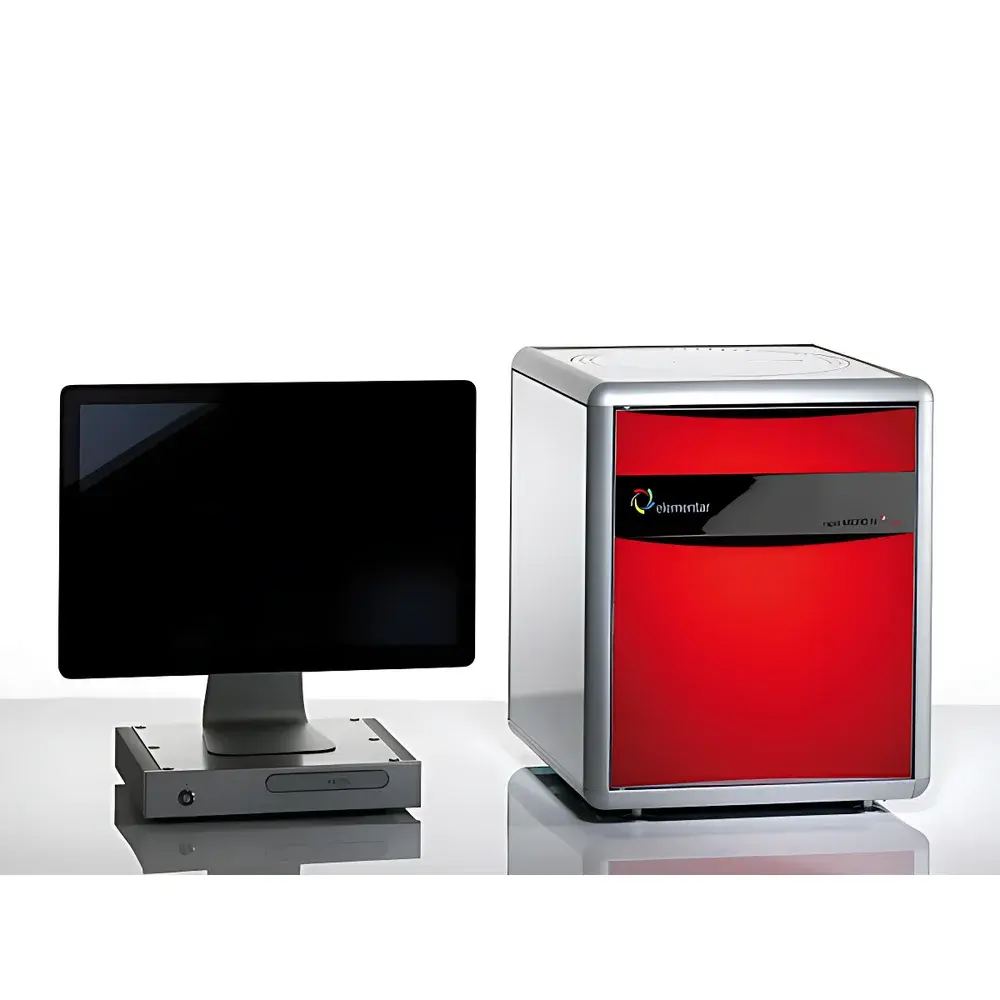
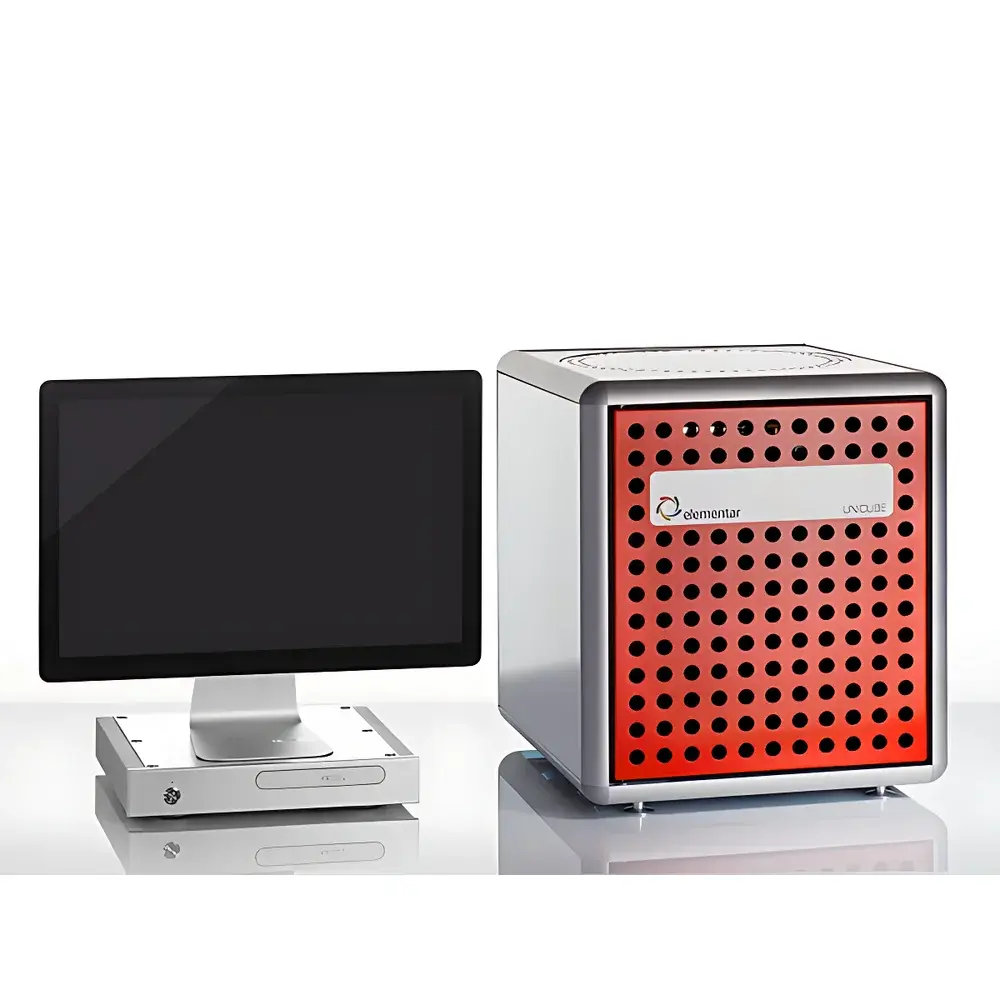
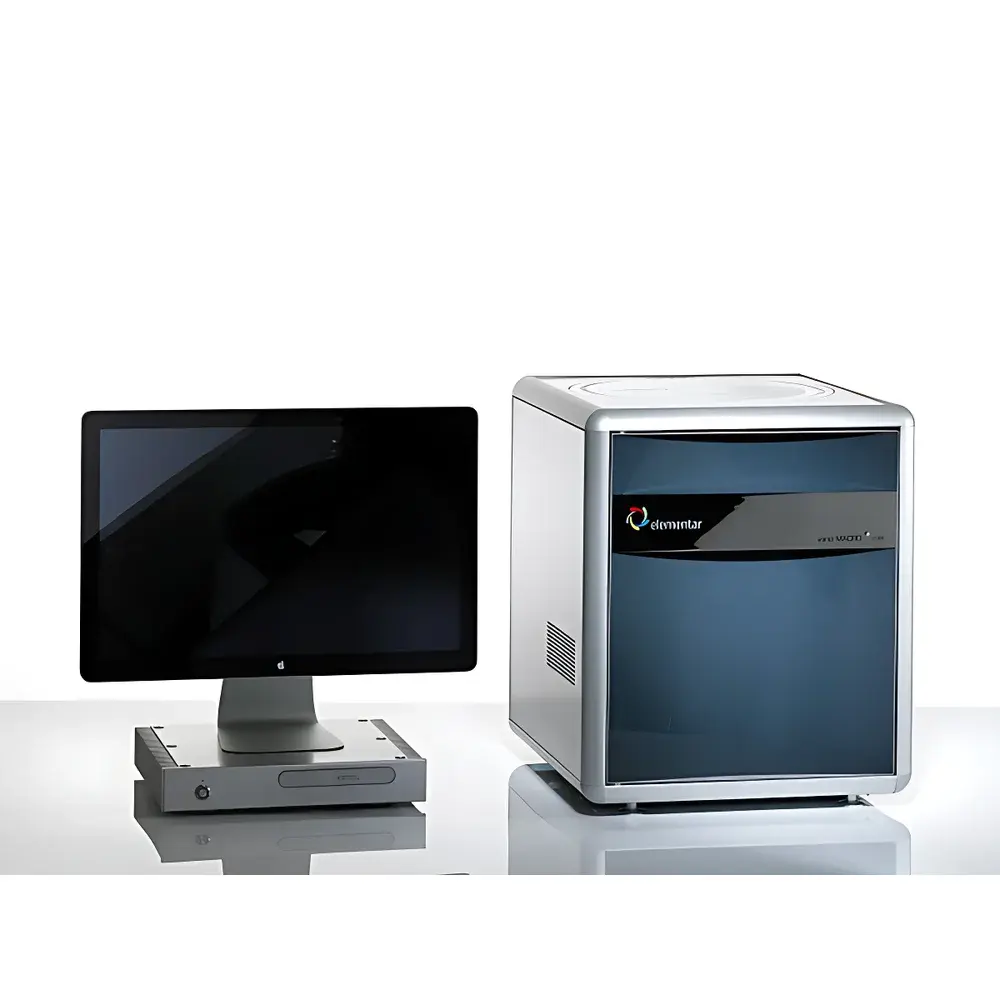
Elementar vario Series Organic CSONH Elemental Analyzer
| Origin | Germany |
|---|---|
| Manufacturer | Elementar Analysensysteme GmbH |
| Type | vario Series |
| Compliance | ASTM D5373, ISO 10694, USP <28>, EPA Method 405.1, EN 15148 |
| Detection Range | C/H/N/S/O/Cl |
| Sample Mass | 0.1 mg – 800 mg |
| Combustion Temperature | up to 1200 °C (1800 °C peak with tin foil) |
| Gas Supply | He or Ar carrier gas, O₂ for combustion |
| Data System | Windows-based software with audit trail, 21 CFR Part 11 optional |
Overview
The Elementar vario Series Organic CSONH Elemental Analyzer is a high-precision, modular combustion-based instrument engineered for quantitative determination of carbon (C), hydrogen (H), nitrogen (N), sulfur (S), oxygen (O), and chlorine (Cl) in organic and selected inorganic matrices. Built upon over 110 years of elemental analysis heritage—originating from the Heraeus analytical instrumentation division—the vario platform employs flash combustion at controlled high temperatures (up to 1200 °C, with transient peaks reaching 1800 °C using tin foil encapsulation), followed by gas-phase separation via programmed temperature desorption (TPD) chromatography and selective detection using thermal conductivity (TCD), infrared (IR), or electrochemical sensors. This architecture ensures stoichiometric oxidation, complete analyte conversion, and baseline-resolved quantification without matrix-induced bias. The system operates under inert carrier gas (helium or argon) and uses pulsed oxygen injection directly at the sample zone to ensure localized oxidative completeness while minimizing total gas consumption. Designed for unattended 24/7 operation in regulated environments, the vario Series meets core requirements for GLP, GMP, and ISO/IEC 17025-compliant laboratories.
Key Features
- Modular configuration supporting CHNS, CNS, CHN, CN, O, and Cl analysis in a single platform—upgradable via hardware/software kits (e.g., O₂ module for oxygen, Cl cell for chlorine, S upgrade for trace sulfur)
- Ultra-broad dynamic sample mass range: 0.1 mg (pharmaceuticals) to 800 mg (soils, coal, sludge) with consistent accuracy and precision across orders of magnitude
- Dual-stage combustion furnace with 10-year warranty on heating elements; certified for >100,000 analyses under routine use
- TPD column technology enabling complete separation of CO₂, H₂O, N₂, SO₂, CO, and HCl—eliminating co-elution artifacts and ensuring robust peak integration
- Integrated 120-position autosampler with optional 21 CFR Part 11-compliant electronic signature, audit trail, and user access control
- Digital electronics architecture enabling remote diagnostics, firmware updates, and real-time performance monitoring via standard Ethernet
- No consumable catalysts required; combustion tubes cleaned in situ via automated thermal regeneration; all critical components designed for >5-year service life
Sample Compatibility & Compliance
The vario Series accommodates diverse physical forms—including powders, pellets, liquids (via VLS liquid autosampler or sealed tin capsules), gases (manual septum-free injection), and heterogeneous solids (e.g., soils, sediments, polymers, fuels, biomass, pharmaceuticals, and foodstuffs). Its non-matrix-dependent methodology complies with ASTM D5373 (coal and coke), ISO 10694 (soil organic carbon), EN 15148 (solid recovered fuels), USP <28> (elemental impurities in drug substances), and EPA Method 405.1 (total sulfur in petroleum products). Oxygen analysis utilizes high-temperature pyrolysis at 1150 °C to convert bound oxygen to CO, detected via TCD or IR; chlorine quantification relies on HCl generation at 1150 °C and electrochemical sensing. All configurations support IQ/OQ/PQ documentation packages aligned with FDA and EMA validation expectations.
Software & Data Management
Control and data acquisition are managed through Elementar’s proprietary UNICORN-based software suite, running on standard Windows OS platforms. The interface supports method-driven workflows, multi-point calibration with drift correction, automatic retention time alignment, and integrated uncertainty estimation per ICH Q2(R2). Raw chromatograms, calibration curves, and sample reports are stored in encrypted, timestamped databases with full revision history. Optional 21 CFR Part 11 compliance includes electronic signatures, role-based permissions, biometric login support, and immutable audit trails for all data modifications, instrument parameter changes, and user logins. Data export formats include CSV, PDF/A-2, and XML for LIMS integration.
Applications
The vario Series serves as a reference-grade solution across academic research, contract testing labs, and industrial QA/QC departments. Key use cases include: quantification of total organic carbon (TOC) and nitrogen in environmental samples per ISO 10693; protein content determination in feed and food via Dumas combustion; sulfur speciation in fossil fuels and lubricants; oxygen content verification in explosives and pharmaceutical excipients; chlorine screening in recycled plastics per RoHS/REACH; and impurity profiling in active pharmaceutical ingredients (APIs) under ICH Q3D guidelines. Its ability to analyze volatile compounds (e.g., gasoline), refractory materials (e.g., SiC), and thermally labile biomolecules without derivatization makes it uniquely suited for cross-sectoral method harmonization.
FAQ
What sample preparation methods are supported?
Solid samples may be weighed directly into tin or silver capsules; liquids can be injected via VLS autosampler or encapsulated manually; gases require septum-free syringe injection. Soil and sludge samples benefit from air-removal using the supplied sample compactor.
Is helium the only carrier gas option?
Helium is standard for optimal resolution and sensitivity; argon is a validated alternative for cost-sensitive or supply-constrained operations.
Can the same instrument perform both CHNS and oxygen analysis?
Yes—oxygen analysis requires installation of the rapid OXY cube module, including high-temperature pyrolysis furnace and CO-specific detector; this is a field-upgradable hardware/software package.
How often does calibration need verification?
Multi-point calibration remains stable for ≥90 days under routine use; daily system suitability checks (SSC) with certified reference materials (e.g., sulfanilamide, EDTA, benzoic acid) are recommended per ISO/IEC 17025.
Does the system support unattended overnight operation?
Yes—integrated autosampler, thermal management, gas monitoring, and software watchdog functions enable continuous 24/7 operation with automated shutdown on fault detection.




