
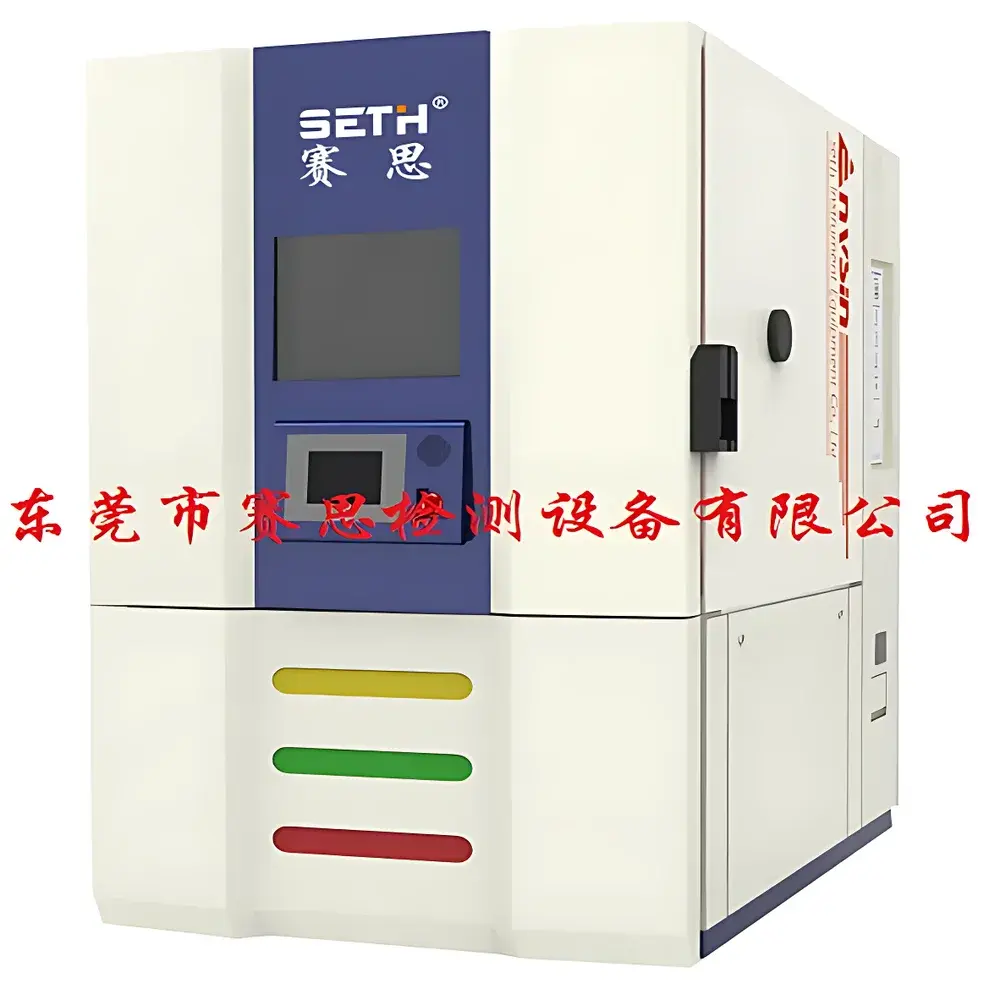
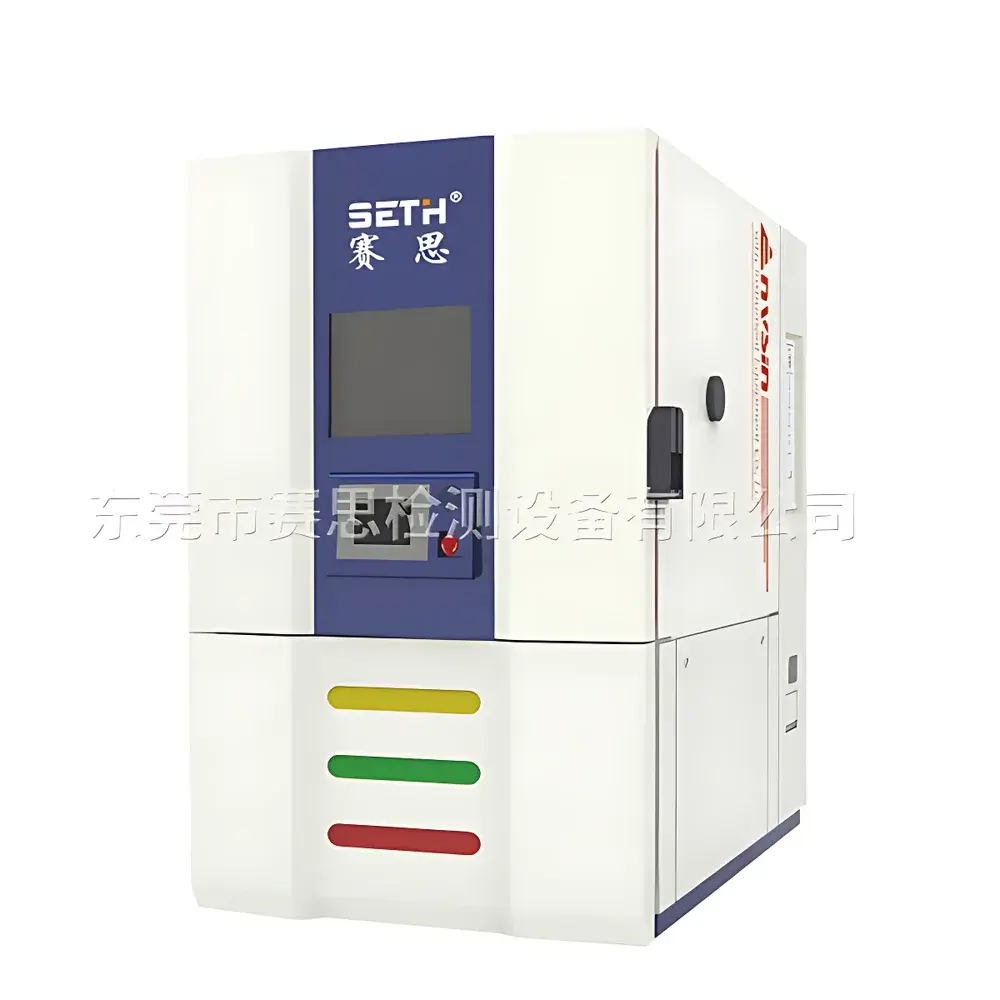
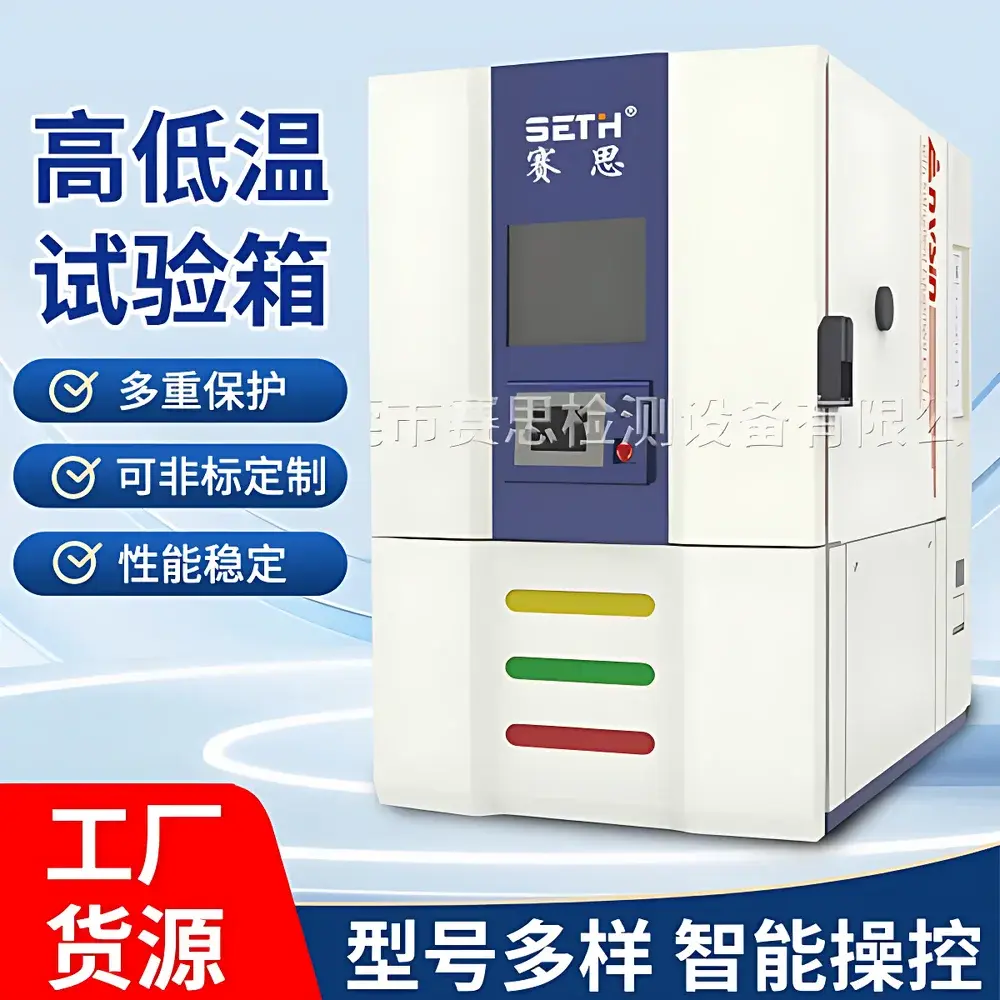
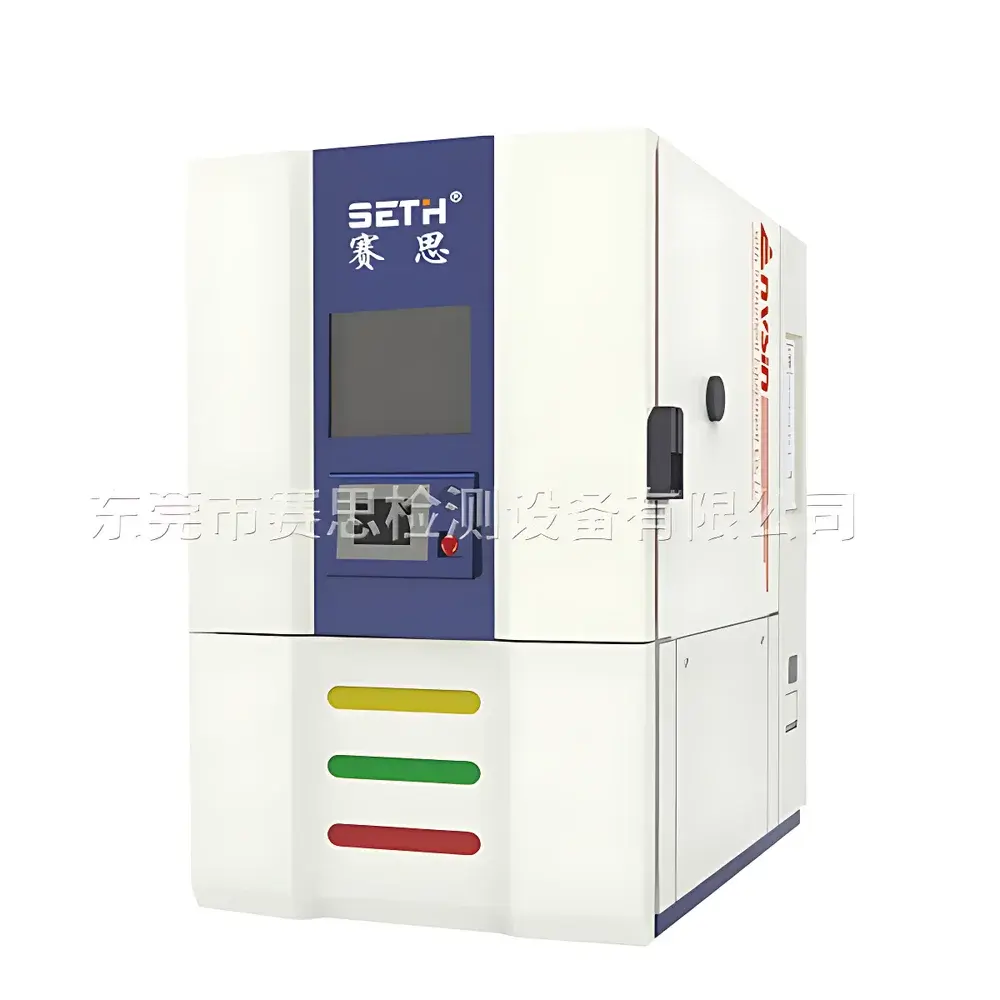
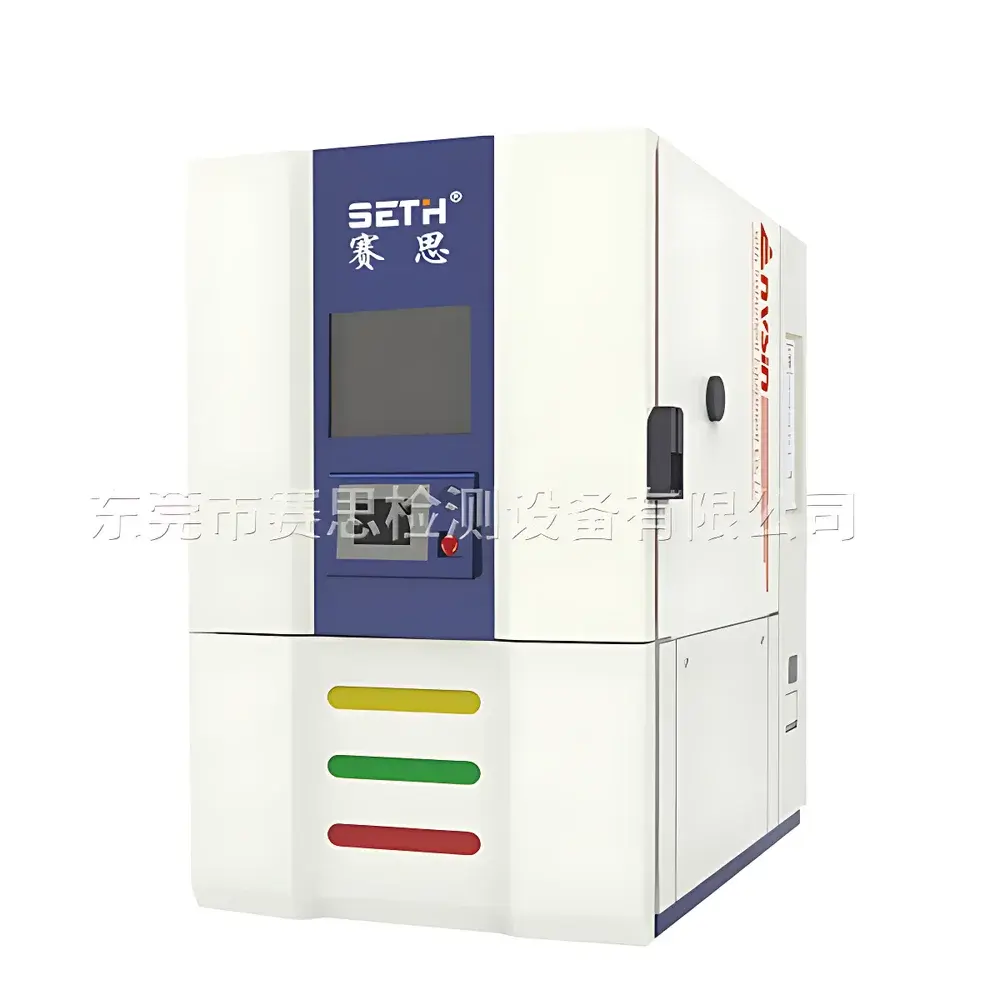
SETH SD-225 Low Temperature Environmental Test Chamber
| Brand | SETH |
|---|---|
| Origin | Guangdong, China |
| Manufacturer Type | Direct Manufacturer |
| Product Category | Domestic |
| Model | SD-225 |
| Temperature Range | -70 °C to +150 °C |
| Temperature Fluctuation & Uniformity | ≤ ±2 °C |
| Cooling Rate | 0.7–1 °C/min |
| Heating Rate | 1–3 °C/min |
| Temperature Control Accuracy | ±0.1 °C |
Overview
The SETH SD-225 Low Temperature Environmental Test Chamber is a precision-engineered climatic simulation system designed for rigorous thermal stress evaluation of materials, components, and finished products under controlled sub-zero and elevated temperature conditions. Based on forced-air convection thermoregulation with dual-stage refrigeration architecture, the chamber delivers stable, reproducible thermal profiles across its full operating range of –70 °C to +150 °C. Its core function is to replicate real-world low-temperature exposure scenarios—such as aerospace cold-soak cycles, automotive winter performance validation, or electronic component reliability screening—enabling quantitative assessment of dimensional stability, mechanical integrity, electrical continuity, and functional resilience following thermal shock or prolonged cold storage. The unit complies with fundamental environmental test standards including GB/T 2423.1–2001 (equivalent to IEC 60068-2-1), GB 10589, GB 10592–89, and GJB 150.4, ensuring data traceability and methodological alignment with international qualification protocols.
Key Features
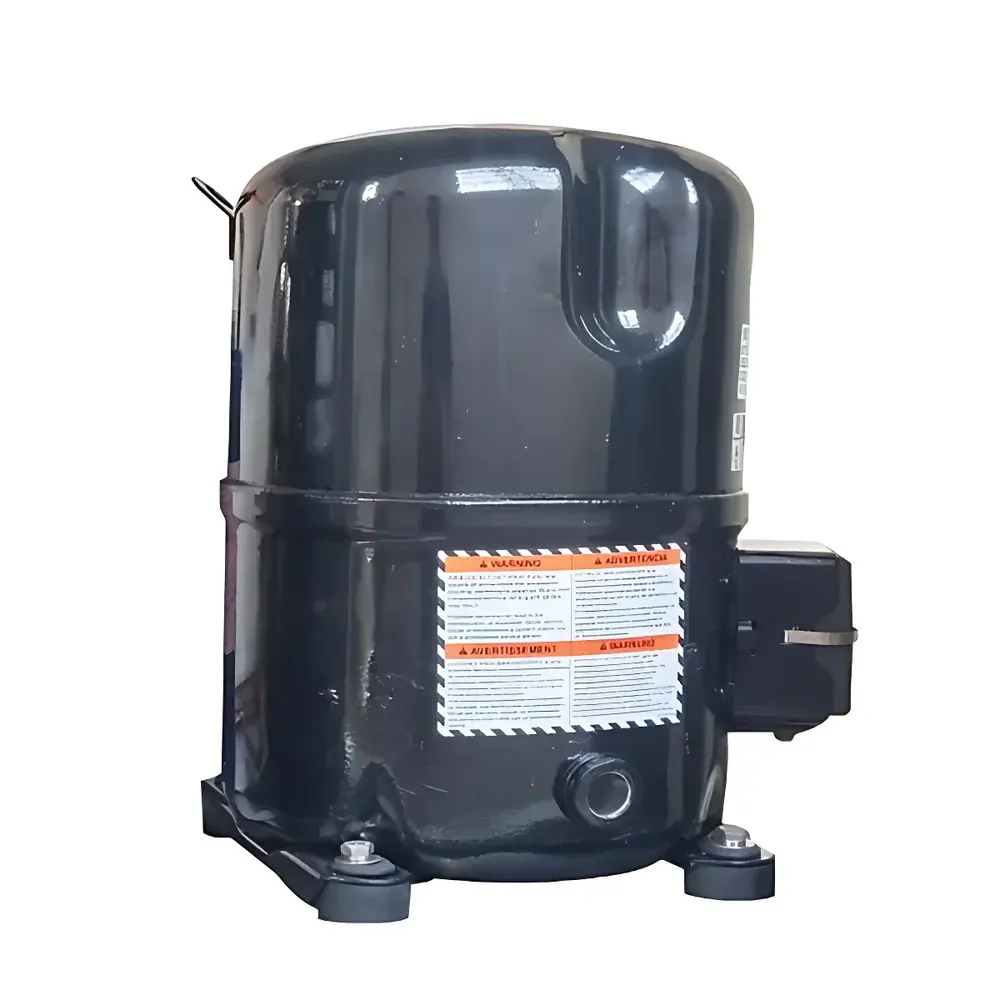
- Advanced PWM-controlled refrigeration system utilizing R404A/R23 cascade compression, engineered for energy-efficient operation at ultra-low temperatures without sacrificing thermal response fidelity.
- High-stability microprocessor-based controller with 7-inch color TFT touchscreen interface supporting bilingual (English/Chinese) operation, programmable ramp-hold profiles, and real-time logging of setpoint, actual temperature, and deviation.
- Dual-layer insulated chamber construction: outer shell of phosphated and electrostatically painted carbon steel; inner chamber of mirror-finish SUS304 stainless steel; insulation composed of high-density polyurethane foam (≥100 mm thickness) combined with ultra-fine glass fiber for minimized thermal leakage.
- Intelligent anti-condensation management logic prevents moisture accumulation on test specimens during low-temperature soak phases, mitigating surface frosting and measurement artifacts in hygroscopic or optically sensitive samples.
- Comprehensive safety architecture including over-temperature cut-off, compressor high-pressure protection, motor overheat detection, phase failure monitoring, and earth-leakage circuit interruption—all with audible/visual alarm and automatic system shutdown.
- Standard RS232 serial port and USB host interface for data export, remote parameter adjustment, and integration into centralized lab management systems; optional Ethernet/Wi-Fi module available for cloud-based monitoring and alarm notification via SMS/email.
Sample Compatibility & Compliance
The SD-225 accommodates test specimens up to 50 cm × 60 cm × 75 cm (W×D×H), with internal volume of 225 L and maximum load capacity optimized for thermal mass up to 30 kg without compromising uniformity. It supports standardized test fixtures—including two adjustable stainless-steel sample racks and a configurable 25/50/100 mm cable port—and maintains ≤ ±2 °C spatial uniformity across the working zone per GB/T 2423.1–2001 Annex B requirements. All thermal control algorithms, sensor calibration routines, and alarm thresholds are documented per ISO/IEC 17025-aligned quality records. While not pre-certified for FDA 21 CFR Part 11, the system’s audit trail functionality (via optional software package) supports GLP/GMP-compliant validation when deployed in regulated QC environments.
Software & Data Management
The embedded controller logs timestamped temperature data at user-selectable intervals (1–60 s), storing up to 100 test programs and 10,000 hours of historical readings internally. Exported CSV files retain full metadata (operator ID, program name, cycle count, ambient QT reference). Optional PC-based SETH-TestSuite software enables advanced analysis: deviation mapping, statistical process control (SPC) charting, comparative cycle overlay, and automated report generation compliant with ASTM E145–22 Annex A3 reporting conventions. All firmware updates are digitally signed and version-tracked; configuration backups support rapid recovery during facility revalidation.
Applications
- Aerospace: Cold-start verification of avionics modules, hydraulic actuators, and composite structural joints per MIL-STD-810H Method 502.7.
- Automotive: Validation of battery thermal management systems (BTMS), EV power electronics, and interior trim material embrittlement at –40 °C.
- Electronics: Qualification of PCB solder joint integrity, connector contact resistance, and MEMS sensor drift under sustained low-temperature bias.
- Materials Science: Crystallinity assessment of polymers, phase transition behavior in shape-memory alloys, and cryogenic creep testing of elastomers.
- Quality Assurance: In-process verification of packaging seal integrity, pharmaceutical container closure performance, and medical device sterilization stability.
FAQ
What is the standard temperature uniformity specification for the SD-225 chamber?
Per GB/T 2423.1–2001, the chamber achieves ≤ ±2 °C uniformity across the defined work volume under no-load static conditions.
Does the SD-225 support thermal cycling between –70 °C and +150 °C?
Yes—the chamber is rated for full-range ramp-hold cycling; typical transition time from –70 °C to +150 °C is approximately 180 minutes, dependent on load mass and thermal inertia.
Is third-party calibration documentation provided with delivery?
Each unit ships with a factory calibration certificate traceable to NIM (National Institute of Metrology, China); ISO/IEC 17025-accredited field calibration services are available upon request.
Can the SD-225 be integrated into an existing LIMS or MES platform?
Via RS232 or optional Ethernet module, the chamber supports Modbus RTU/TCP protocol for bidirectional communication with laboratory information management systems.
What maintenance schedule is recommended for long-term operational reliability?
Biannual inspection of refrigerant charge, condenser coil cleaning, door gasket integrity check, and controller firmware verification is advised; full preventive maintenance service is offered annually by SETH-certified engineers.
Related Products



