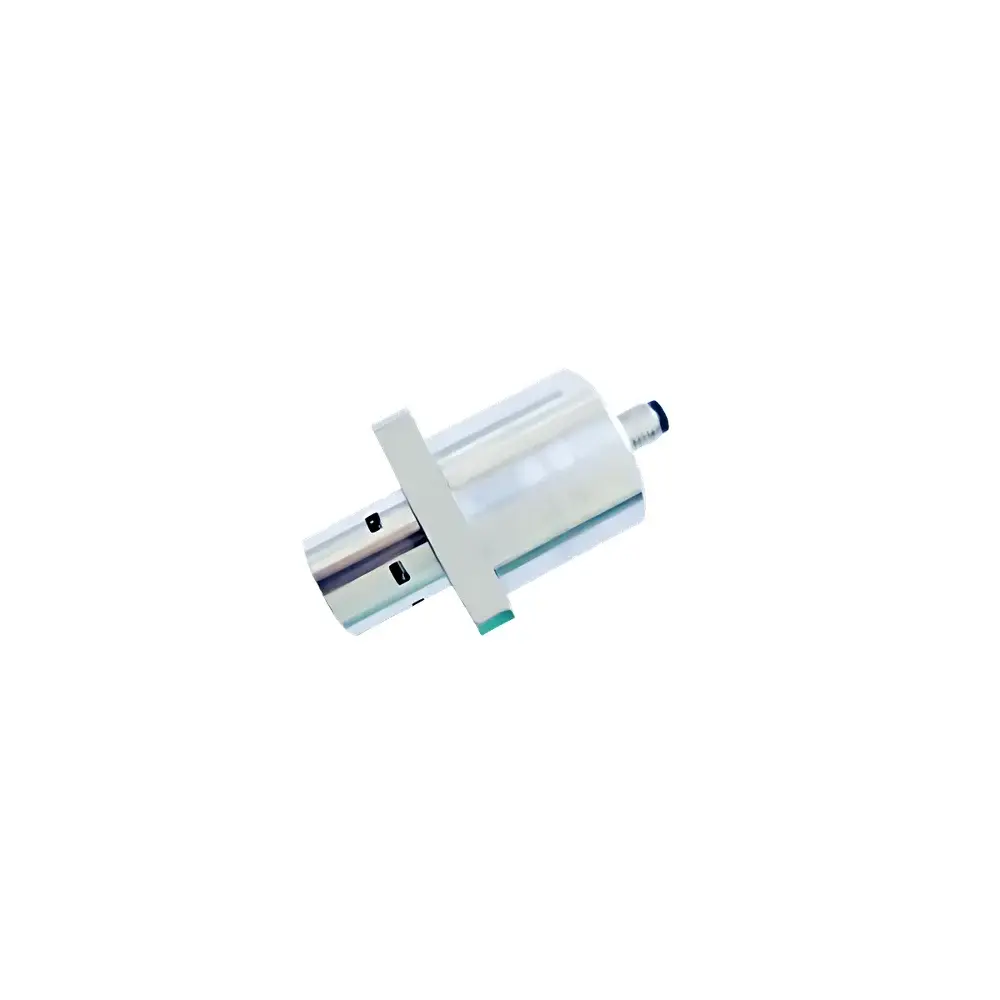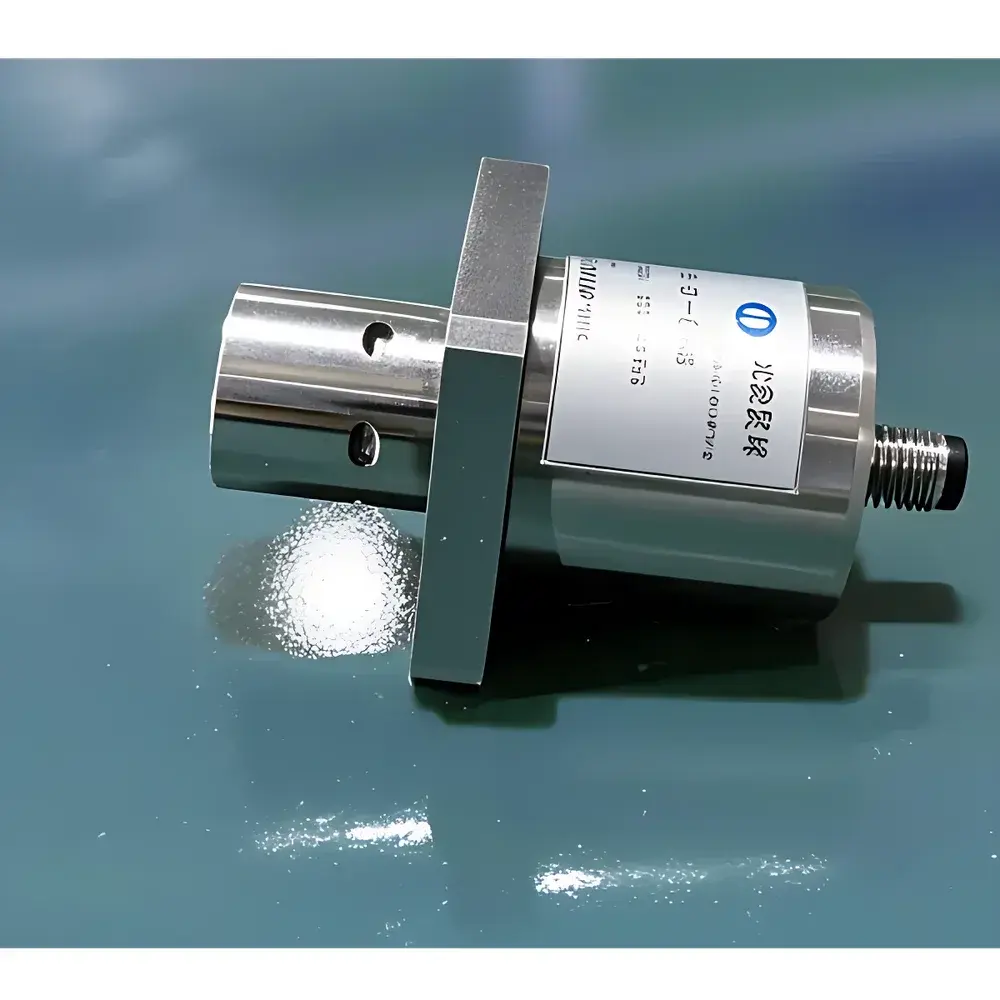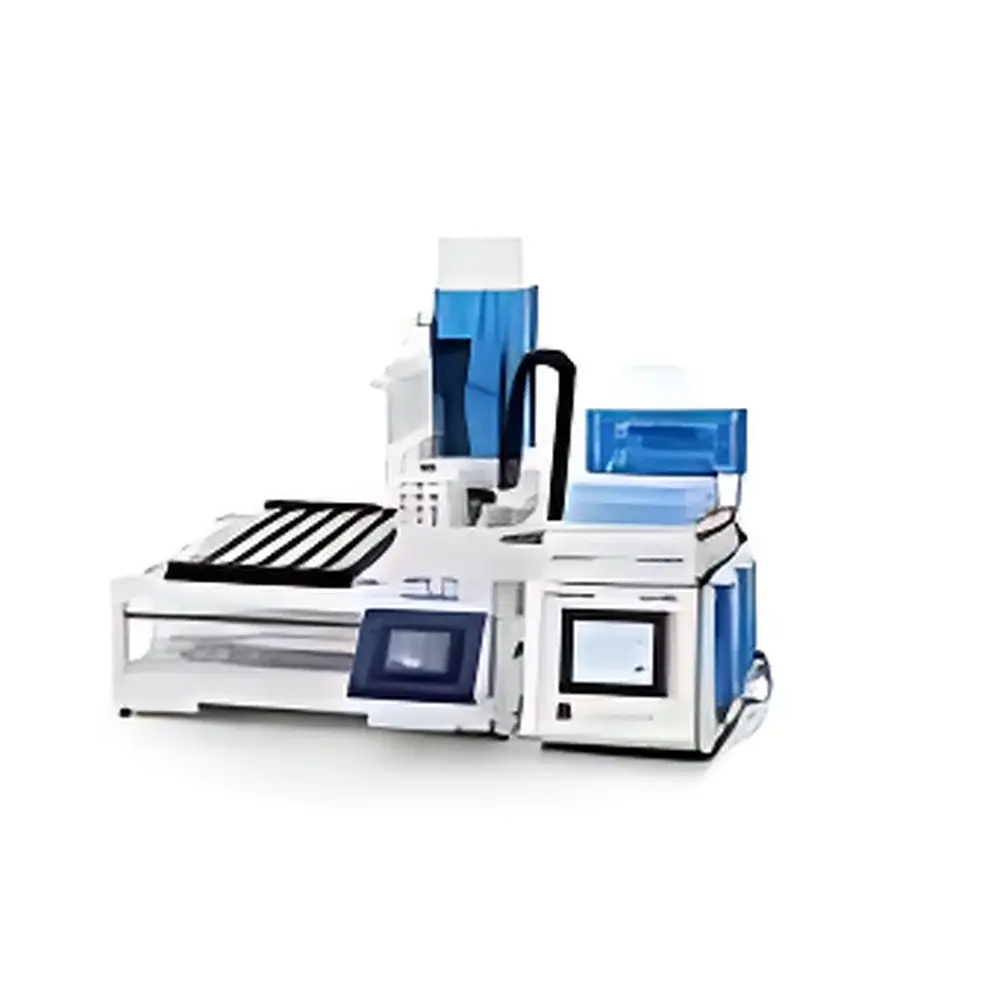
LOGAN SYSTEM ADR III-7 Automated Reciprocating Cylinder & Reciprocating Holder Dissolution Tester
| Brand | LOGAN |
|---|---|
| Origin | USA |
| Model | SYSTEM ADR III-7 |
| Instrument Type | Online Dissolution Testing System |
| Dissolution Vessels | 8 vessels per rack × 6 racks (48 total) or 12 vessels per rack × 12 racks (144 total) |
| Temperature Range | 20–60 °C |
| Temperature Accuracy | ±0.1 °C |
| Water Bath Temperature Range | Ambient to 45 °C |
| Water Bath Temperature Resolution | 0.1 °C |
| Water Bath Volume | 28 L |
| Compliance | USP <711>, <724>, <725>, EP 2.9.3, JP 17 |
| Data Integrity | 21 CFR Part 11-compliant audit trail, role-based user access control, electronic signatures |
Overview
The LOGAN SYSTEM ADR III-7 is an automated, modular dissolution testing platform engineered for rigorous pharmaceutical development and quality control laboratories requiring full compliance with USP Chapters (Dissolution), (Release of Drug Substances and Products), and (Reciprocating Cylinder Method), as well as European Pharmacopoeia (EP 2.9.3) and Japanese Pharmacopoeia (JP 17) standards. Unlike conventional paddle or basket apparatuses, the ADR III-7 implements two distinct hydrodynamic models—USP Apparatus 3 (Reciprocating Cylinder) and USP Apparatus 7 (Reciprocating Holder)—within a single integrated architecture. This dual-method capability enables physiologically relevant simulation of drug release from complex dosage forms including enteric-coated tablets, extended-release pellets, transdermal patches, implantable devices (e.g., drug-eluting stents), and intravascular balloon catheters. The system’s core architecture features precision-motorized reciprocating motion control, temperature-stabilized water bath immersion, and real-time environmental monitoring—all synchronized via a central DSC-800 system controller.
Key Features
- Modular dual-method configuration supporting both USP Apparatus 3 (cylindrical vessels with vertical reciprocation) and USP Apparatus 7 (holder-mounted dosage forms undergoing horizontal reciprocation)
- Scalable vessel capacity: configurable for either 48 vessels (8 per rack × 6 racks) or 144 vessels (12 per rack × 12 racks), enabling high-throughput method development and stability studies
- High-precision temperature regulation: ±0.1 °C accuracy across 20–60 °C operating range; independent water bath (28 L volume) maintains ambient-to-45 °C with 0.1 °C resolution
- Intelligent sample handling: motorized reciprocating rack transport system enables unattended sequential sampling at up to 20 discrete time points per vessel
- Evaporation-suppressing lid design with individual vessel sealing to prevent cross-contamination and solvent loss during prolonged dissolution runs
- Integrated digital imaging subsystem: high-resolution camera array records real-time visual dynamics of dosage form erosion, disintegration, and particle dispersion
- Optional inline analytical interfaces: ADUV (online UV-Vis spectrophotometry), ADLC (online dilution-coupled HPLC), and fiber-optic absorbance probes for continuous concentration monitoring
Sample Compatibility & Compliance
The ADR III-7 accommodates diverse solid and semi-solid dosage forms requiring non-standard hydrodynamic stress profiles. Its reciprocating geometry replicates mechanical shear and fluid boundary layer conditions encountered in gastrointestinal transit (for enteric/extended-release oral products) or localized tissue environments (for implants and transdermal systems). All hardware and firmware components are validated against ICH Q5C, Q5E, and ISO/IEC 17025 requirements for analytical instrument qualification. The system meets pharmacopeial specifications for mechanical calibration (USP mechanical verification), temperature uniformity mapping, and flow profile characterization. Full documentation packages—including Design Qualification (DQ), Installation Qualification (IQ), Operational Qualification (OQ), and Performance Qualification (PQ)—are available upon request.
Software & Data Management
Controlled by the DSC-800 system controller, the ADR III-7 operates under a validated software environment compliant with FDA 21 CFR Part 11 and EU Annex 11. The platform enforces role-based access control (RBAC) with three-tiered user permissions (Operator, Supervisor, Administrator), mandatory electronic signatures for critical actions (e.g., method upload, calibration confirmation, report generation), and immutable audit trails recording timestamped events—including parameter changes, sample injections, alarm triggers, and user logins. All raw data, metadata, and processed results are stored in encrypted, tamper-evident SQLite databases with automatic backup to network drives. Export formats include CSV, PDF/A-2b, and XML for seamless integration with LIMS and electronic lab notebooks (ELN).
Applications
- Development and validation of dissolution methods for pH-dependent and time-dependent release formulations
- Biorelevant dissolution testing simulating gastric, duodenal, and colonic fluid environments
- In vitro–in vivo correlation (IVIVC) modeling for modified-release products
- Stability-indicating release profiling under accelerated and long-term storage conditions
- Comparative dissolution assessment of generic vs. reference listed drugs (RLD)
- Characterization of drug release kinetics from polymeric implants, microneedle arrays, and bioadhesive films
- Regulatory submission support for ANDA, NDA, and MAA dossiers requiring full data traceability
FAQ
Does the SYSTEM ADR III-7 support both USP Apparatus 3 and Apparatus 7 without hardware reconfiguration?
Yes—the system employs interchangeable reciprocating modules and vessel holders, allowing method switching via software command without manual disassembly.
What is the maximum allowable runtime for unattended operation?
The system supports continuous operation for up to 72 hours with scheduled sampling intervals, contingent on reservoir volume and pump calibration.
Can third-party HPLC or UV-Vis systems be interfaced with the ADR III-7?
Yes—standard RS-232, Ethernet TCP/IP, and analog 0–5 V outputs enable bidirectional communication with external analyzers meeting ASTM E1382 and ASTM E1489 protocols.
Is IQ/OQ/PQ documentation included with the system shipment?
A complete qualification package—including protocol templates, acceptance criteria, and executed reports—is provided as part of the standard delivery; site-specific execution requires qualified personnel.
How is temperature uniformity verified across all vessel positions?
The system includes a certified 12-point thermocouple probe kit and automated mapping routine compliant with USP Annex B, generating ISO/IEC 17025-traceable calibration certificates.
Related Products