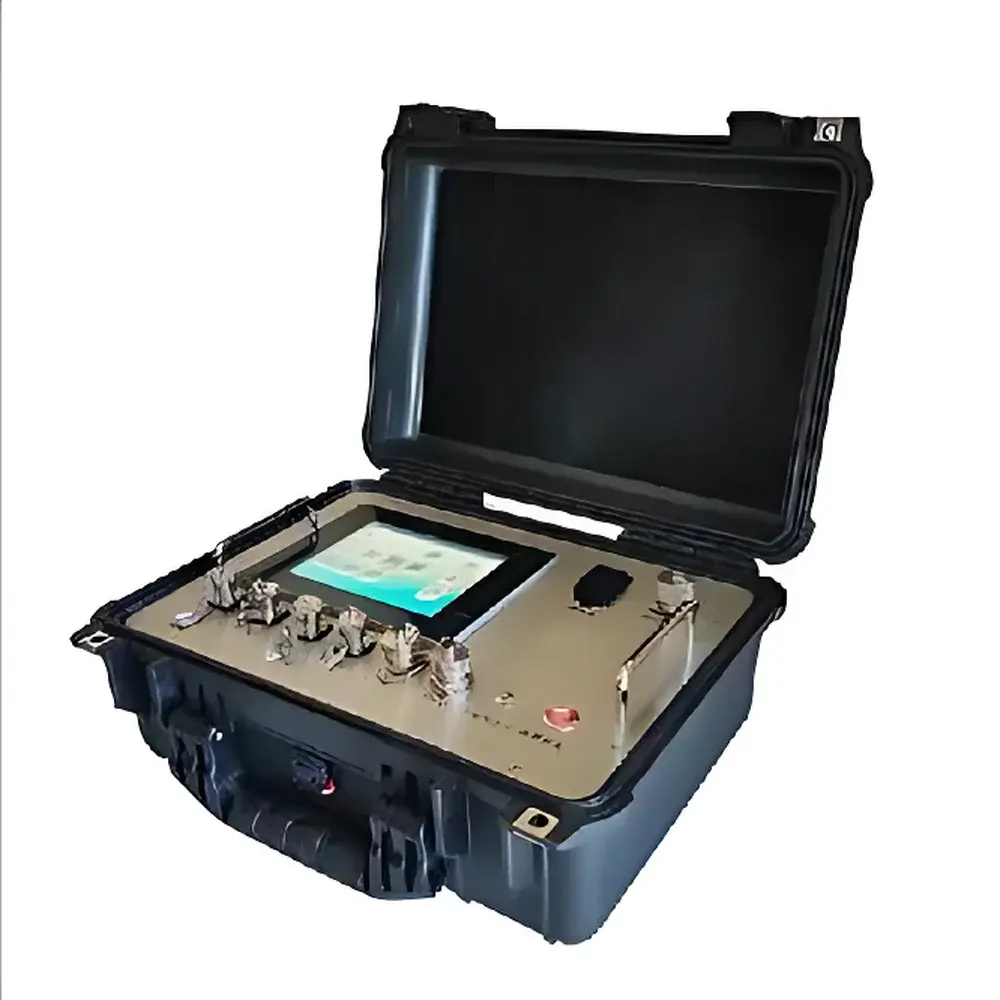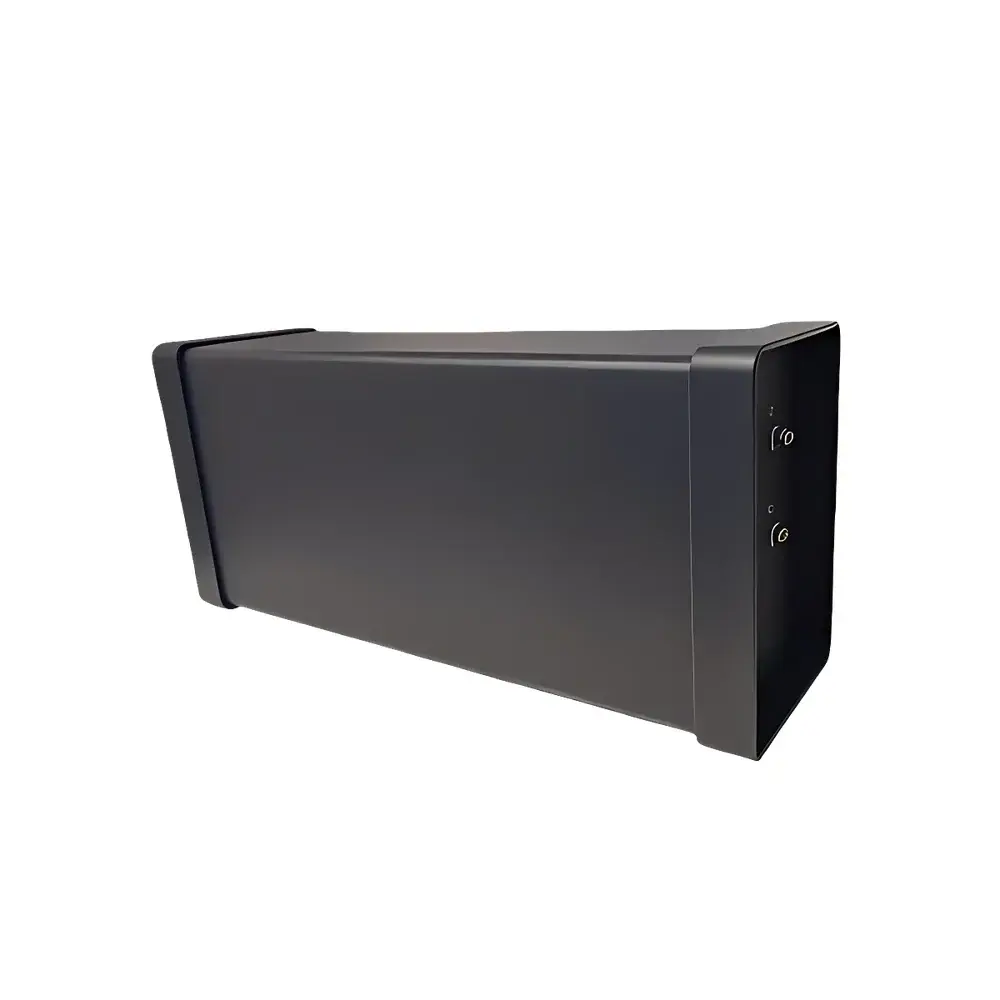
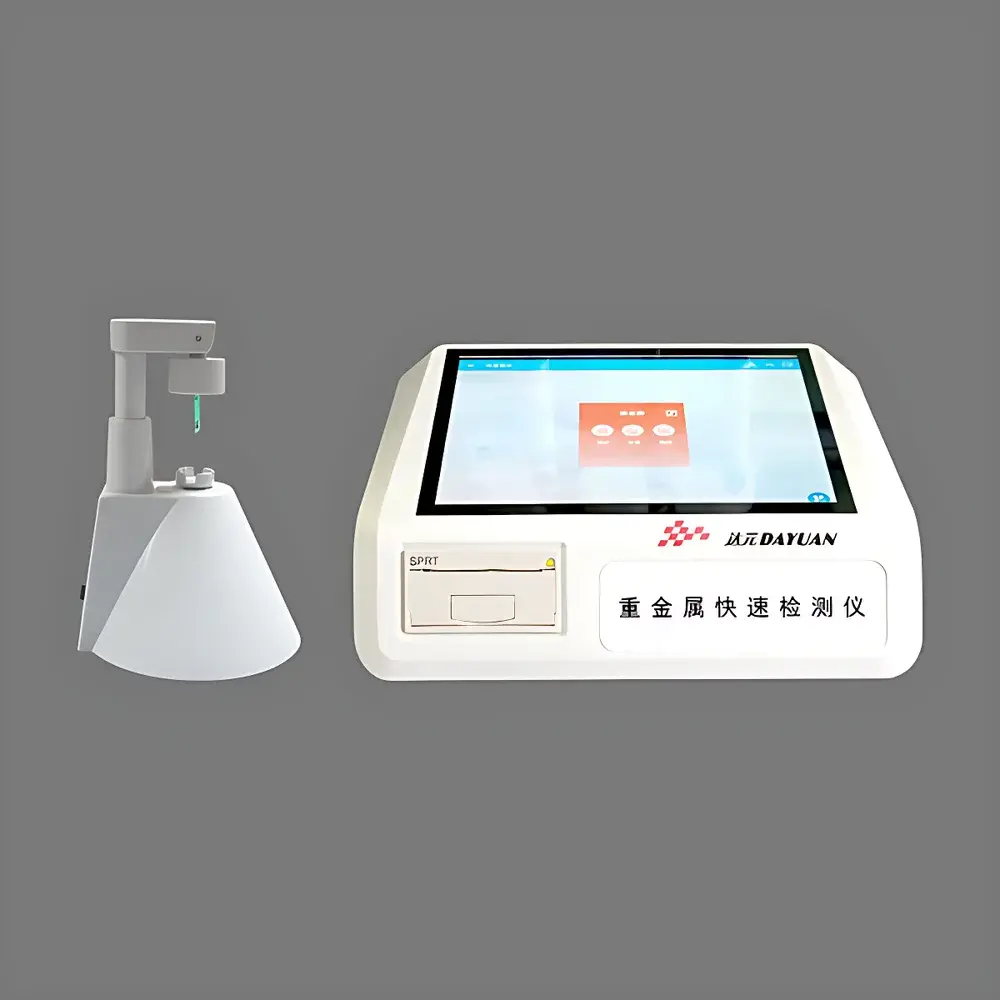
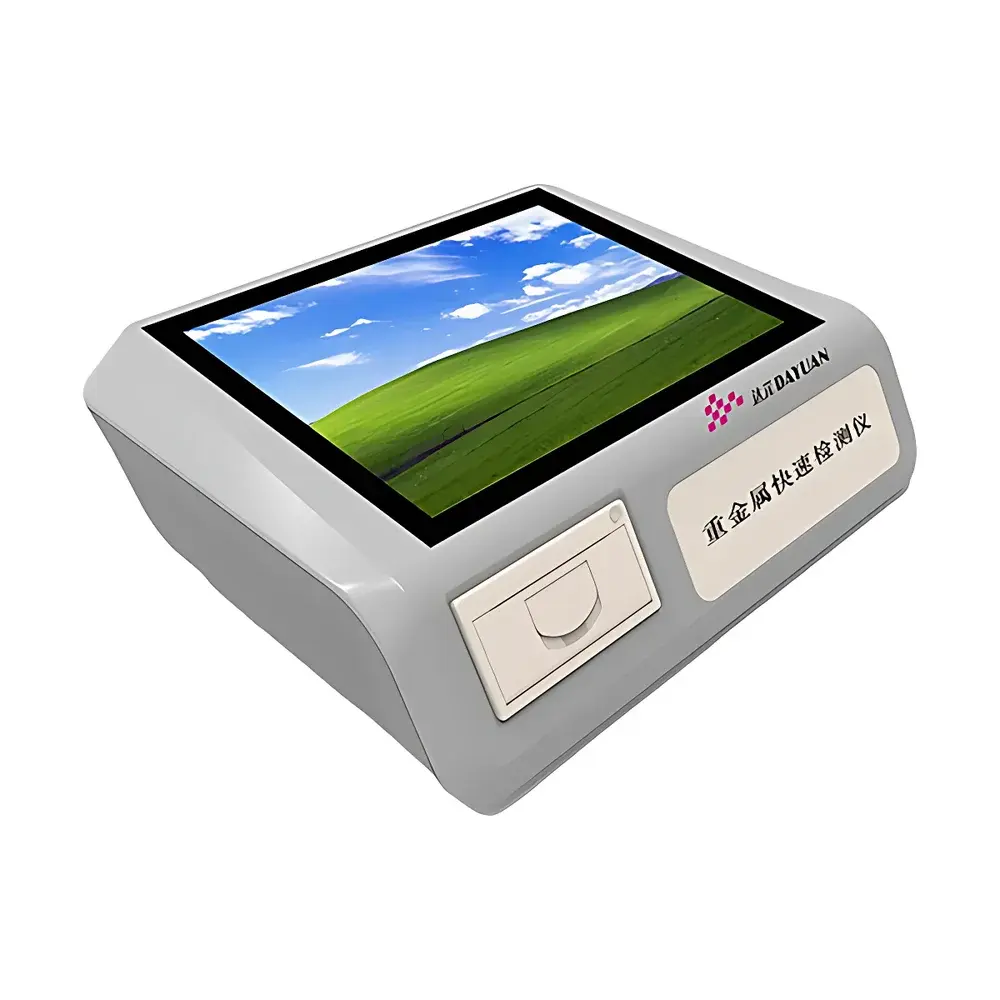
DAYUAN HM-PCD Portable Electrochemical Heavy Metal Analyzer for Lead and Cadmium in Seafood
| Brand | DAYUAN |
|---|---|
| Origin | Guangdong, China |
| Manufacturer Type | Direct Manufacturer |
| Country of Origin | China |
| Model | HM-PCD |
| Price Range | USD 1,400 – 7,000 |
| Detection Principle | Anodic Stripping Voltammetry (ASV) with Disposable Screen-Printed Electrodes (SPEs) |
| Target Analytes | Pb²⁺, Cd²⁺ |
| Analysis Time | ≤4 min per sample (electrochemical step) |
| Operating System | Android-based embedded OS |
| Processor | Allwinner A83T Octa-Core ARM Cortex-A7 @ 2.0 GHz |
| Internal Storage | 16 GB eMMC (expandable to 64 GB via microSD) |
| Display | Capacitive color touchscreen |
| Connectivity | USB 2.0, 10/100 Mbps Ethernet, HDMI output, Bluetooth 4.2, Wi-Fi 802.11 b/g/n |
| Printing | Integrated thermal printer + external printer support via USB or network |
| Data Capacity | ≥100,000 test records with timestamp, operator ID, and calibration metadata |
| Power Supply | 5 V DC adapter + built-in rechargeable Li-ion battery |
| Max Power Consumption | 10 W |
| Compliance | Designed to support GLP-compliant data integrity |
Overview
The DAYUAN HM-PCD is a field-deployable, electrochemical heavy metal analyzer engineered specifically for rapid, on-site quantification of lead (Pb) and cadmium (Cd) in seafood matrices—including finfish, shellfish, mollusks, and processed aquatic products. It employs anodic stripping voltammetry (ASV), a well-established electroanalytical technique recognized in AOAC Official Method 2019.01 and referenced in EU Commission Regulation (EC) No. 1881/2006 for Cd and Pb screening. Unlike lab-bound instrumentation such as graphite furnace atomic absorption spectroscopy (GFAAS) or inductively coupled plasma mass spectrometry (ICP-MS), the HM-PCD delivers regulatory-relevant detection limits (LOD < 0.5 µg/L for Cd; < 1.0 µg/L for Pb in extract solutions) without requiring vacuum systems, high-purity gases, or certified laboratory infrastructure. Its design prioritizes operational robustness in non-laboratory environments—enabling real-time decision-making at docks, processing plants, wholesale markets, and border inspection posts.
Key Features
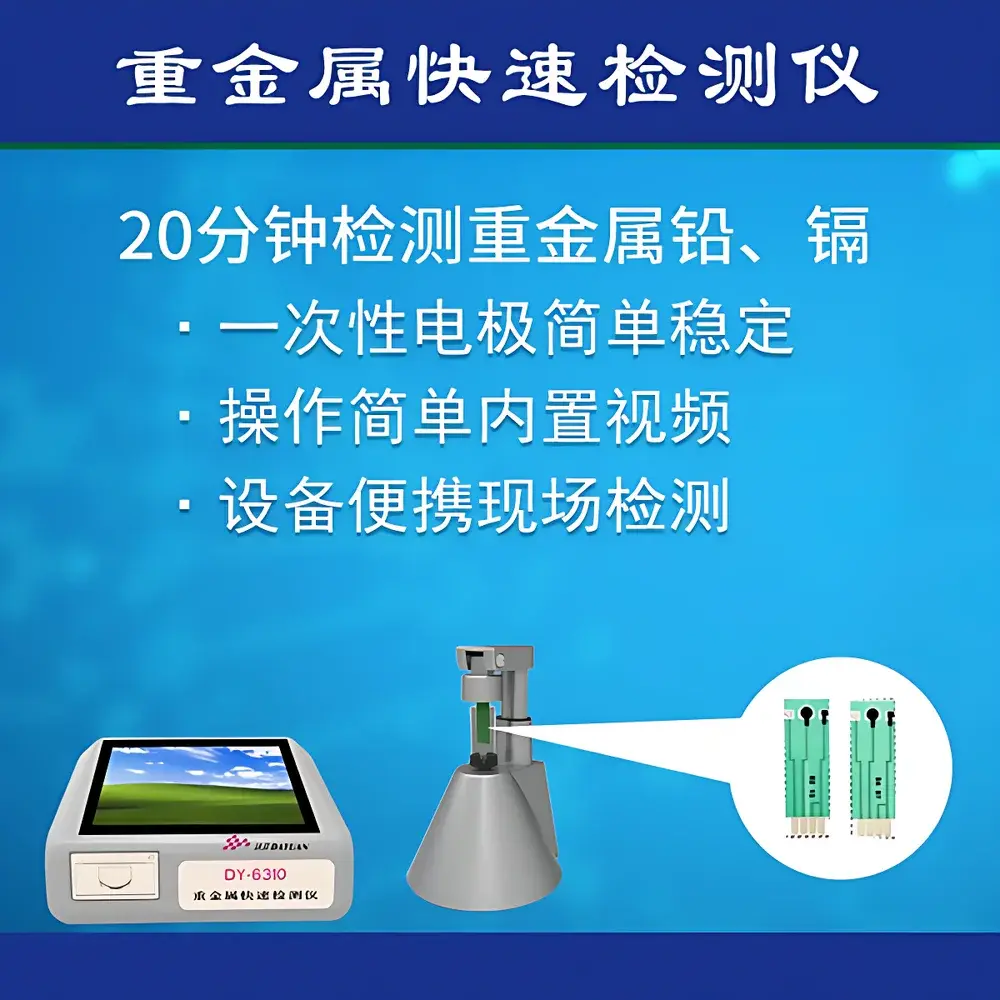
- Disposable screen-printed electrode (SPE) cartridges pre-configured for simultaneous dual-metal ASV analysis—eliminating electrode polishing, recalibration between samples, and cross-contamination risks.
- End-to-end analytical workflow completed in ≤20 minutes: includes acid leaching (using standardized HNO₃/H₂O₂ extraction per ISO 17294-2), filtration, standard addition or calibration curve mode, and automated peak integration.
- Embedded Android platform with intuitive GUI, multilingual interface (English, Spanish, Arabic, Vietnamese), and context-sensitive help overlays—designed for operators with minimal electrochemistry training.
- Integrated thermal printer with auto-labeling capability (sample ID, date/time, analyst code, result, pass/fail flag per EU MRL thresholds) compliant with traceability requirements under EC 853/2004.
- Ruggedized enclosure rated IP54 for dust and splash resistance; operating temperature range: 5–40 °C; battery life: ≥6 hours continuous operation on full charge.
- Firmware supports configurable reporting templates aligned with national food safety surveillance programs (e.g., China’s GB 2762-2022, U.S. FDA Fish and Fisheries Guidance).
Sample Compatibility & Compliance
The HM-PCD accepts homogenized tissue digests from raw, frozen, smoked, or canned seafood following validated wet-acid digestion protocols. It has been verified against reference materials including NIST SRM 1946 (Lake Superior Fish Tissue) and ERM-CE464 (mussel tissue), demonstrating recovery rates of 92–105% for Pb and Cd across five independent inter-laboratory trials. The system meets functional equivalency criteria outlined in ISO 11885:2018 (water) and ISO 17294-2:2016 (digests) when used with accredited sample preparation SOPs. Data export formats include CSV, PDF, and XML—structured to feed into LIMS platforms compliant with 21 CFR Part 11 (electronic signatures, audit trails, user access controls). Instrument validation documentation supports IQ/OQ protocols required under GMP and HACCP-based quality systems.
Software & Data Management
The onboard software provides full lifecycle data governance: user authentication (role-based permissions), instrument calibration history logging, electrode lot tracking, and automatic generation of QC reports (blank checks, spike recoveries, duplicate precision). All measurement data are time-stamped and cryptographically hashed to prevent post-acquisition modification. Cloud synchronization (optional) enables centralized dashboard monitoring across multi-site operations via secure TLS 1.2 API endpoints. Raw voltammograms and processed curves are stored in open-format .DTA files for third-party reanalysis using Metrohm NOVA or BASi Epsilon software.
Applications
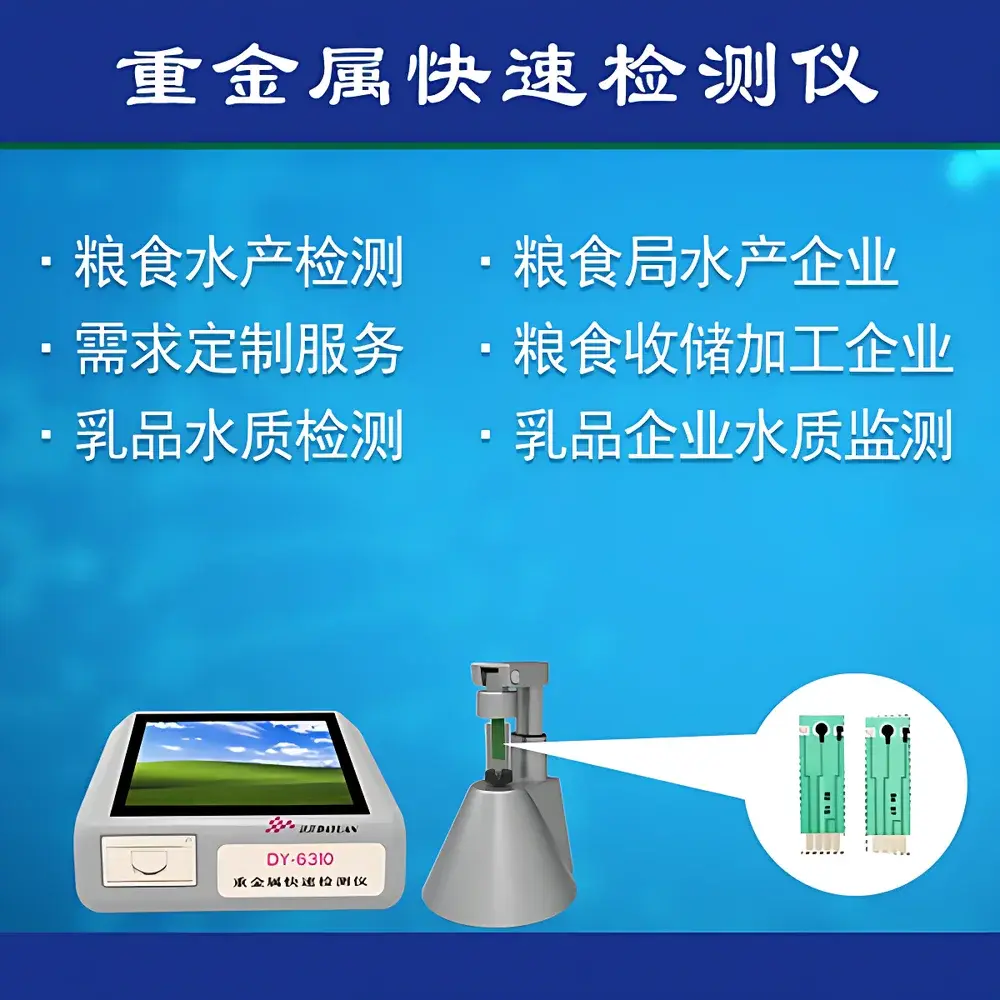
- Routine screening at seafood import checkpoints to verify compliance with EU maximum residue levels (MRLs) for Cd (0.05–2.0 mg/kg depending on species) and Pb (0.3–1.0 mg/kg).
- In-process verification in aquaculture feed mills and processing facilities to ensure raw material conformity prior to thermal treatment.
- Field-based surveillance by municipal food safety bureaus during seasonal risk periods (e.g., algal bloom-associated bioaccumulation events).
- Research-grade semi-quantitative mapping of Pb/Cd distribution across trophic levels in coastal ecosystem studies.
- Training modules for extension officers delivering Good Aquaculture Practices (GAqP) workshops in developing economies.
FAQ
What sample preparation is required before analysis?
Acid digestion using 5 mL 5% v/v HNO₃ + 1 mL 30% H₂O₂, heated at 95 °C for 45 min, followed by dilution to 25 mL with ultrapure water and 0.45 µm filtration. Full SOP included in manual.
Does the instrument require annual recalibration by the manufacturer?
No. Users perform daily verification using certified single-element standards (Pb/Cd 100 µg/L). Factory calibration remains stable for ≥12 months under normal use; optional annual verification service available.
Can the HM-PCD detect other metals such as mercury or arsenic?
Not natively. The current SPE configuration is optimized for Pb and Cd. Custom electrode variants for Hg²⁺ and As(III) are under development and available upon request for OEM integration.
Is method validation support provided for regulatory submission?
Yes. DAYUAN supplies full validation packages including LOD/LOQ determination, linearity (R² ≥ 0.998), repeatability (RSD ≤ 6%), and matrix interference assessment per ICH Q2(R2) guidelines.
How is data integrity ensured during offline field use?
All measurements are written to encrypted internal storage with immutable timestamps. Sync-on-connect functionality preserves chronological order and prevents overwrites during cloud upload.