
THINKSENSO & SENSO iTongue20 Electronic Tongue System
| Brand | THINKSENSO & SENSO |
|---|---|
| Origin | Zhejiang, China |
| Manufacturer Type | Authorized Distributor |
| Product Category | Domestic |
| Model | iTongue20 |
| Price | Upon Request |
| Product Type | Taste Analysis System |
Overview
The THINKSENSO & SENSO iTongue20 Electronic Tongue System is a laboratory-grade sensory intelligent analysis instrument engineered for objective, reproducible, and high-throughput taste profiling of liquid and semi-liquid samples. Based on the principle of multi-sensor potentiometric array detection, the system mimics human gustatory perception through an ensemble of lipid-polymer membrane-based electrochemical sensors—each exhibiting differential, cross-sensitive responses to ionic species, organic acids, amino acids, bitter compounds, umami agents, and other taste-active molecules. Unlike subjective human sensory panels, the iTongue20 delivers quantitative “taste fingerprints” by measuring potential shifts (mV) across the sensor array under constant current conditions, followed by multivariate statistical interpretation. It is designed for integration into quality assurance workflows in regulated environments where consistency, traceability, and method validation are essential—particularly in food science, pharmaceutical formulation, nutraceutical development, and beverage R&D laboratories.
Key Features
- Eight-channel potentiometric sensor array with individually calibrated, non-specific lipid-polymer membranes optimized for broad-spectrum taste compound recognition
- Integrated temperature-controlled sample chamber (±0.1 °C stability) to minimize thermal drift during sequential measurements
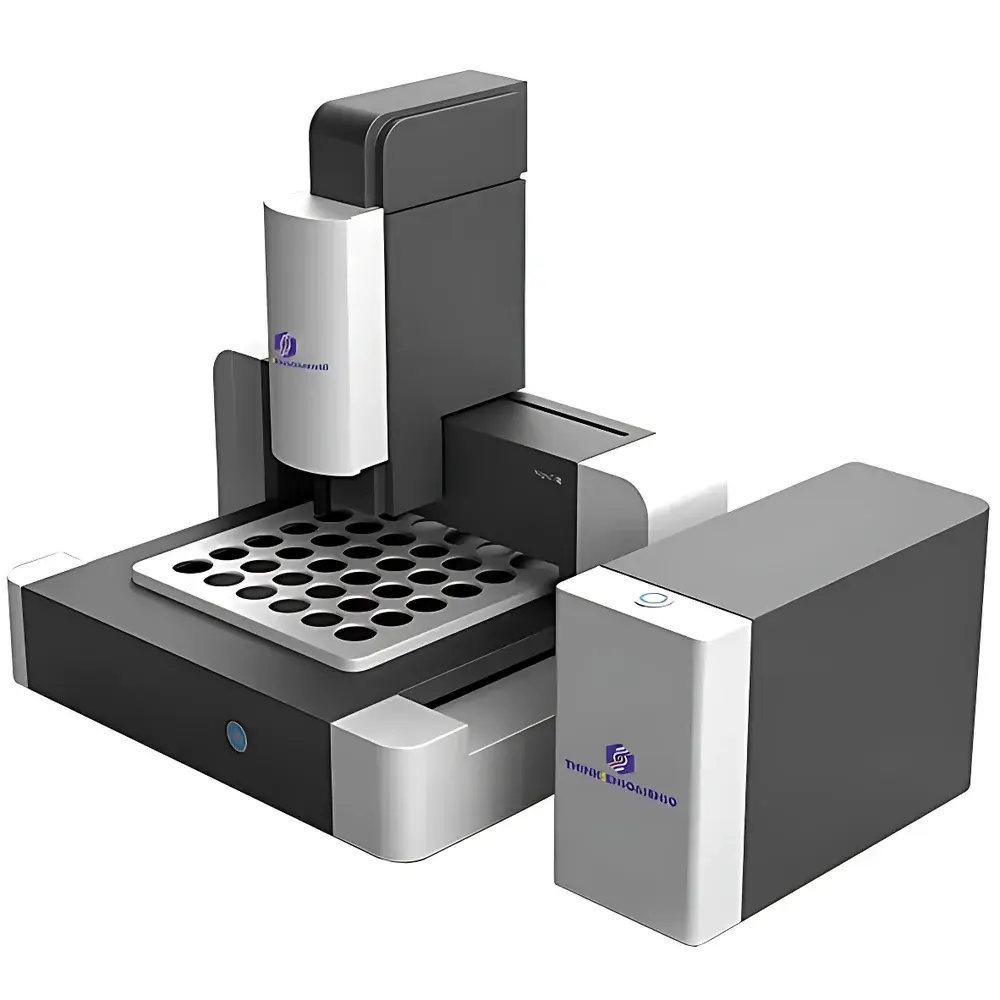
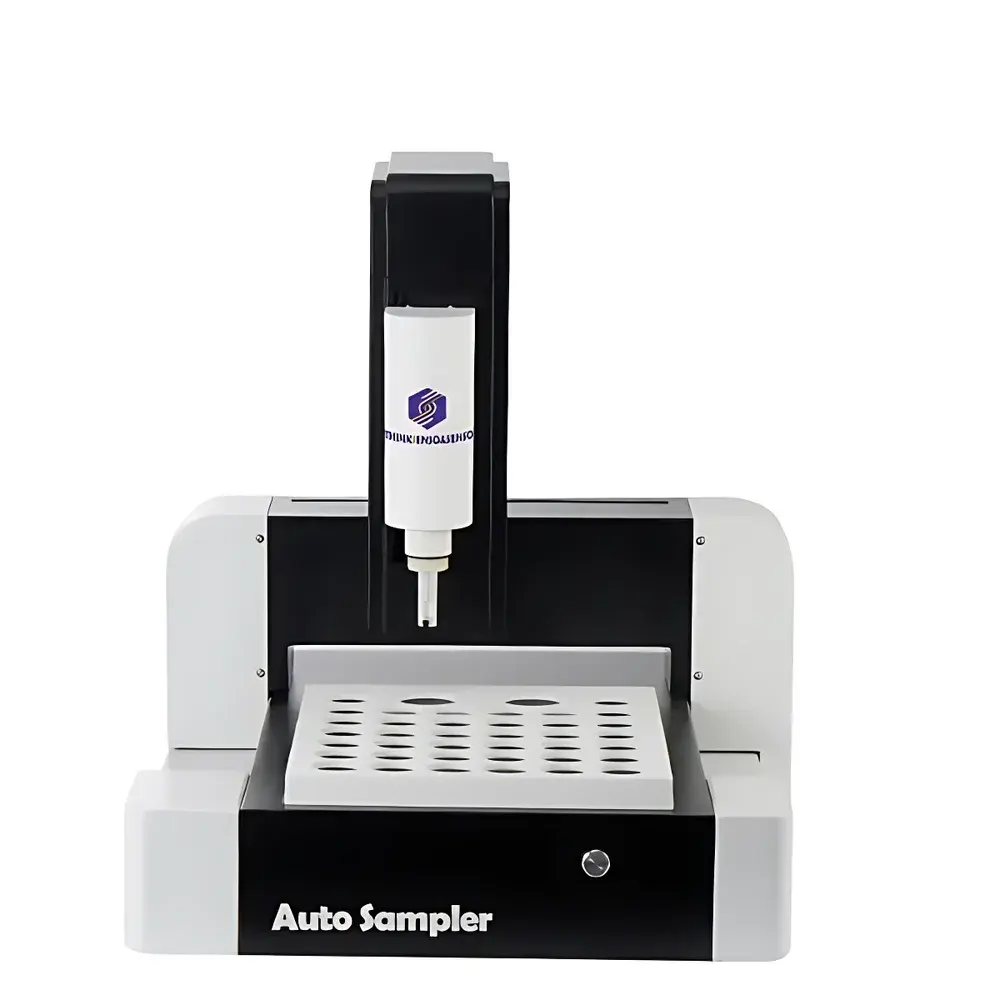
- Automated fluid handling module supporting up to 48 sample positions with programmable rinse-and-equilibration cycles between runs
- Real-time signal acquisition at 10 Hz sampling rate, with low-noise analog front-end and 24-bit ADC resolution
- Pre-installed chemometric software suite supporting PCA, LDA, SIMCA, and PLS-DA for supervised and unsupervised pattern discrimination
- Modular hardware architecture compliant with ISO/IEC 17025 calibration traceability requirements; supports external calibration verification using certified reference standards
Sample Compatibility & Compliance
The iTongue20 accepts aqueous-based samples including fruit juices, dairy beverages, herbal extracts, pharmaceutical syrups, fermented sauces, wine, tea infusions, and oral liquid formulations. Viscosity range: 1–20 mPa·s; pH tolerance: 3.0–8.5; particulate content must be <5 µm (filtration recommended prior to analysis). The system adheres to principles outlined in ASTM E679 (Standard Practice for Determination of Odor and Taste Thresholds by a Forced-Choice Ascending Concentration Series Method) and supports documentation practices aligned with GLP and GMP frameworks. While not FDA-cleared as a medical device, its data output is suitable for internal QC release testing, shelf-life modeling, and formulation equivalence studies under 21 CFR Part 11-compliant software configurations (audit trail, electronic signature, and user access control enabled).
Software & Data Management
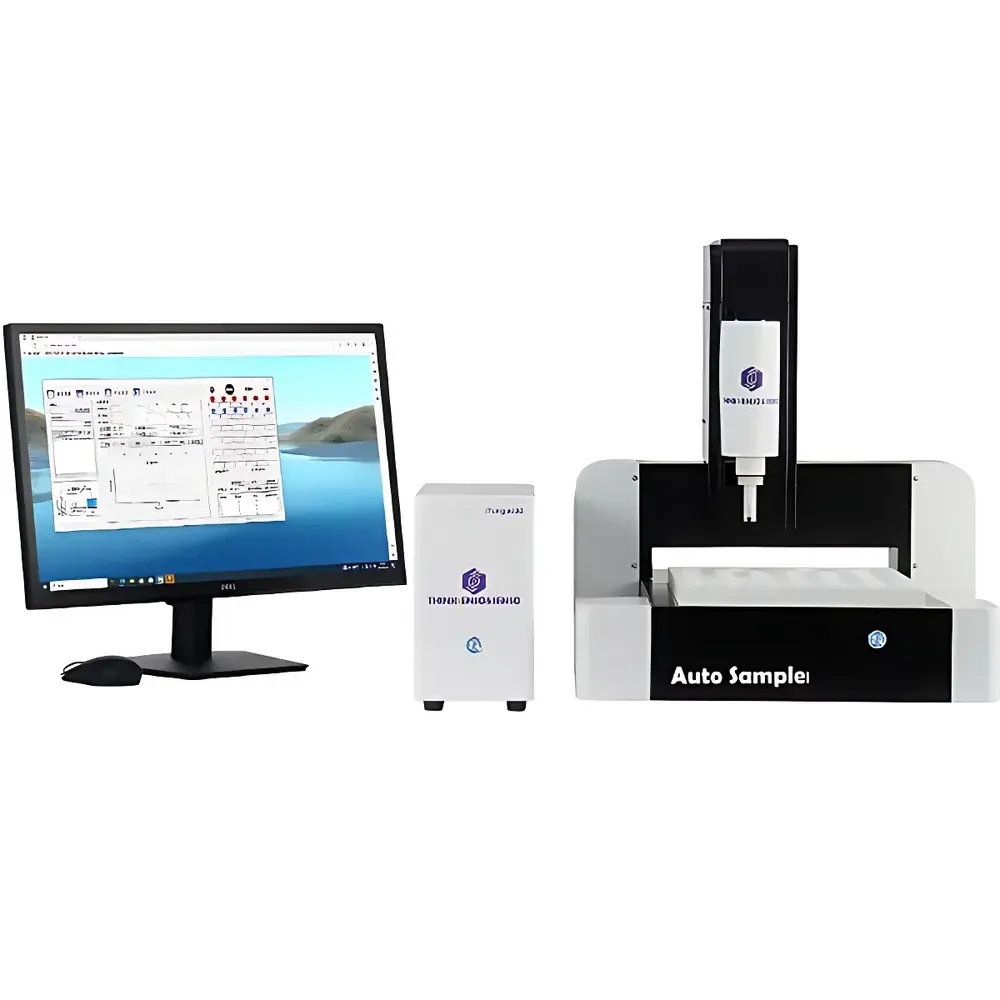
The iTongue20 operates with proprietary SensorySoft v4.2 software, deployed on Windows 10/11 platforms. The application provides full lifecycle data management—from method creation and instrument configuration to raw signal visualization, multivariate model training, and report generation in PDF or Excel formats. All measurement sessions are timestamped and linked to operator ID, sample ID, and environmental metadata (temperature, humidity, calibration status). Raw voltage-time series and processed feature vectors (e.g., mean steady-state potentials per sensor) are stored in HDF5 format for long-term archival and third-party analysis interoperability. Software validation documentation—including IQ/OQ protocols and change control logs—is available upon request for regulated users.
Applications
- Discrimination of origin, variety, or processing method in agricultural commodities (e.g., olive oil grades, coffee bean roasting profiles, honey botanical sources)
- Batch-to-batch consistency monitoring in beverage production lines, including carbonated soft drinks and functional waters
- Accelerated shelf-life assessment via time-series taste fingerprint tracking under controlled storage conditions
- Supporting sensory panel training by providing objective baselines for reference standards and threshold determination
- Formulation optimization in pharmaceutical oral suspensions, where taste-masking efficacy must be quantified without human subject recruitment
- Competitive benchmarking of branded vs. generic products across multiple taste dimensions simultaneously
FAQ
What types of samples require pre-treatment before analysis on the iTongue20?
Samples containing suspended solids (>5 µm), high viscosity (>20 mPa·s), or extreme pH (<3.0 or >8.5) should be filtered (0.45 µm PVDF membrane), diluted with compatible buffer, or pH-adjusted using food-grade reagents.
Can the iTongue20 replace human sensory panels entirely?
No—it is designed as a complementary tool. It excels in discrimination, trend detection, and high-frequency screening but does not replicate hedonic evaluation (liking, preference) or complex interaction effects perceived only by biological systems.
Is sensor array replacement required after a fixed number of measurements?
Sensor lifetime depends on sample matrix aggressiveness; typical operational life exceeds 500 measurements per array under standard cleaning protocols. Replacement kits and recalibration services are available directly from THINKSENSO & SENSO authorized support centers.
Does the system support integration with LIMS or ERP platforms?
Yes—via configurable CSV/JSON export and optional OPC UA interface for real-time data streaming to enterprise laboratory information management systems.




