
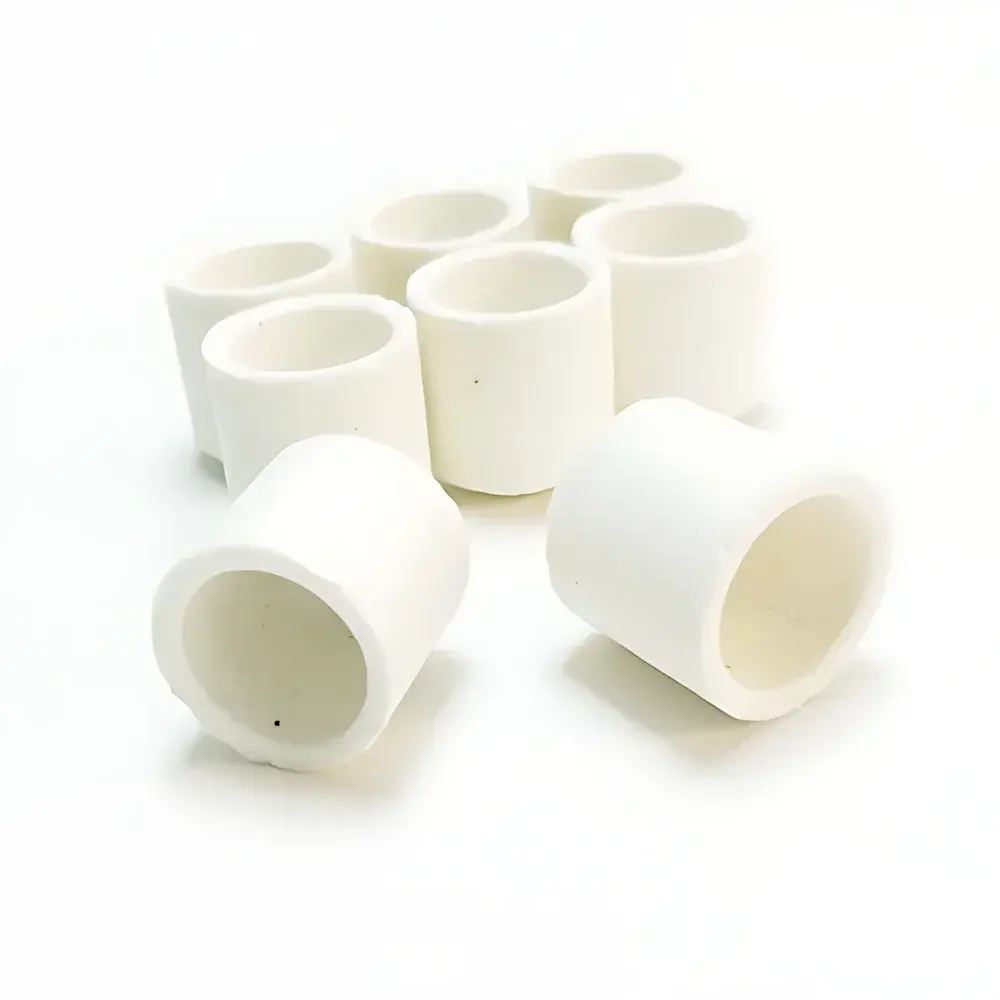
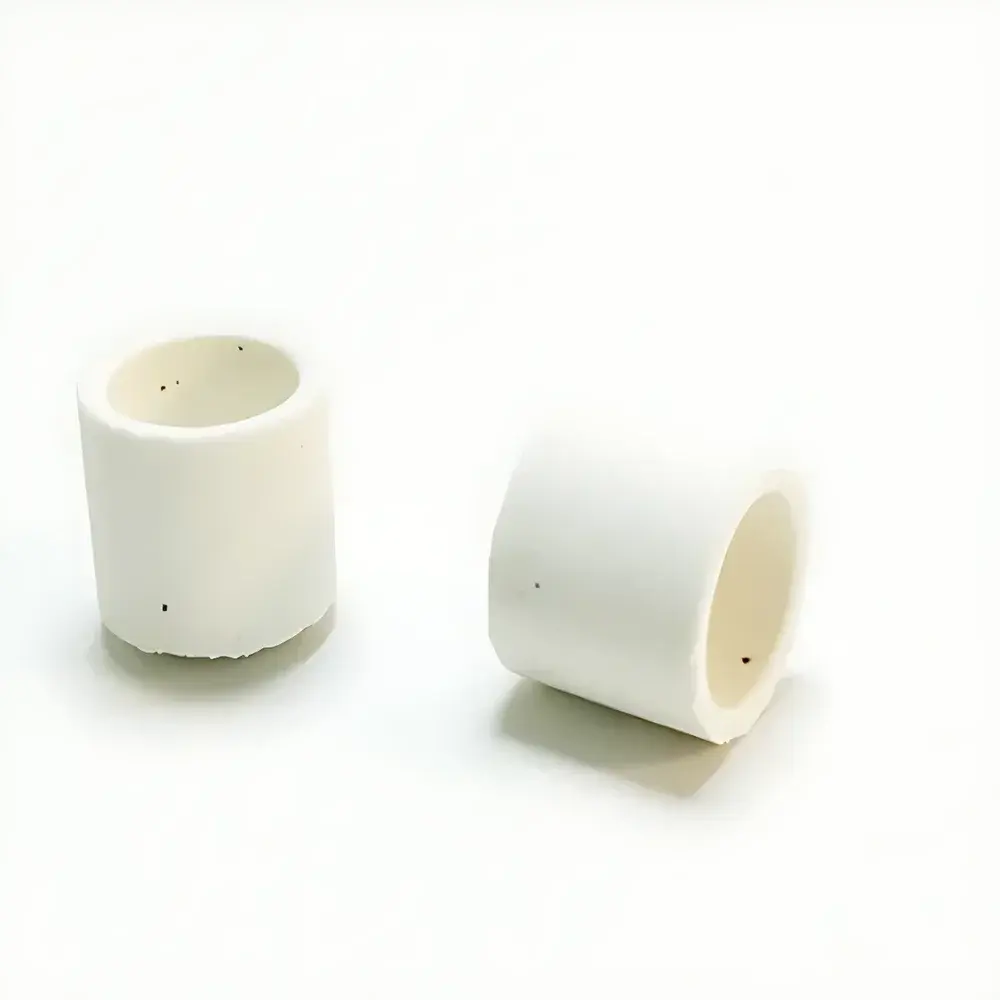
Alpha ALPHA AR3818F Low-Carbon Graphite Crucibles for ONH/HNO Elemental Analyzers
| [Brand | Alpha / ALPHA |
|---|---|
| Origin | USA |
| Model | AR3818F |
| Type | Low-carbon graphite crucible |
| Compatibility | LECO, HORIBA, ELTRA, Bruker ONH/O/N/H analyzers |
| Purity | <5 ppm C (typical), <10 ppm S (typical) |
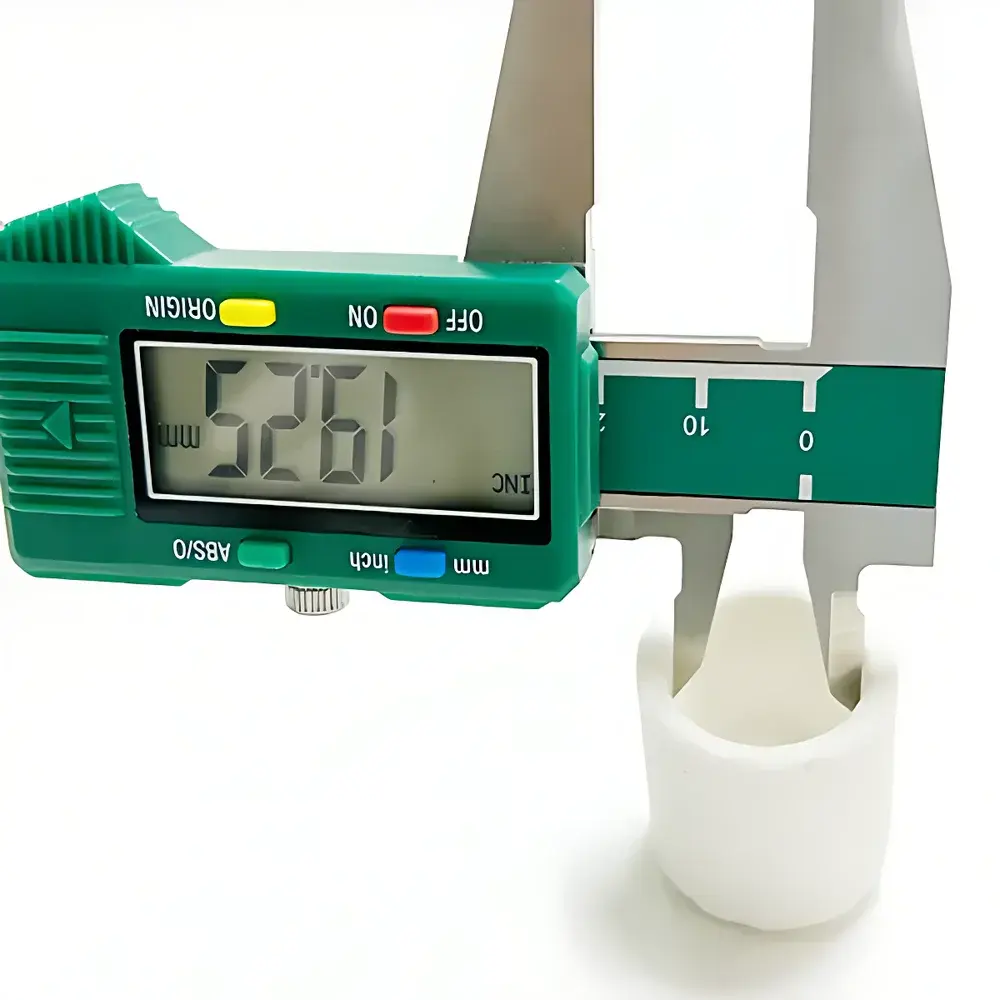
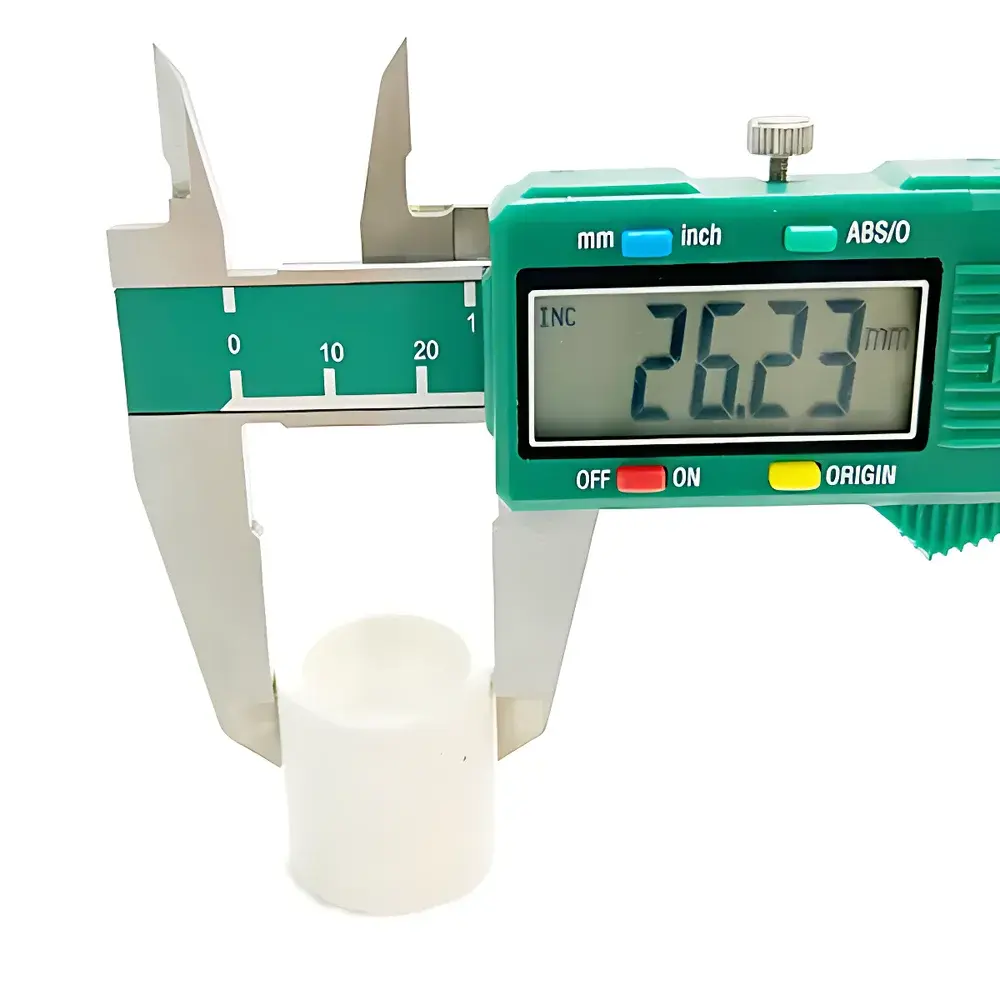
| Dimensions | Ø25 mm × 35 mm (ID × height, nominal) |
| Max. Operating Temperature | 3,000 °C in inert atmosphere |
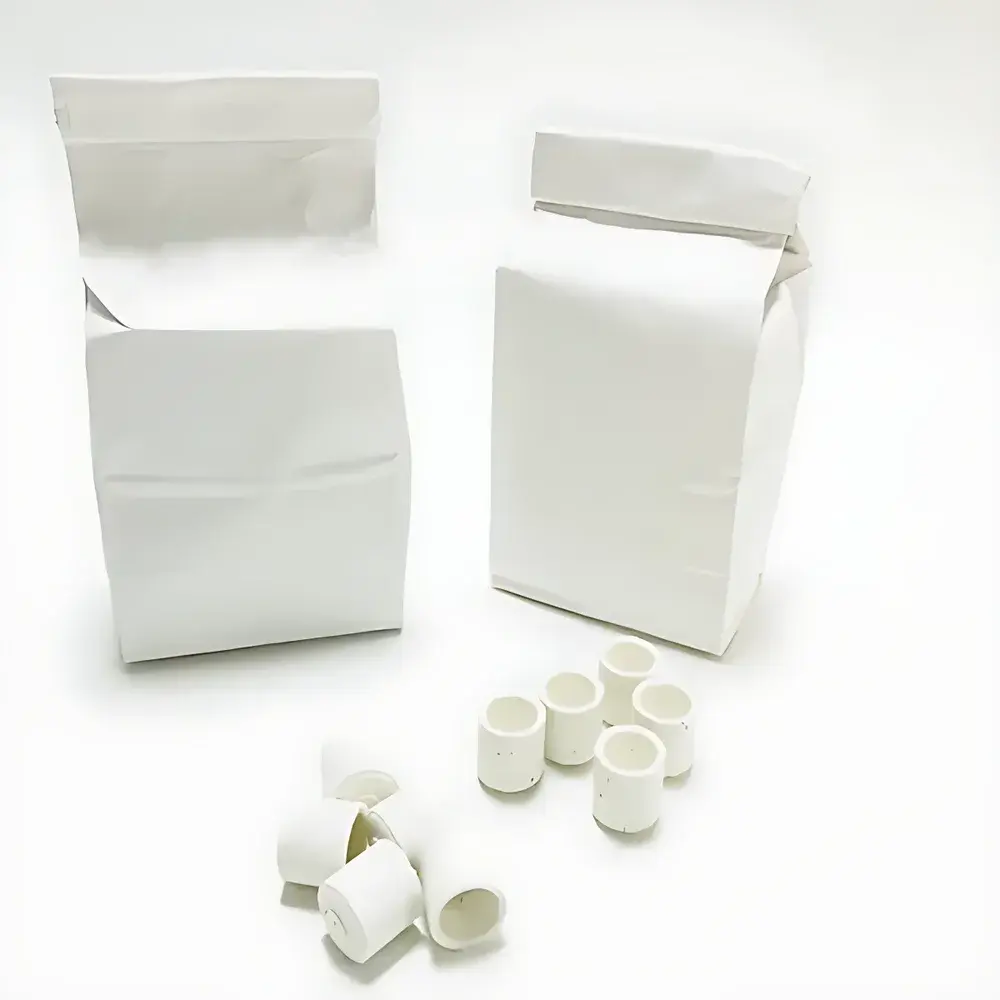
| Packaging | 10 pcs per sealed vacuum bag, 100 pcs per box] |
Overview
The Alpha ALPHA AR3818F low-carbon graphite crucibles are precision-engineered consumables designed exclusively for high-temperature inert gas fusion analysis of oxygen (O), nitrogen (N), and hydrogen (H) in solid inorganic materials. These crucibles serve as the primary sample containment vessel in pulse-heated furnace systems—such as the ELEMENTRAC ONH-p, ONH-D, and comparable instruments from LECO, HORIBA, ELTRA, and Bruker—where samples are rapidly heated to temperatures exceeding 3,000 °C under high-purity argon or helium flow. At these conditions, interstitial elements (O, N, H) are liberated from the matrix as gaseous species (CO, N₂, H₂), which are then separated and quantified via infrared absorption (for CO/CO₂-derived oxygen) and thermal conductivity detection (for N₂ and H₂). The AR3818F’s ultra-low carbon and sulfur background is critical to minimizing blank contributions—particularly essential when analyzing ultra-low-carbon steels, titanium alloys, zirconium-based ceramics, and high-purity refractory metals where trace-level contamination would compromise measurement integrity.
Key Features
- Ultra-low intrinsic carbon content (<5 ppm C, typical) and sulfur content (<10 ppm S, typical), validated by independent ICP-MS and combustion IR analysis
- Dense, isotropic graphite microstructure ensuring dimensional stability and resistance to thermal shock up to 3,000 °C in inert atmospheres
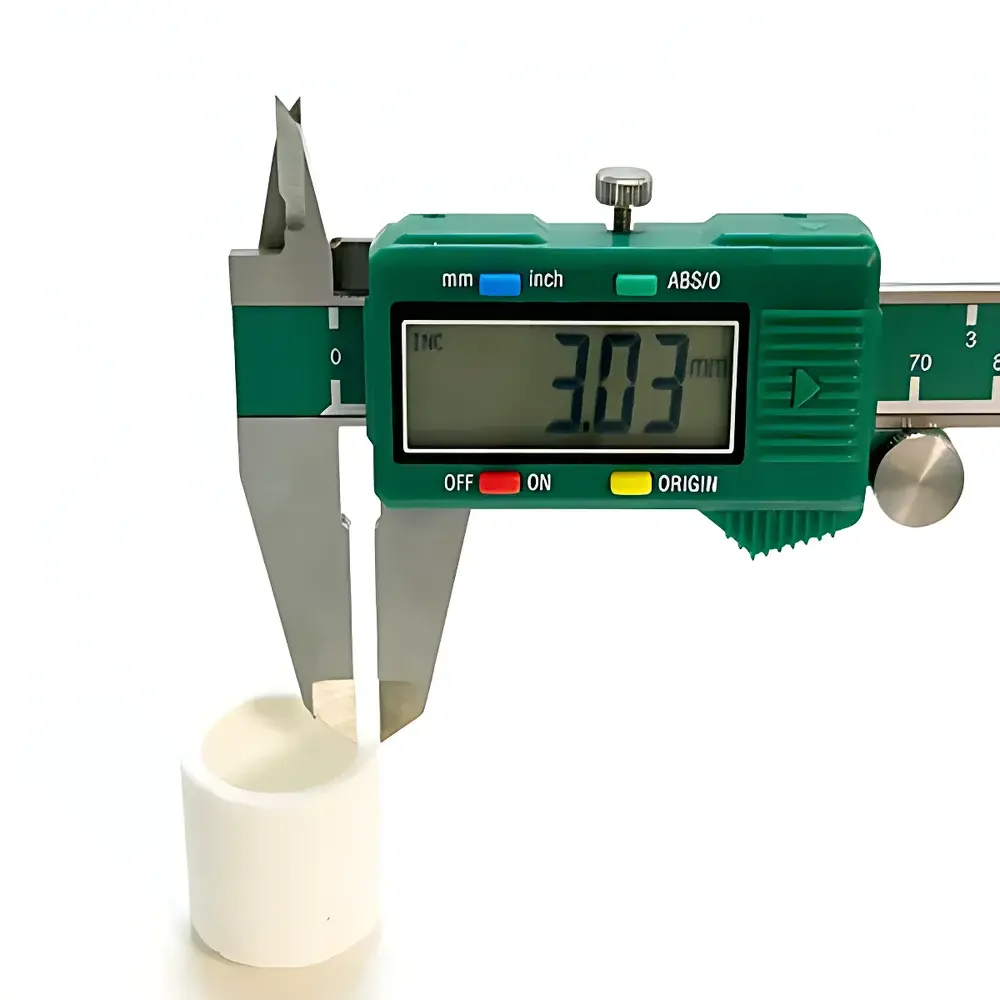
- Consistent wall thickness and inner diameter (Ø25 mm × 35 mm nominal) to ensure reproducible sample positioning and thermal coupling in pulse furnaces
- Pre-baked and pre-conditioned in high-purity argon to remove surface volatiles and stabilize baseline signal response
- Individually vacuum-sealed in aluminum-laminated bags to prevent atmospheric moisture adsorption and surface oxidation during storage
- Traceable lot documentation with certificate of analysis (CoA) including batch-specific blank values for O, N, and H
Sample Compatibility & Compliance
The AR3818F crucibles are qualified for use with certified reference materials (CRMs) across ASTM E1019, ISO 14284, and JIS G 1211 standards for interstitial gas analysis. They demonstrate proven performance with challenging matrices including Ti-6Al-4V, Zr-702, Nb-1Zr, tungsten carbide composites, silicon nitride ceramics, and low-alloy steels containing ≤10 ppm H. Each production lot undergoes routine blank testing per ASTM E1193 guidelines: three consecutive empty-run analyses (no sample) followed by statistical evaluation of O/N/H signal drift and standard deviation. Crucibles meet GLP-compliant traceability requirements, with full lot history available for audit purposes—including raw material sourcing (US-sourced nuclear-grade graphite), sintering parameters, and final QC test reports. Not intended for use in oxidizing atmospheres or with halogen-containing samples.
Software & Data Management
While the AR3818F is a passive consumable, its integration into analytical workflows directly impacts data integrity in instrument control software such as ELTRA WinElement, LECO Fusion, HORIBA UNICORN, and Bruker sparkSHELL. Users can assign crucible lot numbers to individual analysis runs within audit-trail-enabled methods, enabling retrospective correlation between measured blank offsets and consumable batch performance. The crucibles support 21 CFR Part 11–compliant environments when paired with electronic lab notebooks (ELNs) that capture CoA metadata (e.g., blank O value = 0.8 µg, N = 0.3 µg, H = 0.5 µg per run) alongside sample results. No firmware or driver installation is required; compatibility is verified at system qualification (IQ/OQ/PQ) level per instrument OEM specifications.
Applications
- Quality control of aerospace-grade titanium and nickel superalloys for hydrogen embrittlement risk assessment
- Oxygen determination in silicon carbide and alumina ceramics for semiconductor substrate certification
- Nitrogen quantification in stainless steels and duplex grades per ASTM A763
- Hydrogen analysis in zirconium nuclear fuel cladding per ASTM C1635
- Method validation and limit-of-detection studies in GLP-regulated metallurgical laboratories
- Routine calibration verification using SRM 663 (low-H steel) and NIST 1262a (Ti alloy)
FAQ
Are AR3818F crucibles compatible with LECO TC-600 series analyzers?
Yes—they are dimensionally and thermally matched to LECO’s standard Ø25 mm crucible holder and have been validated for use in TC-600, TC-500, and ONH-836 platforms.
What is the recommended maximum sample mass for AR3818F?
For optimal combustion efficiency and minimal blank interference, use 0.2–0.5 g for metals and 0.1–0.3 g for ceramics; always apply matrix-matched calibration.
Can AR3818F crucibles be reused?
No—single-use only. Reuse introduces carryover risk and thermal degradation that elevates blank signals, violating ISO 17025 method validation requirements.
Do you provide custom packaging or labeling for OEM integration?
Yes—custom barcoded labels, bulk vacuum packaging, and CoA integration with LIMS are available under NDA for qualified OEM and contract lab partners.
How should AR3818F crucibles be stored long-term?
Store unopened bags at 15–25 °C and <40% RH; avoid exposure to direct sunlight or ozone-generating equipment. Once opened, use within 72 hours in a dry glovebox or desiccator.



