
Annuo FEA-5023 Handheld Digital Refractometer
| Brand | Annuo |
|---|---|
| Origin | Henan, China |
| Model | FEA-5023 |
| Product Type | Handheld Refractometer |
| Temperature Control | Yes |
| Digital Display | Yes |
| Refractive Index Range | 1.3330–1.5290 |
| Ethanol Concentration Range (v/v) | 3%–13% |
| Measurement Precision (Refractive Index) | ≤ ±0.003 RIU (equivalent to ≤3% relative error in ethanol quantification) |
| Dimensions | 250 × 200 × 75 mm |
| Power Consumption | 5 W |
| Operating Temperature | 5–40 °C |
| Storage Temperature | −10–50 °C |
| Operating Humidity | 20–80% RH |
| Storage Humidity | 5–90% RH |
Overview
The Annuo FEA-5023 Handheld Digital Refractometer is an optical measurement instrument engineered for rapid, field-deployable quantification of ethanol concentration in gasoline and related hydrocarbon-based fuel blends. It operates on the fundamental principle of critical-angle refractometry: incident light undergoes total internal reflection at the prism–sample interface, and the resulting shadow line position is optically detected and converted into a refractive index (RI) value. The device integrates a calibrated polynomial algorithm to convert measured RI values—within the range of 1.3330 to 1.5290—into volume-based ethanol concentration (3–13% v/v), optimized specifically for ethanol–gasoline mixtures (e.g., E5, E10). Unlike benchtop Abbe refractometers, the FEA-5023 employs a temperature-compensated sapphire prism and built-in Peltier-assisted thermal stabilization to minimize drift during sequential measurements, ensuring consistent performance across ambient fluctuations typical in refinery perimeters, fuel distribution terminals, or mobile quality control units.
Key Features
- Integrated Peltier-based temperature control system maintaining prism surface within ±0.3 °C of setpoint, enabling compensation for thermal expansion effects on RI readings
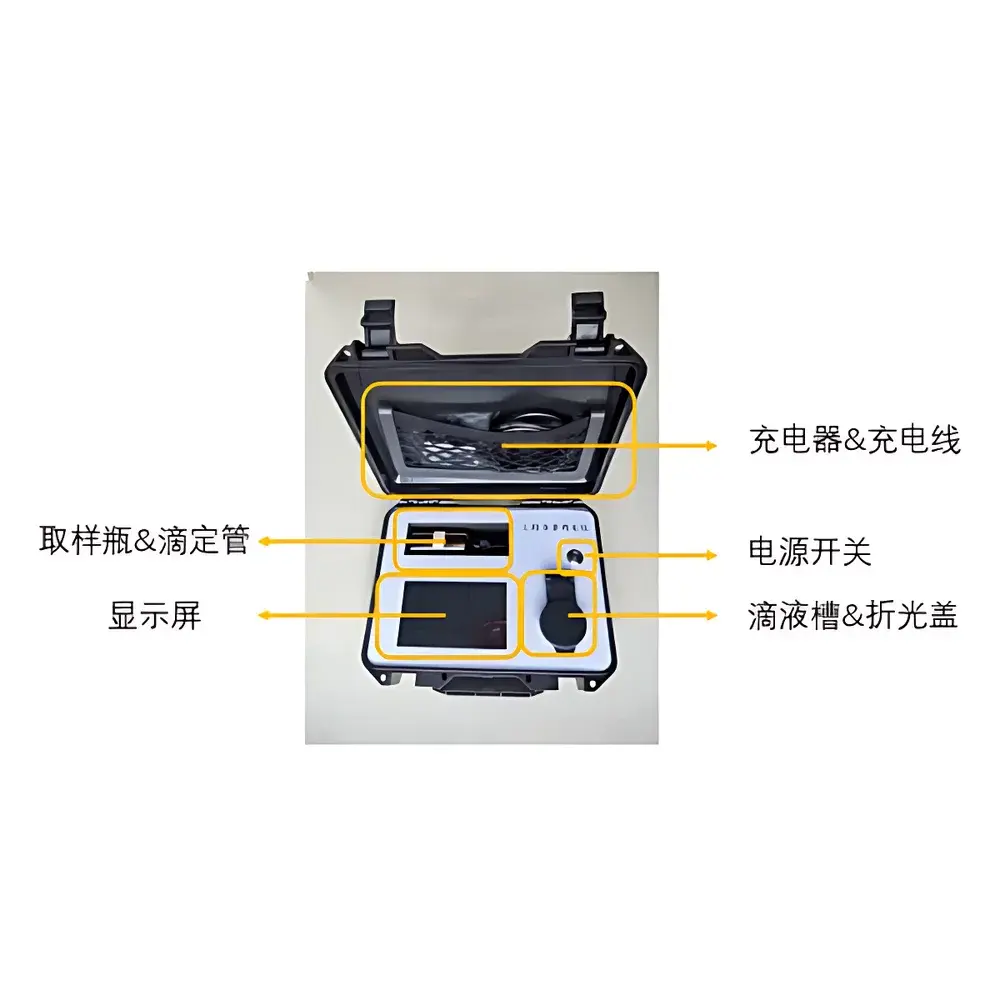
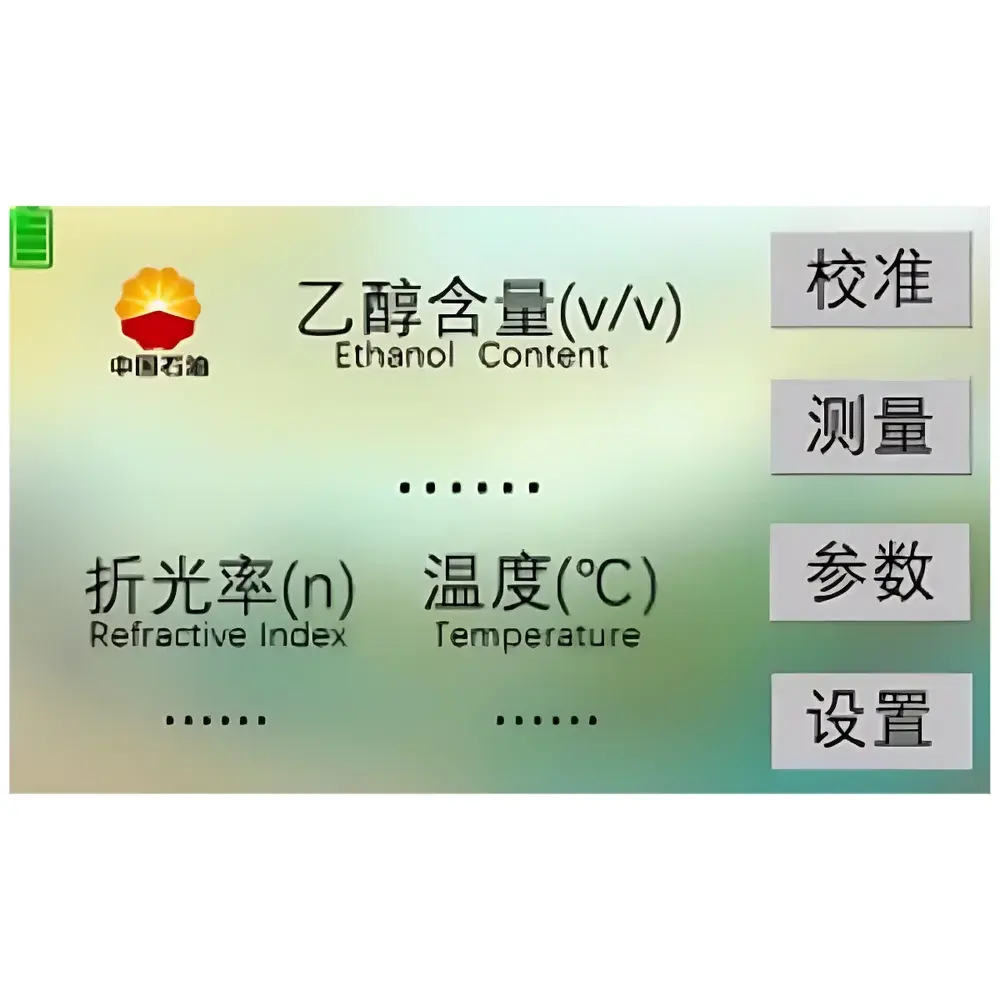
- 5-inch capacitive touch LCD interface with intuitive icon-driven navigation and real-time graphical display of RI and ethanol % results
- Dual-mode operation: direct refractive index readout (RIU) and auto-converted ethanol volume percentage, both traceable to NIST-traceable calibration standards
- Low-power architecture (5 W nominal) supporting continuous operation via internal rechargeable Li-ion battery or AC adapter—ideal for extended off-grid use
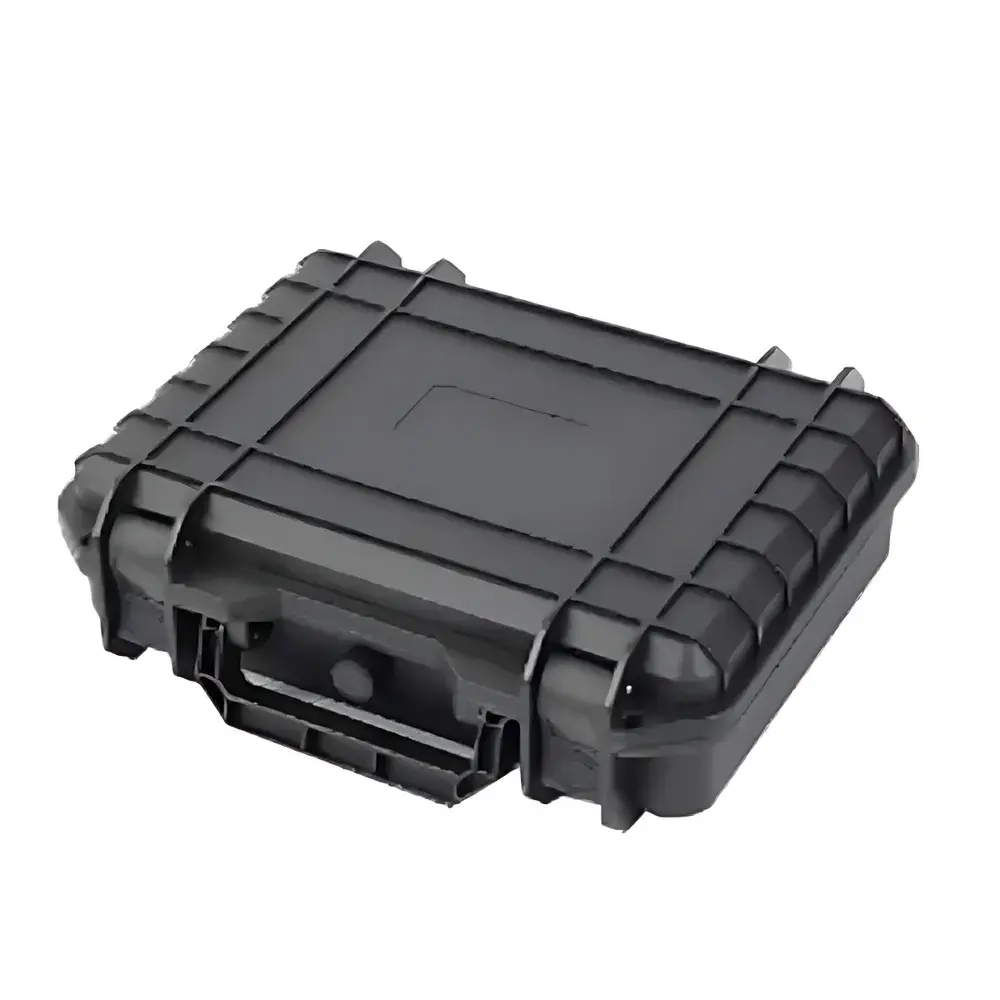
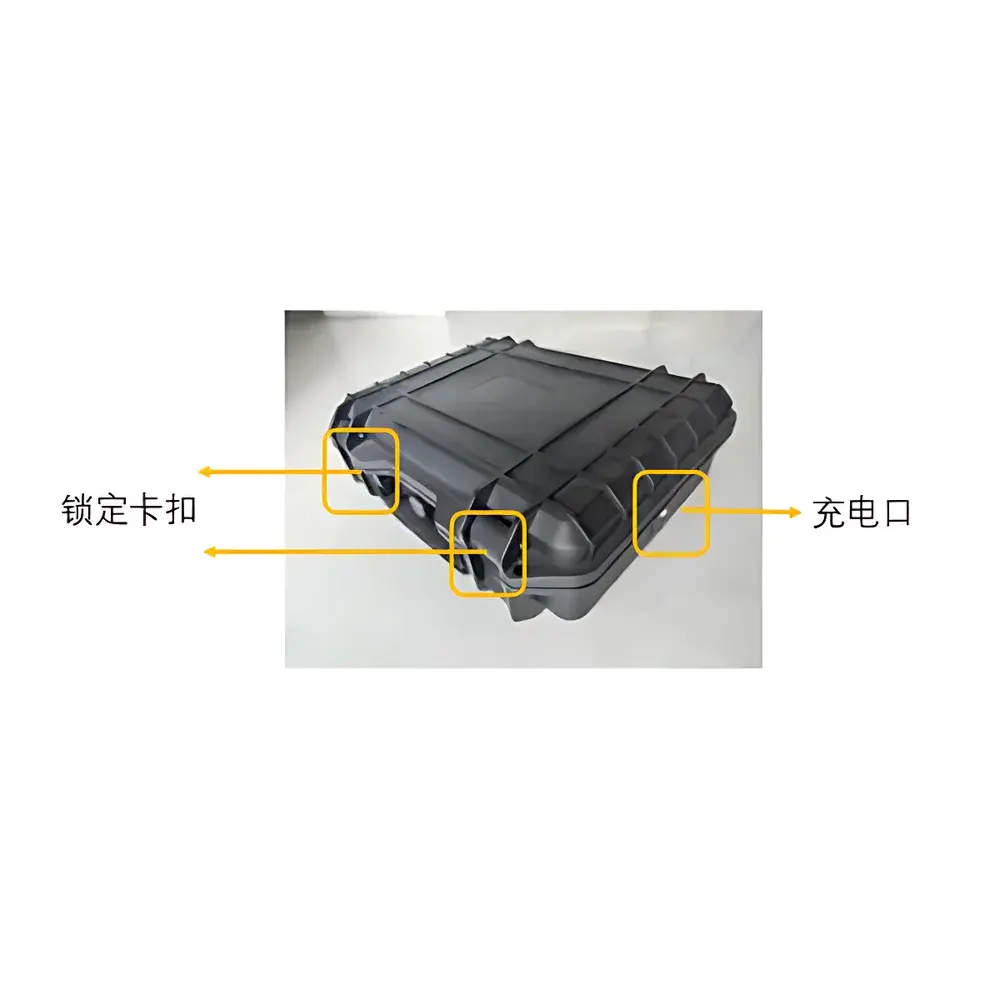
- Robust aluminum-magnesium alloy housing rated IP54 for dust and splash resistance, compliant with IEC 60529 for portable instrumentation in industrial environments
- Factory-calibrated using certified reference liquids (water, sucrose solutions, and ethanol–iso-octane standards) with documented uncertainty budgets per ISO/IEC 17025 guidelines
Sample Compatibility & Compliance
The FEA-5023 is validated for use with clear, low-viscosity liquid hydrocarbon blends containing ethanol, including but not limited to gasoline (ASTM D4052-compliant samples), denatured fuel ethanol (ASTM D5501), and pre-blended E5/E10 fuels. It is not suitable for opaque, highly viscous, or particulate-laden samples without prior filtration (≤5 µm). The instrument conforms to electromagnetic compatibility requirements per EN 61326-1:2013 and safety standards under EN 61010-1:2010. While not FDA 21 CFR Part 11–certified (as it lacks audit trail functionality), its calibration records, user-defined measurement protocols, and raw RI data export support GLP-aligned documentation practices required in fuel quality assurance workflows.
Software & Data Management
Data acquisition and reporting are managed through embedded firmware with USB-C connectivity for direct export of CSV-formatted measurement logs (timestamp, RI, ethanol %, temperature, operator ID). No proprietary desktop software is required; exported files are compatible with common LIMS platforms (e.g., LabWare, Thermo Fisher SampleManager) and statistical process control tools (Minitab, JMP). Firmware updates are delivered via signed .bin files through the touch interface, with version rollback capability and SHA-256 integrity verification. All calibration events—including date, standard used, and deviation from reference—are stored in non-volatile memory with write-protection enabled by default.
Applications
- Routine verification of ethanol content in finished gasoline at blending terminals per ASTM D7343 and GB/T 21087–2021
- Field screening of fuel adulteration or misblending incidents during transportation or retail delivery audits
- Process monitoring during ethanol–gasoline homogenization in batch or continuous mixing systems
- Supporting ISO 9001:2015 clause 8.5.1 (control of production and service provision) in fuel manufacturing QA/QC departments
- Educational use in chemical engineering laboratories for teaching optical property–composition correlations in binary mixtures
FAQ
What is the measurement uncertainty for ethanol concentration at 10% v/v?
At 10% ethanol (v/v), the expanded uncertainty (k=2) is ±0.28% v/v, derived from repeatability testing (n=20), temperature sensitivity analysis, and calibration standard uncertainty propagation.
Can the FEA-5023 be recalibrated by the end user?
Yes—field recalibration is supported using two-point adjustment with certified water (RI = 1.3330 @ 20 °C) and a secondary ethanol–hydrocarbon standard; full calibration certificate generation requires connection to Annuo’s authorized service portal.
Is the prism resistant to gasoline solvents?
The sapphire prism (Mohs hardness 9) and fluoropolymer-coated sample chamber are chemically inert to aliphatic and aromatic hydrocarbons, ethanol, and common fuel additives per ASTM D471 testing.
Does the device meet any international fuel testing standards?
While the FEA-5023 itself is not a standard test method, its RI-to-ethanol conversion algorithm aligns with the empirical correlation specified in Annex A of GB/T 21087–2021 and supports compliance with the measurement traceability requirements of ASTM D7343 Section 8.2.
How often should factory recalibration be scheduled?
Annuo recommends annual recalibration against NIST-traceable standards; however, in high-use environments (>50 measurements/day), biannual verification is advised per ISO/IEC 17025 Clause 7.7.1.





