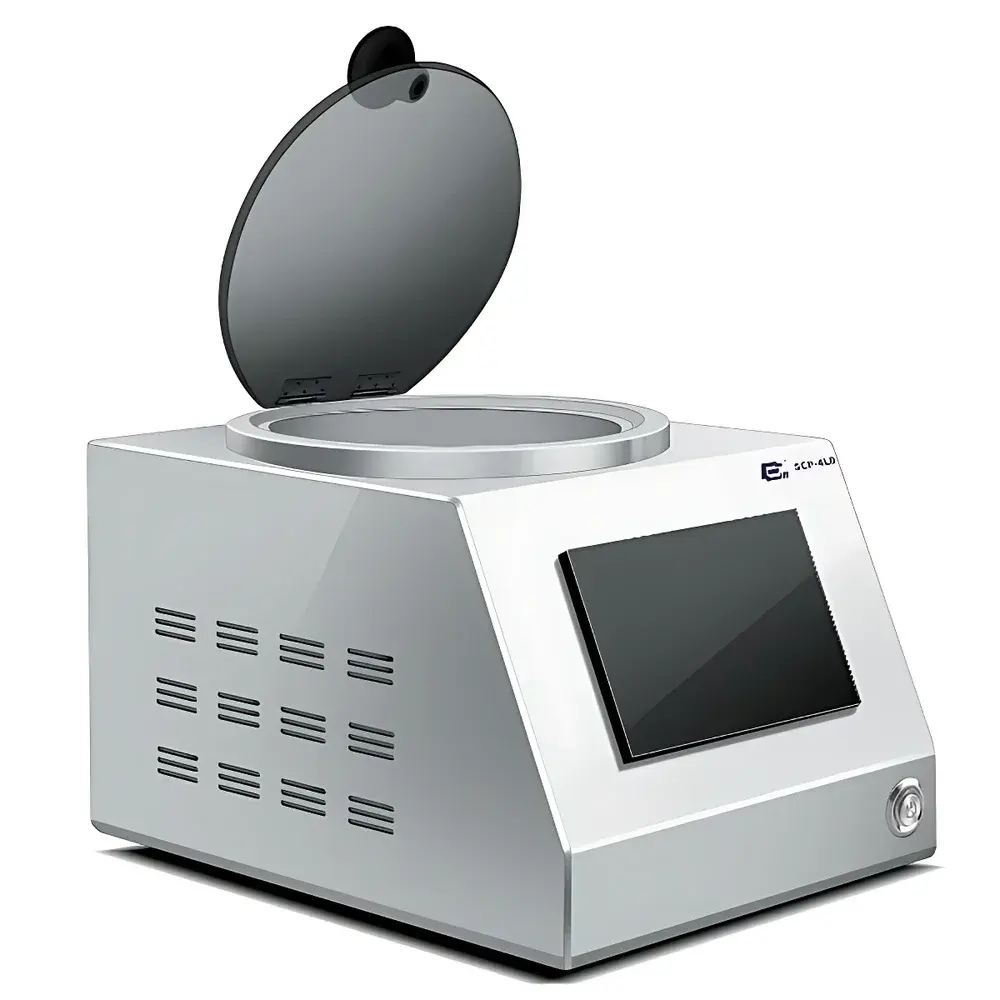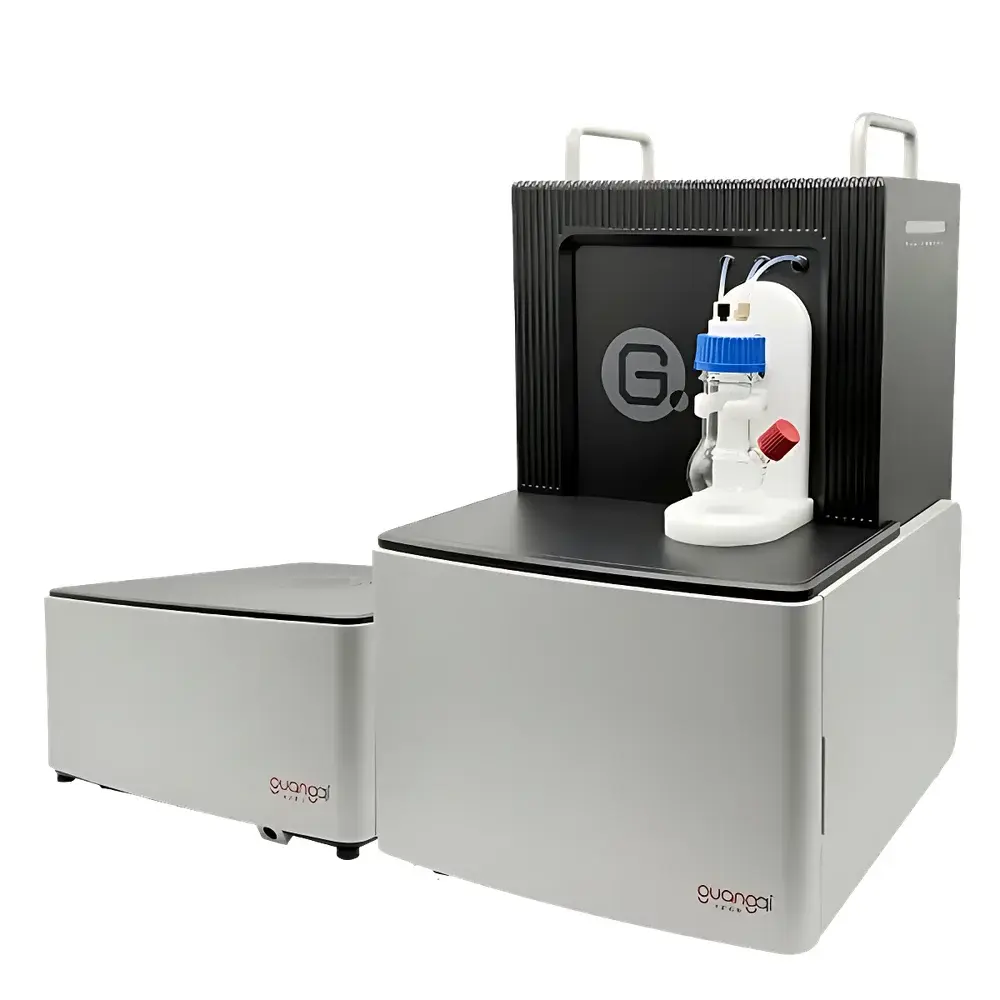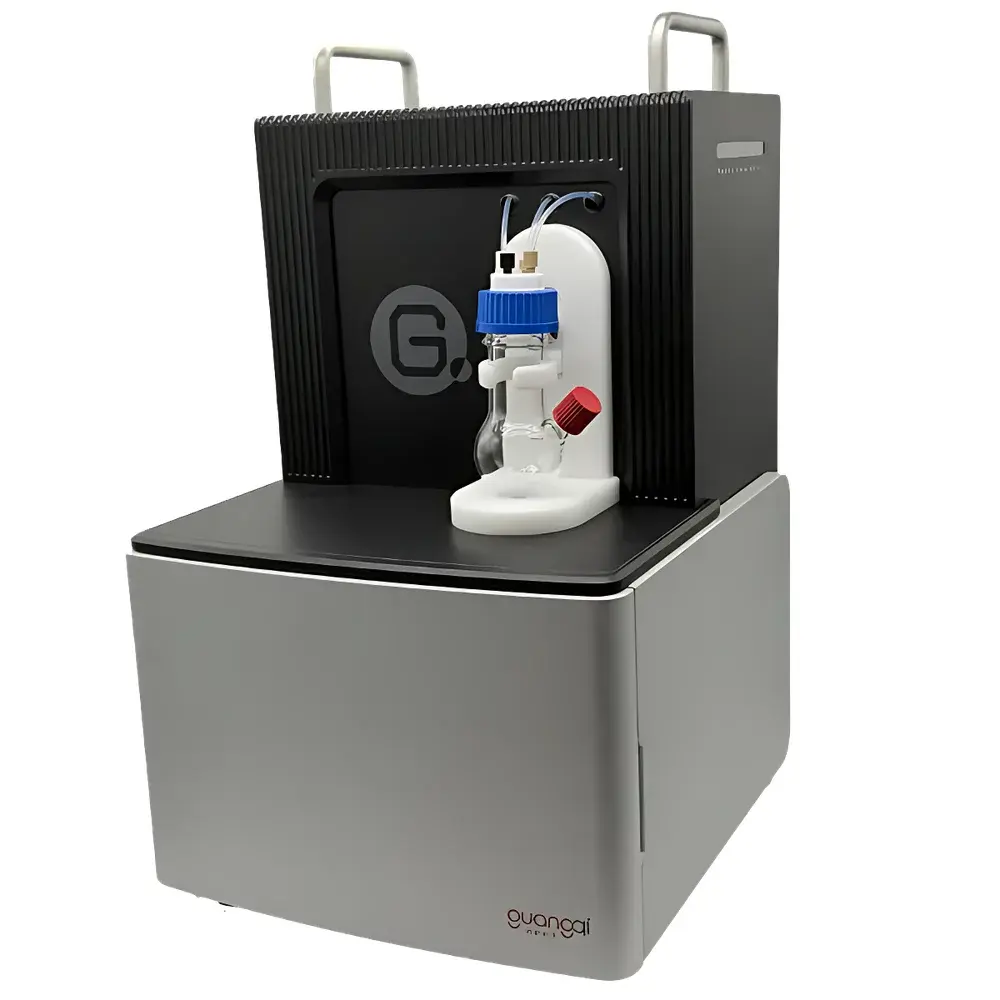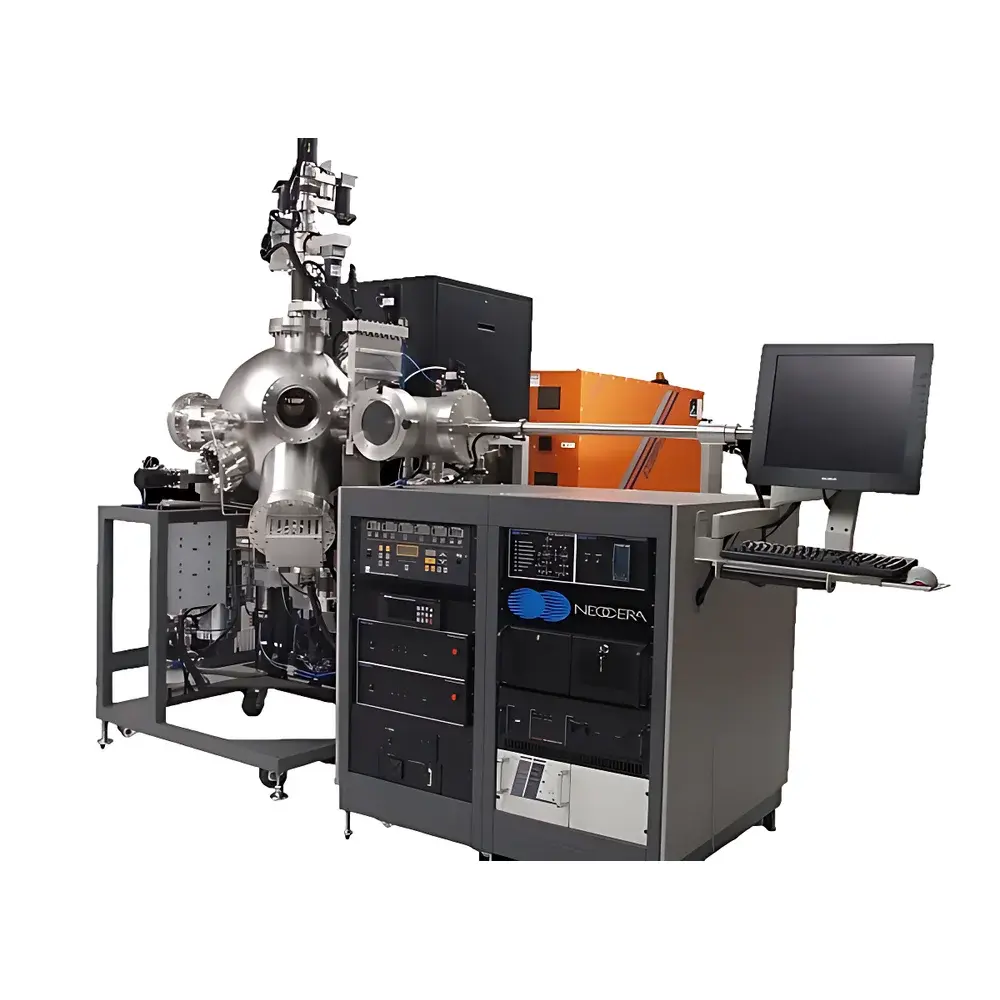
Neocera Ion-Assisted PLD System
| Brand | Neocera |
|---|---|
| Origin | USA |
| Manufacturer Type | Authorized Distributor |
| Origin Category | Imported |
| Model | Ion-Assisted PLD System |
| Pricing | Upon Request |
Overview
The Neocera Ion-Assisted Pulsed Laser Deposition (PLD) System is a high-precision thin-film growth platform engineered for the synthesis of biaxially textured oxide and metallic templates on amorphous or polycrystalline substrates. It integrates conventional pulsed laser deposition with in-situ ion beam assistance—specifically, low-energy ion bombardment during film nucleation and early-stage growth—to control crystallite orientation, surface morphology, and interfacial chemistry. Unlike standard PLD, which relies solely on thermal and kinetic energy from ablated species, this hybrid configuration enables epitaxial-like texture development at near-ambient substrate temperatures (typically 25–150 °C), eliminating thermal budget constraints that preclude the use of temperature-sensitive substrates such as flexible metals, polymers, or pre-patterned Si wafers. The system operates under ultra-high vacuum (UHV) conditions (<5×10⁻⁸ Torr base pressure) and supports reactive gas environments (O₂, N₂, Ar) for stoichiometric oxide deposition, including YSZ (Yttria-Stabilized Zirconia), MgO, CeO₂, and LaAlO₃—materials widely adopted as buffer layers in high-temperature superconducting (HTS) architectures.
Key Features
- Turnkey integrated design combining KrF excimer laser (248 nm, up to 30 Hz repetition rate), UHV deposition chamber, and collimated broad-beam ion source (Ar⁺, O⁺, or N⁺; energy range: 50–1000 eV, current density >1 mA/cm²)
- In-situ reflection high-energy electron diffraction (RHEED) for real-time monitoring of surface reconstruction, layer-by-layer growth mode, and texture evolution during MgO or YSZ template deposition
- Substrate heating stage with programmable temperature control (RT to 800 °C) and precise rotation (0–30 rpm) for uniform ion flux distribution and enhanced azimuthal alignment
- Dual-target carousel enabling sequential or co-deposition of multi-component oxides (e.g., YBCO, PZT, CIGS) without breaking vacuum
- Oxygen-compatible chamber architecture with leak-tight ceramic feedthroughs and metal-sealed flanges, certified for long-duration reactive deposition at partial pressures up to 1×10⁻¹ Torr O₂
- Modular load-lock configuration supporting wafer handling (up to 4-inch diameter) and rapid sample exchange while maintaining base vacuum integrity
Sample Compatibility & Compliance
The system accommodates substrates ranging from single-crystal Si and sapphire to flexible Ni-W and Hastelloy tapes, stainless steel foils, and glass slides. Its low-temperature texture capability makes it especially suitable for roll-to-roll compatible HTS wire manufacturing workflows. All vacuum components comply with ASTM F2787 (Standard Practice for Leak Testing Vacuum Systems), and electrical subsystems meet UL 61010-1 and IEC 61000-6-4 electromagnetic compatibility requirements. Software operation adheres to GLP-compliant data logging standards, with timestamped parameter archives traceable to ISO/IEC 17025 calibration records for laser fluence, ion current, and chamber pressure sensors.
Software & Data Management
Control is executed via Neocera’s proprietary LabVIEW-based interface with deterministic real-time scheduling (≤1 ms loop resolution). Each deposition run generates an immutable metadata package—including laser pulse count, ion dose (ions/cm²), RHEED intensity time-series, and thermocouple history—stored in HDF5 format with SHA-256 checksum validation. Audit trails are enabled per FDA 21 CFR Part 11 guidelines, supporting electronic signatures, role-based access control, and revision-controlled protocol libraries. Export modules support direct integration with MATLAB, Python (via h5py), and commercial thin-film analysis suites (e.g., Bruker DIFFRAC.TOPAS, PANalytical HighScore Plus).
Applications
- Growth of biaxially aligned MgO and YSZ buffer layers on textured Ni-5at.%W substrates for second-generation HTS coated conductors
- Deposition of ferroelectric Pb(Zr,Ti)O₃ (PZT) heterostructures on silicon for MEMS actuators and non-volatile memory devices
- Formation of chalcopyrite CIGS (CuInGaSe₂) absorber layers on soda-lime glass with controlled Na diffusion kinetics
- Interface engineering of metal/oxide Schottky junctions (e.g., Pt/YBCO, Au/CeO₂) for cryogenic sensors and quantum device platforms
- Development of graded composition templates for strain-relaxed III-V-on-Si epitaxy using ion-modulated adatom mobility
FAQ
What vacuum level is required for stable ion-assisted PLD operation?
Base pressure must be maintained below 5×10⁻⁸ Torr prior to ion beam activation to ensure minimal residual gas scattering and consistent ion energy distribution.
Can the system deposit metallic films without oxidation?
Yes—by operating in pure Ar or UHV conditions and disabling reactive gas inlets, the system supports metallic (e.g., Ni, Ag, CoFeB) and nitride (e.g., TiN, AlN) film growth with controlled stoichiometry.
Is RHEED integration optional or standard?
RHEED is a factory-installed standard diagnostic module, including electron gun, phosphor screen, and high-speed CCD camera with 12-bit dynamic range and sub-frame temporal resolution.
How is ion beam alignment verified and maintained?
A dedicated Faraday cup array and beam profile imager are included for periodic ion current mapping; alignment is adjusted via differential pumping stages and magnetic steering coils calibrated against NIST-traceable beam current standards.
Does the system support remote operation and monitoring?
Yes—via secure TLS-encrypted Ethernet connection, enabling full parameter control, live RHEED video streaming, and alarm-triggered SMS/email notifications through optional Neocera CloudLink gateway.