
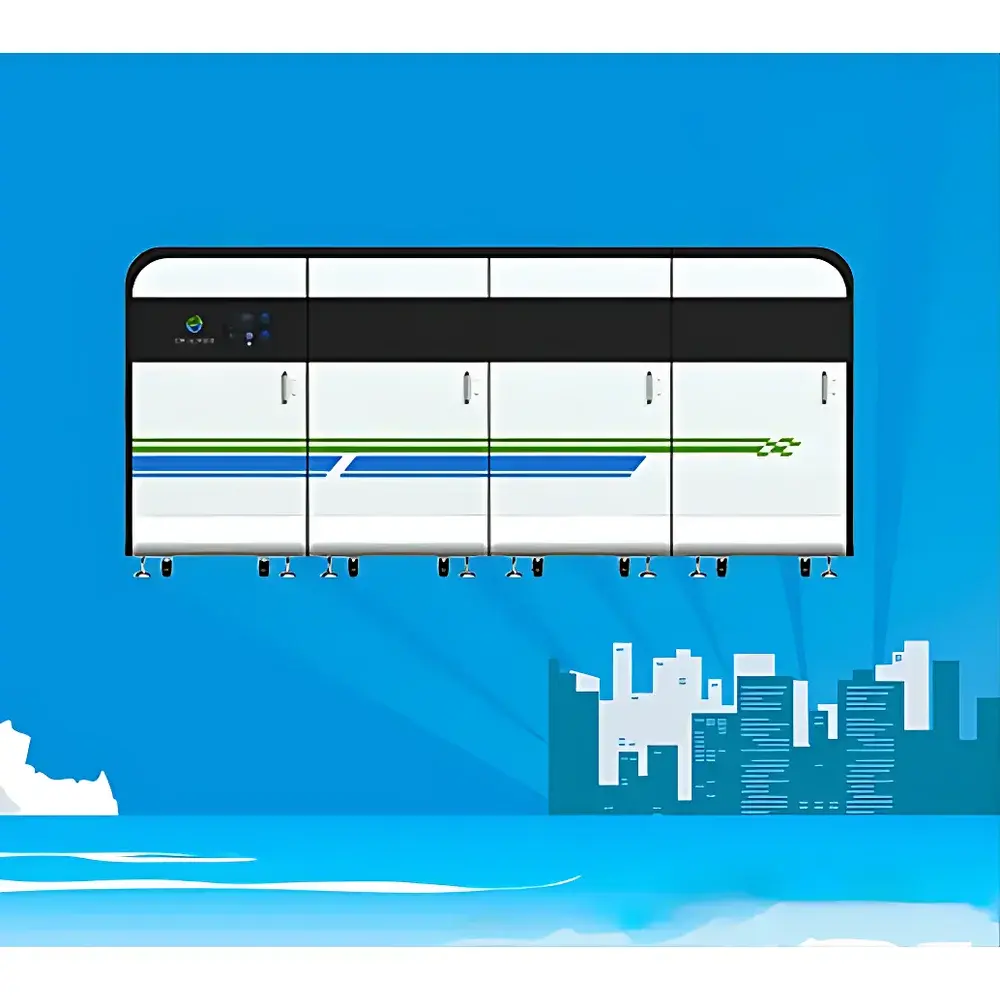
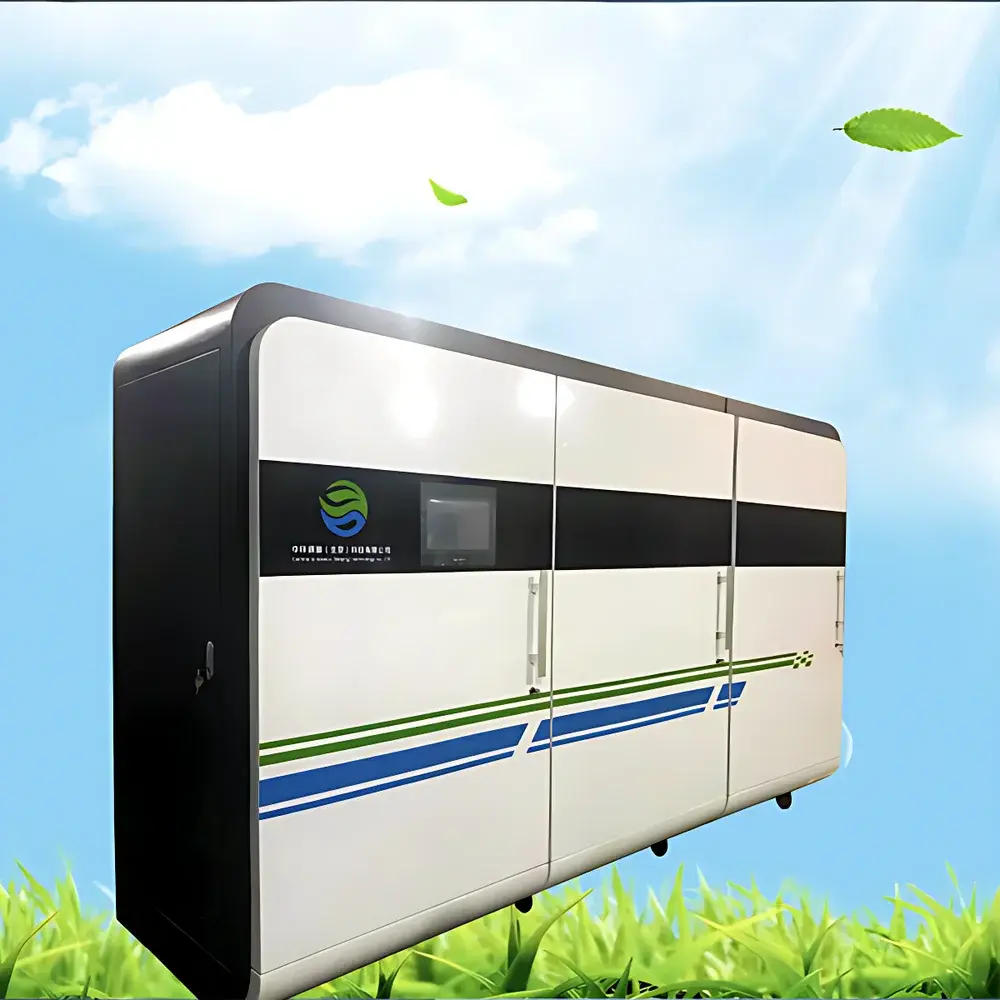
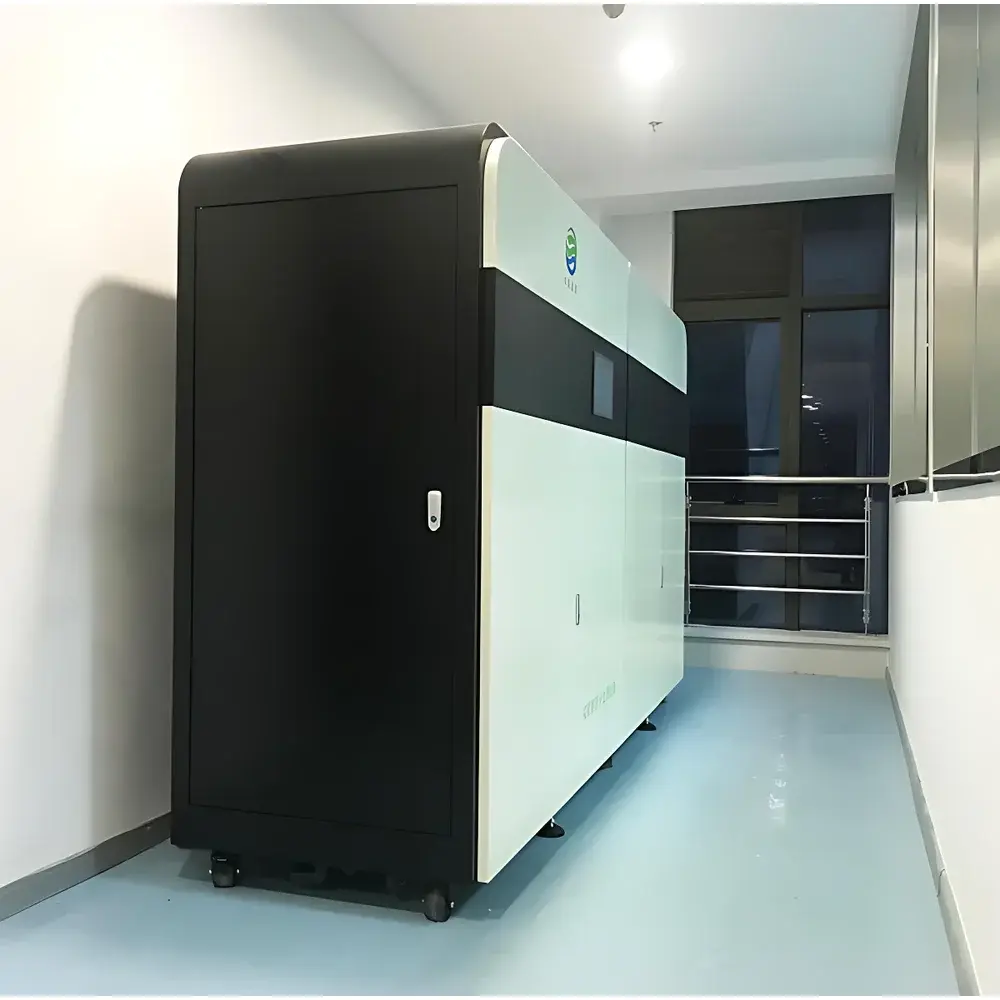
Zhonghuan Qingyuan ZHFS-500L-T Integrated Laboratory Wastewater Treatment System
| Brand | Zhonghuan Qingyuan (ZHQY) |
|---|---|
| Origin | Beijing, China |
| Manufacturer Type | Direct Manufacturer |
| Product Origin | Domestic (China) |
| Model | ZHFS-500L-T |
| Treatment Capacity | 500 L/day |
| Treatment Principles | Coagulation-Flocculation, Oxidation (Electrochemical, Ozone, Photocatalytic), Adsorption, Filtration, Disinfection |
| Compliance Standard | GB 8978–1996 Class I Discharge Limits |
| Application Scope | Mixed Laboratory Wastewater (Inorganic, Organic, Biological) |
Overview
The Zhonghuan Qingyuan ZHFS-500L-T Integrated Laboratory Wastewater Treatment System is an engineered solution designed for the safe, compliant, and scalable treatment of heterogeneous laboratory effluent. Unlike municipal wastewater, laboratory wastewater contains complex, variable, and often hazardous constituents—including heavy metals (Pb²⁺, Hg²⁺, Cd²⁺, Cr⁶⁺, Cu²⁺, Sb³⁺, Fe²⁺, Al³⁺, Mn²⁺), halides, strong acids/bases, organic solvents (e.g., benzene, toluene, xylene, phenols), organophosphorus pesticides, pathogenic microorganisms (viruses, chlamydia, mycoplasma, spores), and low-level radionuclides. This system employs a multi-stage, process-integrated architecture grounded in physicochemical and advanced oxidation principles—specifically coagulation-flocculation for colloidal and suspended solids removal; electrochemical and ozone-based catalytic oxidation for refractory organics and COD/BOD reduction; photocatalytic oxidation under UV activation for persistent micropollutants; selective adsorption and micro-electrolysis for heavy metal immobilization; membrane-assisted ultrafiltration for particulate and microbial retention; and composite disinfection (UV + chlorine dioxide or sodium hypochlorite) for complete pathogen inactivation. The system is validated to achieve consistent effluent quality meeting China’s national discharge standard GB 8978–1996 (Class I limits), as well as GB/T 31962–2015 for sewer discharge compatibility—making it suitable for integration into new laboratory infrastructure requiring environmental impact assessment (EIA) approval.
Key Features
- Modular, all-in-one design with compact footprint—no civil works or multiple tank excavations required
- Full automation via PLC-based central control system with intuitive HMI interface; unattended 24/7 operation supported
- Multi-layered safety protection: leakage detection, overcurrent/overvoltage cutoff, dry-run prevention, liquid level monitoring per unit, motor overload and circuit short-circuit protection
- Self-cleaning cycles scheduled for critical components (e.g., micro-electrolysis electrodes, filter housings, UV quartz sleeves) to extend service life and maintain hydraulic efficiency
- Energy-efficient operation: low-power corrosion-resistant pumps and compound silent motors reduce operational noise (<65 dB(A)) and power consumption
- Sealed process train eliminates secondary emissions—zero odor, zero aerosol release, no sludge generation, no exhaust venting required
- Precision reagent dosing via gravimetric or volumetric metering pumps; chemical consumption optimized by real-time pH/ORP feedback loops
- Structural ergonomics: rounded stainless-steel housing (304 grade), anti-collision edges, and wall-mount or floor-standing configuration options for indoor corridor or utility room deployment
Sample Compatibility & Compliance
The ZHFS-500L-T accommodates mixed influent streams typical of research laboratories, teaching facilities, pharmaceutical QC labs, clinical diagnostic centers, and university core facilities. It is validated for three primary contaminant categories: (1) Inorganic—acidic/alkaline waste, heavy metal ions, cyanide, fluoride, nitrate, phosphate; (2) Organic—halogenated and non-halogenated solvents, aromatic compounds, phenolics, aldehydes, esters, and pesticide residues; (3) Biological—culturable bacteria, viruses (including enveloped and non-enveloped types), fungal spores, and protozoan cysts. All treatment units operate within defined hydraulic retention times (HRTs) and redox potentials to ensure reproducible removal efficiencies. System performance data are traceable and auditable per GLP-aligned documentation protocols. While not certified to ISO 14001 or FDA 21 CFR Part 11 out-of-the-box, the control architecture supports audit trail logging, user access levels, and electronic signature readiness—facilitating alignment with GMP, ISO/IEC 17025, or local environmental regulatory frameworks during third-party verification.
Software & Data Management
The embedded control system runs on a real-time Linux OS with dual-mode operation: automatic sequence control and manual override mode for maintenance or validation. Process parameters—including influent/effluent pH, ORP, conductivity, turbidity, residual oxidant concentration, pump run hours, and reagent batch usage—are logged at 1-minute intervals and stored locally for ≥12 months. Historical datasets export in CSV format via USB or Ethernet. Optional RS-485/Modbus TCP integration enables connection to building management systems (BMS) or centralized lab infrastructure dashboards. Alarm events trigger visual indicators on the HMI and optional email/SMS notifications (via external gateway). Calibration logs, maintenance schedules, and consumable replacement records are managed within the system’s built-in maintenance module—supporting preventive maintenance planning and regulatory record retention requirements.
Applications
This system serves laboratories where effluent composition varies significantly across departments or experimental cycles—e.g., chemistry synthesis labs generating solvent-heavy waste; biology labs discharging culture media and viral vectors; analytical labs using heavy metal standards and digestion reagents; and medical research facilities handling biohazardous samples. It is deployed in newly constructed academic science buildings complying with provincial EIA mandates, retrofit installations in legacy facilities lacking pre-treatment infrastructure, and mobile lab units requiring rapid commissioning. With scalable variants available (1–50 m³/day), the ZHFS platform supports phased expansion—allowing institutions to standardize treatment protocols across satellite campuses or multi-floor laboratory complexes while maintaining uniform discharge compliance.
FAQ
What types of laboratories is this system certified for?
It is engineered for general-purpose research, teaching, clinical, and industrial R&D laboratories handling mixed inorganic, organic, and biological wastewater—not intended for radioactive waste or high-concentration cyanide (>50 mg/L) without upstream pretreatment.
Does the system require chemical storage or hazardous material handling?
Yes—standard operation uses coagulants (e.g., PAC), flocculants (e.g., PAM), pH adjusters (NaOH/H₂SO₄), oxidants (NaOCl, O₃), and adsorbents (activated carbon). Storage and handling must comply with local chemical safety regulations (e.g., GB 15603).
Can treated effluent be reused?
The output meets GB 8978–1996 Class I limits for direct discharge but is not potable or process-water grade without additional polishing (e.g., RO); reuse is limited to non-contact applications such as landscape irrigation or toilet flushing—subject to local water authority approval.
How often do consumables need replacement?
Activated carbon media: 6–12 months depending on organic load; ceramic membranes: 2–3 years with routine backwashing; UV lamps: 9,000–12,000 operating hours; electrode packs (micro-electrolysis): 18–24 months under nominal loading.
Is remote monitoring supported?
Standard configuration includes local HMI only; remote access requires optional IoT gateway hardware and secure VPN configuration—available as an add-on package with IT security documentation.



