
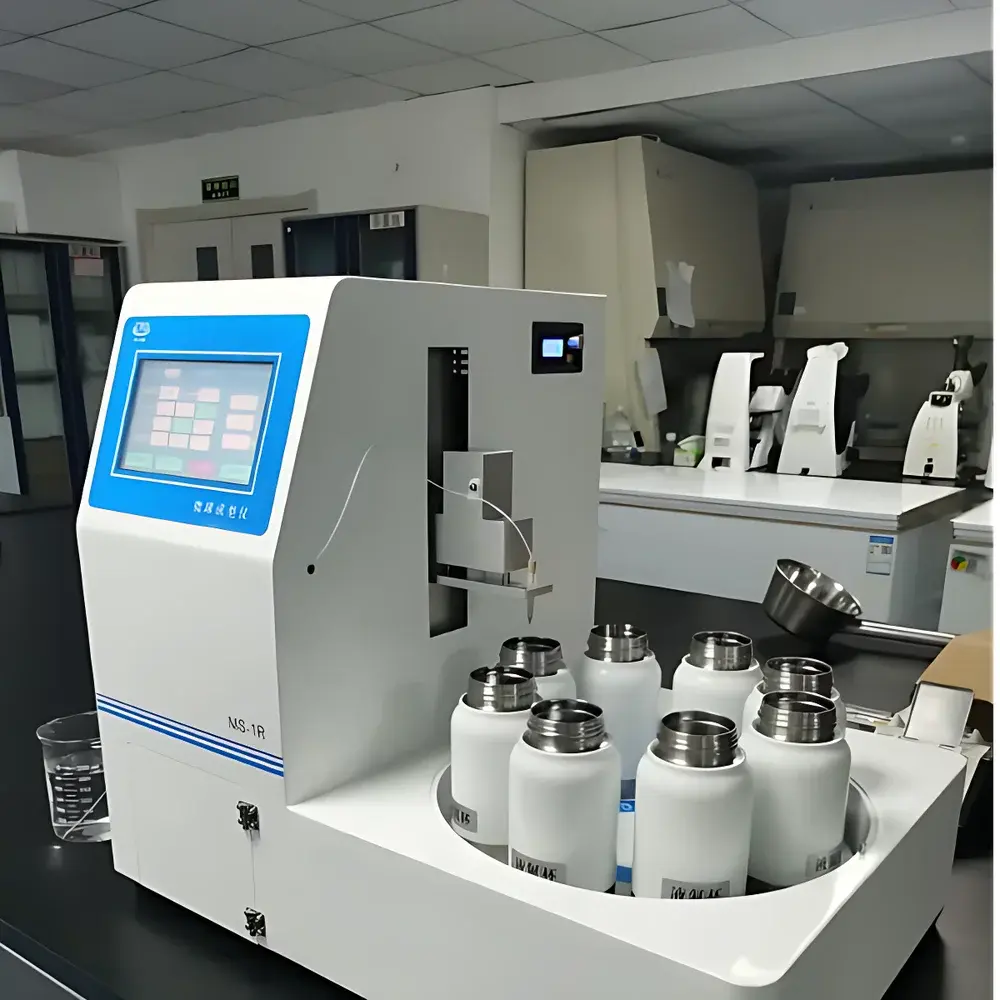
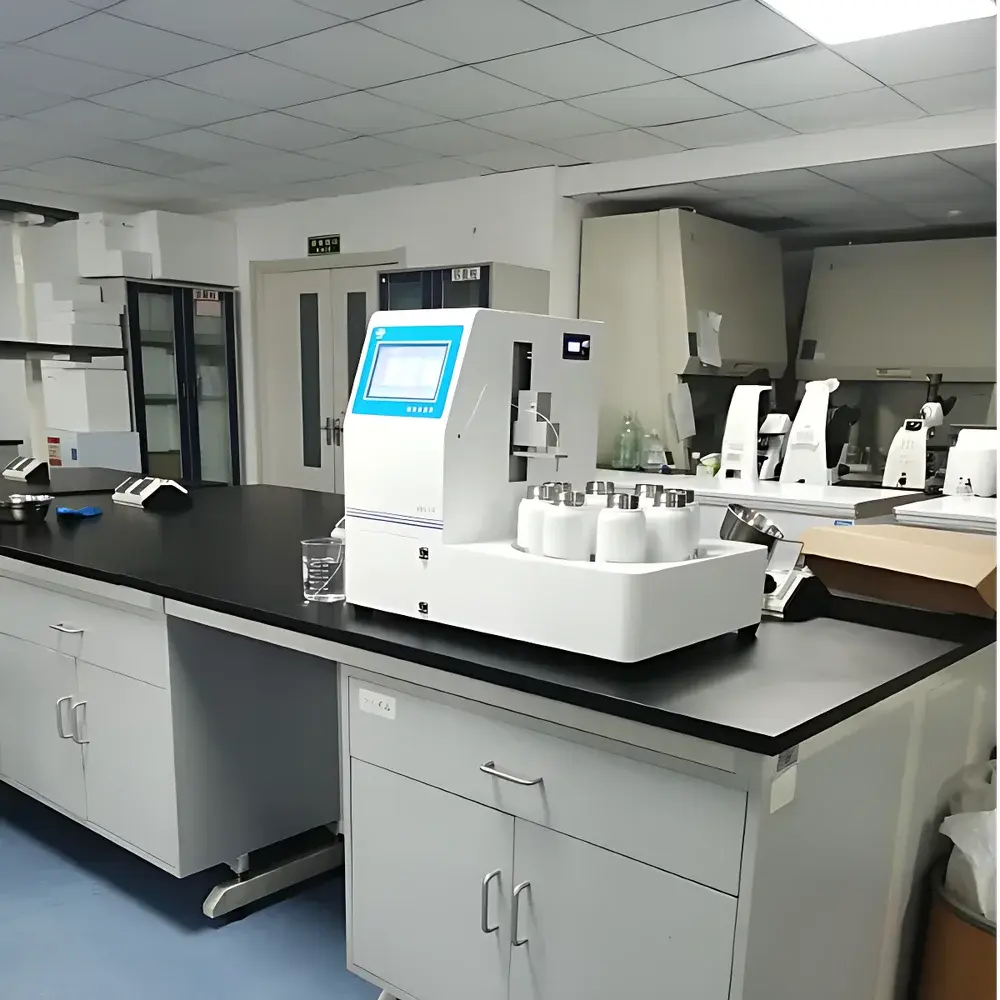
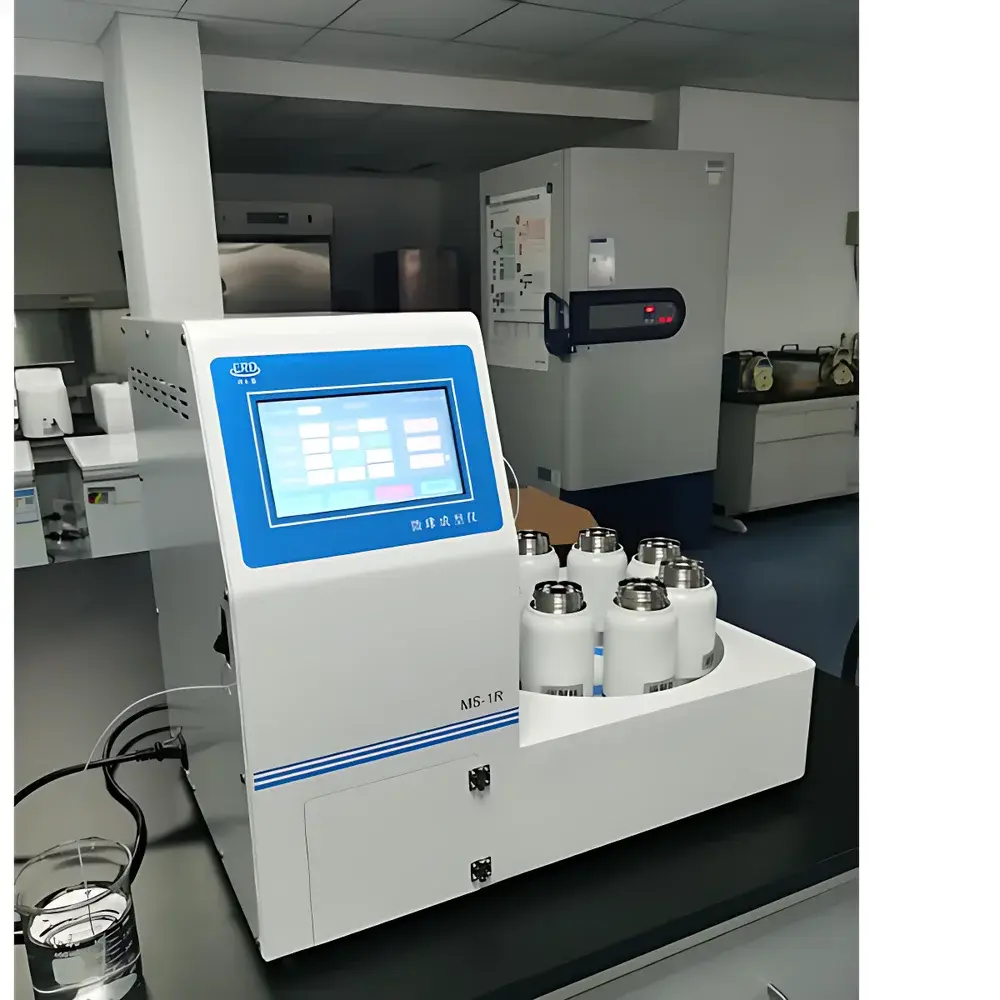
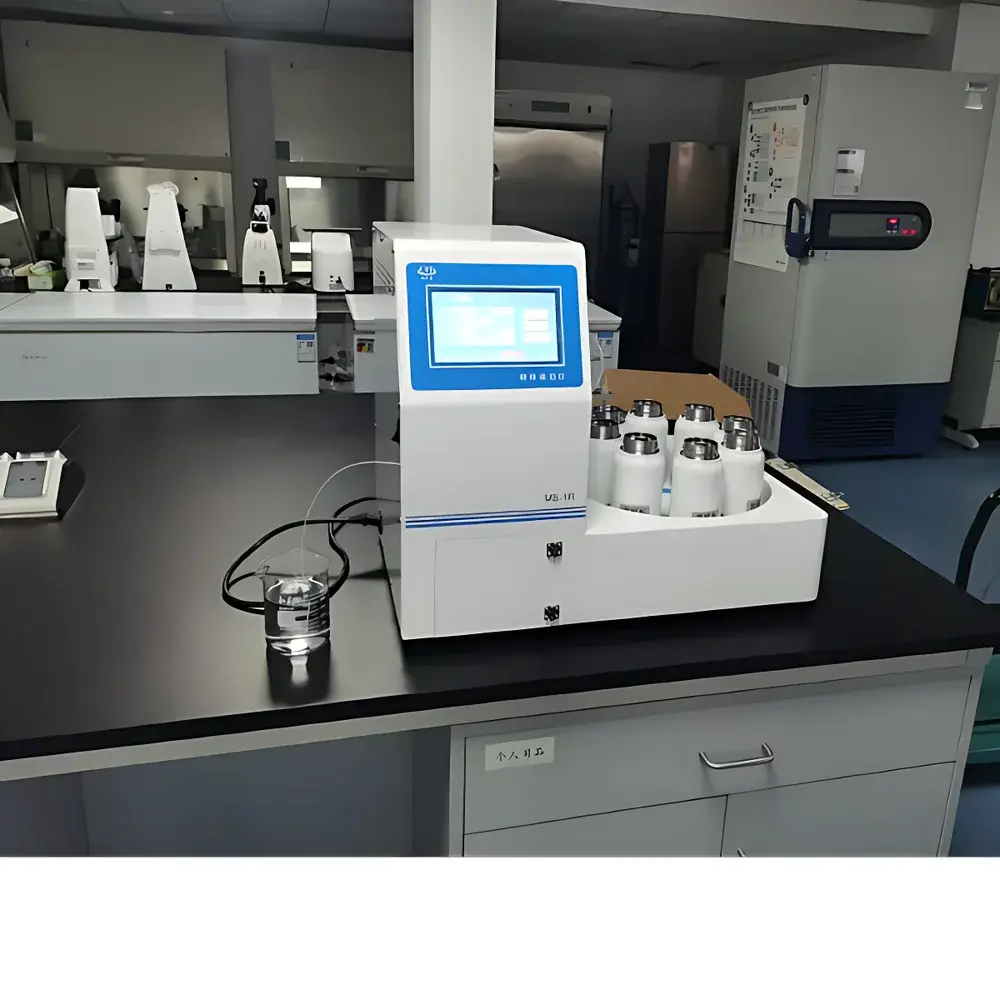
AA OPTO Electronic MS-1R Microsphere Forming Instrument
| Brand | AA OPTO Electronic |
|---|---|
| Origin | Beijing, China |
| Manufacturer Type | Authorized Distributor |
| Country of Origin | China |
| Model | MS-1R |
| Pricing | Available Upon Request |
Overview
The AA OPTO Electronic MS-1R Microsphere Forming Instrument is an engineered platform for the controlled, reproducible generation of monodisperse microspheres via precision droplet-based cryogenic or solvent-based microencapsulation. Utilizing a vibration-assisted, nozzle-based droplet formation principle—where liquid feedstock is extruded through a ceramic micro-nozzle and subjected to programmable mechanical oscillation—the system enables deterministic control over droplet size, sphericity, and solidification kinetics. This process is foundational for producing uniform polymeric, lipidic, or proteinaceous microspheres used in diagnostic reagent stabilization, controlled drug release, and biologics preservation. The instrument operates on a core principle of fluid dynamic modulation: by synchronizing piezo-driven vibration frequency, flow rate (via constant-current peristaltic pumping), and drop detachment timing, it achieves high batch-to-batch consistency without manual intervention or pre-filling steps—a critical requirement for GLP-compliant R&D and early-stage manufacturing environments.
Key Features
- Compact, integrated benchtop architecture with footprint optimized for ISO Class 5–7 cleanroom integration.
- Ceramic pump core offering chemical resistance to organic solvents (e.g., DCM, chloroform, ethanol), aqueous buffers, and acidic/basic formulations—ensuring long-term dimensional stability and minimal leachables.
- Modular sample cup configuration supporting 2-, 4-, or 8-position trays; each position independently addressable for multi-formulation screening.
- Constant-flow, self-priming micro-peristaltic pump eliminating air entrapment and enabling uninterrupted operation over extended runs (≥72 h continuous duty).
- Low-adsorption wetted path constructed entirely from USP Class VI-certified polymers and electropolished 316L stainless steel—validated for protein, nucleic acid, and live-cell formulations.
- Adjustable mechanical vibration amplitude (0–5 mm peak-to-peak) and frequency (10–200 Hz) to modulate droplet breakup dynamics across viscosities ranging from 1–500 mPa·s.
- Direct-drive (DD) motor platform with high-resolution optical rotary encoder (≤0.001° resolution) and automatic homing routine—eliminating gear backlash and ensuring positional repeatability < ±0.02 mm.
- PLC-based control architecture (IEC 61131-3 compliant) paired with embedded V1.0 real-time OS, delivering deterministic cycle timing and fault-tolerant sequencing.
- 7-inch capacitive touchscreen HMI with intuitive workflow navigation, real-time status dashboard (including elapsed time, total dispensed volume, drop count, temperature log), and configurable alarm thresholds.
- Comprehensive safety interlocks: thermal overload protection, motor stall detection, nozzle clog monitoring, origin-sensor validation, and sequential process gating to prevent protocol violation.
Sample Compatibility & Compliance
The MS-1R accommodates a broad spectrum of formulation chemistries—including PLGA, PCL, chitosan, alginate, lipids (e.g., DSPC/cholesterol), and protein-polymer conjugates—across concentration ranges typical of microsphere development (0.5–20% w/v). All fluid-contact materials comply with USP <87> and <88> cytotoxicity testing protocols. System design adheres to IEC 61010-1 for laboratory equipment safety and supports audit-ready documentation per FDA 21 CFR Part 11 (electronic records/signatures) when operated with validated software extensions. Process parameters—including vibration profile, flow rate, cup temperature (when interfaced with external chillers), and drop count—are fully traceable and exportable in CSV/Excel format for GLP/GMP-aligned reporting.
Software & Data Management
The embedded V1.0 control firmware provides full parameter logging at 100 ms intervals, with onboard storage (≥16 GB) supporting ≥10,000 complete run records. Exported datasets include timestamped metadata (operator ID, protocol version, environmental ambient reading), raw sensor outputs (vibration amplitude, motor current, encoder position), and calculated metrics (mean drop interval, coefficient of variation in drop mass). Optional Ethernet/Wi-Fi connectivity enables remote monitoring via secure HTTPS interface and integration into LIMS or MES platforms using Modbus TCP or OPC UA protocols. Audit trail functionality meets ALCOA+ principles: attributable, legible, contemporaneous, original, accurate, complete, consistent, enduring, and available.
Applications
- Diagnostics: Production of lyophilized microsphere reagents for clinical chemistry analyzers, immunoassay cartridges (CLIA, ELISA, lateral flow), and microfluidic point-of-care devices—enabling room-temperature stable enzyme conjugates, antibodies, and calibrators.
- Pharmaceutical Development: Fabrication of sustained-release microspheres for parenteral delivery (e.g., peptide hormones, antipsychotics); optimization of encapsulation efficiency and burst release profiles under GMP-relevant scale-down conditions.
- Cell & Gene Therapy: Encapsulation of primary T-cells, dendritic cells, or mRNA-LNPs in protective hydrogel matrices to enhance viability during cryopreservation and post-thaw recovery.
- Research Tools: Generation of calibration standards for light scattering, microscopy, and flow cytometry; fabrication of model systems for studying diffusion-controlled release kinetics or bio-interface interactions.
FAQ
What types of polymers and biomolecules are compatible with the MS-1R?
The system supports water-soluble polymers (e.g., PVA, alginate, gelatin), organic-soluble biodegradables (e.g., PLGA, PCL), lipids, proteins, antibodies, nucleic acids, and viable mammalian cells—provided viscosity remains within operational limits (1–500 mPa·s) and solvent compatibility with ceramic/nozzle materials is confirmed.
Does the MS-1R support sterile processing?
While the instrument itself is not Class A/B certified, its low-adsorption fluid path and modular cup design enable aseptic assembly using gamma-sterilized consumables; integration with laminar flow hoods and ISO 5 isolators is routinely implemented by users.
Can process parameters be exported for regulatory submission?
Yes—full parameter logs, including timestamps, operator IDs, and system health diagnostics, are exportable in FDA 21 CFR Part 11–compliant formats with electronic signature capability when paired with optional validation packages.
Is technical support available for method development?
AA OPTO Electronic provides application engineering support—including viscosity profiling, nozzle selection guidance, and protocol optimization—for academic, diagnostic, and pharmaceutical customers under service-level agreements.



