
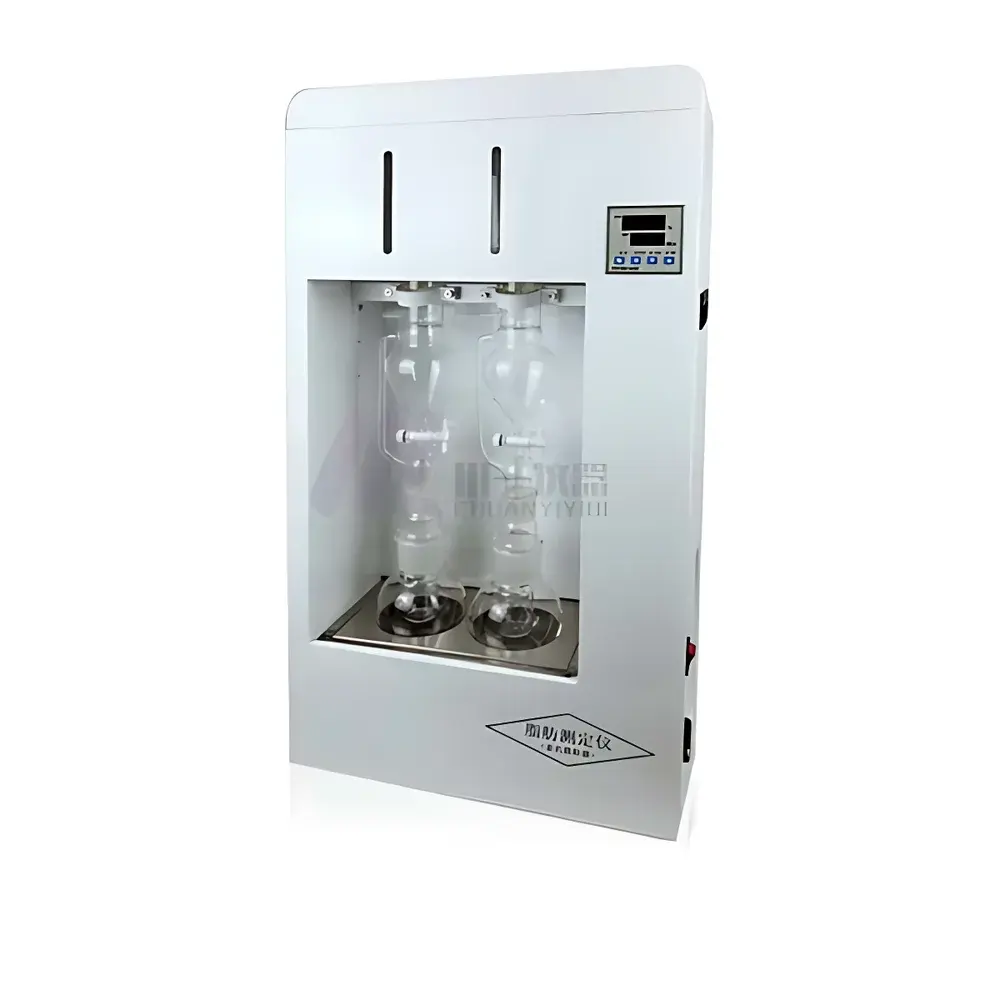
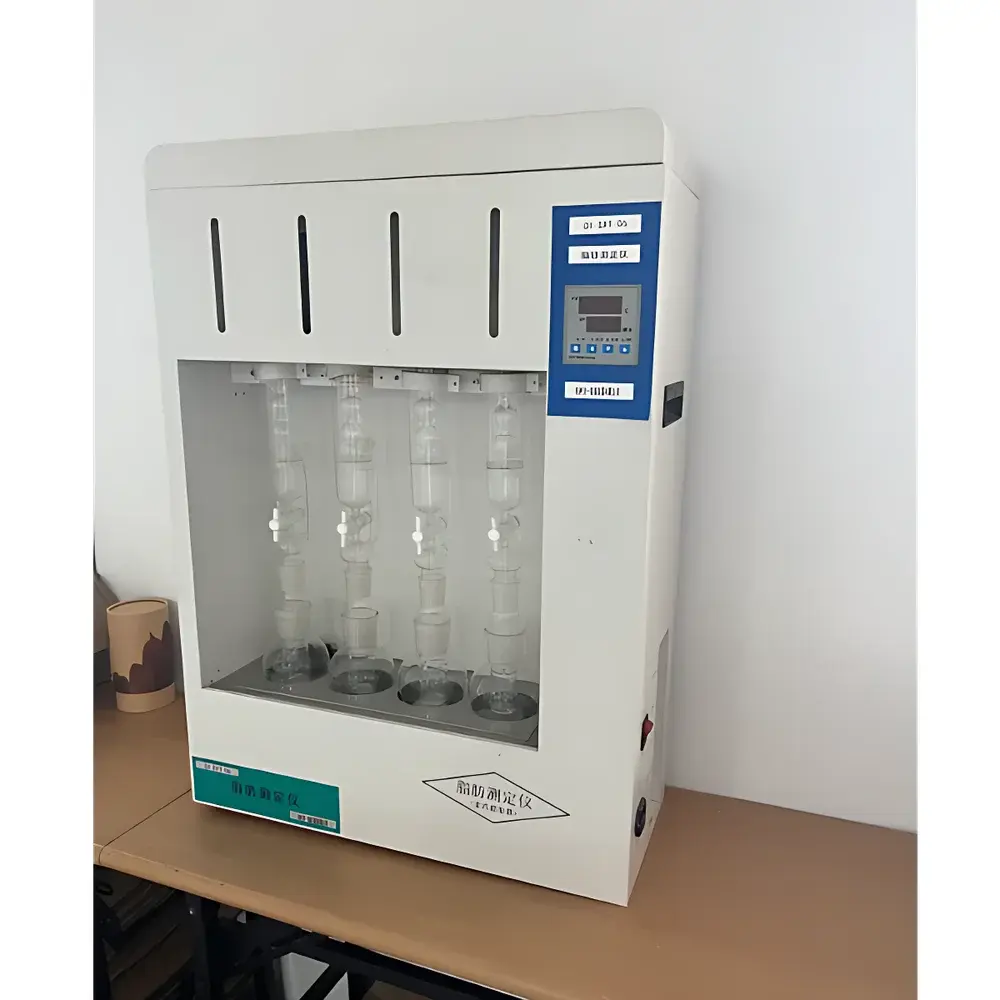
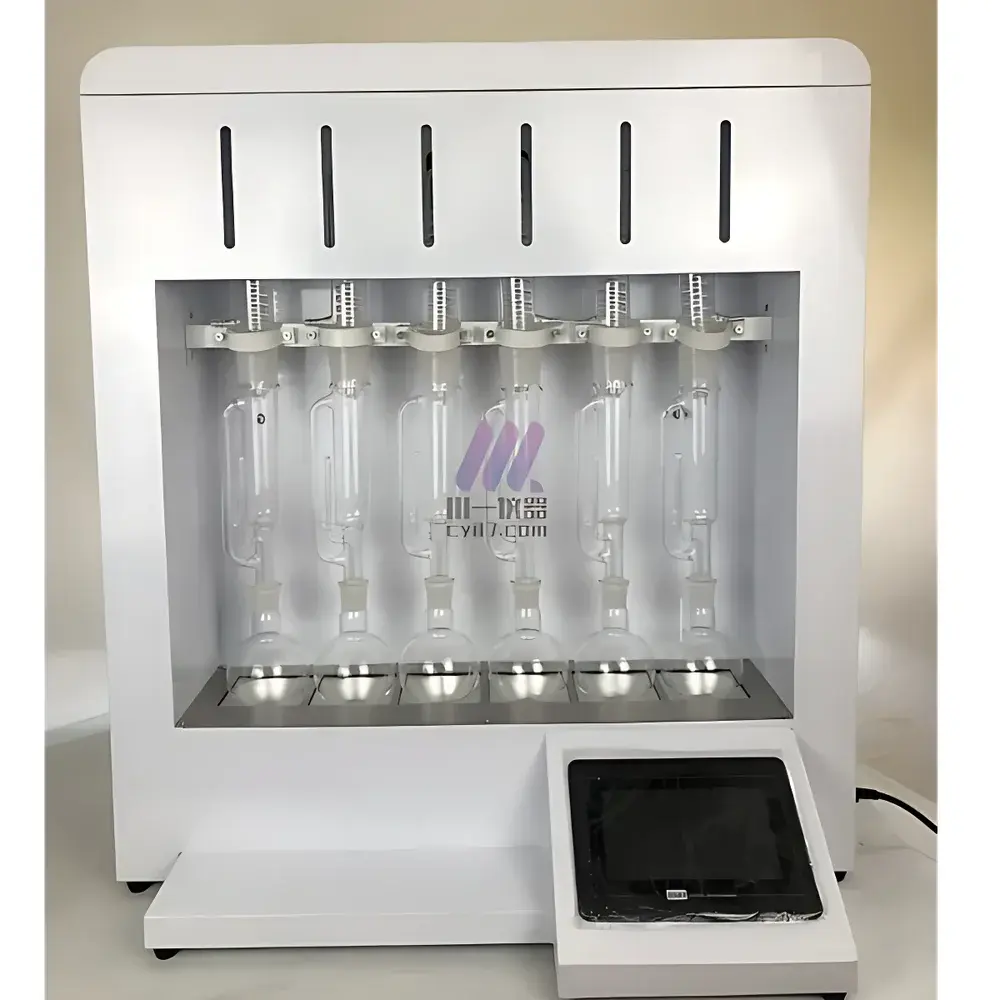
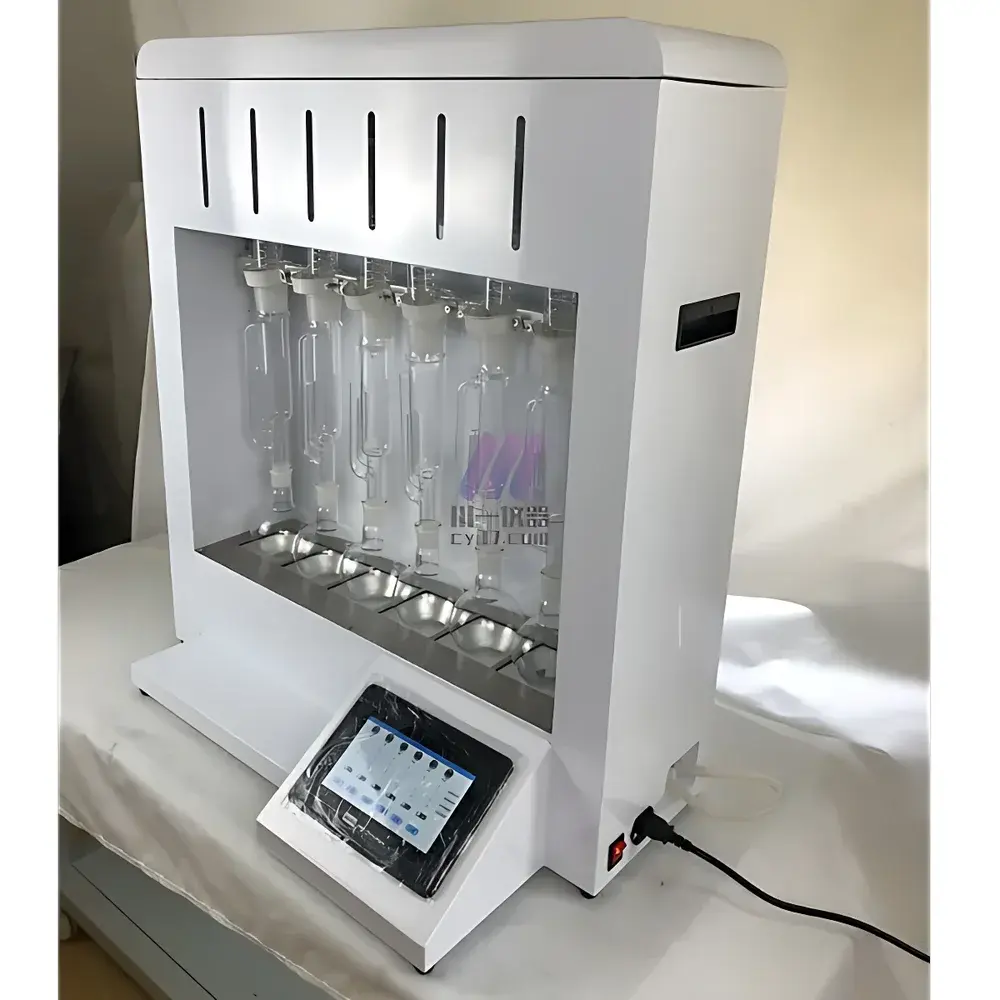
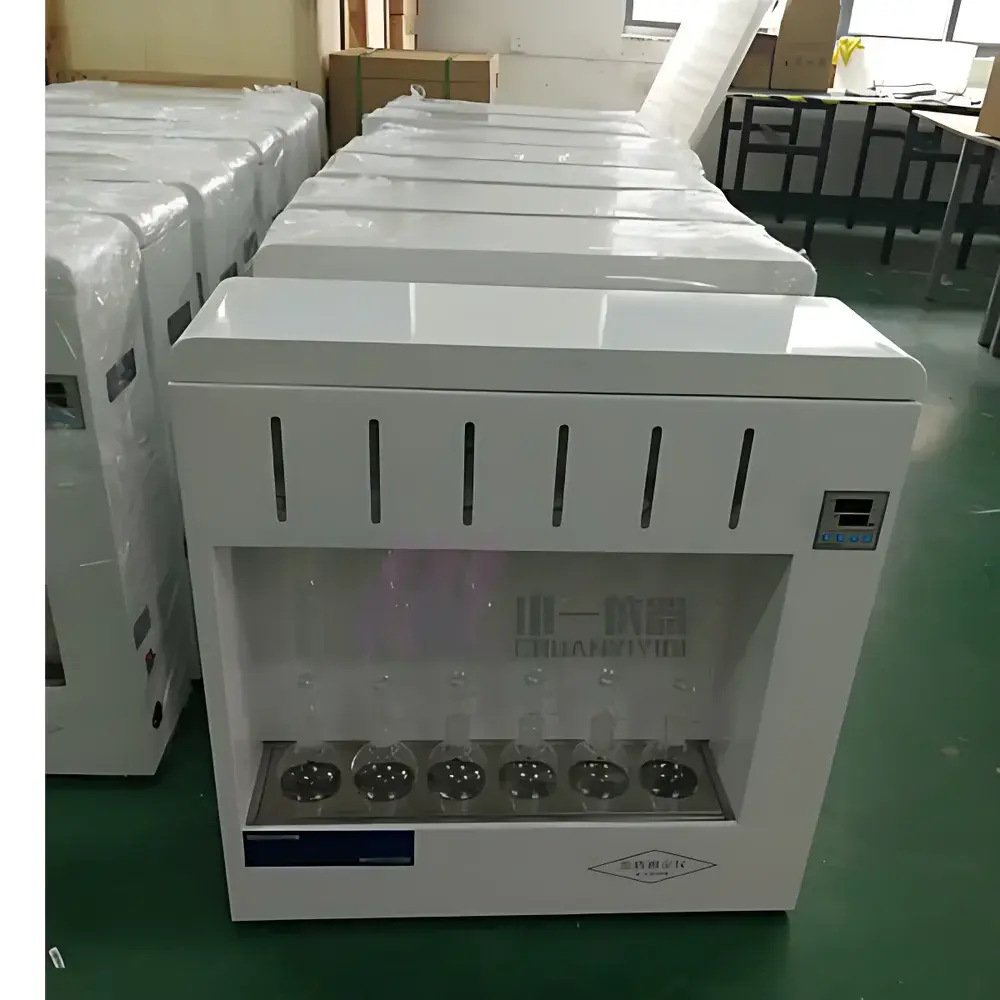
AYAN CY-SXT-02 Automated Fat Analyzer (Soxhlet Extractor)
| Brand | AYAN |
|---|---|
| Origin | Zhejiang, China |
| Model | CY-SXT-02 |
| Temperature Range | Room Temp +5°C to 100°C |
| Channel Capacity | 2/4/6 parallel extraction positions |
| Sample Weight per Vessel | 0.5–20 g |
| Extraction Flask Volume | 500 mL (2-channel) |
| Heating Power | 300 W |
| Power Supply | 220 V ±10 V, 50 Hz |
| Dimensions (W×D×H) | 425×230×840 mm |
| Net Weight | 17 kg |
| Compliance | Designed in accordance with GB 5512–1985 for crude fat determination |
Overview
The AYAN CY-SXT-02 Automated Fat Analyzer is a benchtop Soxhlet extraction system engineered for precise, reproducible quantification of crude fat content in solid and semi-solid matrices. It operates on the classical Soxhlet principle—continuous solvent reflux extraction—where a heated solvent (e.g., petroleum ether, diethyl ether, or hexane) repeatedly percolates through a thimble-contained sample, dissolving lipids and returning to the boiling flask via siphon action. This cyclic process ensures exhaustive lipid recovery while minimizing manual intervention. Unlike manual Soxhlet setups, the CY-SXT-02 integrates automated heating control, timed extraction cycles, and integrated solvent recovery—reducing operator exposure, improving inter-batch consistency, and enabling unattended operation for up to 8 hours. The instrument is purpose-built for routine analysis in food safety labs, animal feed quality control, agricultural research, and environmental testing laboratories where compliance with standardized fat determination protocols is mandatory.
Key Features
- Modular parallel extraction architecture supporting 2, 4, or 6 independent channels—enabling high-throughput batch processing without cross-contamination.
- Precise digital temperature control (range: ambient +5°C to 100°C) with ±1°C stability, allowing optimization for low-boiling solvents (e.g., petroleum ether, bp ~40–60°C) or higher-boiling alternatives.
- Integrated solvent recovery circuit with condenser-cooled reflux path and vapor-trap design—reducing solvent consumption by >30% versus conventional open-reflux systems.
- Programmable extraction duration (0–999 min), with audible end-of-cycle alarm and automatic heating shutoff to prevent overheating or dry-run conditions.
- Robust stainless-steel heating mantle and borosilicate glassware set (extraction thimbles, boiling flasks, condensers) compliant with chemical resistance standards for organic solvents.
- Ergonomic vertical column layout with front-accessible sample loading and solvent reservoir—minimizing lab footprint and facilitating GLP-aligned workflow documentation.
Sample Compatibility & Compliance
The CY-SXT-02 accommodates diverse sample types including ground cereals, pelleted or mash animal feed, oilseeds (soybean, rapeseed), dried soil extracts, and processed food products. Each extraction vessel accepts 0.5–20 g of homogenized, moisture-controlled material—compatible with standard AOAC 920.39, ISO 6496:1999, and GB 5512–1985 methodologies for crude fat determination. All wetted components are inert to chlorinated and non-polar solvents; optional cellulose or glass-fiber thimbles ensure consistent pore size distribution (20–25 µm) for uniform extraction kinetics. The system supports audit-ready operation when paired with laboratory notebooks documenting batch numbers, solvent lots, extraction times, and blank corrections—aligning with ISO/IEC 17025 internal quality requirements.
Software & Data Management
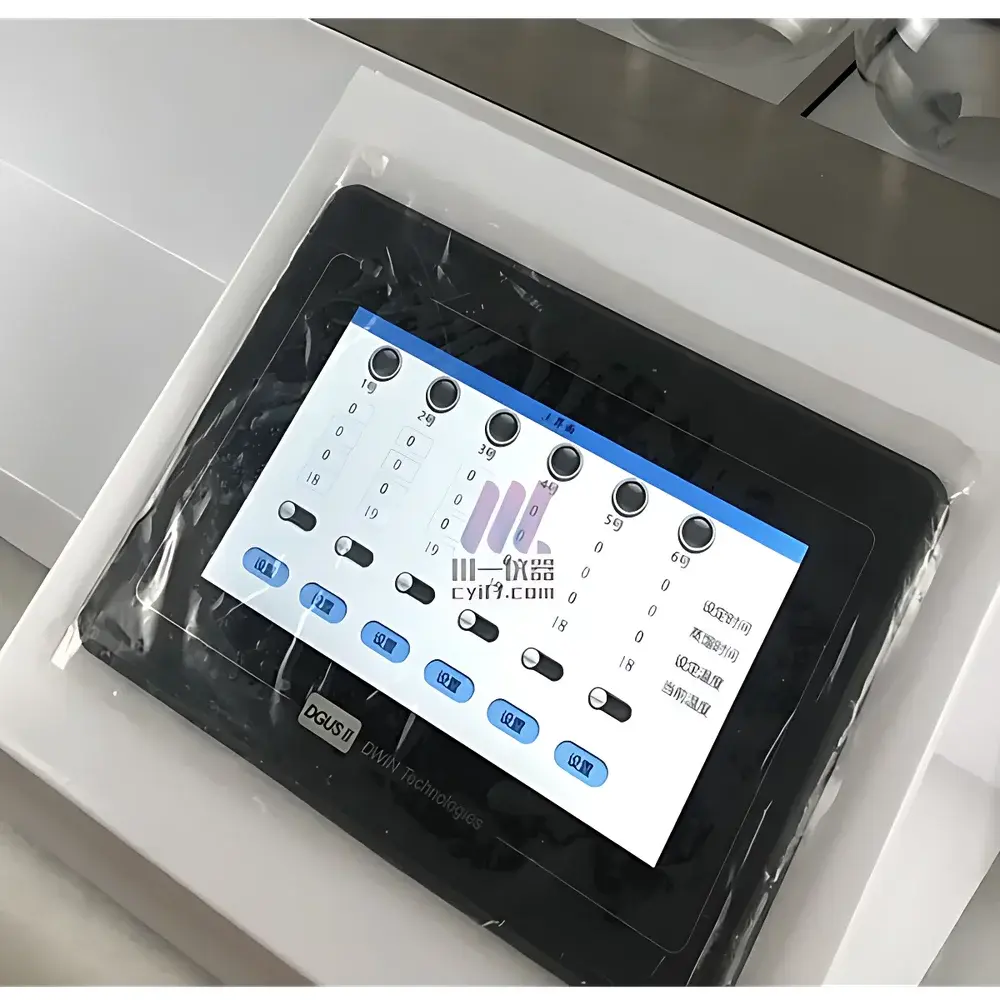
While the CY-SXT-02 operates via standalone hardware controls (digital timer, LED temperature display, manual solvent fill level monitoring), it is fully compatible with external laboratory information management systems (LIMS) through documented SOP integration. Users may log extraction parameters—including start time, set temperature, actual runtime, and flask identification—into electronic lab notebooks (ELN) satisfying FDA 21 CFR Part 11 traceability expectations for regulated environments. Optional USB data-logging modules (available upon request) record real-time temperature profiles and cycle completion timestamps, generating CSV-compatible output for statistical process control (SPC) charting in Minitab or JMP.
Applications
- Feed Mill Quality Assurance: Routine crude fat verification in compound feeds, premixes, and raw materials per AAFCO and EU Regulation (EC) No 1831/2003.
- Food Regulatory Testing: Compliant fat quantification in bakery goods, dairy powders, and snack foods for nutritional labeling under FDA 21 CFR 101.9 and EU Regulation (EU) No 1169/2011.
- Agricultural Research: Lipid profiling of cereal grains, legumes, and oil crops during breeding trials and post-harvest storage studies.
- Environmental Analysis: Total petroleum hydrocarbon (TPH) extraction from contaminated soils using EPA Method 3541-compliant solvent selection.
- Academic Teaching Labs: Demonstrating classical extraction thermodynamics, mass transfer principles, and method validation fundamentals in analytical chemistry curricula.
FAQ
What solvents are compatible with the CY-SXT-02?
Petroleum ether (40–60°C or 60–90°C fractions), diethyl ether, n-hexane, and chloroform are routinely used. Avoid acetone, methanol, or other high-polarity solvents unless validated for glassware compatibility and condenser cooling capacity.
Is the instrument suitable for volatile solvent recovery in Class I Division 1 environments?
No. The CY-SXT-02 is designed for general laboratory use under fume hood ventilation. It does not meet NEC 500 or ATEX zone certification requirements for explosion-proof operation.
How often should the condenser cooling water flow be verified?
Prior to each extraction run—minimum flow rate of 1.5 L/min at 15–25°C inlet temperature is required to maintain reflux ratio ≥8:1 and prevent solvent vapor bypass.
Can extraction flasks be calibrated for volumetric accuracy?
Yes. All 500 mL boiling flasks are Class B borosilicate glassware per ISO 1042, with ±0.5 mL tolerance at 20°C—suitable for gravimetric fat calculation when paired with analytical balance calibration (≤0.1 mg readability).
Does the system support method validation per ICH Q2(R2)?
The hardware enables execution of specificity, repeatability, and intermediate precision studies; full validation requires user-defined protocol development, reference standard traceability (e.g., NIST SRM 1547), and documented uncertainty budgeting per EURACHEM/CITAC guidelines.



