
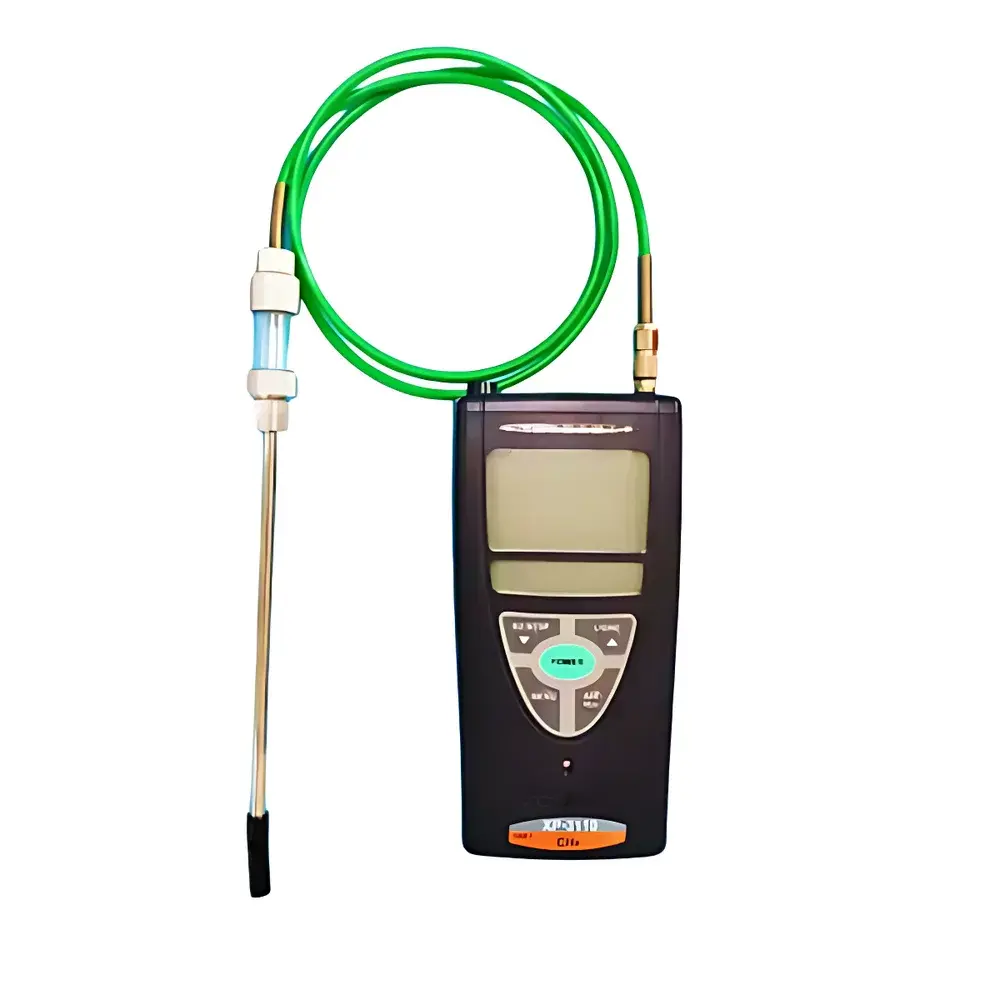
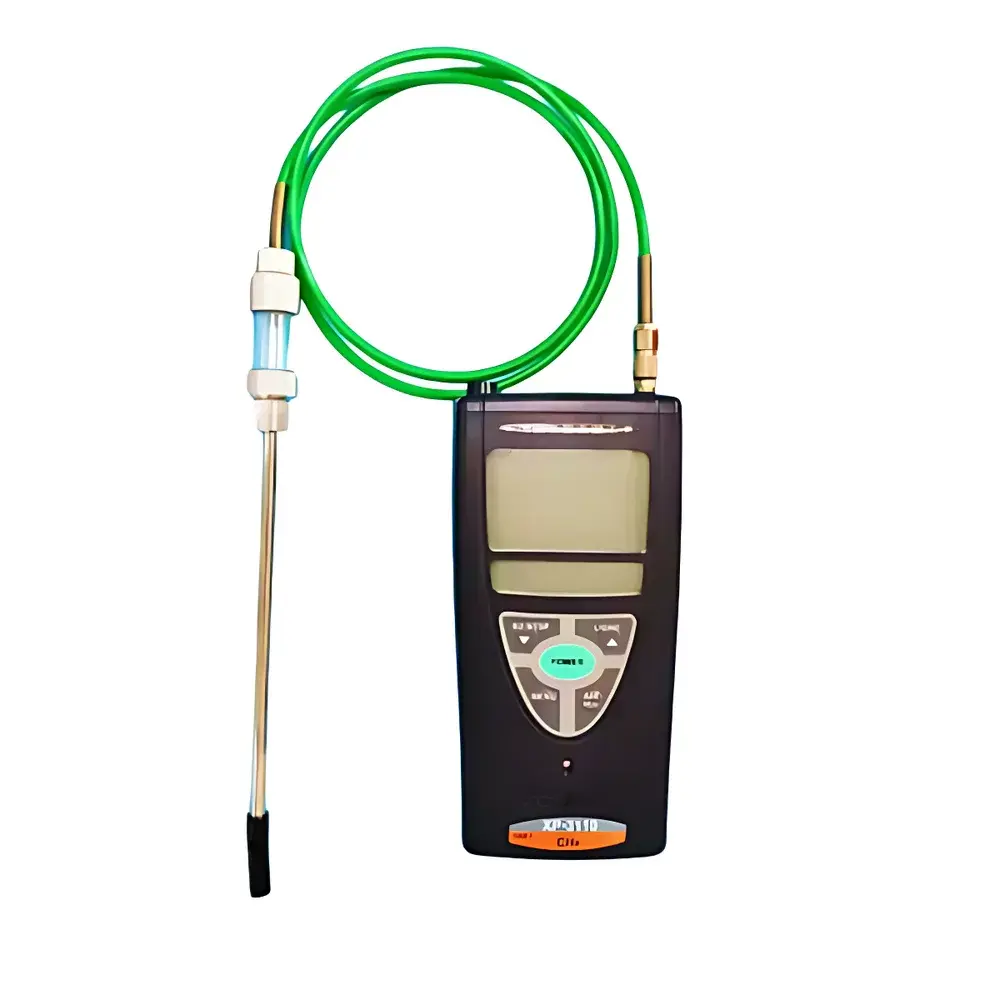
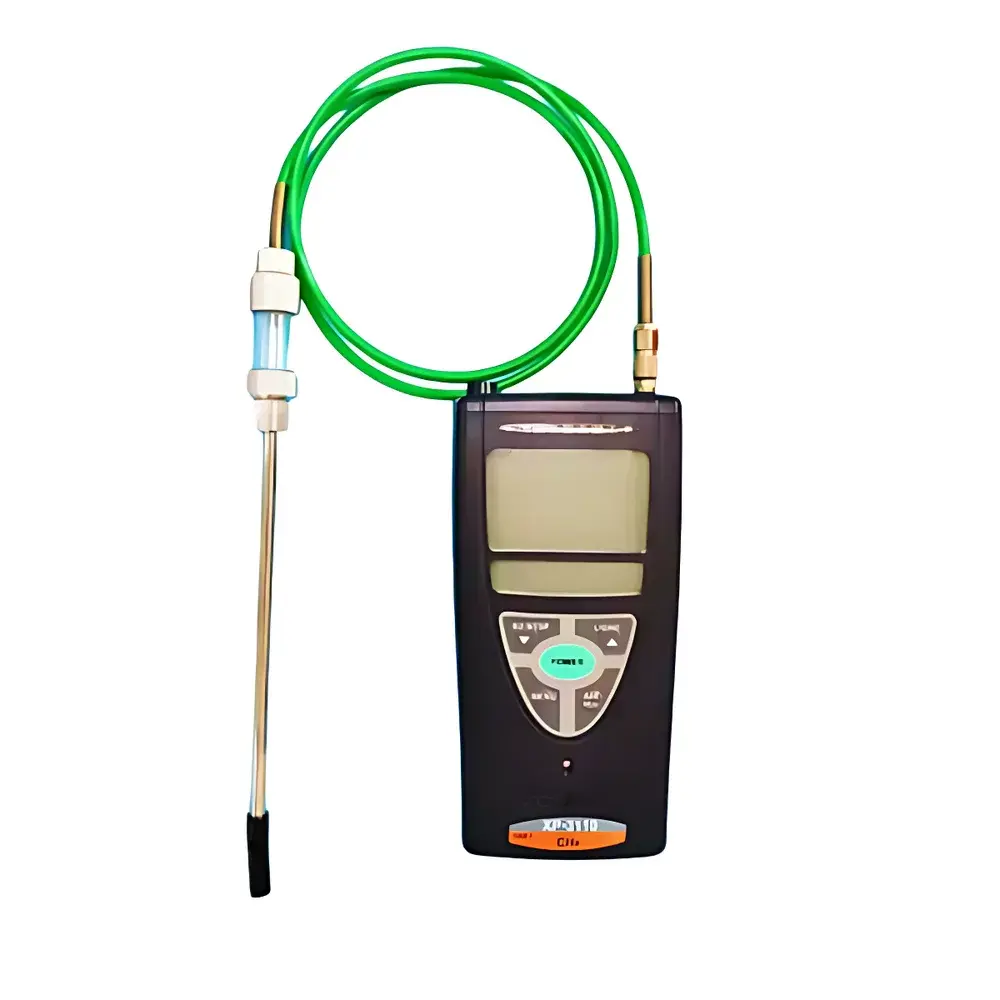
New Cosmos XP-3110 Combustible Gas Detector
| Brand | New Cosmos |
|---|---|
| Origin | Japan |
| Model | XP-3110 |
| Detection Principle | Catalytic Bead (Pellistor) |
| Detection Range | 0–10% LEL and 0–100% LEL (dual-range) |
| Display | 4-digit LCD with backlight |
| Accuracy | ±5% of full scale |
| Response Time (T90) | <3 seconds |
| Alarm Threshold | 20% LEL (audible/visual) |
| Power Supply | 4 × AA alkaline batteries (6 V DC) |
| Operating Temperature | 0 °C to +50 °C |
| Dimensions | 82 mm (W) × 162 mm (H) × 36 mm (D) |
| Weight | ~450 g (including batteries) |
| Sampling Method | Built-in micro diaphragm pump (active draw) |
| Certification | Intrinsically Safe (Ex ib IIB T4 Ga) |
| Compliance | JIS T 8201, JIS Z 8001, JIS C 0901, ATEX Directive 2014/34/EU (via representative EU importer), IEC 60079-0/-11 |
Overview
The New Cosmos XP-3110 is a portable, intrinsically safe combustible gas detector engineered for reliable, real-time monitoring of flammable hydrocarbon vapors and gases in industrial, maintenance, and safety-critical environments. Utilizing a catalytic bead (pellistor) sensor principle, the XP-3110 measures gas concentration based on thermal conductivity changes induced by catalytic oxidation on a heated platinum coil—providing stable, repeatable detection across a broad spectrum of combustible species including methane, propane, butane, gasoline vapor, acetone, ethanol, and other common solvent emissions. Its dual-range capability (0–10% LEL and 0–100% LEL) enables precise low-concentration verification prior to hot work and robust high-range leak screening during pipeline or equipment integrity checks. Designed and manufactured in Japan under stringent quality control standards, the XP-3110 meets JIS T 8201 (gas detection instruments), JIS Z 8001 (accuracy and testing methods), and JIS C 0901 (electrical safety), and carries intrinsic safety certification compliant with IEC 60079-0 and IEC 60079-11 for Group IIB, T4 temperature class (Ex ib IIB T4 Ga)—making it suitable for Zone 1 and Zone 2 hazardous locations without requiring additional barriers or enclosures.
Key Features
- Intrinsically safe design certified to Ex ib IIB T4 Ga per IEC 60079-0/-11, enabling direct use in classified hazardous areas without external safety systems.
- Dual-range measurement (0–10% LEL / 0–100% LEL) with automatic range switching—optimized for both pre-hot-work clearance verification and gross leak detection.
- Integrated micro diaphragm pump ensures consistent active sampling at defined flow rates, eliminating reliance on diffusion and improving response fidelity in stagnant or low-velocity air environments.
- Backlit 4-digit LCD display with high-contrast numeric readout and intuitive icon-based status indicators—including battery level, alarm condition, and pump operation.
- Two-stage audible and visual alarm system: intermittent buzzer + flashing LED for gas exceedance (at 20% LEL); continuous tone for low-battery warning.
- Ergonomic handheld form factor (82 × 162 × 36 mm) weighing only ~450 g with batteries—designed for extended field use with minimal operator fatigue.
- Simple one-button operation: power-on auto-zero and immediate readiness—no warm-up delay or manual calibration required for routine use.
Sample Compatibility & Compliance
The XP-3110 is validated for detection of Class I combustible gases and vapors as defined under NFPA 505 and IEC 60079-20-1, including saturated and unsaturated aliphatic hydrocarbons (e.g., methane, ethane, propane, butane), aromatic compounds (e.g., benzene, toluene), and common industrial solvents (e.g., acetone, ethanol, MEK, xylene). It complies with Japanese Industrial Standards JIS T 8201 (specifications for combustible gas detectors), JIS Z 8001 (general rules for accuracy testing), and JIS C 0901 (safety requirements for electrical measuring instruments). For international deployment, the device satisfies ATEX Directive 2014/34/EU via authorized EU representative conformity assessment, and aligns with functional safety expectations outlined in IEC 61508 (SIL 2 capable when integrated into broader safety instrumented systems). It supports GLP-aligned documentation practices through traceable zero/span verification logs and user-accessible calibration history.
Software & Data Management
While the XP-3110 operates as a standalone, battery-powered field instrument without onboard data logging, it supports post-use verification and audit compliance via optional PC interface accessories (e.g., USB docking cradle and New Cosmos Data Manager software). This software enables download and export of calibration records, alarm event timestamps, and sensor performance diagnostics in CSV or PDF formats—facilitating adherence to OSHA 1910.120, EPA Method 21, and internal QA/QC protocols requiring documented instrument verification. All firmware updates and configuration parameters are managed exclusively through authenticated service tools, ensuring data integrity and preventing unauthorized modification—consistent with FDA 21 CFR Part 11 principles for electronic record retention where applicable.
Applications
- Pre-hot-work atmospheric testing in refineries, chemical plants, and offshore platforms per OSHA 1910.252 and NFPA 51B.
- Routine leak detection along natural gas distribution lines, LNG transfer hoses, and LPG storage facilities.
- Vapor concentration monitoring during tank cleaning, confined space entry, and solvent recovery operations.
- Verification of ventilation effectiveness in paint spray booths, printing facilities, and pharmaceutical manufacturing cleanrooms.
- Emergency response screening following pipeline ruptures, fuel spills, or process upsets involving volatile organic compounds.
- Periodic verification of fixed gas detection system performance using portable spot-check methodology.
FAQ
What detection principle does the XP-3110 use, and how does it differ from infrared or semiconductor sensors?
The XP-3110 employs a catalytic bead (pellistor) sensor, which relies on flameless combustion-induced resistance change in a heated catalyst element—offering broad-spectrum response to most combustible gases with high linearity and long-term stability. Unlike NDIR, it does not require gas-specific calibration; unlike MOS sensors, it delivers superior selectivity against humidity and interference from non-combustible VOCs.
Is the XP-3110 suitable for use in Zone 0 hazardous areas?
No. Its Ex ib IIB T4 Ga rating certifies it for Zone 1 and Zone 2 only. Zone 0 requires Ex ia-rated equipment, which the XP-3110 does not provide.
How often should the sensor be calibrated, and what gases are used for span verification?
New Cosmos recommends bump testing before each day’s use and full calibration every 30 days or after exposure to poisoning agents (e.g., silicones, lead, sulfur compounds). Span calibration is performed using certified 50% LEL methane or propane in air, traceable to NIST or JCSS standards.
Can the XP-3110 detect hydrogen sulfide (H₂S) or carbon monoxide (CO)?
No. The XP-3110 is dedicated solely to combustible gas detection via catalytic bead technology. H₂S and CO require electrochemical sensors and are outside its functional scope.
Does the instrument support data export for regulatory reporting?
Yes—when used with the optional USB interface and New Cosmos Data Manager software, calibration logs, alarm events, and operational history can be exported in auditable formats compliant with ISO/IEC 17025 and internal QA procedures.





