
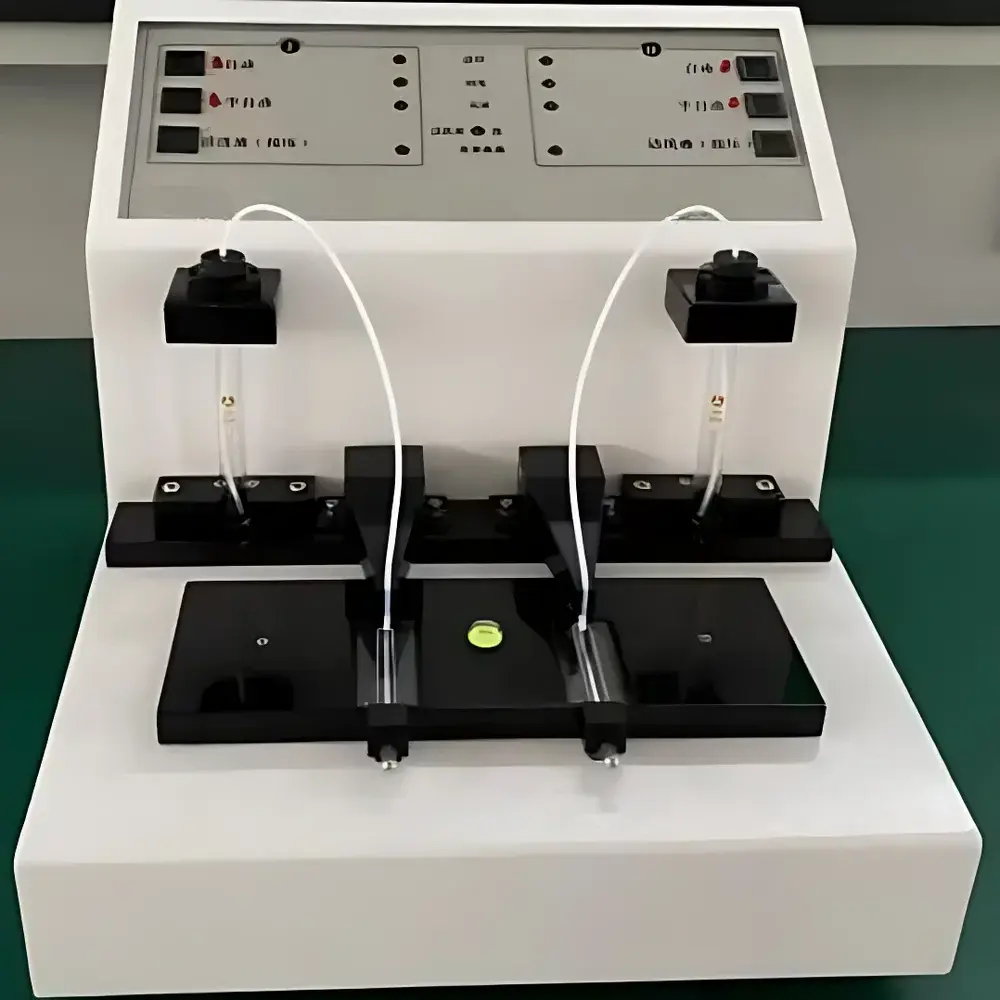
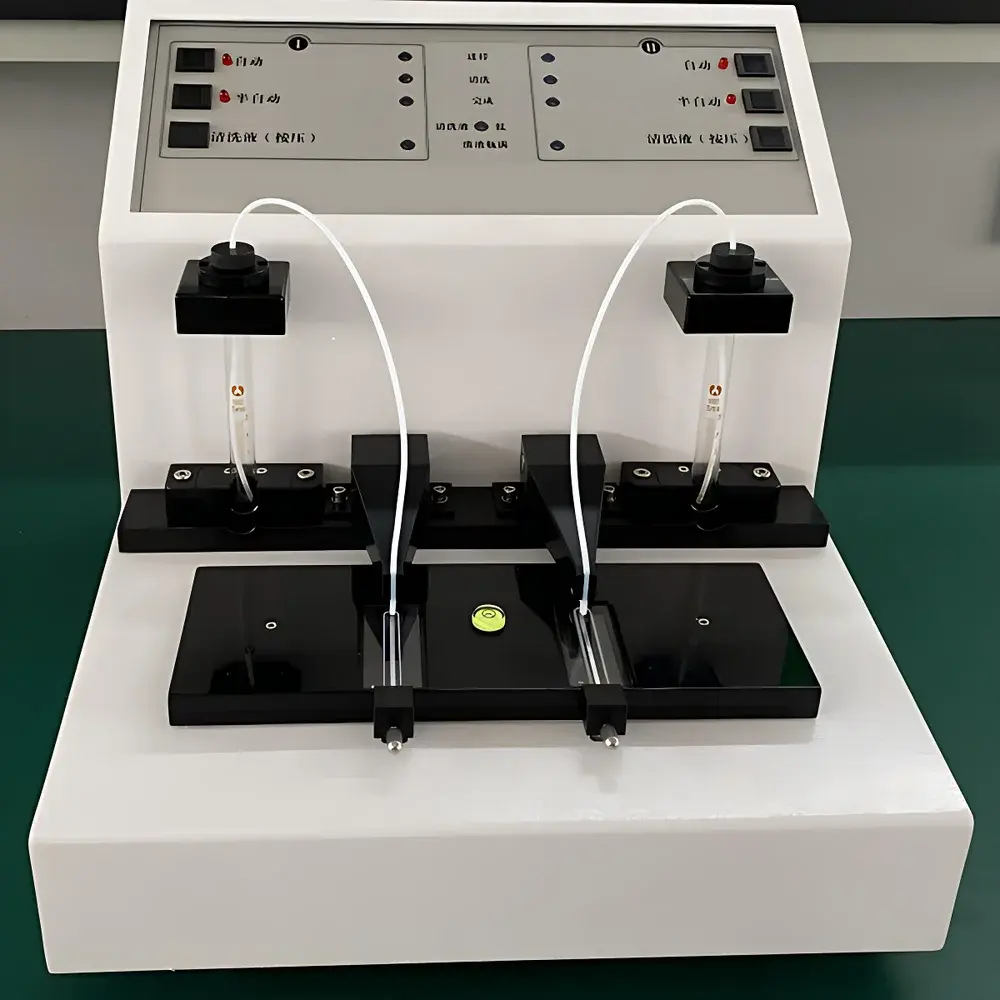
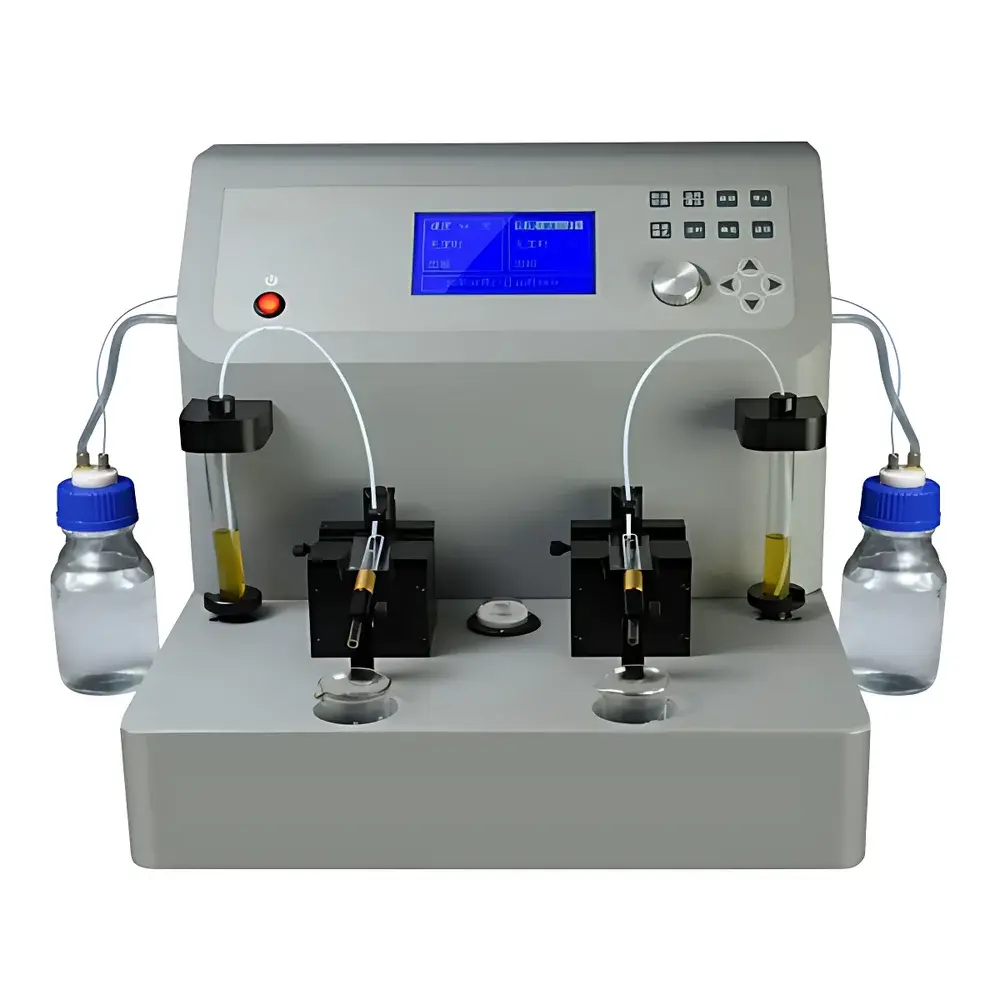
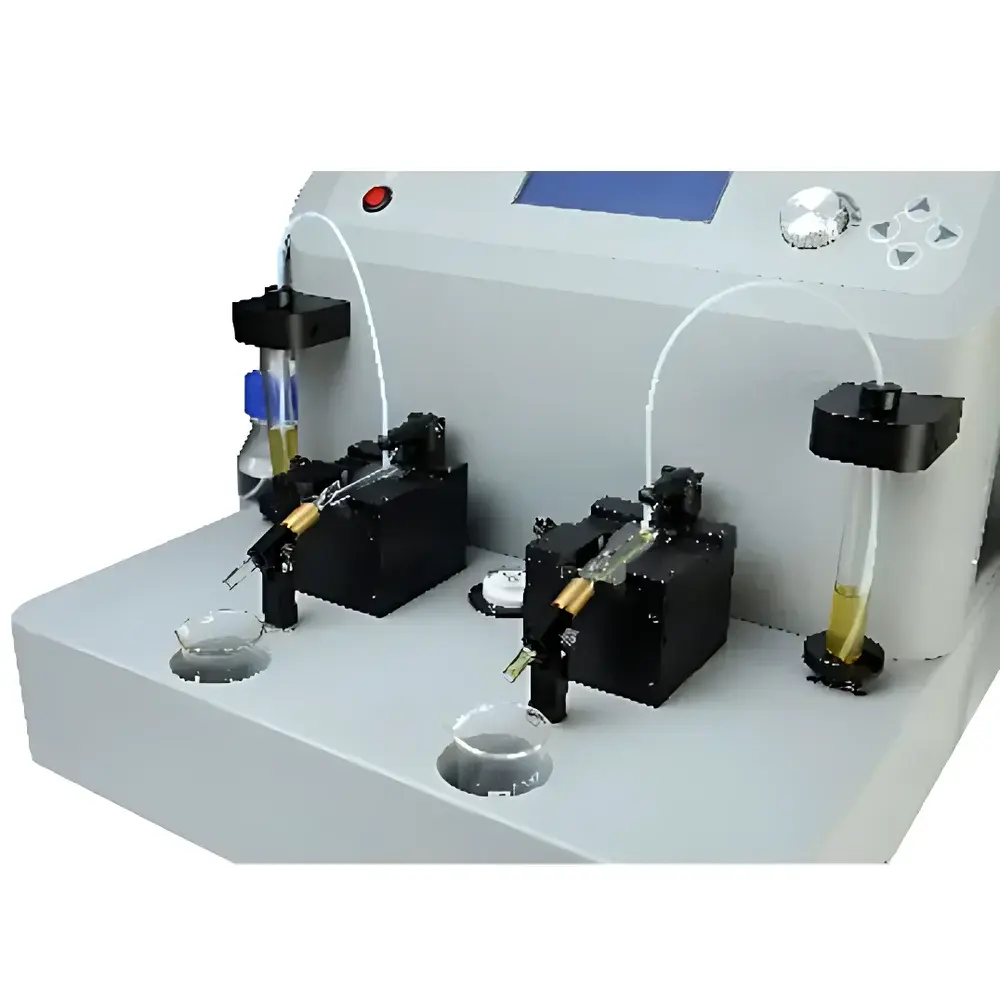
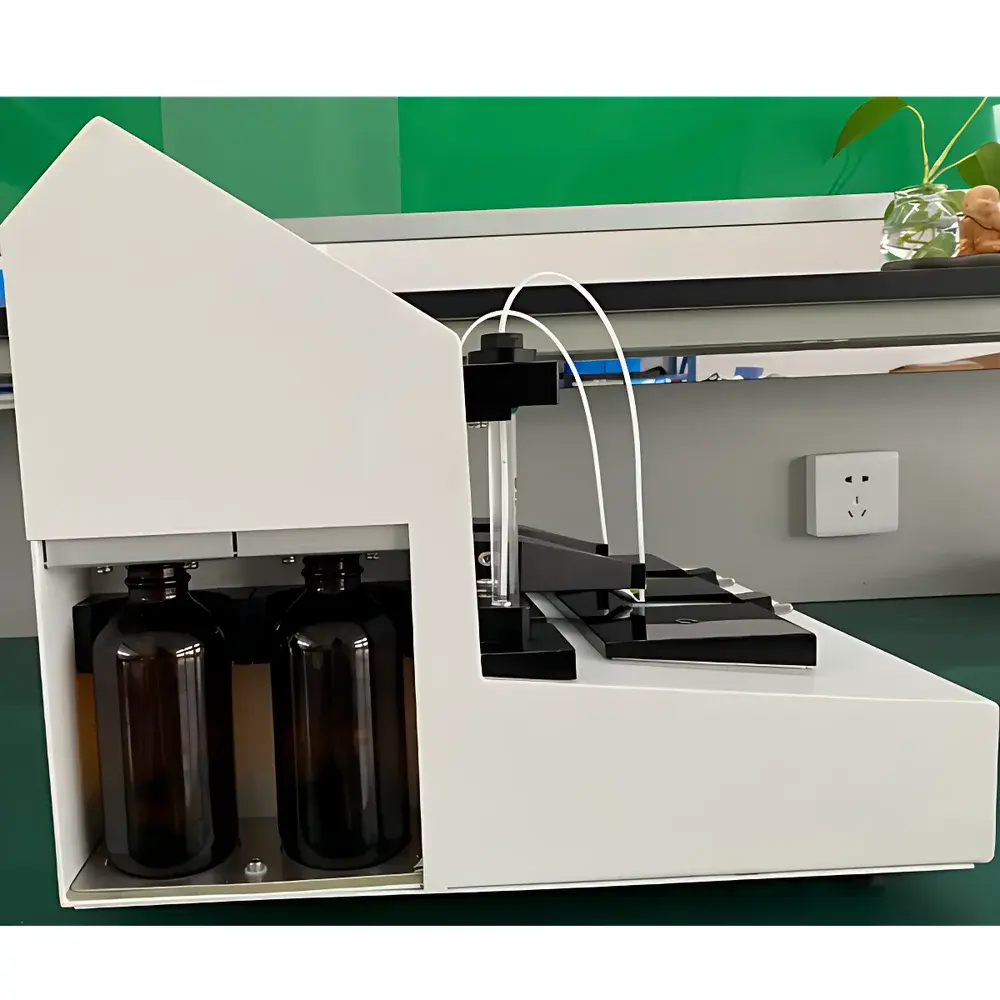
Starwood SDW-930 Dual-Channel Analytical Ferroscope
| Brand | Starwood |
|---|---|
| Origin | Beijing, China |
| Manufacturer Type | Manufacturer |
| Origin Category | Domestic (China) |
| Model | SDW-930 |
| Pricing | Upon Request |
Overview
The Starwood SDW-930 Dual-Channel Analytical Ferroscope is a precision-engineered instrument for quantitative ferrographic analysis of lubricating oils in predictive maintenance and condition-based monitoring programs. It operates on the principle of high-gradient magnetic separation—applying a controlled, non-uniform magnetic field across a flowing oil sample to precipitate ferromagnetic wear debris onto a glass substrate (ferrogram) according to particle magnetic susceptibility, size, and density. Unlike conventional optical microscopy or elemental spectroscopy, ferrography provides direct morphological, dimensional, and spatial distribution data of wear particles—enabling root-cause diagnosis of mechanical degradation modes (e.g., sliding, rolling contact fatigue, cutting wear, or corrosion). The SDW-930 is designed for laboratory environments where reproducibility, throughput, and diagnostic clarity are critical—particularly in power generation, marine propulsion, wind turbine gearboxes, and heavy-duty hydraulic systems.
Key Features
- Dual independent fluidic channels enable simultaneous preparation of two ferrograms without cross-contamination or operational delay—reducing total analysis cycle time by up to 50% compared to single-channel systems.
- Three operational modes: fully automatic, semi-automatic (user-initiated step control), and manual (for method development or troubleshooting).
- Adjustable pneumatic-driven oil flow (10–30 mL/h) ensures consistent deposition velocity and uniform particle alignment across the ferrogram—critical for inter-sample comparability and ASTM D7684-21 compliance.
- Optimized ferrogram geometry: 2° substrate tilt angle, 60 × 24 × 0.12 mm glass slide dimensions, and transparent substrate material facilitate high-resolution transmitted-light microscopy and multi-modal particle identification (metallic vs. non-metallic vs. organic).
- High-intensity magnetic field system: peak flux density ≈ 1.8 T with gradient > 0.5 T/mm—sufficient to separate sub-micron ferrous particles while retaining sensitivity to paramagnetic oxides and alloy fragments.
- Minimal particle pile-up due to laminar flow design and calibrated magnetic field decay profile—preserving individual particle morphology for accurate classification per ISO 4406 and SAE AS4059F particle counting conventions.
Sample Compatibility & Compliance
The SDW-930 accommodates mineral, synthetic, and bio-based lubricants—including engine oils, turbine oils, hydraulic fluids, and gear oils—with viscosity ranges up to 300 cSt at 40 °C. Its pneumatic delivery system eliminates solvent compatibility constraints associated with peristaltic or syringe pumps. Water content in oil samples (up to 1,000 ppm) does not significantly impair ferrogram quality—a key advantage over solvent-dilution-dependent methods. The instrument supports documentation traceability aligned with GLP and GMP frameworks; when integrated with compliant microscope imaging systems and LIMS, it satisfies audit requirements under ISO/IEC 17025 and FDA 21 CFR Part 11 for electronic records and signatures.
Software & Data Management
While the SDW-930 operates as a standalone hardware platform, its ferrograms are intended for downstream digital analysis using third-party image acquisition and particle characterization software (e.g., Ferrography Pro, ImageJ with custom ferrographic plugins, or vendor-supplied microscope suites). Optional accessories include trinocular microscopes with USB-C cameras, DIC/phase contrast modules, and calibrated stage micrometers—enabling measurement of particle length, width, aspect ratio, and edge morphology. All ferrograms retain inherent spatial encoding: particle alignment along magnetic field lines permits automated classification into categories such as normal wear, severe sliding, fatigue spalls, or cutting debris per ASTM E1662-20 standard practice.
Applications
- Early detection of bearing raceway spalling and gear tooth pitting via identification of fatigue-generated lamellar particles.
- Discrimination between adhesive wear (large, irregular metallic flakes) and abrasive wear (angular, hard-phase fragments).
- Monitoring of diesel engine cylinder liner wear through quantification of cast iron debris concentration and morphology.
- Verification of filter efficiency by comparing upstream/downstream ferrogram particle loadings.
- Supporting remaining useful life (RUL) estimation models when correlated with vibration, temperature, and oil chemistry data.
FAQ
What types of oil samples are compatible with the SDW-930?
Mineral, PAO, ester-based, and polyglycol lubricants—provided viscosity remains ≤300 cSt at 40 °C and water content is below 1,000 ppm.
Is the SDW-930 suitable for field deployment?
No—it is engineered for controlled laboratory use; environmental stability, power regulation, and operator training are prerequisites for repeatable ferrogram quality.
Does the instrument include built-in image analysis software?
No—the SDW-930 is a sample preparation platform only; image capture and particle analysis require external microscopy and software tools.
Can non-ferrous wear particles be visualized on SDW-930 ferrograms?
Yes—transparent substrates and transmitted-light microscopy allow visualization of copper, aluminum, lead, and organic contaminants, though magnetic separation selectively enriches ferrous species.
How is calibration verified for magnetic field performance?
Calibration is performed using NIST-traceable Hall-effect gaussmeters during factory acceptance testing; users should conduct annual verification per internal QA procedures.




