
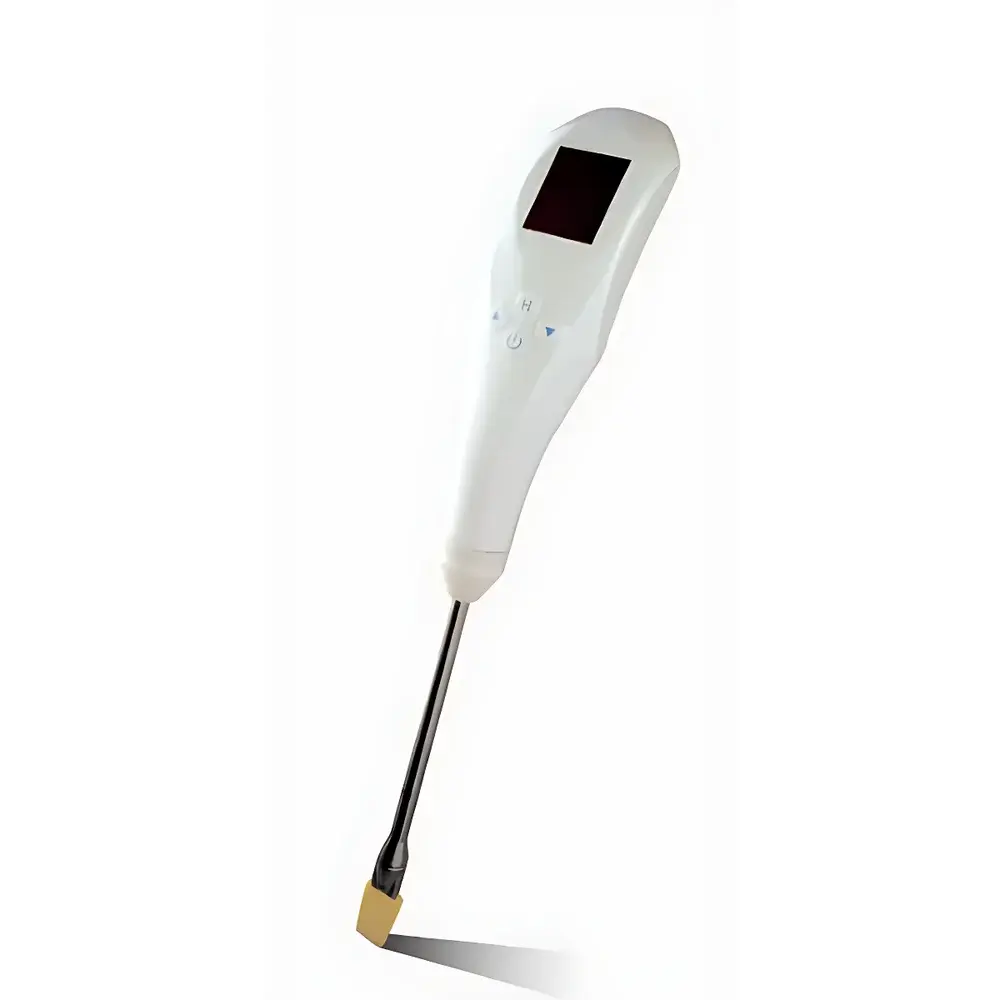
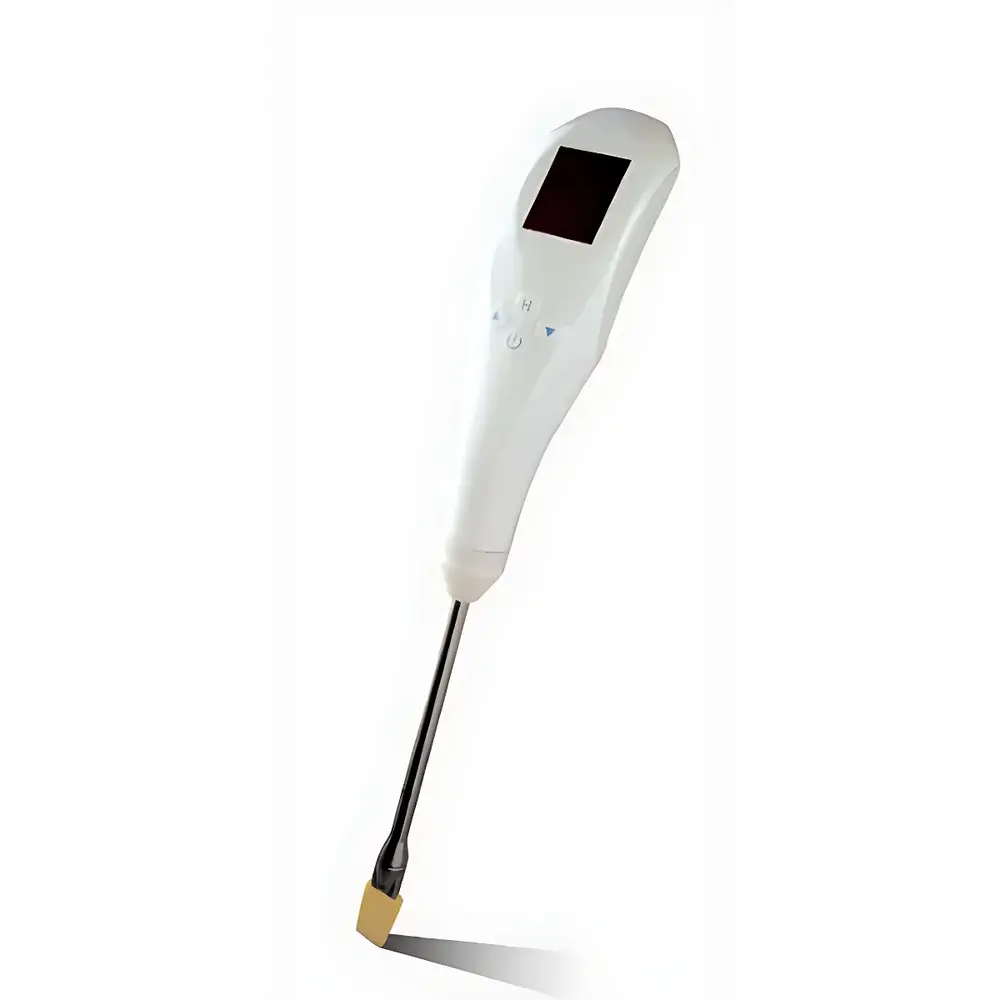
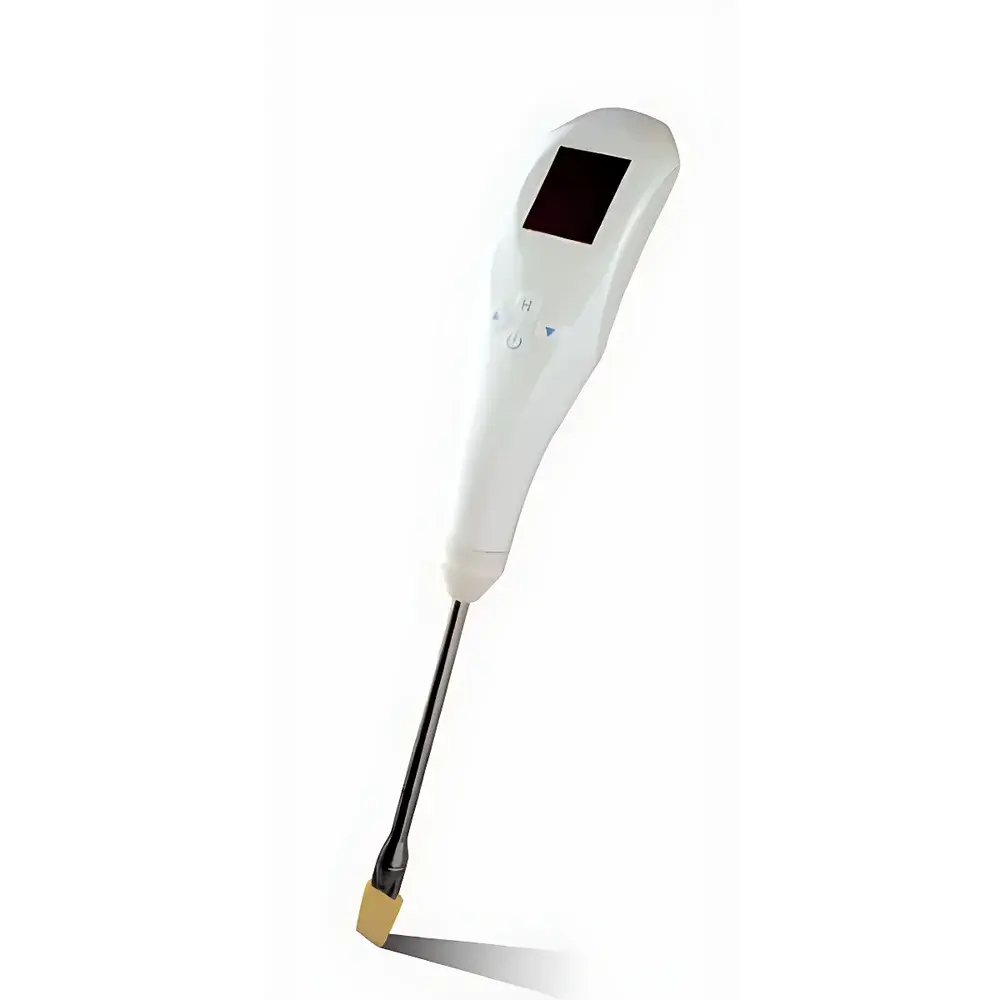
Zhiyunda TCO-270 Portable Edible Oil Quality Analyzer
| Brand | Zhiyunda |
|---|---|
| Origin | Beijing, China |
| Manufacturer Type | Authorized Distributor |
| Country of Manufacture | China |
| Model | TCO-270 |
| Pricing | Available Upon Request |
Overview
The Zhiyunda TCO-270 Portable Edible Oil Quality Analyzer is an engineered field-deployable instrument designed for rapid, on-site assessment of thermal degradation in frying oils used across commercial kitchens, food service establishments, and food manufacturing facilities. It operates on the principle of dielectric constant measurement via a high-stability capacitive sensor—capable of correlating changes in oil polarity with Total Polar Materials (TPM) concentration, a globally recognized indicator of oxidative and hydrolytic breakdown during repeated heating cycles. Unlike optical or colorimetric methods, this capacitance-based approach eliminates interference from oil discoloration, particulate load, or minor variations in base oil composition. The integrated stainless-steel probe enables direct immersion into hot oil at operational temperatures up to 200 °C, delivering real-time TPM estimation without sample extraction, solvent use, or laboratory preprocessing. Concurrent temperature measurement (±1.5 °C accuracy) supports process validation and calibration cross-checking against fryer thermostats—critical for HACCP-compliant cooking operations.
Key Features
- Capacitive sensing architecture optimized for polar compound detection in heated edible oils, independent of visual clarity or chromatic variation
- Integrated dual-parameter measurement: TPM estimation (%) and real-time oil temperature (°C)
- Ruggedized stainless-steel probe with IP67-rated housing, rated for continuous immersion in oils up to 200 °C
- Measurement cycle completed in ≤12 seconds post-immersion, enabling high-throughput monitoring during peak kitchen operations
- Visual pass/fail indication via tri-color LED (green/yellow/red) aligned with EU Regulation (EU) No 1333/2008 and national limits for TPM in frying oils (typically ≤24–27% w/w)
- Battery status display with low-power warning, supporting ≥8 hours of continuous operation on two standard AA alkaline cells
- No consumables, calibration fluids, or firmware updates required under normal usage conditions
Sample Compatibility & Compliance
The TCO-270 is validated for use with common frying media including soybean oil, palm olein, sunflower oil, canola oil, and blended frying fats. It is not intended for use with non-edible industrial oils, silicone-based heat-transfer fluids, or highly saturated shortening systems exhibiting minimal polarity shift upon degradation. While not certified to ISO/IEC 17025 as a standalone testing method, its TPM estimation correlates with reference ASTM D7213 (Standard Test Method for Determination of Polar Compounds in Used Frying Oils by Column Chromatography) within ±2.5 percentage points across typical frying oil matrices. The device supports documentation requirements for HACCP Plan verification, FDA Food Code Section 3-501.12 (frying oil replacement criteria), and China’s GB 7102.1-2003 standard for edible oil safety limits.
Software & Data Management
The TCO-270 operates as a self-contained hardware unit with no embedded memory, wireless connectivity, or software dependency. All measurements are displayed locally on a backlit LCD screen with automatic hold function upon stabilization. For traceability, users are advised to manually record TPM values, temperature readings, date/time, and equipment ID in logbooks compliant with GLP practices. When integrated into enterprise food safety management systems, data may be transcribed into digital audit trails satisfying FDA 21 CFR Part 11 requirements—provided manual entry procedures include operator authentication and timestamped review protocols.
Applications
- Real-time monitoring of fryer oil integrity in fast-food chains, school cafeterias, and hospital kitchens
- Preventive maintenance scheduling for commercial deep-fryers based on objective TPM thresholds
- Verification of oil replacement compliance during third-party food safety audits (e.g., BRCGS, SQF, ISO 22000)
- Training tool for kitchen staff on oil degradation kinetics and safe frying practices
- Field screening during regulatory inspections where rapid, non-destructive assessment is required
FAQ
What does TPM stand for, and why is it critical for frying oil safety?
TPM stands for Total Polar Materials—a collective term for oxidation products (e.g., aldehydes, ketones, polymers) and hydrolysis byproducts (e.g., free fatty acids, mono- and di-glycerides) formed during thermal stress. Accumulation above 24–27% w/w poses documented risks including reduced smoke point, increased acrylamide formation, and compromised sensory quality.
Does the TCO-270 require periodic recalibration?
No. The sensor is factory-calibrated using NIST-traceable reference oils and maintains stability over time. Users should verify functionality using a known fresh oil sample prior to each shift.
Can the probe be cleaned in a dishwasher or autoclave?
No. Clean only with lint-free cloth and food-grade isopropyl alcohol; avoid abrasive agents or submersion beyond the marked immersion line.
Is the device suitable for cold-pressed or unrefined oils?
Not recommended. Baseline polarity in unrefined oils may exceed instrument dynamic range, leading to inaccurate TPM interpretation.
How does ambient humidity affect measurement accuracy?
The sealed probe design and capacitive methodology render the system insensitive to ambient humidity; however, condensation on the probe surface prior to immersion must be wiped dry to prevent transient signal drift.





