
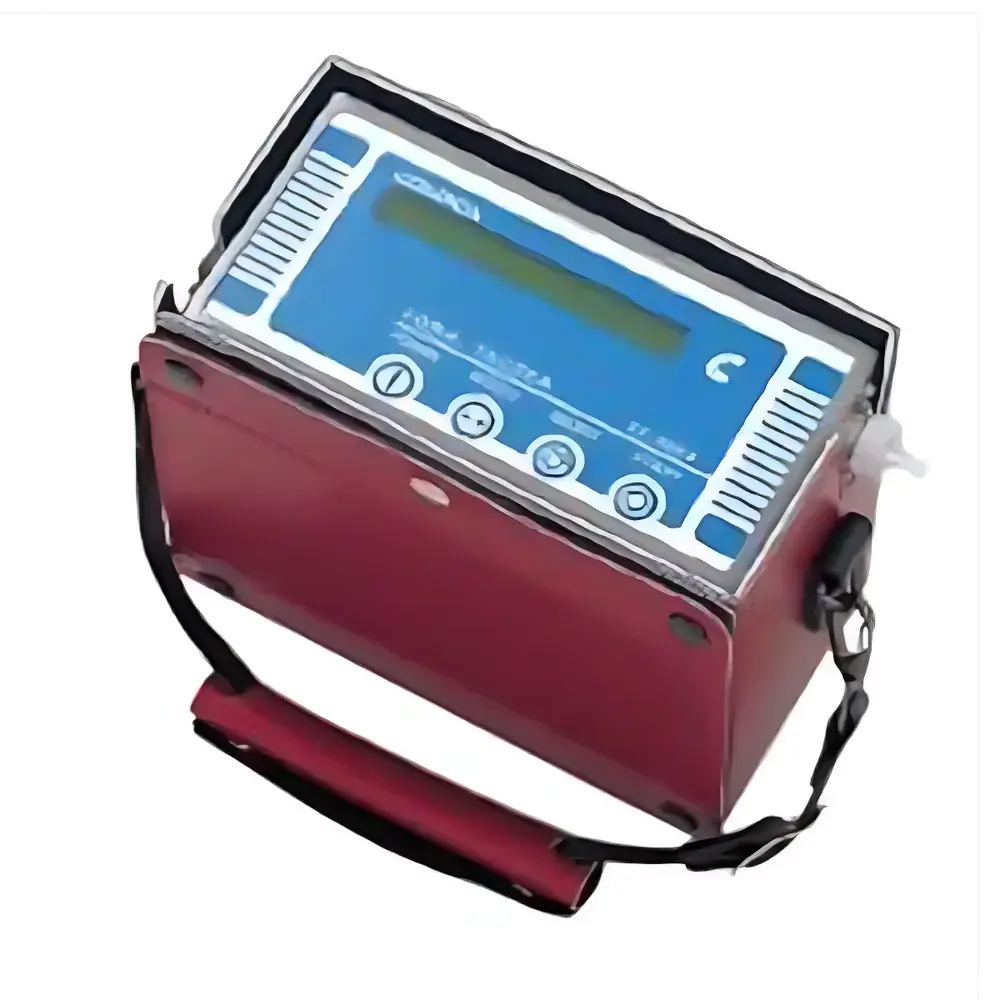
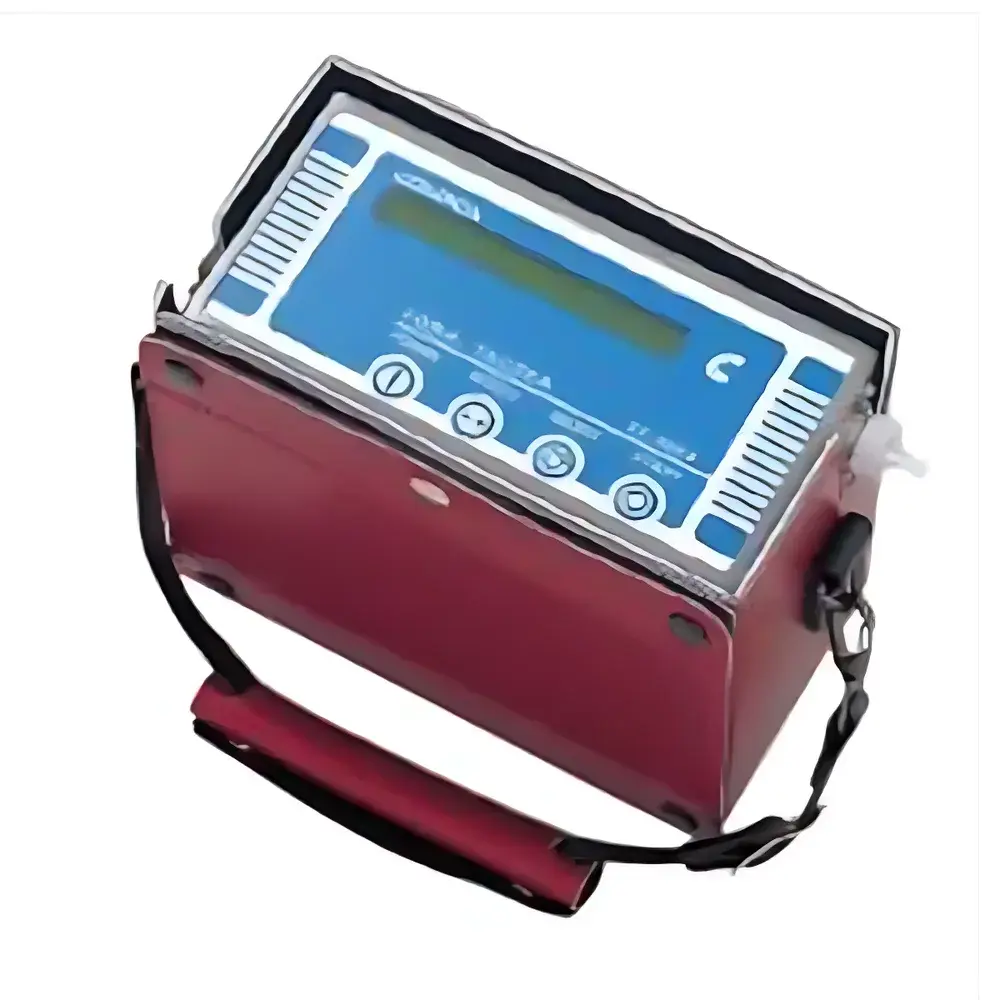
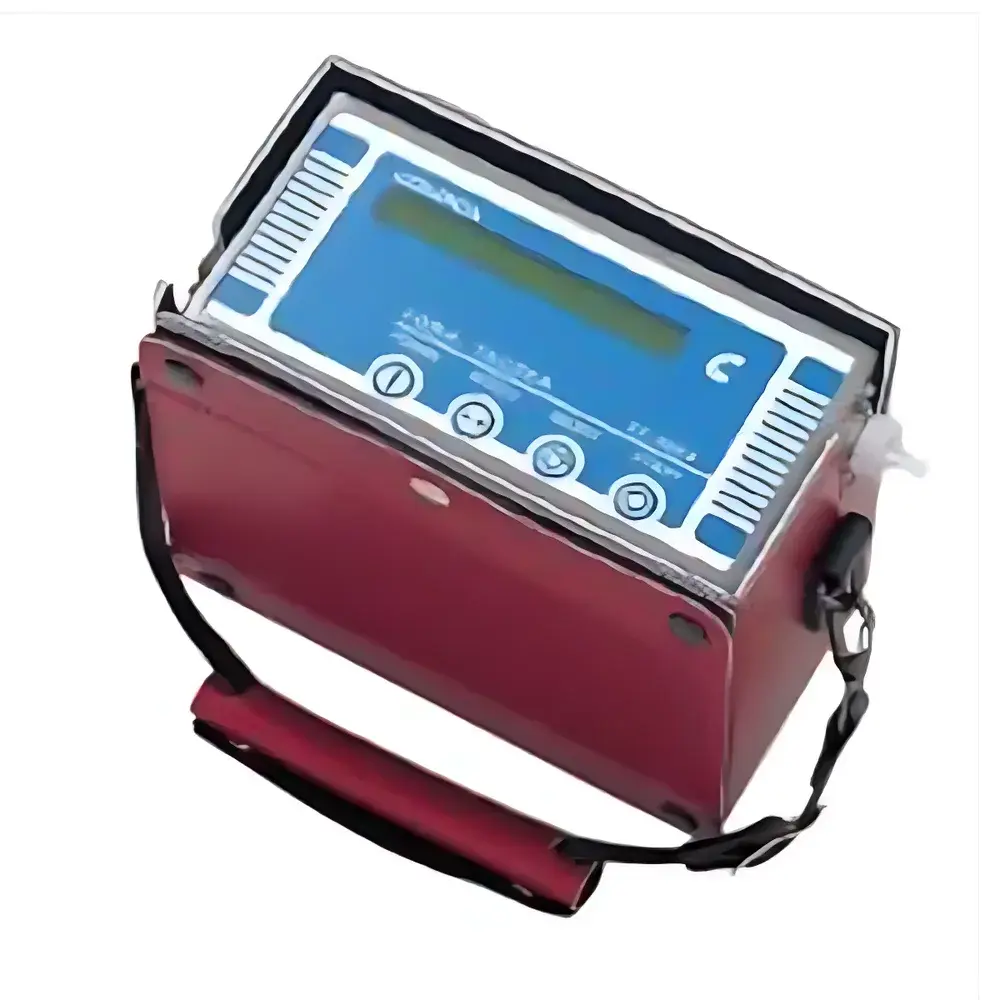
New Cosmos XP-308B Portable Formaldehyde Gas Detector (Pump-Aspirated)
| Brand | New Cosmos |
|---|---|
| Origin | Japan |
| Model | XP-308B |
| Detection Principle | Potentiostatic Electrolytic (with DNPH-coated filter for VOC interference reduction) |
| Measurement Range | 0.01–0.38 mg/m³ (service range: 0.39–3.00 mg/m³) |
| 0.01–0.30 ppm (service range | 0.31–3.00 ppm) |
| Sampling Method | Micro-pump–driven active aspiration |
| Measurement Duration Options | 10-min or 30-min integrated sampling modes |
| Display | Digital LCD with bar graph and status indicators |
| Power Supply | Six AA alkaline/manganese batteries or optional DC 9 V AC adapter |
| Battery Life | ~50 measurements (30-min mode) / ~100 measurements (10-min mode) using manganese batteries |
| Filter Lifetime | 50 measurements (30-min mode) / 100 measurements (10-min mode) at 0.10 mg/m³ average formaldehyde concentration |
| Operating Temperature | 5–40 °C |
| Dimensions | 175 × 140 × 86 mm (W × H × D) |
| Weight | Approx. 2.5 kg (including batteries) |
| Data Storage | 32 measurement records |
| Accessories Included | Three DNPH filter cartridges, six AA manganese batteries, sampling tube, ten particulate filter discs, tweezers |
Overview
The New Cosmos XP-308B Portable Formaldehyde Gas Detector is a pump-aspirated, field-deployable instrument engineered for quantitative, on-site formaldehyde (HCHO) monitoring in indoor air environments. It employs a potentiostatic electrolytic sensor coupled with a derivatization-based DNPH (2,4-dinitrophenylhydrazine) pre-filter to selectively capture gaseous formaldehyde while suppressing cross-sensitivity from volatile organic compounds (VOCs), aldehydes, and oxidizing gases. Unlike passive badge or colorimetric methods, the XP-308B performs time-integrated, active sampling—drawing ambient air through a calibrated micro-pump at a defined flow rate across the DNPH-coated filter surface, where formaldehyde forms a stable hydrazone derivative. This complex is subsequently quantified electrochemically via the sensor’s catalytic electrode system. The device complies with core principles underlying ISO 16000-23 (indoor air—determination of formaldehyde—active sampling with DNPH sorbent and HPLC analysis), though it delivers real-time electrochemical readout without lab-based chromatography. Its design targets occupational hygiene assessments, post-construction IAQ verification, renovation-related exposure screening, and compliance checks against WHO, JIS A 1912, and Japanese Ministry of Health, Labour and Welfare (MHLW) indoor air guidelines.
Key Features
- Integrated active sampling via precision micro-pump ensures consistent volumetric flow and reproducible collection efficiency across variable environmental conditions.
- Dual-duration measurement protocols (10-minute rapid screening and 30-minute high-sensitivity mode) allow flexibility for preliminary surveys versus regulatory-grade assessment.
- Real-time unit switching between mg/m³ and ppm enables immediate interpretation relative to jurisdiction-specific exposure limits (e.g., OSHA PEL = 0.75 ppm; ACGIH TLV = 0.3 ppm).
- On-device digital display presents measured concentration, elapsed time, battery status, and bar-graph trend visualization—no external software required for field operation.
- Internal memory stores up to 32 complete measurement sessions, each timestamped and retaining mode selection, duration, and final reported value for traceability.
- DNPH filter cartridge system is factory-calibrated and designed for field replacement; lifetime is quantified per measurement cycle under standardized formaldehyde loading (0.10 mg/m³), supporting maintenance scheduling and audit readiness.
Sample Compatibility & Compliance
The XP-308B is validated for use in non-explosive, non-corrosive indoor air matrices including residential dwellings, office buildings, schools, and newly renovated interiors. It is not intended for continuous emission monitoring or high-humidity (>80% RH) or high-particulate environments without appropriate upstream filtration. While not certified to intrinsic safety standards (e.g., ATEX, IECEx), its Class II, Division 2 suitability aligns with general industrial hygiene applications. The instrument supports documentation practices compatible with ISO/IEC 17025-accredited laboratories’ pre-screening workflows and satisfies data integrity expectations under GLP-aligned field studies. Filter replacement logs and measurement histories can be manually recorded to support internal QA/QC procedures and third-party audit trails.
Software & Data Management
The XP-308B operates as a standalone field instrument with no embedded Bluetooth or USB interface. Data export requires optional accessories: an external output cable and proprietary PC-based data reception software (sold separately). This software enables CSV export, chronological report generation, and basic statistical summaries (min/max/avg per session set). All stored readings retain native units and mode metadata. Though the device itself does not implement FDA 21 CFR Part 11 electronic signature or audit-trail functionality, its deterministic measurement logic, fixed calibration curve, and immutable internal storage support retrospective validation when paired with controlled calibration gas challenges and documented field logs.
Applications
- Pre-occupancy verification of formaldehyde emissions from composite wood products (e.g., particleboard, MDF) per JIS A 1912 and CARB ATCM Phase 2 requirements.
- Post-renovation indoor air quality (IAQ) assessments in residential and commercial settings following installation of adhesives, coatings, or insulation materials.
- Occupational exposure monitoring during furniture manufacturing, laminate flooring installation, or formaldehyde-based resin handling.
- Educational demonstrations of IAQ parameter interdependence, including temperature- and humidity-driven formaldehyde off-gassing kinetics.
- Baseline surveys for longitudinal health studies correlating airborne formaldehyde levels with respiratory symptom reporting in sensitive populations.
FAQ
Does the XP-308B require daily zero calibration or span gas verification?
No—its potentiostatic sensor is factory-calibrated and stabilized for field use; however, periodic verification (e.g., quarterly) using certified 0.10 ppm formaldehyde challenge gas is recommended for critical applications.
Can the DNPH filters be reused after desorption or cleaning?
No—DNPH cartridges are single-use consumables. Reuse compromises derivatization efficiency and introduces carryover risk; only genuine New Cosmos replacement filters ensure metrological consistency.
Is the instrument suitable for outdoor ambient air monitoring?
Not recommended—its dynamic range and interference mitigation are optimized for indoor concentrations (typically < 1 mg/m³); outdoor background formaldehyde levels fall below its lower detection limit and lack relevant regulatory context.
How does temperature affect measurement accuracy?
The sensor and pump are compensated across 5–40 °C; operation outside this range may cause flow deviation and electrochemical drift—data acquired near thermal extremes should be annotated and interpreted with caution.
What constitutes “service range” versus “measurement range” in the specification sheet?
The primary measurement range (0.01–0.38 mg/m³) reflects NIST-traceable linearity and ±5% full-scale accuracy; the service range (up to 3.00 mg/m³) indicates functional operability with reduced metrological confidence, intended for gross over-exposure identification only.
Related Products




