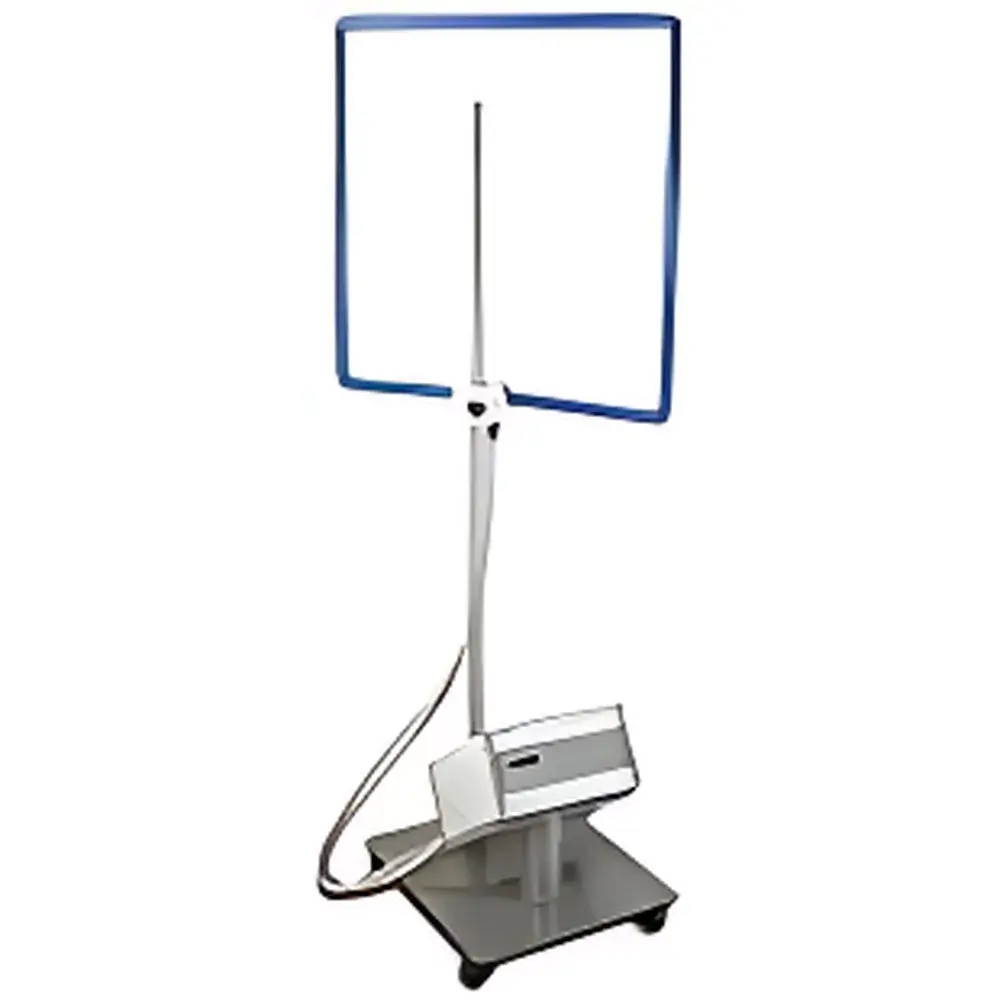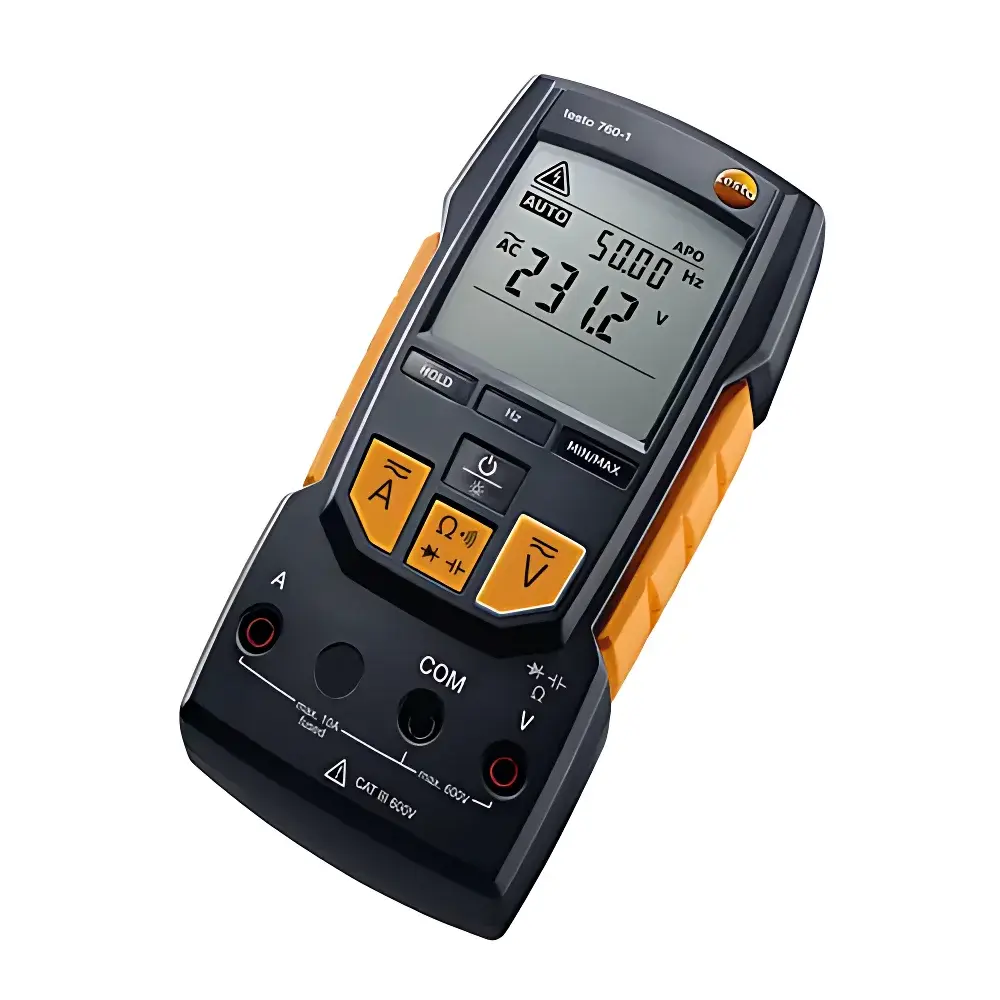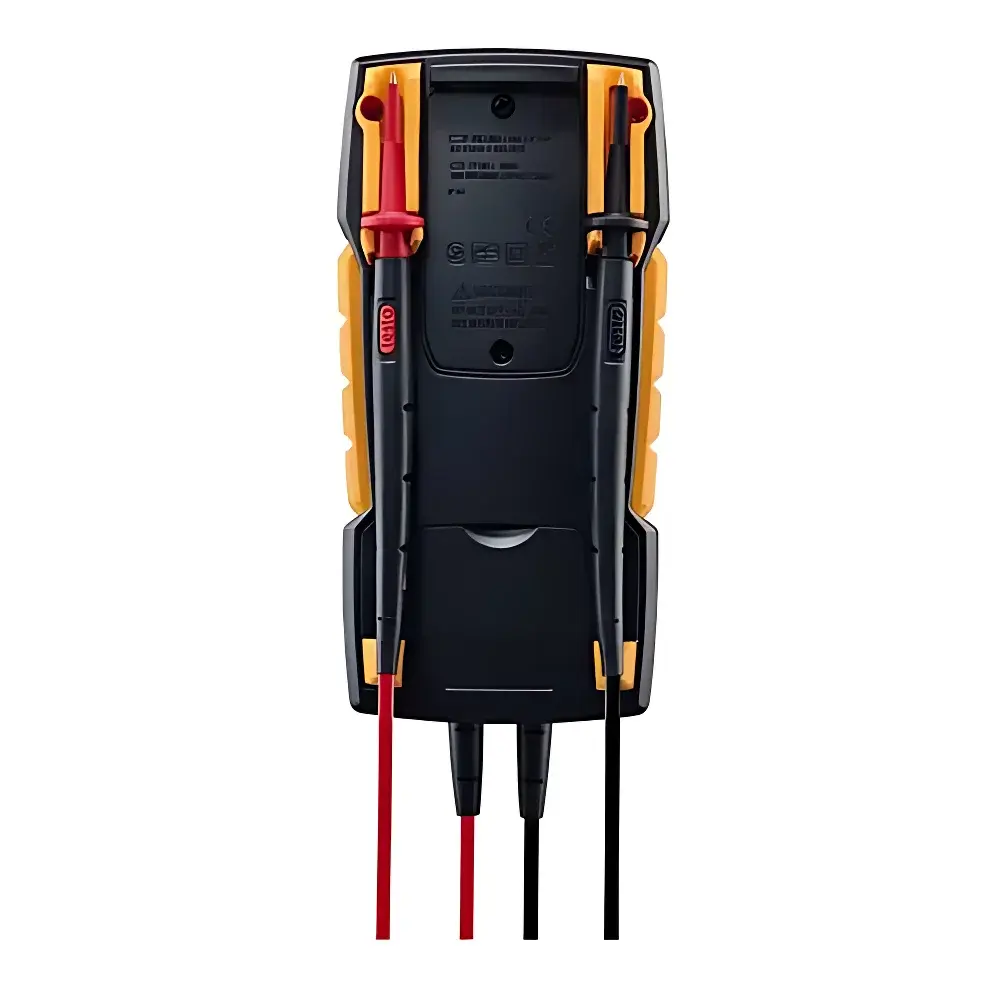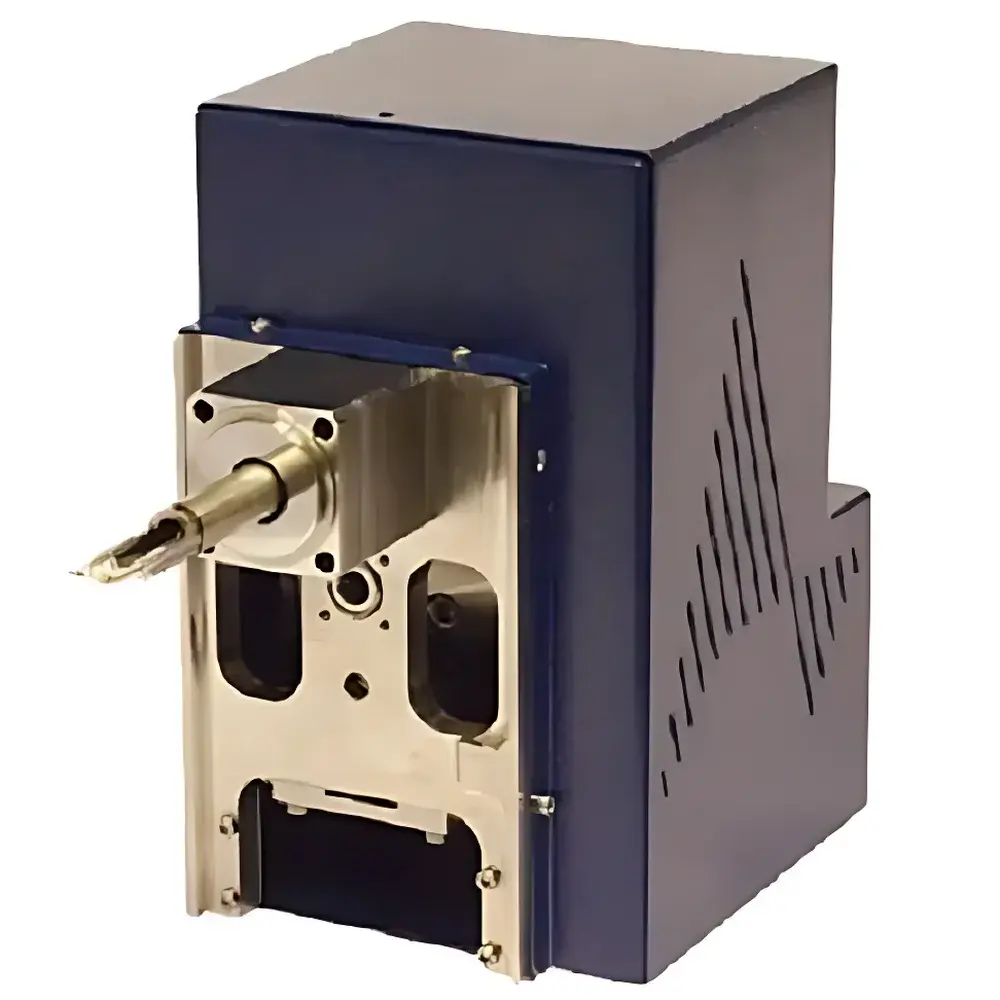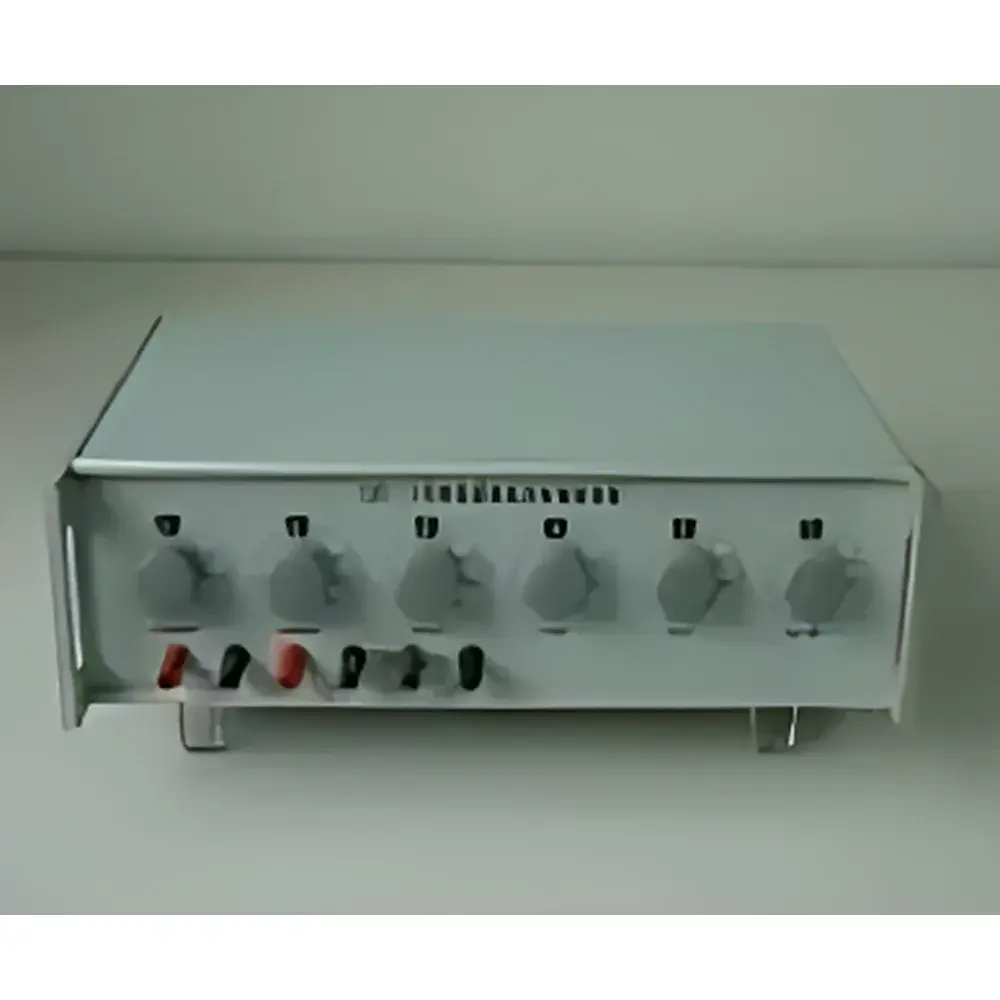
Biaozhuo DP-1 Dynamic Strain Frequency Response Calibrator
| Brand | Biaozhuo |
|---|---|
| Origin | Shanghai, China |
| Manufacturer Type | Authorized Distributor |
| Country of Origin | China |
| Model | DP-1 |
| Price Range | USD 1,400 – 7,000 |
| Frequency Range | 10 Hz – 500 kHz |
| Amplitude Accuracy | ±0.1 dB (10–100 kHz), ±0.2 dB (100–200 kHz), ±0.5 dB (200–500 kHz) |
| Resolution | 0.1 dB |
| Simulated Strain Output | ~2484 µε |
| Bridge Configuration | Full-Bridge (Excitation Voltage: 2 V) |
| Operating Temperature | 10–30 °C |
| Relative Humidity | 20–85 % RH |
Overview
The Biaozhuo DP-1 Dynamic Strain Frequency Response Calibrator is a traceable metrological reference instrument engineered for the precise verification and calibration of dynamic resistance strain gauge amplifiers—specifically those used in structural health monitoring, modal analysis, fatigue testing, and high-speed mechanical characterization. Unlike generic signal generators, the DP-1 replicates the electrical behavior of a real strain gauge bridge under dynamic loading using switch-mode modulation techniques, enabling direct, physics-based frequency response assessment of strain measurement chains. Its design conforms to the functional requirements outlined in ISO 18431-4 (Mechanical vibration and shock — Signal processing — Part 4: Shock response spectrum analysis) and supports compliance with ASTM E2534 (Standard Guide for Verification of Dynamic Measurement Systems) when integrated into laboratory quality management systems. The instrument operates by generating a calibrated, amplitude-stable sinusoidal strain-equivalent signal across its full 10 Hz to 500 kHz bandwidth, allowing users to quantify gain flatness, phase linearity, and system roll-off characteristics of connected dynamic strain amplifiers without requiring physical test specimens or environmental conditioning.
Key Features
- Wideband frequency coverage from 10 Hz to 500 kHz—spanning low-frequency modal analysis through ultrasonic vibration regimes
- Traceable amplitude accuracy: ±0.1 dB up to 100 kHz, tightening metrological confidence for mid-band calibration tasks
- Full-bridge output interface compatible with standard 2 V DC or AC excitation—matching common industrial and aerospace-grade strain amplifier inputs
- Direct dB-scale readout eliminates manual logarithmic conversion, reducing operator error during frequency response mapping
- Compact, lightweight chassis (≤3.2 kg) with ruggedized enclosure suitable for both benchtop metrology labs and field-deployed calibration audits
- Stable simulated strain output of approximately 2484 µε—calibrated against NIST-traceable voltage standards at factory acceptance
Sample Compatibility & Compliance
The DP-1 is designed exclusively for electrical calibration of dynamic resistance strain instrumentation—not for material testing or sensor characterization. It interfaces directly with any dynamic strain amplifier supporting full-bridge input configuration and 2 V bridge excitation, including models from HBM, Vishay, Kyowa, and Dewetron. While the DP-1 itself does not carry formal ISO/IEC 17025 accreditation, its output stability and amplitude accuracy are validated per internal Type A/B uncertainty budgets aligned with GUM (JCGM 100:2008) principles. When deployed within an accredited calibration lab, the DP-1 serves as a secondary standard compliant with ISO/IEC 17025 clause 6.6 (Traceability of measurements) and supports GLP/GMP audit readiness for strain-data-dependent regulatory submissions (e.g., FAA AC 20-152A, NASA-HDBK-7005).
Software & Data Management
The DP-1 operates as a stand-alone hardware calibrator with no embedded firmware or proprietary software dependency. All frequency sweeps, amplitude settings, and dB readings are executed manually via front-panel controls and analog metering. This architecture ensures long-term operational continuity, eliminates cybersecurity exposure, and guarantees compatibility with legacy data acquisition systems—including those running Windows XP Embedded or real-time OS platforms common in aerospace test cells. For automated calibration workflows, users may integrate the DP-1’s analog output into third-party DAQ systems (e.g., NI PXI, Dewesoft X, or MATLAB Data Acquisition Toolbox) using standard BNC connections. Audit trails, calibration certificates, and uncertainty statements must be generated externally per ISO/IEC 17025 documentation requirements.
Applications
- Periodic verification of dynamic strain amplifier bandwidth per manufacturer specifications (e.g., HBM MGCplus, Vishay Micro-Measurements 7000 series)
- Validation of anti-aliasing filter performance in high-speed data acquisition channels
- Supporting uncertainty budget development for strain-based fatigue life prediction models (per SAE JA1112)
- Calibration interval optimization studies in structural dynamics laboratories
- Training and competency assessment for metrology technicians performing strain system validation
FAQ
Does the DP-1 require periodic recalibration?
Yes—recommended recalibration interval is 12 months or after 200 hours of operational use, whichever occurs first, to maintain stated amplitude accuracy tolerances.
Can the DP-1 simulate half-bridge or quarter-bridge configurations?
No—it is engineered exclusively for full-bridge emulation with fixed 2 V excitation; half- or quarter-bridge simulation requires external resistor networks and is outside its certified operating scope.
Is the DP-1 compliant with FDA 21 CFR Part 11 for regulated biotech applications?
The DP-1 has no electronic records or electronic signatures capability; however, its use in generating calibration evidence for strain-based medical device testing (e.g., orthopedic implant load testing) is fully permissible when documented per ALCOA+ principles.
What environmental conditions affect measurement repeatability?
Ambient temperature deviations beyond 20 ± 5 °C significantly impact bridge balance stability; humidity above 85 % RH may induce surface leakage currents affecting low-level signal integrity.
Does the DP-1 include NIST-traceable calibration documentation?
Each unit ships with a factory calibration report referencing NIST-traceable voltage standards (SRM 4901), including measured amplitude deviation curves and expanded uncertainty values (k=2) across the full frequency range.
Related Products