
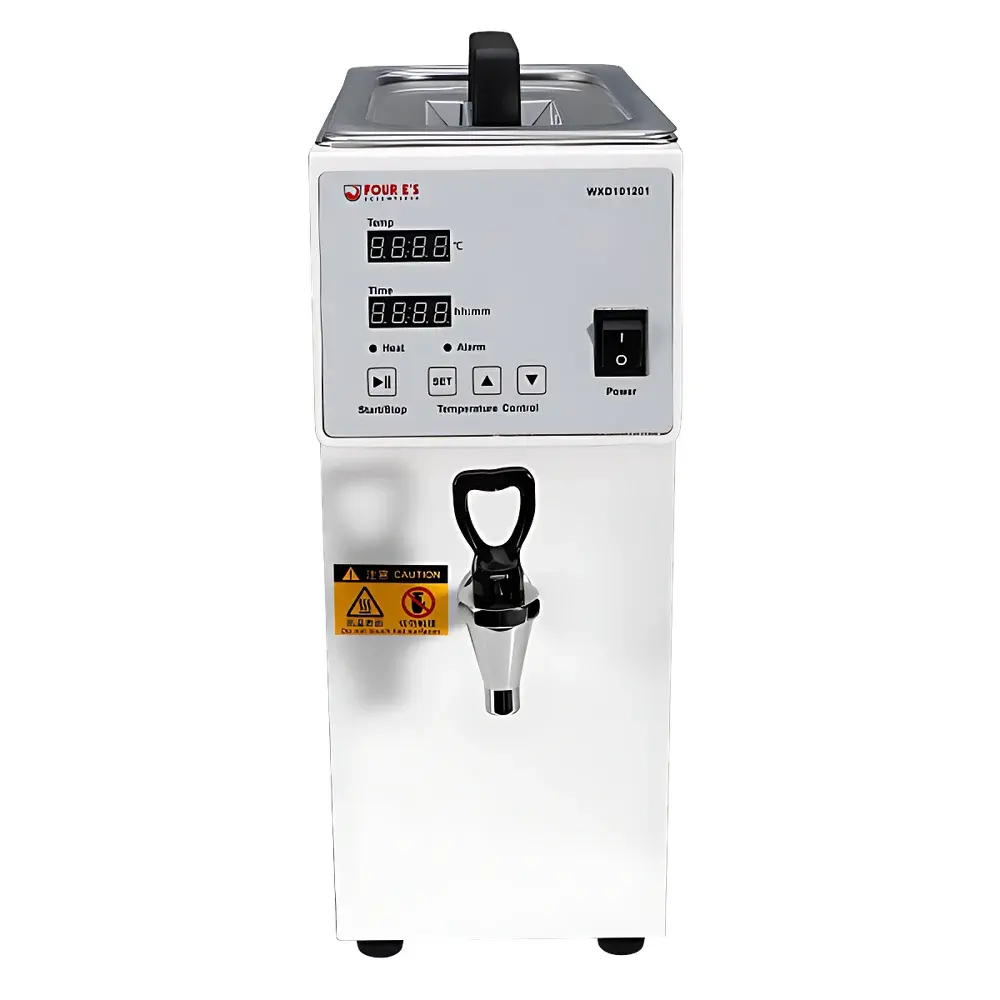
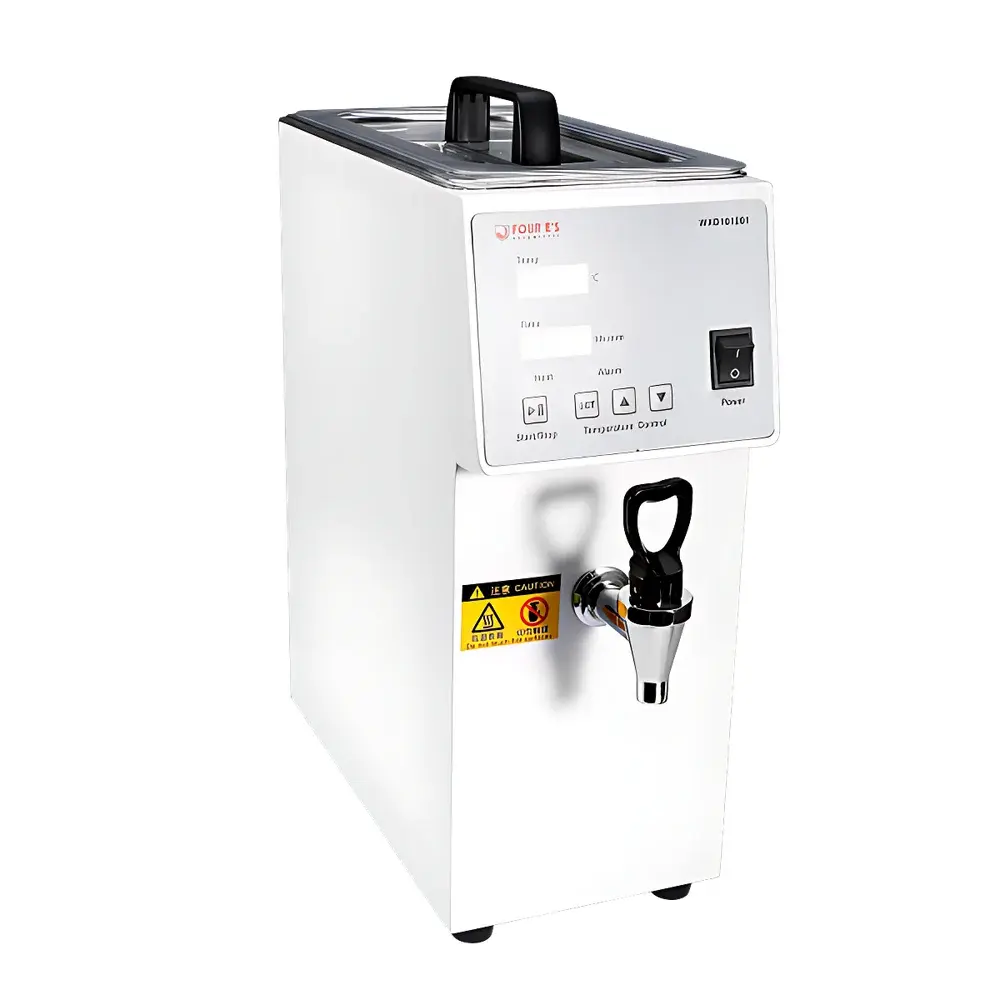
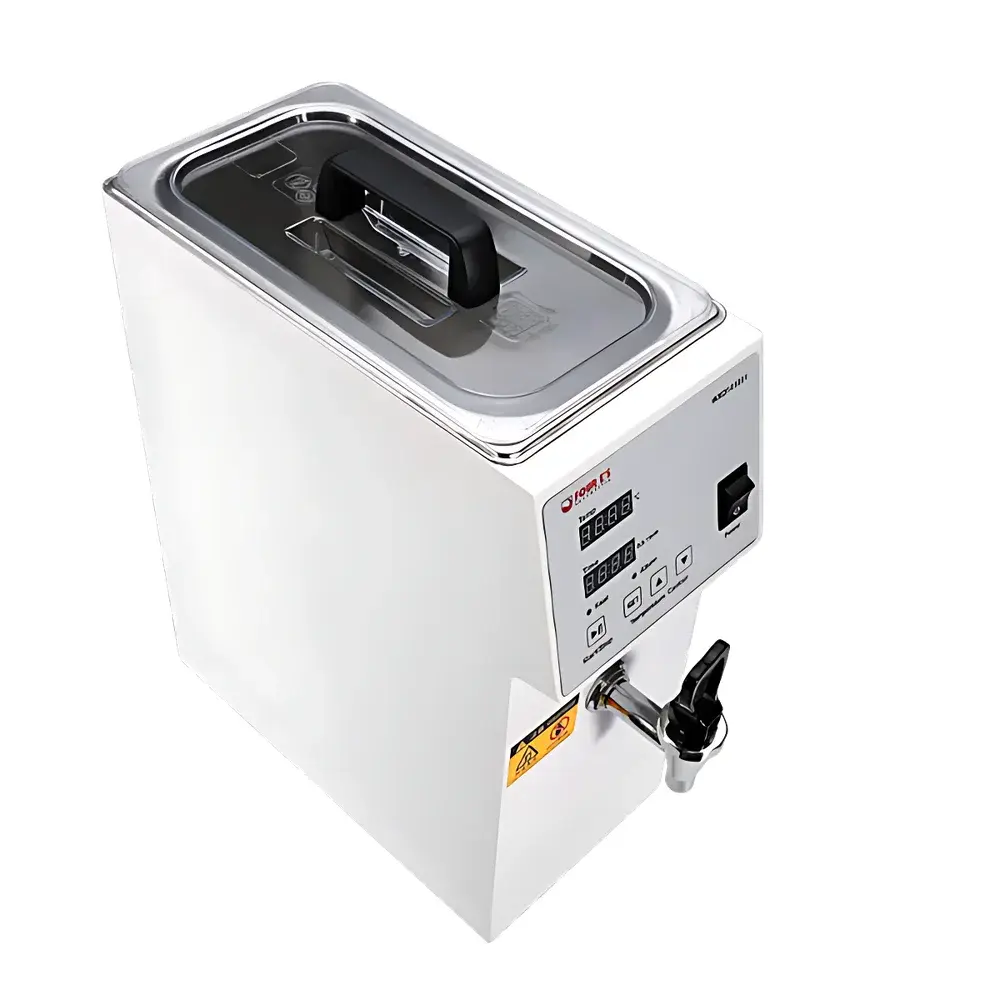
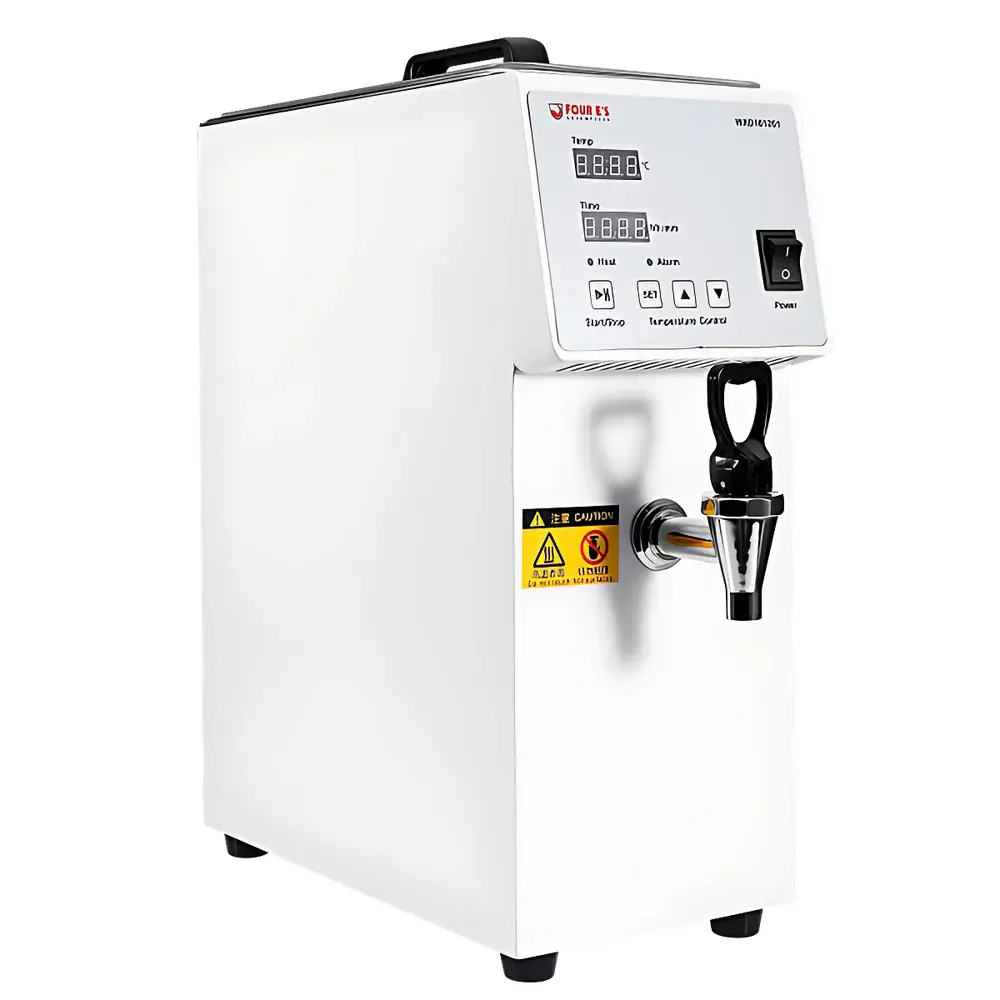
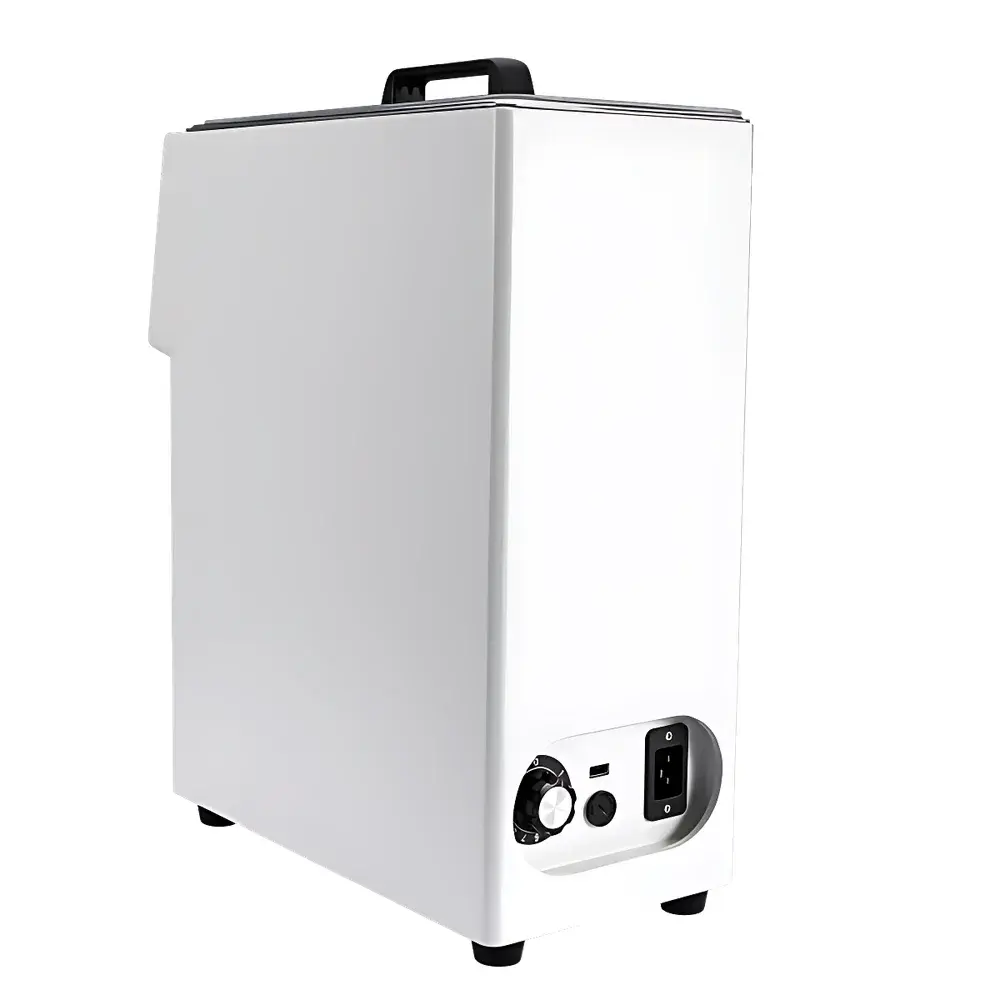
FOUR E’S SCIENTIFIC WXD101201 Paraffin Melting and Dispensing Unit
| Brand | FOUR E'S SCIENTIFIC |
|---|---|
| Origin | Guangdong, China |
| Manufacturer Type | Direct Manufacturer |
| Country of Origin | China |
| Model | WXD101201 |
| Pricing | Upon Request |
| Capacity | 7.5 L (≈3.5 kg solid paraffin) |
| Heating Method | Bottom + sidewall integrated heating |
| Temperature Control | Digital PID controller with ±0.5 °C stability |
| Dispensing System | Triple-position heated lever faucet with drip-free operation |
| Filtration | Integrated 0.5 mm stainless-steel mesh filter |
| Safety Design | Insulated paraffin tank with cool-touch external surface |
| Dimensions | Compact benchtop footprint (<400 × 350 × 420 mm) |
| Compliance | Designed for GLP-compliant pathology laboratories |
Overview
The FOUR E’S SCIENTIFIC WXD101201 Paraffin Melting and Dispensing Unit is an engineered solution for controlled, reproducible paraffin phase transition in histopathology workflows. It operates on the principle of uniform thermal energy distribution via dual-zone resistive heating—simultaneously applied to the base plate and inner chamber walls—to achieve rapid, homogeneous melting of solid paraffin blocks or granules without localized overheating or thermal degradation. Unlike open-bath melters, this unit integrates a sealed, insulated reservoir that maintains stable liquid-phase temperature (typically 58–65 °C) over extended operational cycles, minimizing wax oxidation and carbonization. Its design supports seamless integration into automated tissue processing pipelines, serving as a critical upstream component in paraffin embedding systems used for diagnostic histology, academic research, and biobanking sample preparation.
Key Features
- High-efficiency thermal architecture: Dual-surface heating system reduces melt time for 3.5 kg of solid paraffin to under 45 minutes while maintaining temperature uniformity across the 7.5 L reservoir.
- Drip-free dispensing mechanism: Three-position heated lever faucet enables precise volumetric control—press-to-dispense, lock-open for rapid refilling, and lock-closed for secure storage—eliminating wax drips during transfer.
- Integrated filtration: Stainless-steel 0.5 mm mesh filter positioned at the outlet prevents particulate carryover, ensuring consistent flow into embedding molds or cassette fillers without nozzle clogging.
- Cool-surface insulation: Vacuum-insulated paraffin tank minimizes radiant heat loss and maintains external casing temperature below 40 °C during continuous operation, meeting occupational safety guidelines for benchtop equipment.
- Compact footprint: Engineered for space-constrained pathology labs, the unit occupies less than 0.14 m² of bench space while accommodating standard-sized embedding molds, specimen baskets, and large-volume collection vessels via its elevated spout height.
- Digital PID temperature management: Front-panel interface allows stepless setpoint adjustment (range: 40–75 °C) with real-time display and ±0.5 °C steady-state accuracy, supporting method-specific wax formulations (e.g., low-melting-point vs. high-penetration grades).
Sample Compatibility & Compliance
The WXD101201 accommodates all standard histological paraffin types—including conventional, low-temperature, and infiltration-grade waxes—as well as microtome-compatible resin blends when operated within validated temperature ranges. Its stainless-steel interior complies with ISO 13485 material requirements for medical device manufacturing environments. While not a Class I medical device per FDA 21 CFR Part 892, the unit is designed to support GLP- and CAP-accredited laboratory practices through traceable temperature logging (via optional RS-232/USB output), physical drip containment, and non-reactive wetted surfaces. It meets CE marking requirements for electrical safety (EN 61000-6-3, EN 61000-6-4) and thermal hazard mitigation (EN 60335-1).
Software & Data Management
The WXD101201 operates as a standalone hardware platform with no embedded operating system or cloud connectivity. Temperature setpoints and real-time readings are managed exclusively through the local digital interface. For laboratories requiring audit-ready records, optional serial data output (RS-232 or USB-C) enables integration with third-party LIMS or electronic lab notebooks (ELNs) supporting ASCII-formatted timestamped logs. All firmware operations adhere to ALCOA+ principles—attributable, legible, contemporaneous, original, accurate, complete, consistent, enduring, and available—when paired with compliant data acquisition software. No internal storage or user-accessible memory is present, eliminating data security risks associated with onboard storage.
Applications
- Routine diagnostic histopathology: Continuous supply of molten paraffin for manual and semi-automated tissue embedding stations in hospital labs and reference pathology centers.
- Academic histology teaching: Stable, safe wax dispensing for student training in tissue orientation, mold filling, and block trimming techniques.
- Biorepository preprocessing: Standardized wax handling for archival-quality embedding of biospecimens under ISO 20387:2018 biobanking guidelines.
- Pharmaceutical toxicology studies: Reproducible paraffin infiltration for serial sectioning of rodent and large-animal tissue cohorts in GLP-regulated preclinical studies.
- Research core facilities: High-throughput wax replenishment for multi-user shared embedding platforms, reducing cross-contamination risk via dedicated, filtered dispensing paths.
FAQ
What is the maximum recommended operating temperature for long-term use?
The unit is calibrated and validated for continuous operation between 56 °C and 65 °C; exceeding 70 °C may accelerate wax oxidation and compromise filtration integrity.
Can the WXD101201 be integrated with automated embedding workstations?
Yes—its elevated spout height (≥120 mm) and drip-free faucet are compatible with common OEM embedding console inlets; mechanical mounting brackets are available upon request.
Is routine maintenance required beyond filter cleaning?
Daily removal and rinsing of the 0.5 mm filter is recommended; annual calibration of the PT100 sensor against a NIST-traceable reference thermometer is advised for ISO 17025 compliance.
Does the unit support multi-language interface options?
No—the control panel displays English-only text and numeric values; no firmware localization is provided.
What safety certifications does the WXD101201 hold?
It carries CE marking per EU Directive 2014/35/EU (Low Voltage Directive) and 2014/30/EU (EMC Directive); full test reports are available under NDA from FOUR E’S SCIENTIFIC Technical Support.
Related Products




