
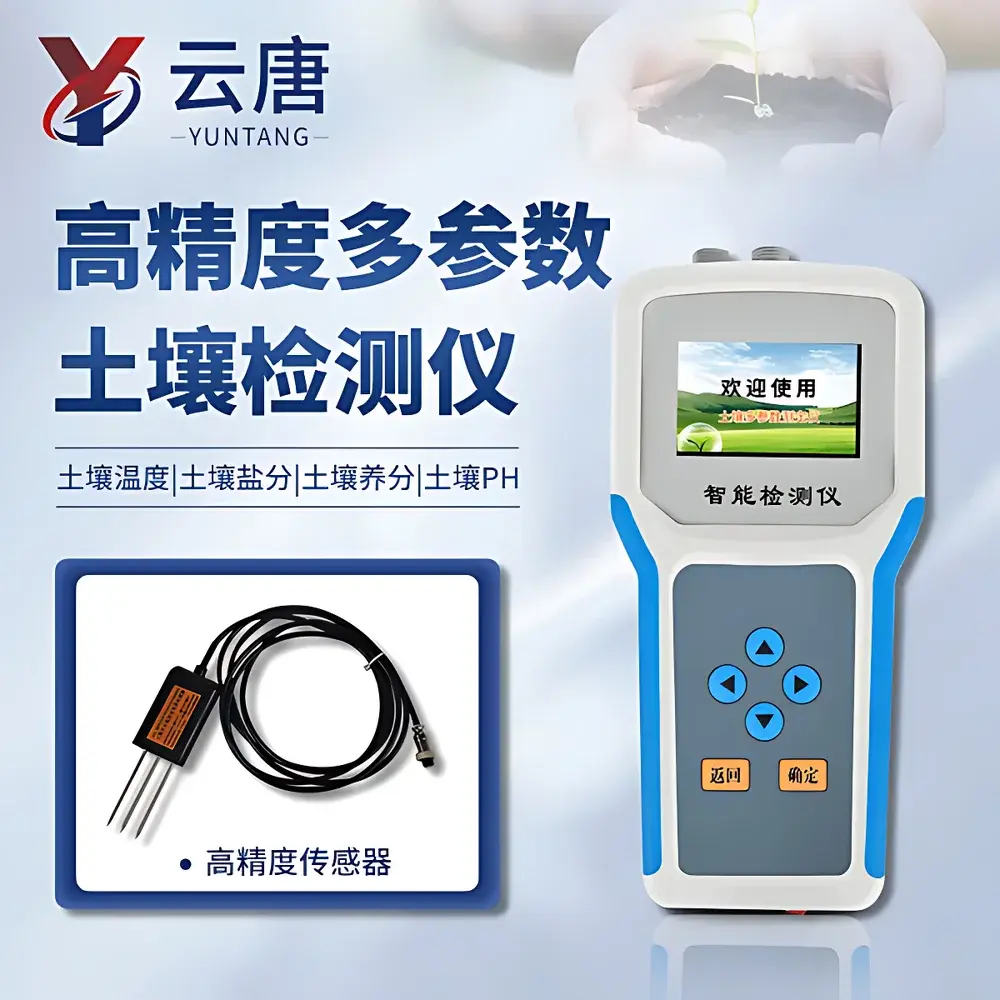
Yuntang YT-WSYPF Soil Multi-Parameter Analyzer
| Brand | Yuntang |
|---|---|
| Origin | Shandong, China |
| Manufacturer Type | Manufacturer |
| Country of Origin | China |
| Model | YT-WSYPF |
| Price Range | USD 170 – 835 |
| Soil Moisture Range | 0–100% v/v (±2% @ 0–50%, ±3% @ 50–100%) |
| Temperature Range | −40 to +80 °C (±0.5 °C) |
| EC Range | 0–20,000 µS/cm (±3% @ 0–10,000 |
| Salinity Range | 0–50 g/kg (±5%) |
| pH Range | 0–14 (±0.1, 0.01 resolution) |
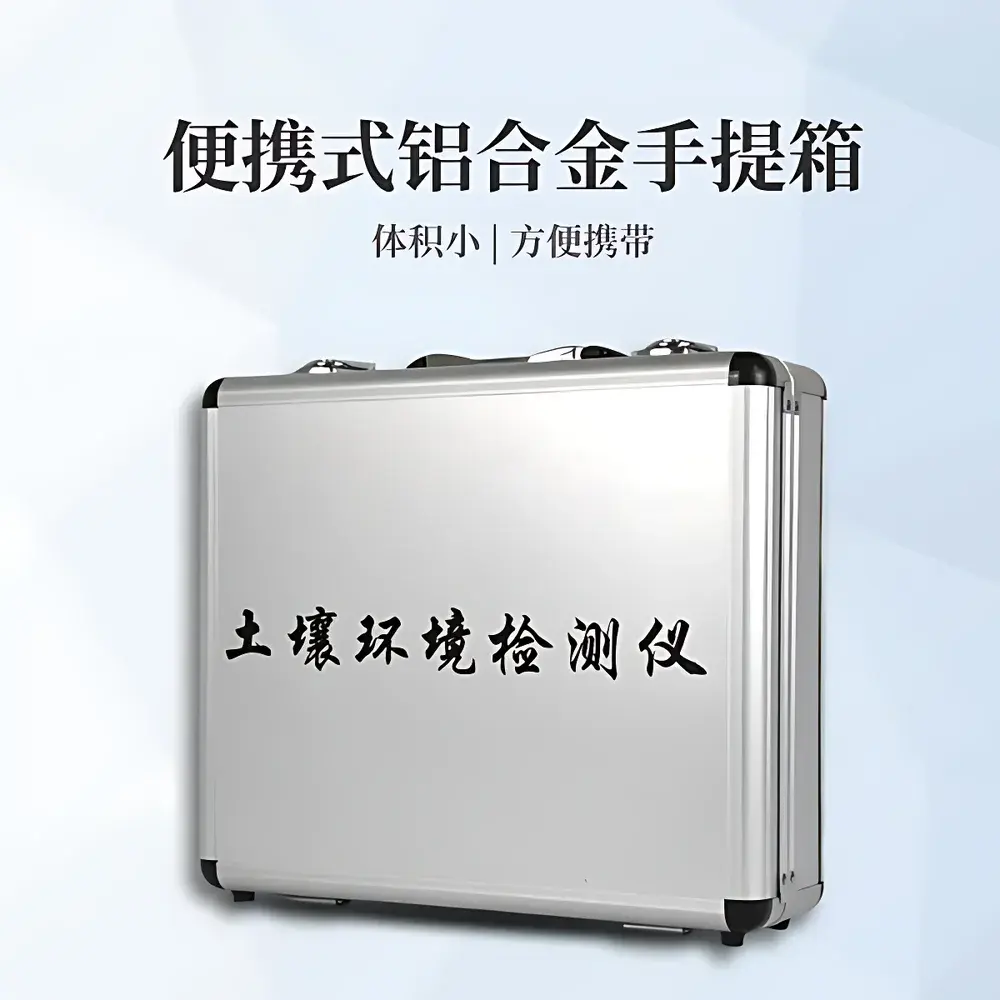
| Dimensions | 204 × 100 × 36 mm |
| Weight | 0.3 kg |
| Data Storage | 300,000 records |
| Sampling Interval | User-configurable |
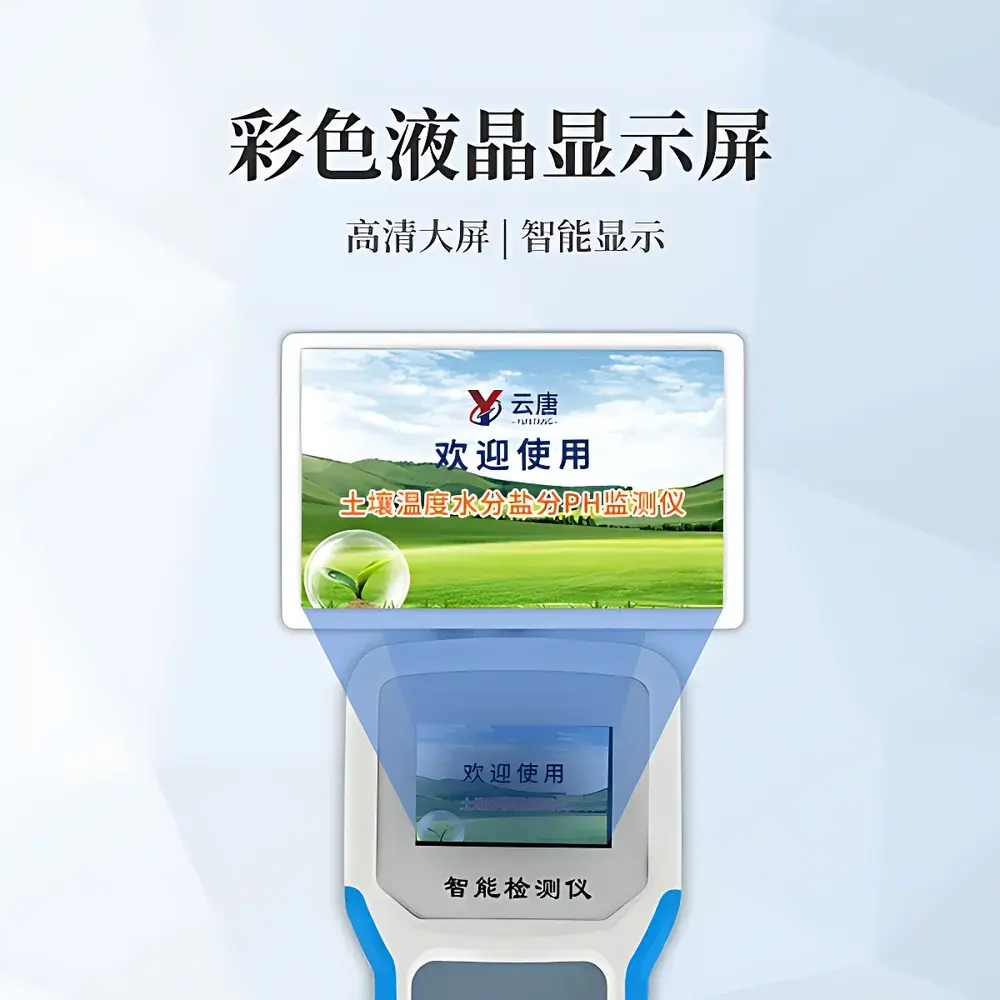
| Display | Color LCD |
| Interface | USB |
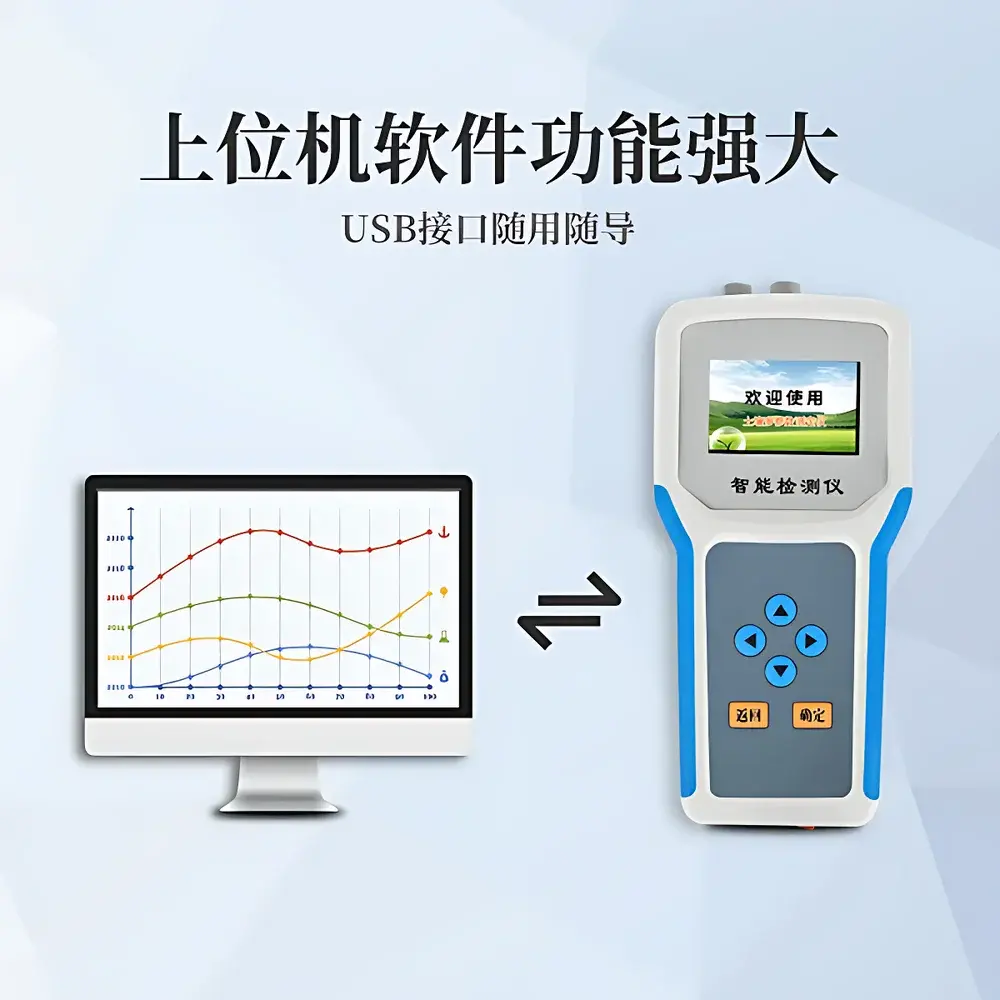
| Software | Free PC-based data management suite with Excel export, curve plotting, and threshold-based color-coded alerting |
Overview
The Yuntang YT-WSYPF Soil Multi-Parameter Analyzer is a field-deployable, integrated environmental sensor platform engineered for simultaneous in-situ measurement of five critical soil physical and chemical parameters: volumetric water content (VWC), temperature, electrical conductivity (EC), salinity, and pH. Based on calibrated capacitive dielectric sensing for moisture, precision thermistor-based temperature detection, four-electrode EC measurement with automatic temperature compensation, and solid-state ISFET-based pH sensing, the instrument delivers repeatable, traceable data under variable field conditions. Its compact, handheld architecture supports rapid point sampling across heterogeneous terrain and enables long-term unattended monitoring when deployed with optional external power and telemetry modules. Designed for operational robustness in agricultural, ecological, hydrological, and environmental research contexts, the YT-WSYPF meets functional requirements aligned with ISO 11277 (soil physical analysis), ASTM D511 (water-soluble salts), and USP <797> guidance for environmental monitoring in controlled settings.
Key Features
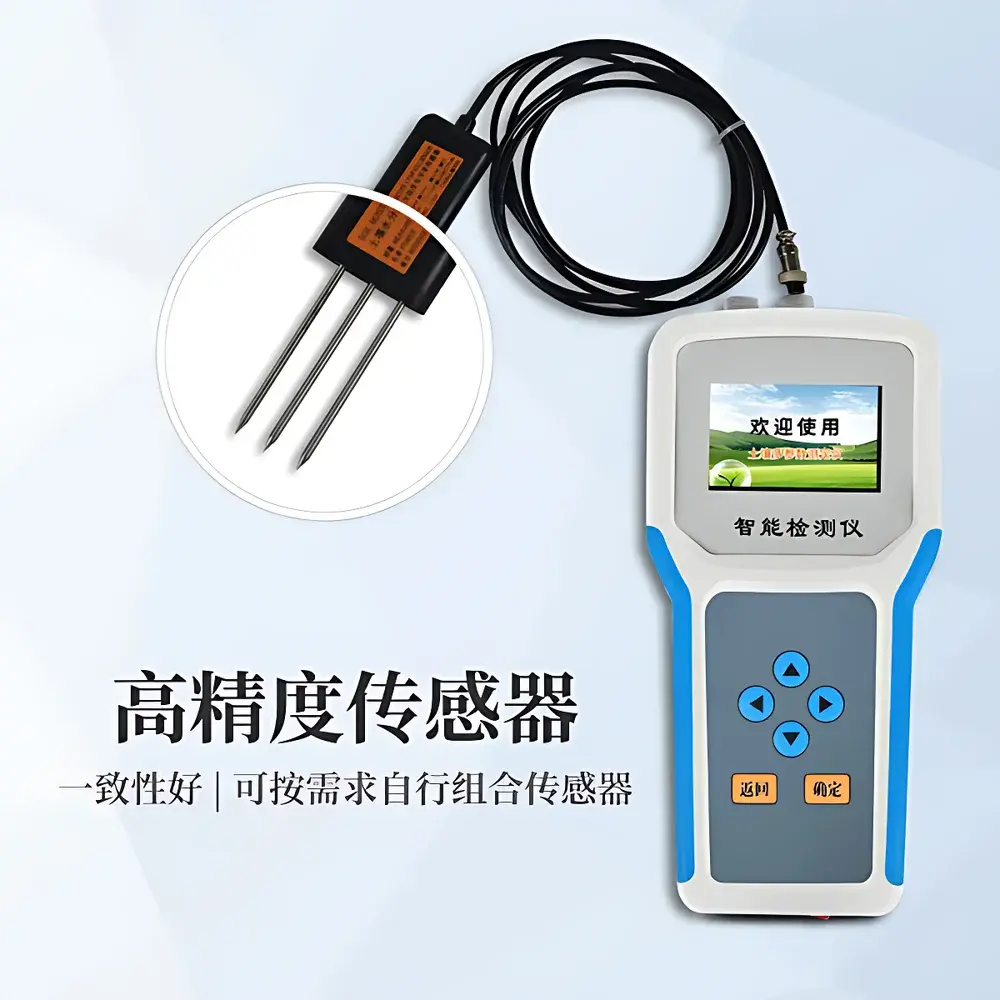
- Integrated multi-sensor architecture with automatic plug-and-play recognition—no manual calibration or channel assignment required upon sensor insertion.
- Simultaneous real-time display of EC and derived salinity (g/kg), eliminating post-processing calculations and reducing operator error.
- High-resolution color LCD interface with intuitive menu navigation, battery voltage monitoring, and on-device data review—including timestamped group identifiers and measurement stability indicators.
- Onboard non-volatile memory storing up to 300,000 records with auto-save on power loss and configurable sampling intervals from 1 second to 24 hours.
- Modular sensor interface supporting interchangeable probes: VWC, temperature, EC/pH/salinity combo probes, and future-expandable channels for nitrate, ammonium, or redox potential with firmware update.
- Ruggedized housing (IP65-rated enclosure), low-power consumption (<12 mA active), and extended operating range (−40 to +80 °C) suitable for year-round deployment in temperate, arid, and semi-humid zones.
Sample Compatibility & Compliance
The YT-WSYPF is validated for direct insertion into mineral soils, loams, sandy, and clay-rich substrates with minimal disturbance. Probe geometry (10 cm diameter × 10 cm height cylindrical sensing volume) ensures representative bulk property assessment without requiring core extraction or lab preparation. All sensors comply with CE marking directives for electromagnetic compatibility (2014/30/EU) and low-voltage safety (2014/35/EU). Measurement protocols adhere to GLP-aligned documentation standards: each stored record includes sensor ID, UTC timestamp, ambient temperature, and measurement confidence flags. While not certified to ISO/IEC 17025, the system supports audit-ready data export for internal QA/QC workflows and regulatory reporting under EPA Method 9045D (pH), ASTM D4373 (soil EC), and FAO-recommended soil moisture monitoring guidelines.
Software & Data Management
The included Windows-compatible desktop application provides secure, encrypted USB data transfer with full metadata retention. Users can generate time-series plots, overlay multiple parameters, apply moving averages, and define user-specific alarm thresholds—exceeding values trigger color-coded highlighting in both graphical and tabular views. Export options include native .CSV and .XLSX formats compatible with R, Python (pandas), MATLAB, and GIS platforms (QGIS, ArcGIS). Audit trail functionality logs all export events, parameter edits, and calibration history. The software supports 21 CFR Part 11-compliant configuration (optional password-protected administrator mode, electronic signatures, and immutable log files) for laboratories operating under GxP frameworks.
Applications
- Irrigation scheduling and drought stress assessment in precision agriculture and viticulture.
- Soil health monitoring across long-term ecological research sites (LTER), including restoration projects and climate change impact studies.
- Salinity mapping in coastal aquifers, reclaimed lands, and irrigation districts to support FAO-UNESCO salinity classification.
- Pre-plant soil characterization for horticultural nurseries, greenhouse operations, and container-grown plant production.
- Regulatory compliance monitoring for landfill leachate plumes, brownfield remediation, and wastewater-irrigated croplands.
- Field validation of remote-sensing soil moisture products (e.g., SMAP, Sentinel-1) via ground-truthing campaigns.
FAQ
What is the recommended calibration frequency for field use?
Field calibration is advised every 6 months or after 500 measurements; factory calibration certificates are provided with each unit.
Can the device measure nitrogen, phosphorus, and potassium (NPK) directly?
No—the YT-WSYPF does not perform extractive chemical analysis for NPK. It measures EC and pH as proxies correlated with nutrient availability; discrete lab testing remains required for quantitative NPK quantification.
Is the pH sensor replaceable and field-serviceable?
Yes—the ISFET-based pH probe is user-replaceable with standard M12 threaded interface and requires no recalibration after swap due to embedded sensor ID and factory calibration mapping.
Does the system support wireless data transmission?
Not natively—but optional LoRaWAN or NB-IoT telemetry add-ons are available through Yuntang’s OEM integration program for remote networked deployments.
How is temperature compensation applied during EC and salinity measurements?
Automatic linear compensation using the integrated thermistor (±0.5 °C accuracy) applies the standard 2 %/°C coefficient per ASTM D2777, referenced to 25 °C.







