
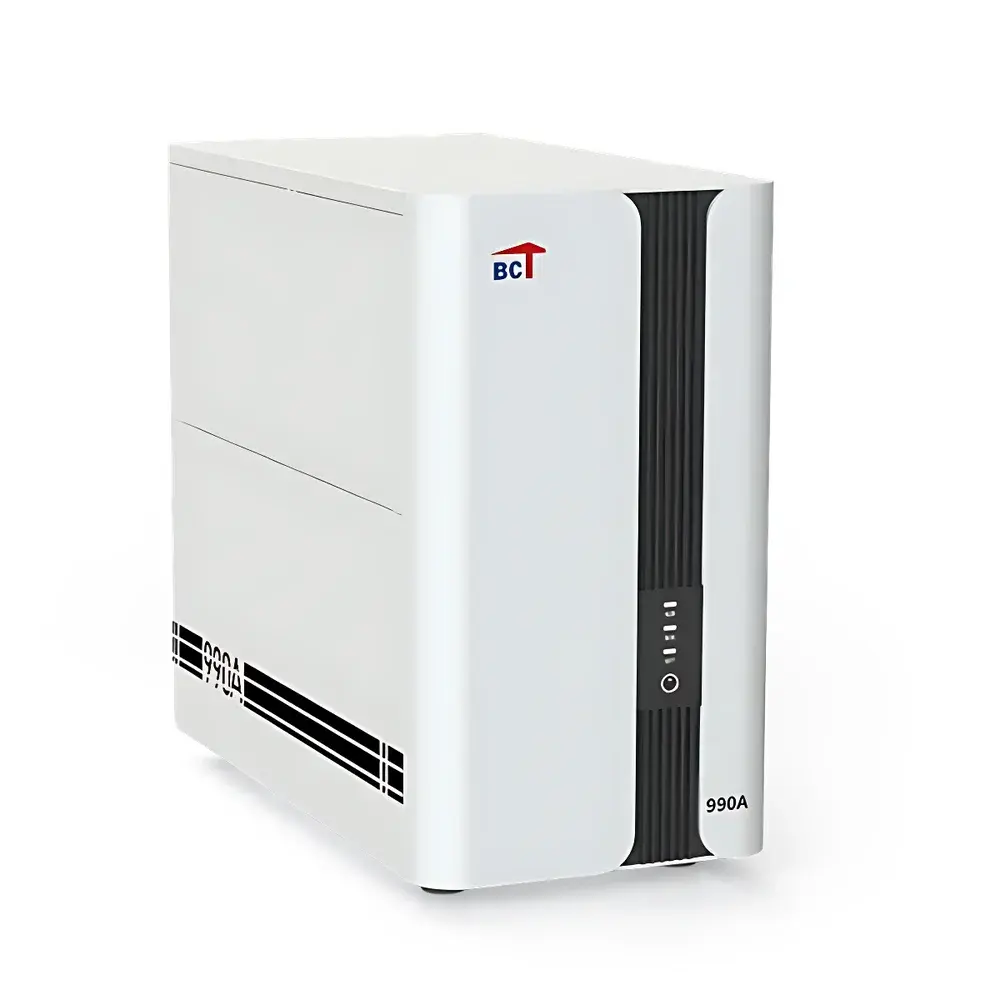
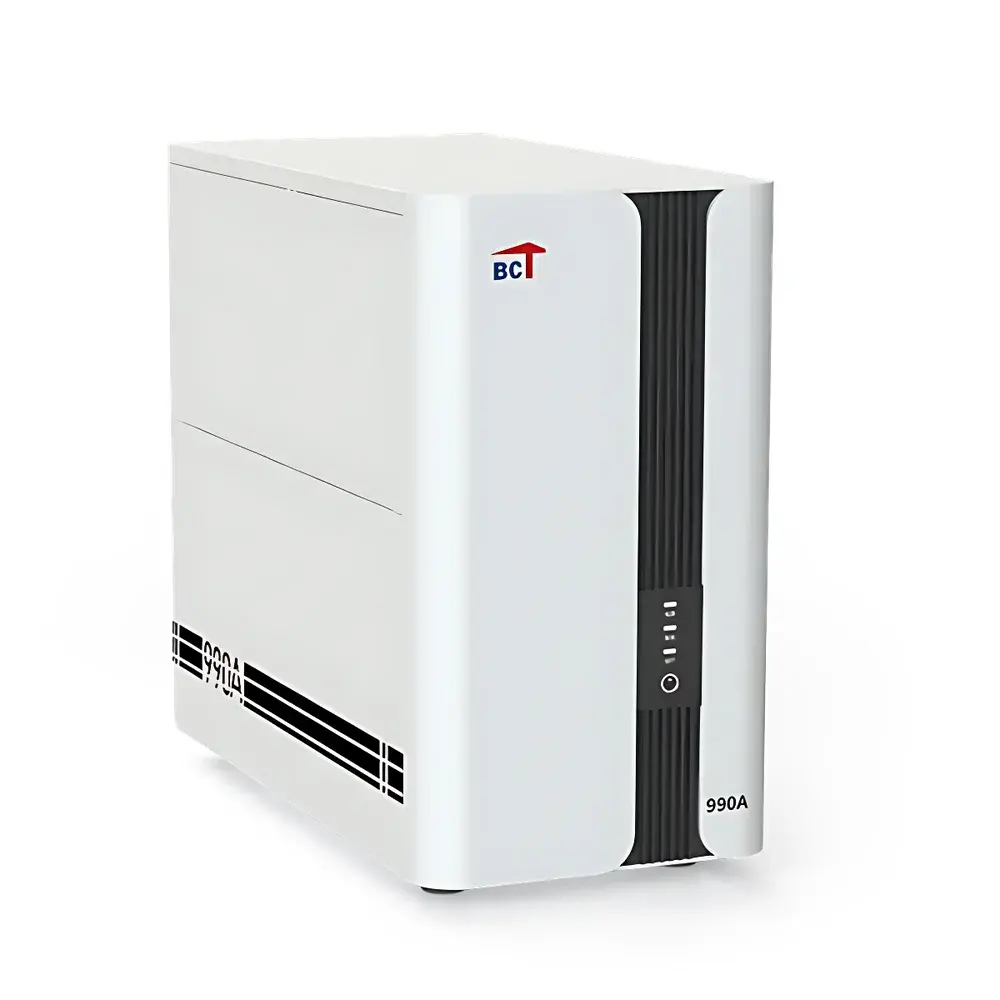
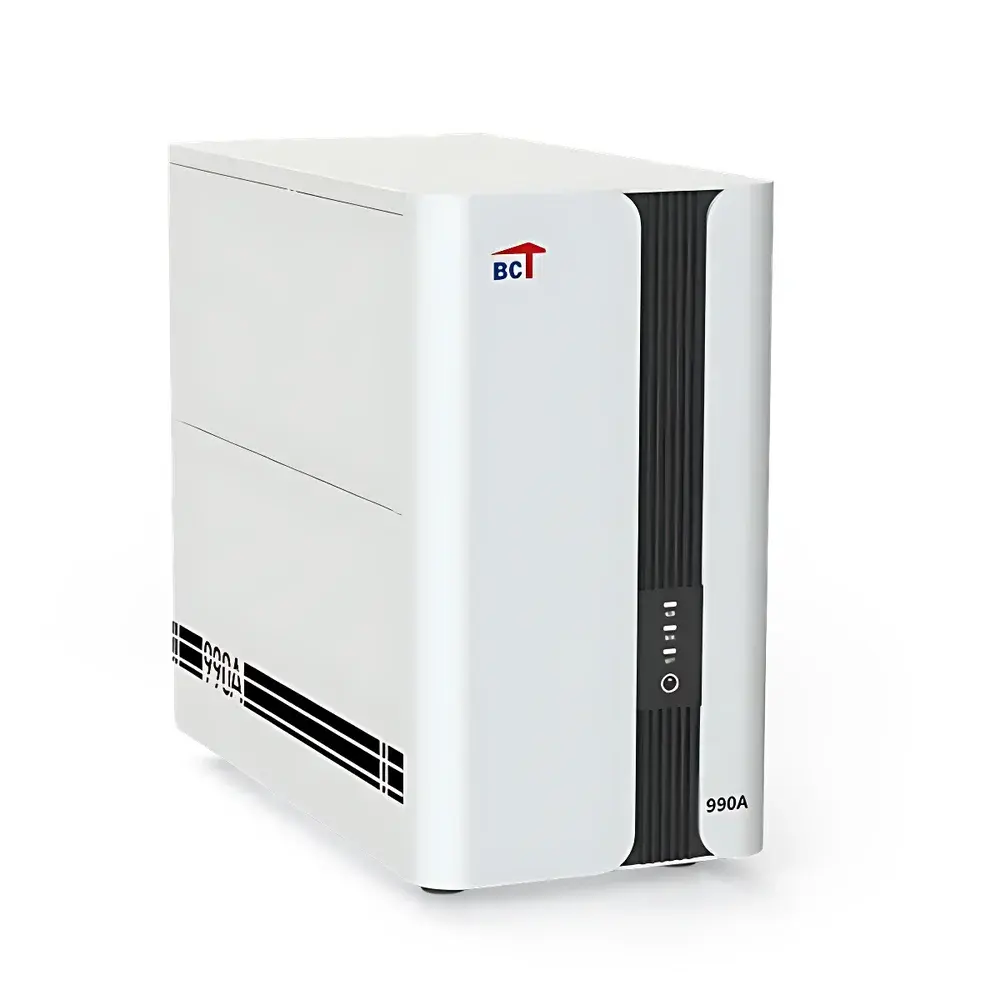
BCT 990A Atmospheric Pre-concentrator
| Brand | BCT |
|---|---|
| Origin | Beijing, China |
| Manufacturer Type | OEM Manufacturer |
| Regional Classification | Domestic (China) |
| Model | 990A |
| Pricing | Upon Request |
Overview
The BCT 990A Atmospheric Pre-concentrator is an engineered solution for the quantitative enrichment and thermal desorption of trace-level volatile organic compounds (VOCs) from ambient air, background air, fugitive emission monitoring points, stationary source exhaust, workplace atmospheres, indoor environments, and emergency response gas samples. Designed for seamless integration with gas chromatography–mass spectrometry (GC-MS) systems, it enables comprehensive qualitative identification and precise quantitative analysis of complex VOC mixtures across diverse matrices. Its operational principle is based on cryogenic pre-concentration followed by focused thermal desorption—utilizing ultra-low temperature trapping (down to –190 °C), selective adsorbent chemistry, and a dedicated focusing trap—to achieve high recovery, minimal analyte degradation, and exceptional signal-to-noise performance.
Key Features
- Ultra-low temperature trapping capability: Patented liquid nitrogen temperature control system (Chinese Utility Model Patent ZL 2023 2 1382207.0) ensures stable, reproducible trapping at –190 °C—critical for retaining highly volatile compounds such as ethylene without breakthrough.
- Optimized trap design: Proprietary multi-bed trap (Chinese Invention Patent ZL 2021 1 1631498.8) employs weak-sorption sorbents (e.g., graphitized carbon black and polymeric resins), eliminating aggressive adsorbents like activated carbon that cause irreversible retention or thermal decomposition.
- Controlled thermal desorption: Desorption temperatures range from 180–200 °C—sufficient for complete elution of refractory compounds (e.g., naphthalene, dodecane, 1,3-hexachlorobutadiene) while preserving thermally labile species including amines, sulfur-containing organics, oxygenates, and phosphorus-containing VOCs.
- Dedicated focusing trap: Ensures 100% transfer of desorbed analytes into the GC column—yielding sharper peak shapes, lower method detection limits (MDLs), and improved quantitation precision.
- Enhanced inertness: Internal surfaces—including tubing, valves, traps, and fittings—are treated with proprietary deactivation coating technology developed through adaptation and advancement of international inertization standards; each component undergoes rigorous inertness validation prior to shipment.
- High-precision volumetric sampling: Measures sample volume directly via pressure differential in calibrated canisters—immune to matrix effects and flow fluctuations unlike mass flow controller (MFC)-based methods. Standard range: 5–1000 mL; optional quantitative loop configuration supports sub-milliliter (≤1 mL) accurate injection.
Sample Compatibility & Compliance
The BCT 990A supports sampling media including electropolished stainless-steel canisters, Tedlar® bags, and glass-lined containers. It meets or exceeds performance requirements specified in major regulatory and standard methods, including: HJ 759–2023 (Determination of 65 VOCs in Ambient Air Using Canister Sampling/GC-MS), GB/T 14678–1993 (Determination of H2S, methanethiol, dimethyl sulfide, and dimethyl disulfide in ambient air), HJ 1078–2019 (Determination of 8 Sulfur-Containing VOCs in Stationary Source Exhaust Using Bag Sampling/Pre-concentration/GC-MS), and U.S. EPA Method TO-15A (VOC Analysis in Canister-Collected Air Samples). The system architecture supports GLP-compliant operation and is compatible with 21 CFR Part 11–enabled data acquisition platforms when paired with validated GC-MS software.
Software & Data Management
The instrument operates via embedded microcontroller-based firmware with intuitive touchscreen interface for method setup, run sequencing, and real-time status monitoring. All method parameters—including trap cooling/desorption profiles, valve timing, pressure calibration factors, and sequence logs—are stored with timestamped audit trails. Exportable log files conform to CSV and XML formats for integration into LIMS environments. Optional remote diagnostics and firmware update capability support centralized laboratory management and long-term compliance documentation.
Applications
- Ambient air quality monitoring networks requiring speciated VOC profiling per national and regional regulatory frameworks
- Fugitive emission detection and quantification at petrochemical facilities, refineries, and chemical manufacturing plants
- Indoor air quality assessments in commercial buildings, schools, and healthcare settings
- Workplace exposure assessment for OSHA- or ACGIH-relevant VOCs
- Emergency response screening following chemical releases or industrial accidents
- Method development and validation studies for emerging contaminants (e.g., fluorinated VOCs, oxygenated degradation products)
FAQ
What is the lowest detectable sample volume supported by the BCT 990A?
The system achieves accurate volumetric measurement down to 5 mL using canister pressure differential; with optional quantitative loop configuration, reliable injection volumes as low as 0.5 mL are attainable.
Does the BCT 990A support unattended sequential analysis?
Yes—the instrument accepts automated sequence loading via USB or Ethernet and integrates with autosampler-compatible GC-MS platforms for overnight or multi-day unattended operation.
How is system inertness verified before shipment?
Each fluidic path component undergoes blank testing using surrogate standards (e.g., 1,4-difluorobenzene, chloromethane, propionaldehyde); pass/fail criteria are defined by ≤5% relative standard deviation (RSD) in recovery and absence of ghost peaks above 0.5 pg signal intensity.
Can the BCT 990A be used with non-canister sampling media?
Yes—it is fully compatible with certified air sampling bags (e.g., FlexFoil®, SKC AirTox), provided appropriate bag conditioning and leak-check protocols are followed per EPA TO-15A guidelines.
Is the liquid nitrogen delivery system fail-safe?
The patented LN2 control module includes dual-stage pressure regulation, real-time level monitoring, automatic shutoff upon depletion or overpressure, and continuous temperature feedback—eliminating risk of uncontrolled cryogen release or thermal shock events.



