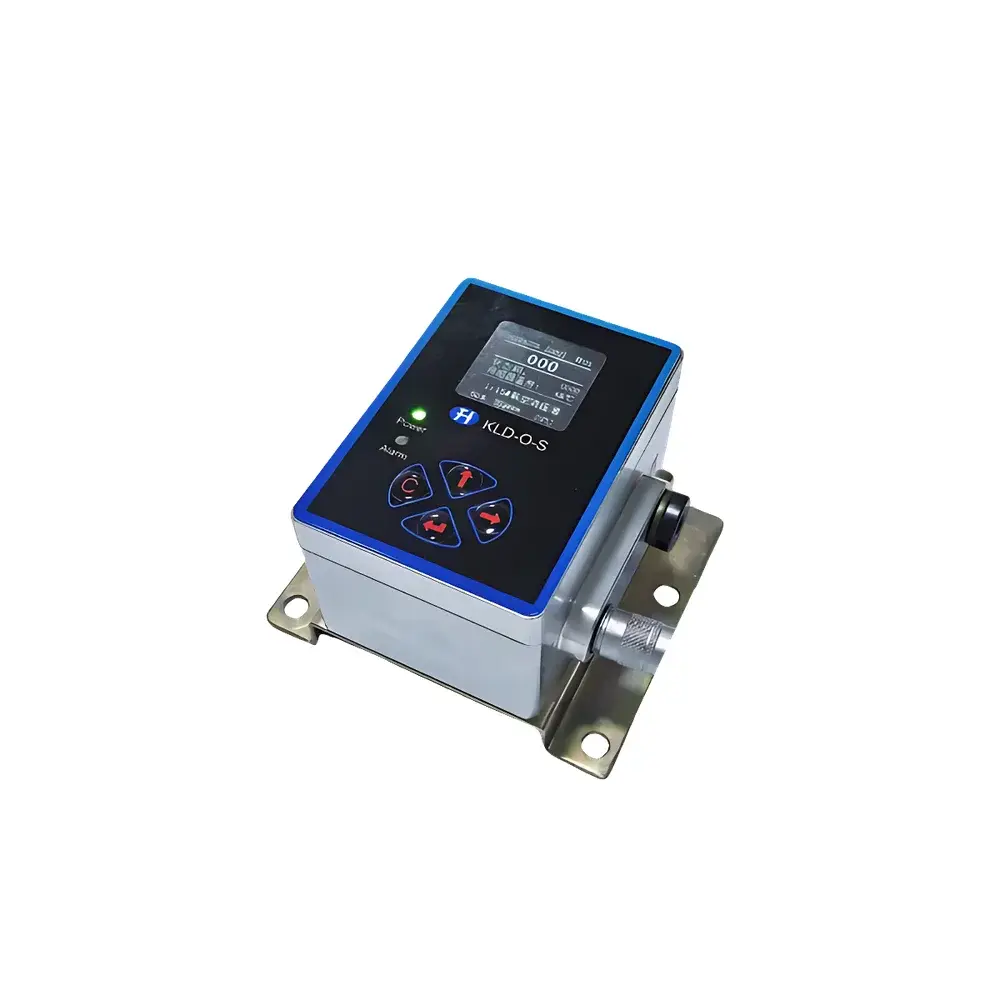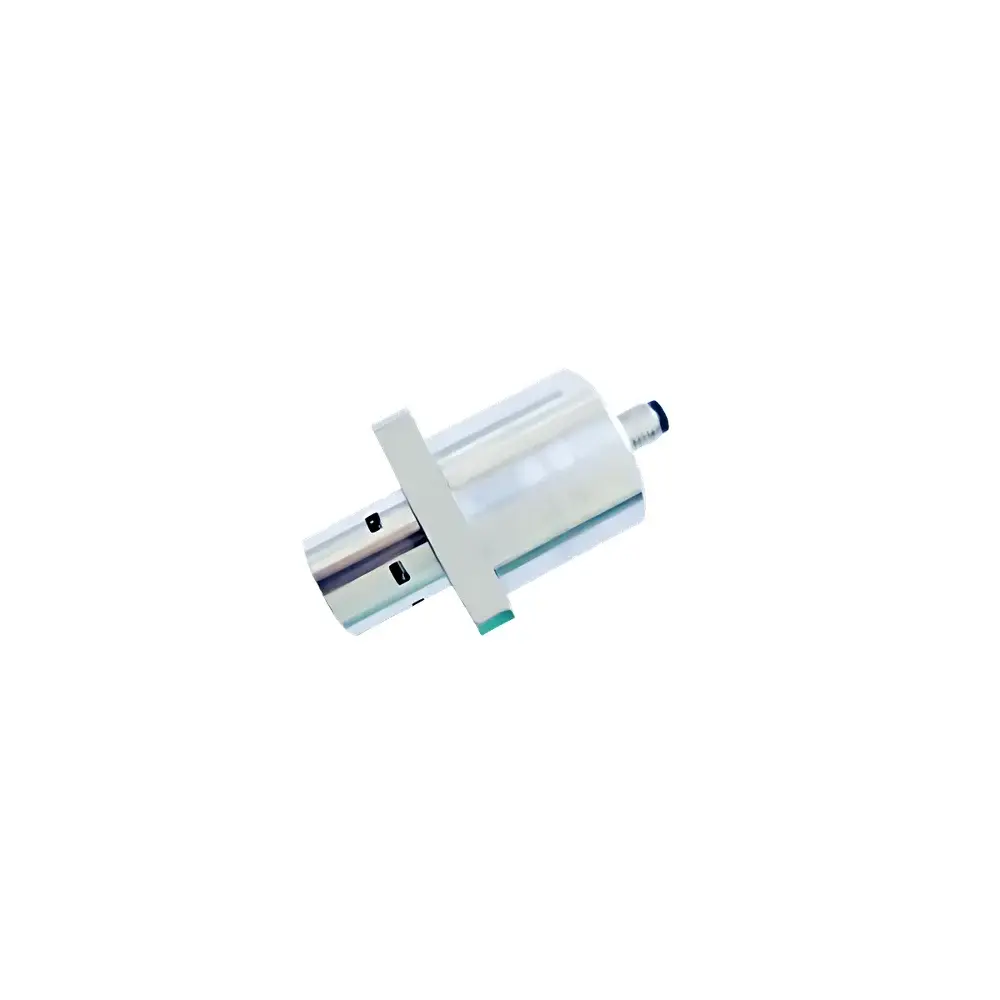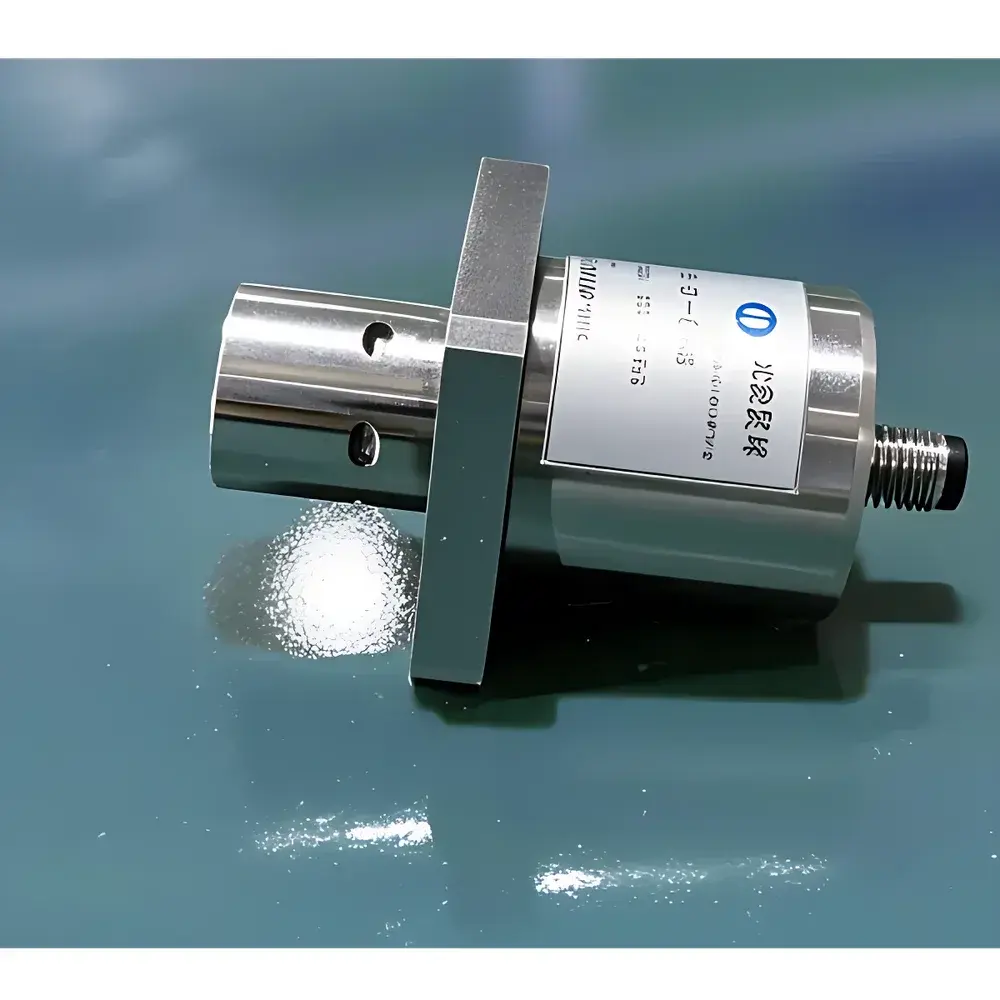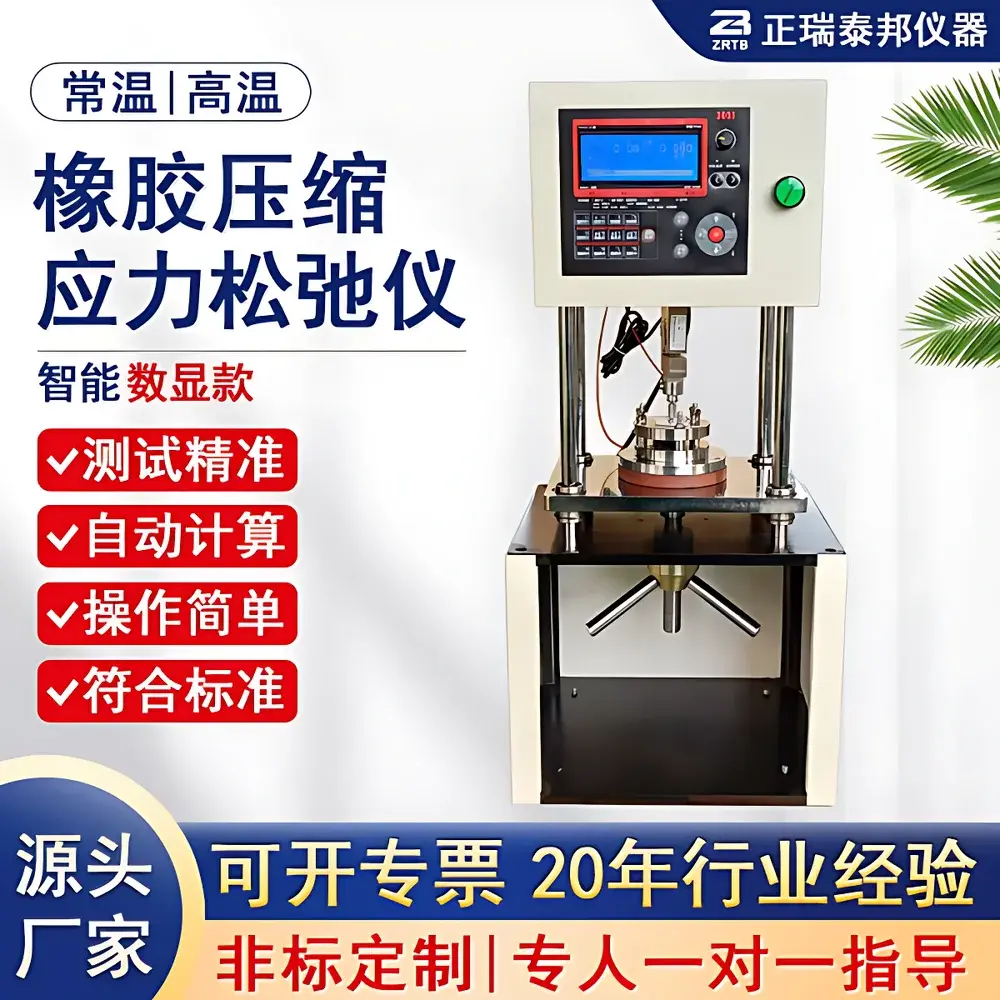
ZRTB ZB-603 Rubber Compression Stress Relaxation Tester
| Brand | ZRTB |
|---|---|
| Origin | Jiangsu, China |
| Manufacturer Type | Direct Manufacturer |
| Country of Origin | China |
| Model | ZB-603 |
| Price | USD 1,250 (FOB Jiangsu) |
Overview
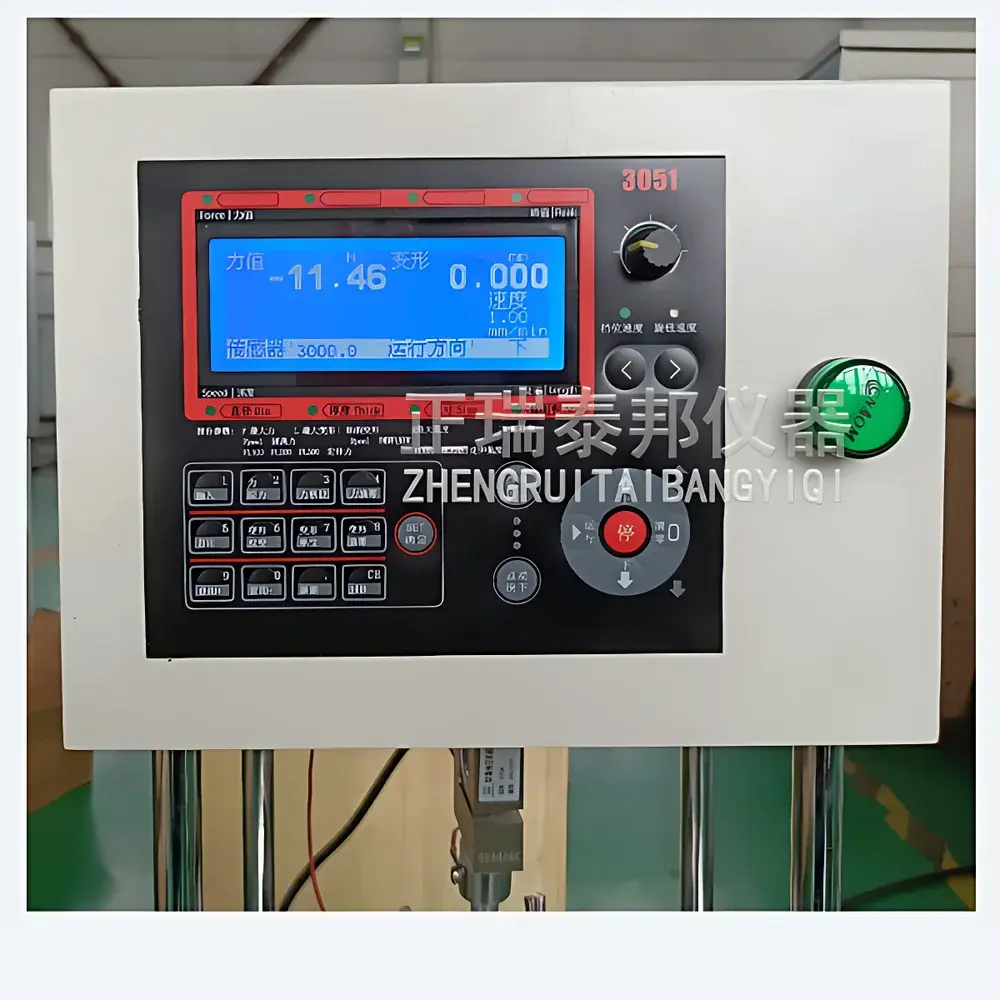
The ZRTB ZB-603 Rubber Compression Stress Relaxation Tester is a dedicated mechanical testing instrument engineered for quantifying time-dependent stress decay in elastomeric components under constant compressive strain. It operates on the fundamental principle of controlled uniaxial compression: a specimen—such as an O-ring, gasket, cushion pad, or sealing element—is compressed to a predefined deformation (typically expressed as percentage strain or absolute displacement) and held at that displacement while the decaying reaction force is continuously monitored over time. This measurement yields a stress relaxation curve (stress vs. time), enabling calculation of relaxation modulus, residual stress ratio, and characterization of viscoelastic recovery behavior critical to long-term sealing integrity and fatigue performance.
Key Features
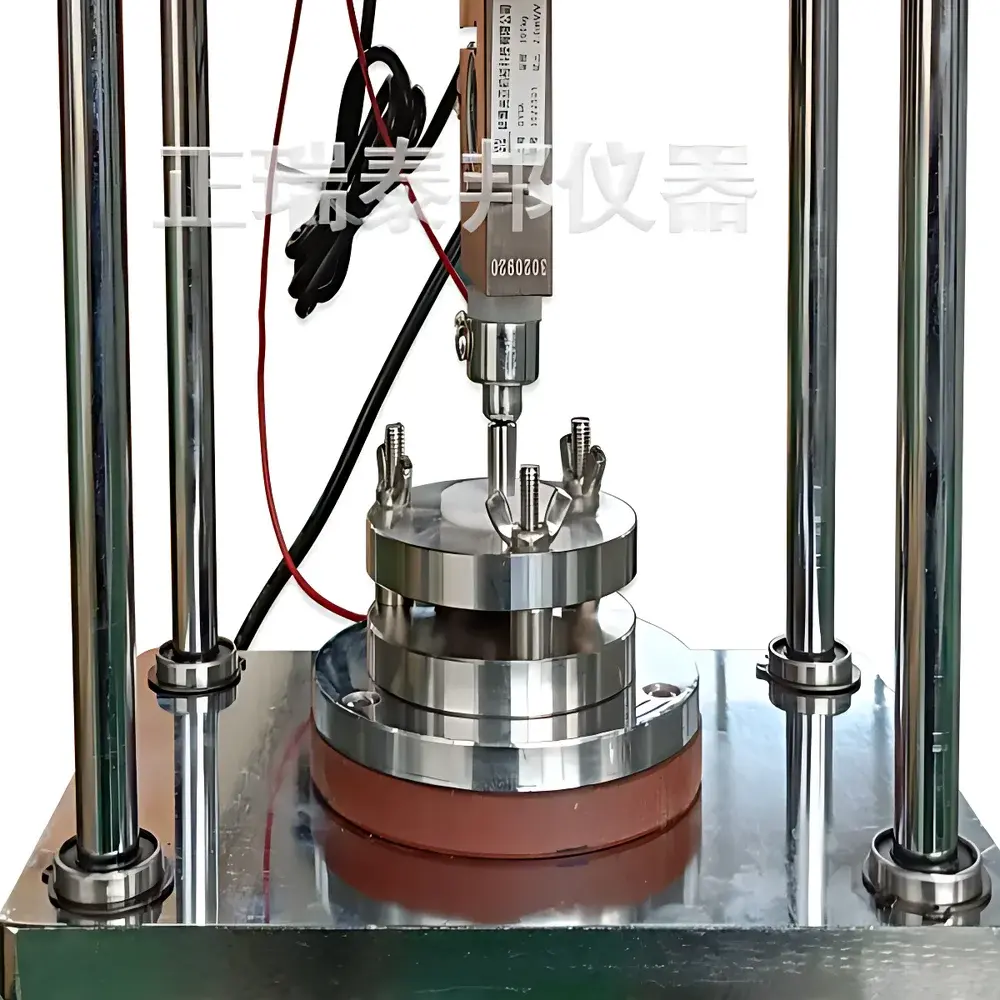
- Fixed-strain compression architecture with precision-machined parallel platens ensuring uniform load distribution across heterogeneous rubber geometries (e.g., toroidal O-rings, rectangular gaskets, cylindrical pads).
- Electrically isolated test assembly: Load cell, upper platen, fixture rods, and movable crosshead are fully insulated from the main frame using non-conductive spacers and sleeves—eliminating stray current paths and enhancing signal stability during extended-duration tests (up to 1,000 hours).
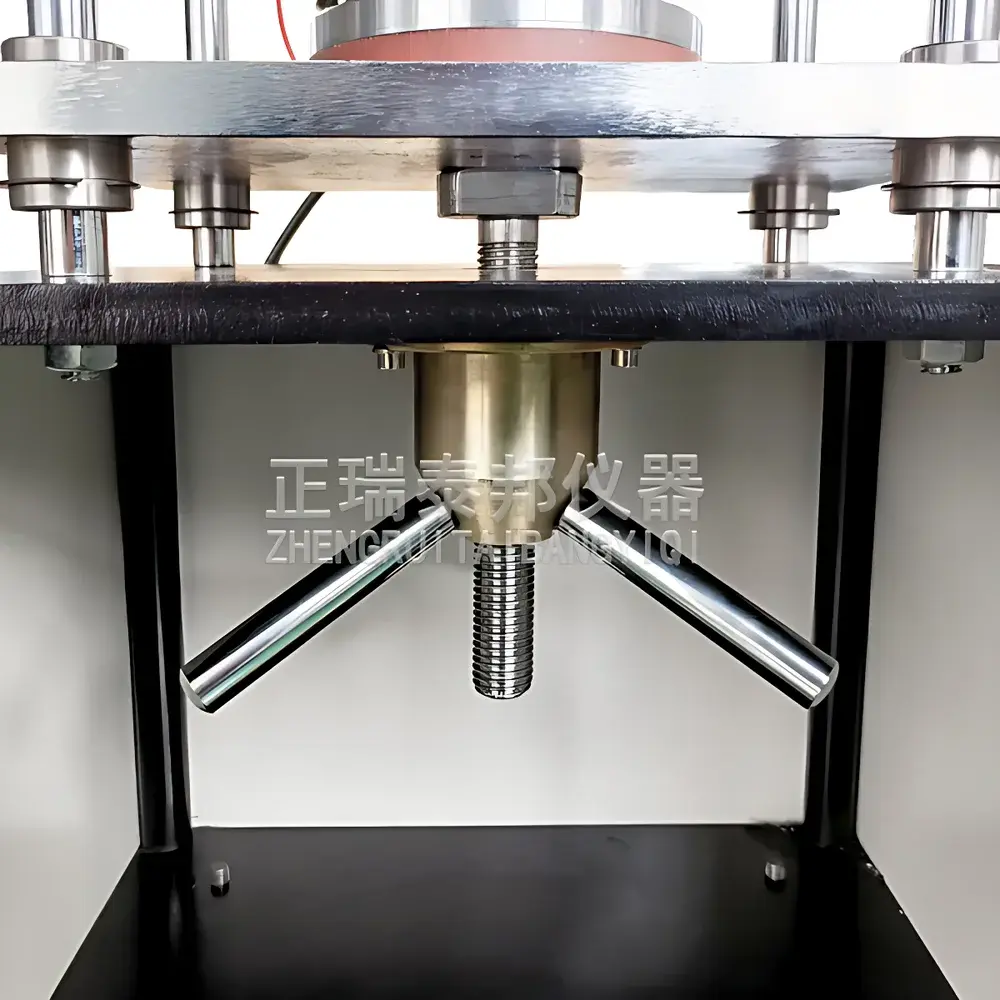
- Manual rack-and-pinion elevation system integrated beneath the base housing, allowing smooth, backlash-free vertical positioning of the movable platen for rapid specimen loading and pre-load adjustment without tooling.
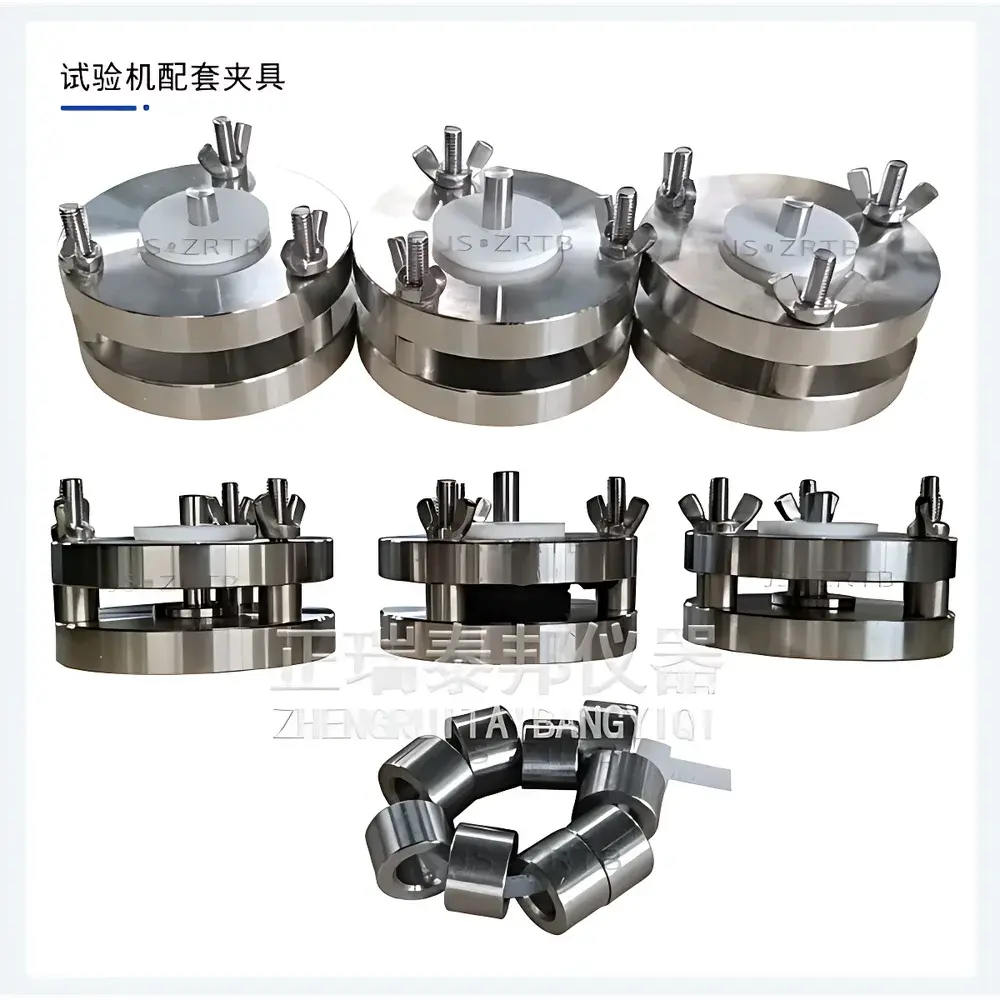
- Modular fixture design comprising hardened steel upper/lower compression plates, stainless steel guide rods, PTFE-insulated sleeves, mechanical travel limiters, and M8 locking hardware—enabling repeatable setup and interchangeability across multiple specimen types and thicknesses.
- Robust cast-iron frame with vibration-damping feet, optimized for laboratory environments where ambient mechanical noise could otherwise compromise low-force (<50 N) relaxation measurements.
Sample Compatibility & Compliance
The ZB-603 accommodates standard elastomer geometries defined in ASTM D1053 (rubber resilience), ISO 3384 (compression set), and GB/T 7759 (Chinese national standard for rubber compression stress relaxation). Compatible specimens include but are not limited to: AS568-standard O-rings (inner diameters 1.5–50 mm), flat sheet gaskets (thickness 1–10 mm, max. 60 × 60 mm footprint), molded cushion pads, and custom-sealing interfaces used in automotive, aerospace, and industrial hydraulic systems. All structural components comply with RoHS Directive 2011/65/EU. While the instrument itself does not carry CE or UL certification, its mechanical design and insulation protocol support integration into GLP-compliant laboratories performing ASTM D6147 (Standard Test Method for Measuring Stress Relaxation of Vulcanized Rubber) and ISO 3384-2 (Stress relaxation under compression).
Software & Data Management
The ZB-603 is a stand-alone analog/digital hybrid tester: force output is delivered via a calibrated 50 N ±0.5% full-scale load cell with mV/V analog output (±10 mV), compatible with third-party data acquisition systems (e.g., National Instruments DAQmx, Keysight 34972A, or LabVIEW-based platforms). Optional USB-to-analog interface modules enable direct PC connectivity and real-time plotting using open-source tools such as Python (with PySerial and Matplotlib) or MATLAB. Raw time-stamped force data is exported in CSV format, supporting post-processing for relaxation time constant (τ) fitting, Prony series decomposition, and master curve construction per ISO 6721-1. Audit trails, user access logs, and electronic signatures are implemented externally through the host DAQ software—fully configurable to meet FDA 21 CFR Part 11 requirements when deployed in regulated manufacturing QA/QC settings.
Applications
- Evaluation of compression set resistance and sealing force retention in static elastomeric seals for engine manifolds, fuel systems, and brake calipers.
- Comparative assessment of vulcanization efficiency across sulfur-cured, peroxide-cured, and thermoplastic elastomer (TPE) formulations.
- Accelerated aging studies correlating stress relaxation behavior with thermal exposure (when coupled with environmental chambers).
- Validation of finite element models (FEM) simulating seal contact pressure decay under sustained compression.
- Quality control screening for batch-to-batch consistency in high-volume O-ring production lines.
FAQ
What standards does the ZB-603 support for stress relaxation testing?
ASTM D6147, ISO 3384-2, GB/T 7759.2, and DIN 53519-2 are directly applicable with appropriate specimen conditioning and test duration protocols.
Can the instrument perform both compression set and stress relaxation on the same specimen?
No—compression set requires specimen recovery after removal from load; stress relaxation requires continuous in-situ force monitoring under constant strain. Separate specimens must be used per test method.
Is temperature control integrated into the ZB-603?
No. The base unit is ambient-temperature only. For elevated-temperature testing, it must be placed inside a calibrated environmental chamber with feedthroughs for the load cell signal cable.
What is the maximum recommended test duration?
Up to 1,000 hours (41.7 days) with stable power supply and uninterrupted DAQ logging—validated via internal long-term drift testing at 23 °C ±2 °C.
Does the system include calibration certificates?
A factory calibration report traceable to CNAS-accredited metrology labs is provided with each unit; annual recalibration is recommended per ISO/IEC 17025 guidelines.