
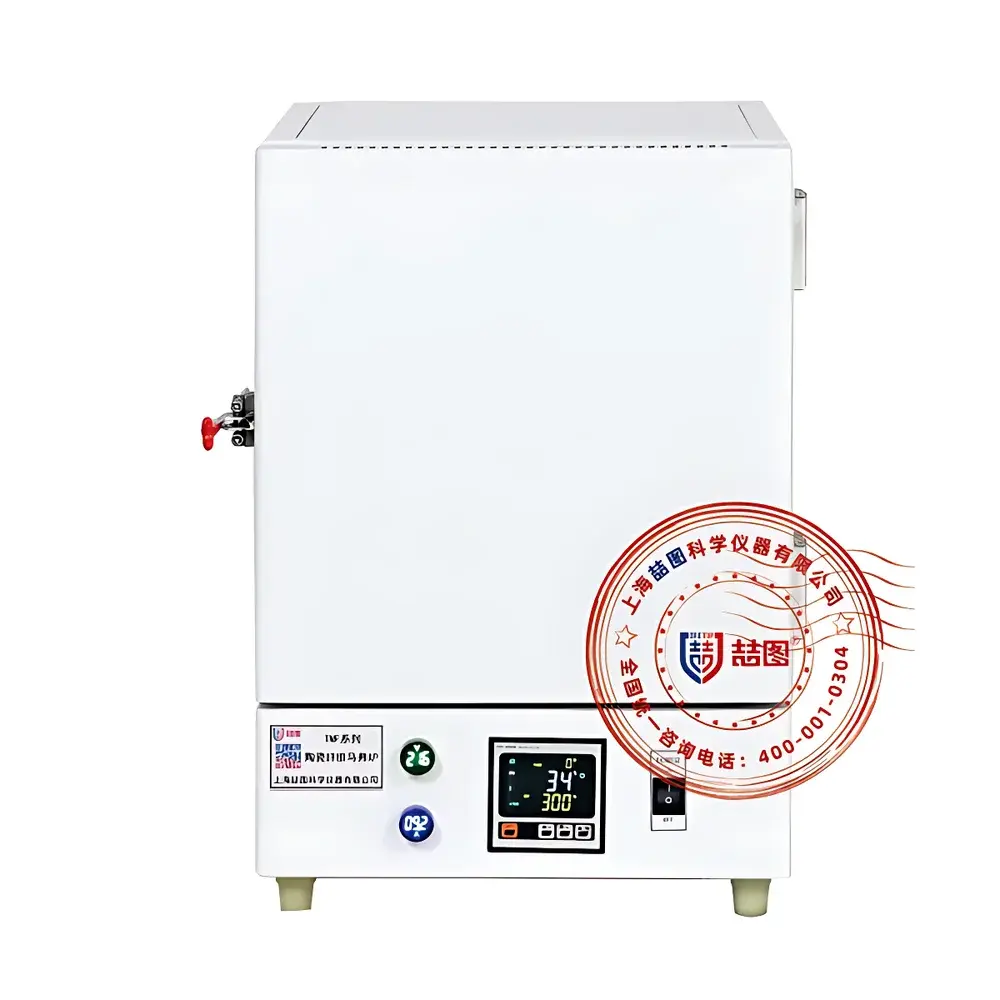
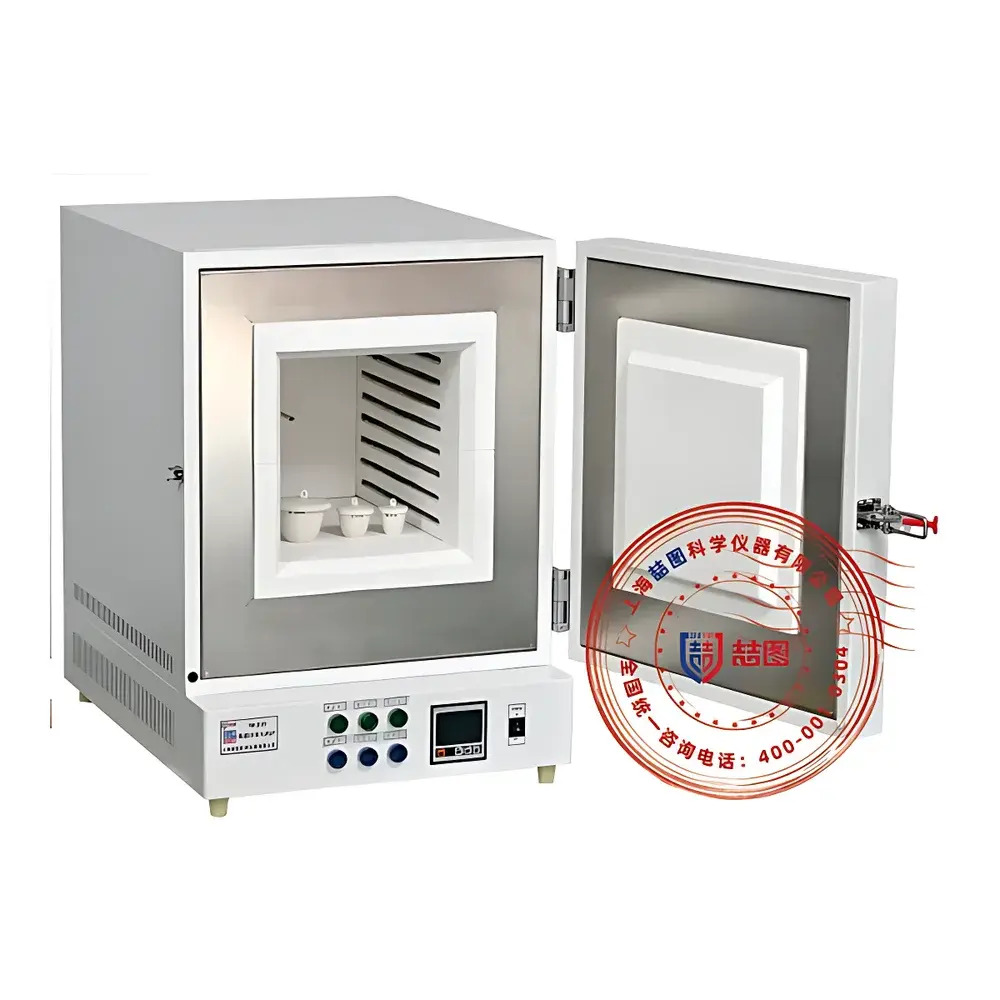
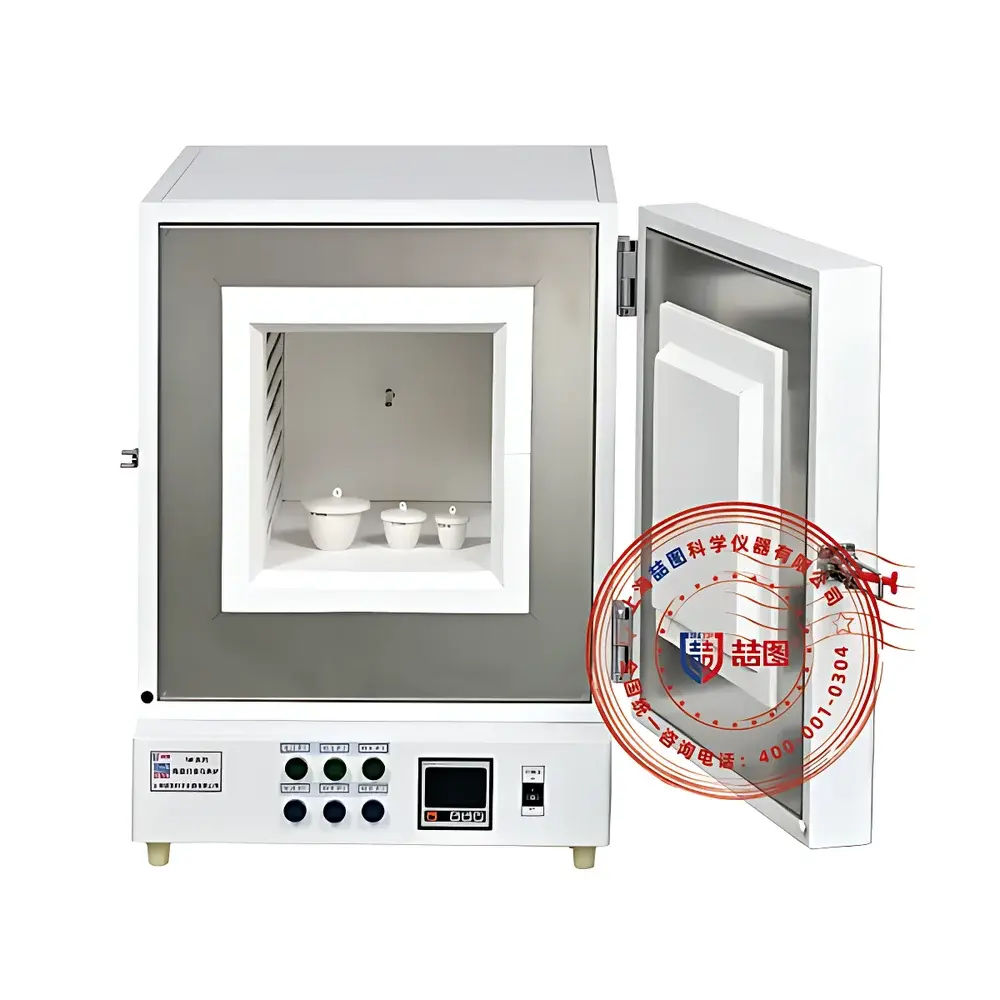
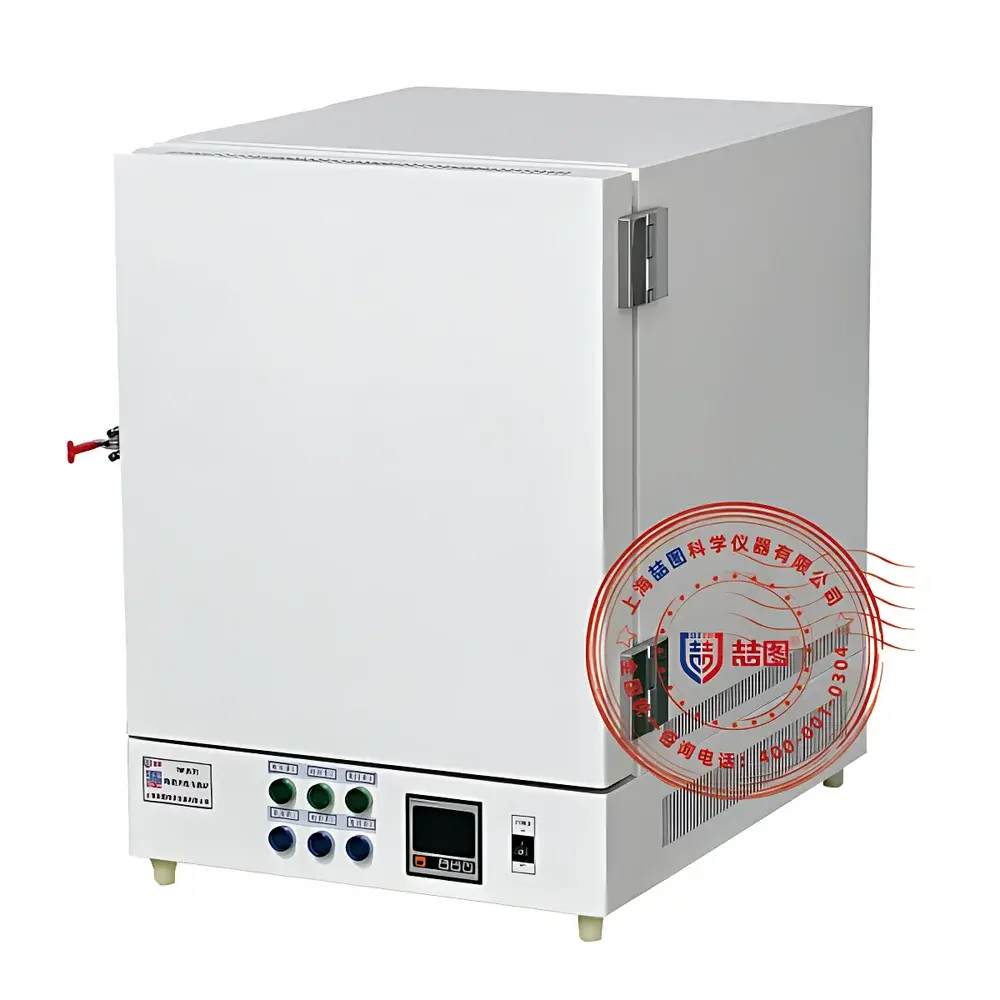
DRETOP TMF-120-12TP Ceramic Fiber Muffle Furnace
| Brand | DRETOP |
|---|---|
| Origin | Shanghai, China |
| Manufacturer Type | Direct Manufacturer |
| Product Category | Domestic |
| Model | TMF-120-12TP |
| Instrument Type | Box-Type Muffle Furnace |
| Maximum Temperature | 1200 °C |
| Temperature Control Accuracy | ±1 °C |
| Rated Power | 18 kW |
| Time to Max Temperature | 45 min |
| Heating Element Material | Ultra-High-Temperature Alloy |
| Internal Chamber Dimensions | 450 × 600 × 450 mm |
| Control System | Microcomputer-Based PID Controller |
| Nominal Volume | 120 L |
Overview
The DRETOP TMF-120-12TP is a high-performance ceramic fiber box-type muffle furnace engineered for precision thermal processing in research laboratories, quality control facilities, and industrial R&D environments. Unlike traditional refractory brick furnaces, it employs vacuum-microporous ceramic fiber insulation—offering superior thermal efficiency, rapid thermal response, and exceptional temperature uniformity across its 120 L chamber. Its operational range spans from ambient +50 °C to 1200 °C, making it suitable for applications requiring controlled oxidative or inert-atmosphere heat treatment, including ashing, calcination, sintering, annealing, and thermal decomposition. The furnace complies with fundamental thermal safety and electromagnetic compatibility requirements per IEC 61000-6-3 and IEC 61000-6-4, and its structural design supports integration into GLP-compliant workflows where traceable temperature profiles and repeatable thermal cycles are essential.
Key Features
- Ceramic fiber chamber constructed from vacuum-microporous alumina-silica boards—lightweight (≈75% weight reduction vs. brick-lined units), low thermal mass, and <0.08 W/m·K thermal conductivity at 1000 °C.
- Triple-wall heating configuration with helically wound ultra-high-temperature alloy heating elements embedded in all three vertical chamber walls—ensuring symmetrical radiant heat distribution and minimizing axial/radial thermal gradients.
- Microprocessor-based PID controller with 30-segment programmable ramp-soak capability (TP-series firmware), enabling precise replication of complex thermal protocols such as multi-step sintering or controlled cooling curves.
- Integrated door interlock system: automatic power cutoff upon door opening; immediate resumption of pre-interruption heating profile upon reclosure—critical for mid-cycle sample inspection without thermal history disruption.
- Dual-stage overtemperature protection: primary electronic cut-off at user-defined limit + secondary independent mechanical thermostat acting as fail-safe redundancy.
- Front-panel digital voltmeter and ammeter provide real-time electrical diagnostics—supporting predictive maintenance and compliance with ISO/IEC 17025 Clause 6.4.7 on equipment condition monitoring.
Sample Compatibility & Compliance
The TMF-120-12TP accommodates standard crucibles (alumina, quartz, silicon carbide), ceramic setters, and metal trays up to 400 mm × 550 mm footprint. Its uniform ±2 °C temperature deviation across the working zone (per ASTM E220-22 Annex A1 mapping protocol) ensures reproducible material transformation kinetics. For regulated environments, optional RS485 Modbus RTU interface enables audit-trail-capable data logging compliant with FDA 21 CFR Part 11 when paired with validated SCADA software. Optional inert gas inlet valve (N₂/Ar) supports oxygen-sensitive processes under ≤100 ppm O₂ conditions—validated per ISO 8573-1 Class 4 purity standards.
Software & Data Management
The TP-series controller logs time-stamped temperature, setpoint, and power output data internally (10,000-point capacity). Export is supported via USB flash drive in CSV format for post-processing in MATLAB, Python, or LIMS platforms. Optional TC-series color touchscreen upgrade adds graphical real-time curve overlay, multi-level operator authentication (admin/engineer/operator), and Ethernet TCP/IP connectivity for centralized fleet monitoring. All firmware versions undergo annual cybersecurity patching aligned with IEC 62443-3-3 SL2 requirements.
Applications
- Quantitative ash content determination (ASTM D3174, ISO 1171) in coal, biomass, and polymer composites.
- Pre-sintering and final densification of advanced ceramics (e.g., ZrO₂, Si₃N₄) and battery cathode materials (NMC, LFP).
- Controlled atmosphere annealing of semiconductor substrates and thin-film photovoltaic absorbers.
- Thermal gravimetric analysis (TGA) sample preparation and residue characterization per USP <1251>.
- Metallurgical heat treatment validation—including austenitizing, tempering, and stress-relieving of tool steels per AMS 2750E pyrometry requirements.
FAQ
What is the typical thermal recovery time after door opening?
For a 30-second door exposure at 1000 °C, full setpoint recovery requires ≤90 seconds due to low thermal inertia and triple-wall radiation geometry.
Can this furnace operate under inert gas purge?
Yes—when equipped with the optional inert gas inlet valve and exhaust chimney, it maintains stable sub-50 ppm O₂ environments during ramp-hold-cool cycles.
Is calibration certificate included?
A factory-as-found calibration report (traceable to NIM China) is provided; UKAS or DAkkS-accredited certificates are available as add-on services.
What maintenance intervals are recommended?
Visual inspection of ceramic fiber integrity every 500 operating hours; thermocouple verification annually or per ISO/IEC 17025 internal procedure.
Does the controller support remote monitoring?
Standard TP-series supports local USB export only; TC-series touchscreen adds Ethernet/WiFi telemetry and SNMP trap generation for networked lab infrastructure.



