
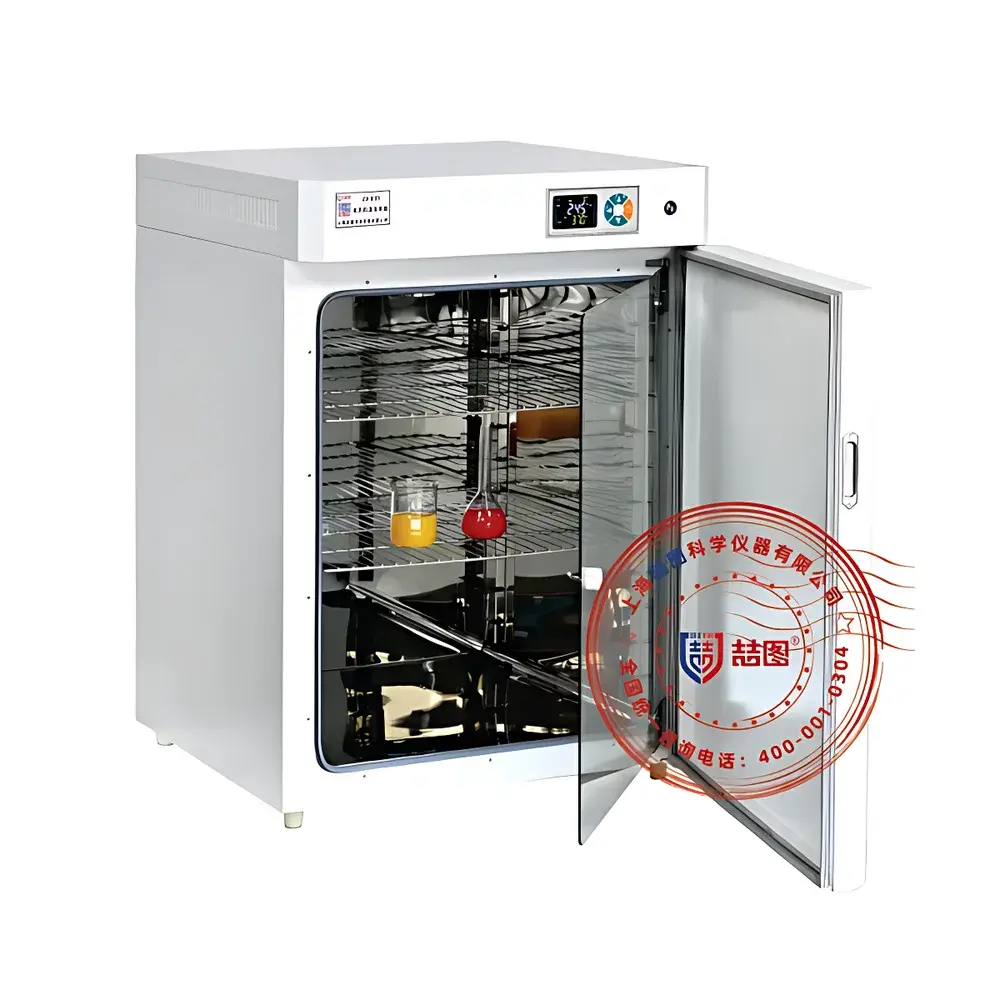
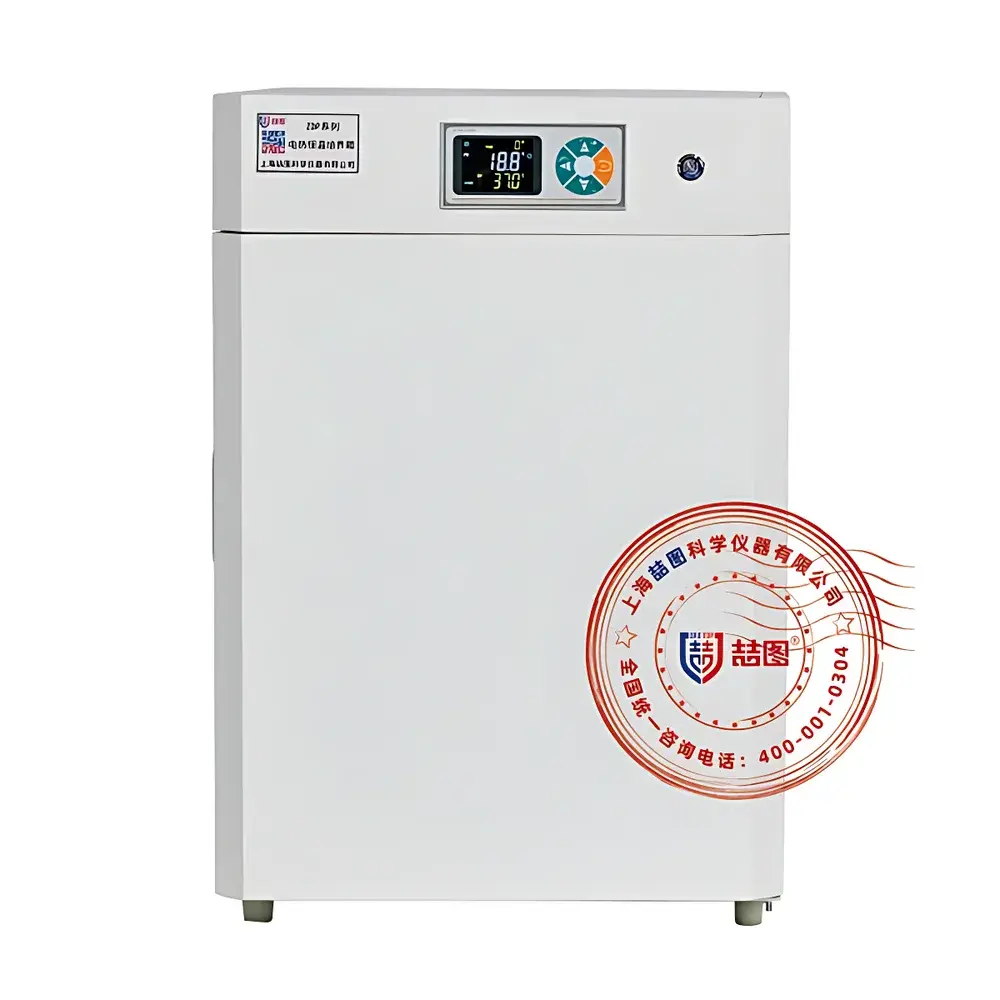
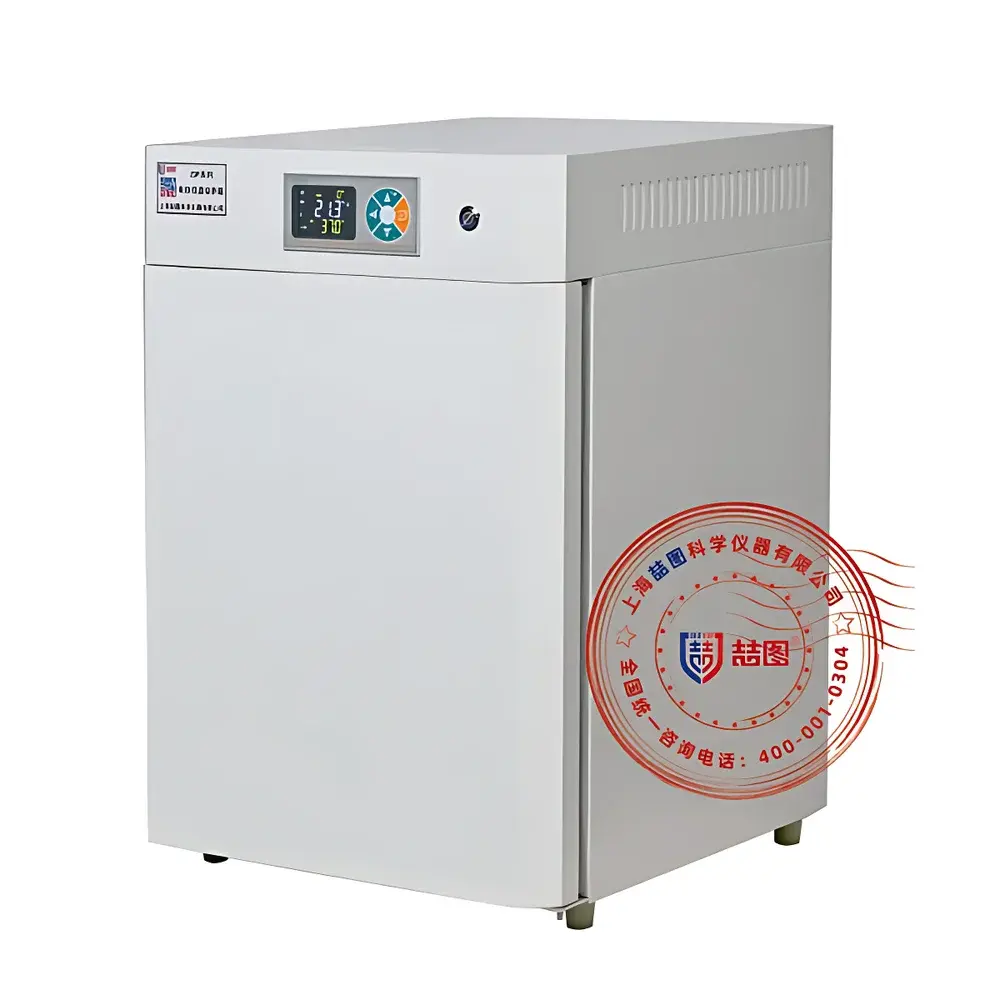
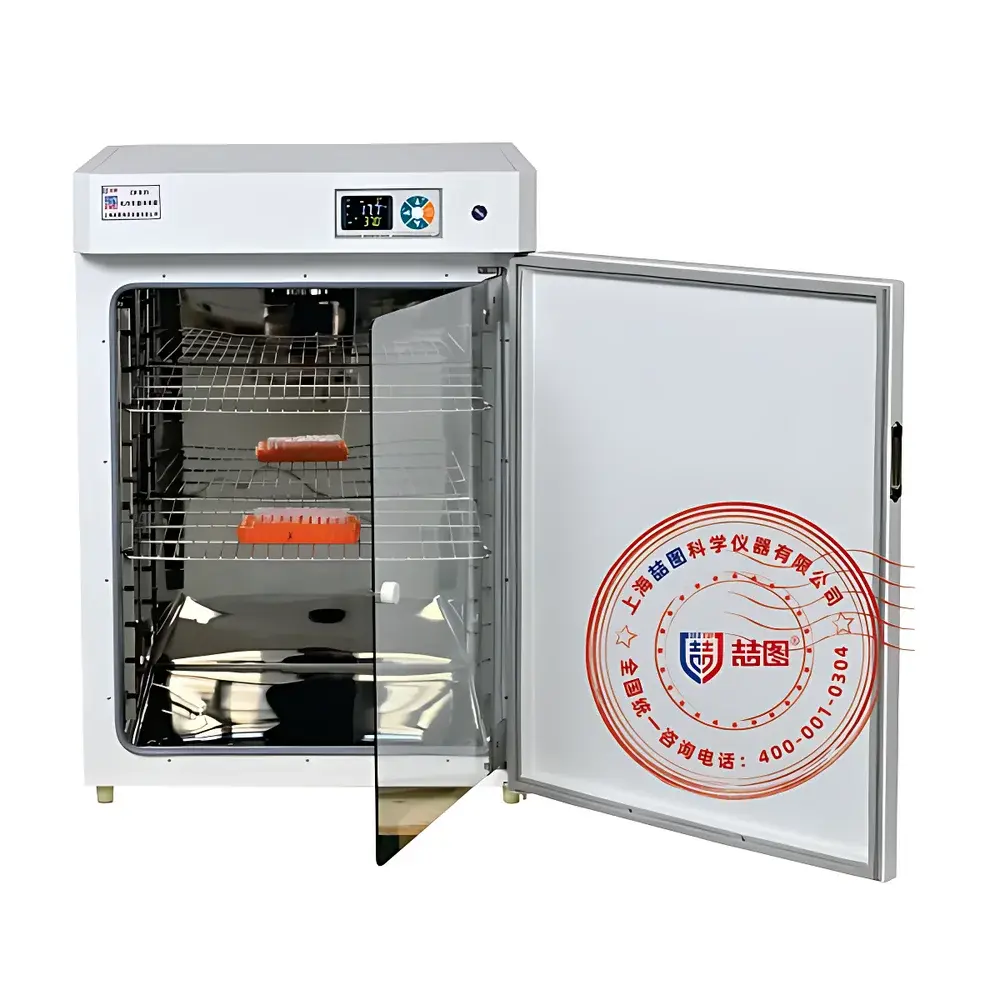
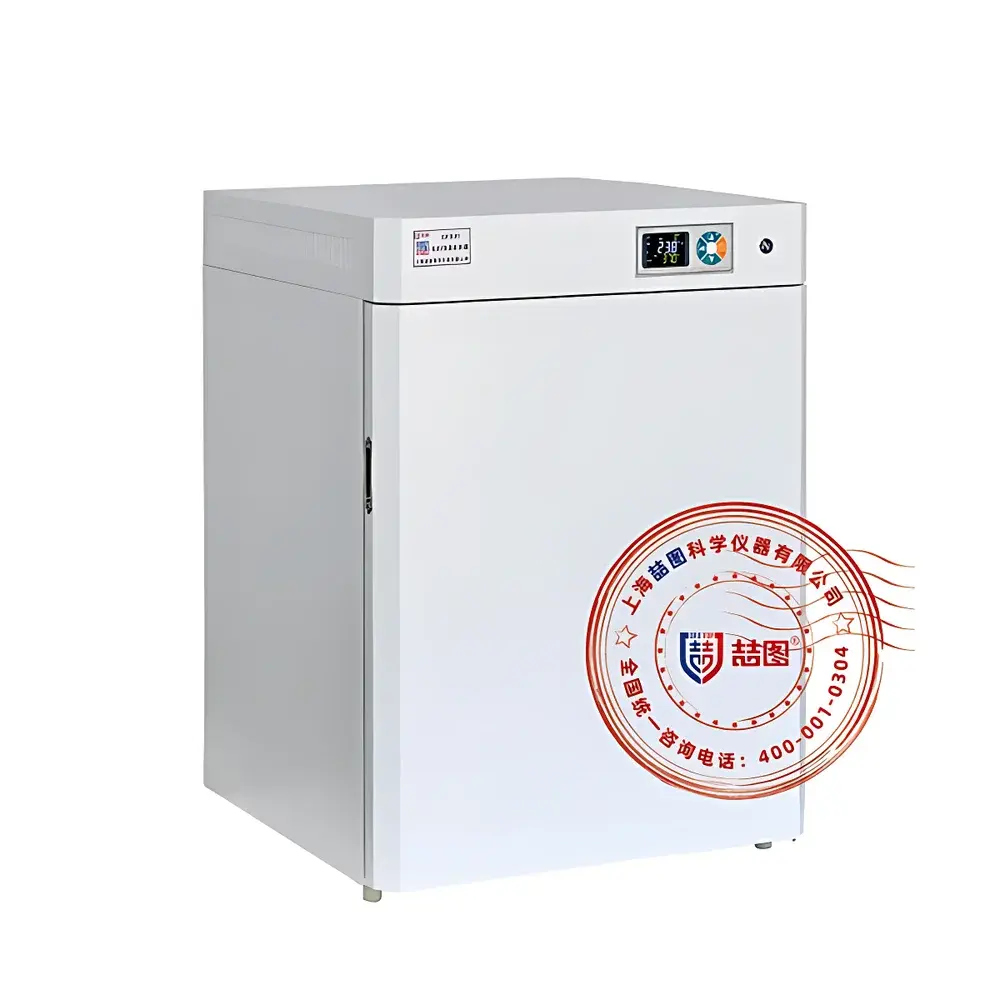
DRETOP ZDP-9402 Electric Constant Temperature Incubator
| Brand | DRETOP |
|---|---|
| Origin | Shanghai, China |
| Manufacturer Type | Direct Manufacturer |
| Model | ZDP-9402 |
| Heating Method | Direct-heated air-jacketed |
| Convection Mode | Natural convection |
| Control System | Digital PID temperature control |
| Temperature Range | RT + 2°C to 65°C |
| Temperature Control Accuracy | ±0.5°C |
| Temperature Uniformity | ±1.5°C (empty chamber @ 37°C) |
| Chamber Volume | 420 L |
| External Dimensions (W×D×H) | 780 × 750 × 1750 mm |
Overview
The DRETOP ZDP-9402 Electric Constant Temperature Incubator is a precision-engineered, naturally convective incubation system designed for stable, long-term thermal environments in life science laboratories. It operates on the principle of resistive heating via distributed electric heating elements embedded in the chamber walls, coupled with passive air circulation to maintain uniform thermal distribution without mechanical fans—minimizing vibration, noise, and contamination risk. This architecture makes it particularly suitable for applications requiring gentle, non-turbulent thermal conditioning of microbial cultures, cell monolayers, enzymatic assays, seed germination studies, and biochemical incubation protocols where airflow-induced desiccation or shear stress must be avoided. The unit complies with general laboratory equipment design principles aligned with ISO/IEC 17025–referenced environmental control requirements and supports GLP-compliant workflows through parameter retention and alarm logging capabilities.
Key Features
- Digitally controlled PID temperature regulation with 0.1°C resolution and ±0.5°C control accuracy across the full operating range (RT + 2°C to 65°C)
- Air-jacketed heating system with evenly distributed electric heating film elements on all inner chamber walls, enabling rapid thermal response and high energy efficiency
- Stainless steel interior chamber (304 grade) with removable, height-adjustable stainless steel shelves—designed for autoclavability, chemical resistance, and complete cleanability
- Double-door observation window: outer magnetic door seal with thermal insulation properties and inner tempered glass panel—reducing heat loss while enabling real-time visual monitoring without opening
- Corner-radius ergonomic design and electrostatically applied powder-coated exterior finish for corrosion resistance and mechanical durability
- Power failure recovery function with non-volatile memory retention for setpoints, alarms, and operational status
- Configurable over-temperature alarm with user-defined threshold and audible/visual alert output
Sample Compatibility & Compliance
The ZDP-9402 accommodates standard microbiological vessels—including Petri dishes, test tubes, flasks, and multi-well plates—as well as larger culture containers up to 420 L volume capacity. Its natural convection design ensures compatibility with delicate biological samples sensitive to forced-air turbulence, such as primary cell cultures, fungal spore assays, and plant tissue explants. While not certified to IEC 61010-1 for hazardous location use, the unit meets general safety standards for laboratory electrical equipment (GB 4793.1–2007 equivalent to IEC 61010-1:2010). It supports routine validation protocols per ISO 13408-2 (sterile processing) and ASTM E2876–21 (performance testing of incubators), and its data retention functionality facilitates traceability in QA/QC environments governed by FDA 21 CFR Part 11–aligned documentation practices.
Software & Data Management
The ZDP-9402 features an integrated digital display controller with intuitive menu navigation and multi-parameter screen layout—showing real-time temperature, setpoint, elapsed time, and system status simultaneously. Optional RS485 serial interface enables integration into centralized lab monitoring systems using Modbus RTU protocol. When paired with optional accessories—including programmable controllers, thermal printers, or independent over-temperature limiters—the incubator supports audit-ready recordkeeping. All alarm events and power interruption logs are timestamped and retained in non-volatile memory, supporting internal quality audits and regulatory inspections under GLP or GMP frameworks. No proprietary software is required; configuration and monitoring can be performed directly via front-panel interface or via external SCADA platforms.
Applications
- Bacterial and fungal cultivation (e.g., E. coli, S. aureus, A. niger) at standardized temperatures (30°C, 35°C, 37°C)
- Enzyme activity assays requiring precise thermal stabilization during kinetic measurements
- Seed viability testing and plant tissue culture incubation under defined ambient conditions
- Pharmaceutical stability testing per ICH Q1A(R3) guidelines for short-term accelerated conditions
- Environmental microbiology studies—including water quality analysis and biodegradation rate assessments
- Veterinary diagnostics and aquaculture hatchery support for pathogen isolation and growth confirmation
FAQ
What is the recommended calibration frequency for the ZDP-9402?
We recommend annual verification against NIST-traceable reference thermometers in accordance with ISO/IEC 17025–based laboratory quality procedures.
Can the ZDP-9402 be used for CO₂-independent mammalian cell culture?
No—this is a temperature-only incubator without gas control capability; it is intended for non-CO₂-dependent organisms or applications where ambient atmospheric composition is sufficient.
Is the chamber humidity controlled?
No—humidity is unregulated and will equilibrate with ambient laboratory conditions; users requiring humidified environments should consider supplemental humidification trays or dedicated humidified incubators.
Does the unit support remote monitoring or network connectivity?
Standard configuration includes only local display and RS485 interface; Ethernet or Wi-Fi modules are not available—integration requires third-party serial-to-Ethernet gateways.
What is the maximum load weight per shelf?
Each stainless steel shelf is rated for 15 kg uniformly distributed load; total payload must remain within structural limits of the chamber floor and support frame.



