
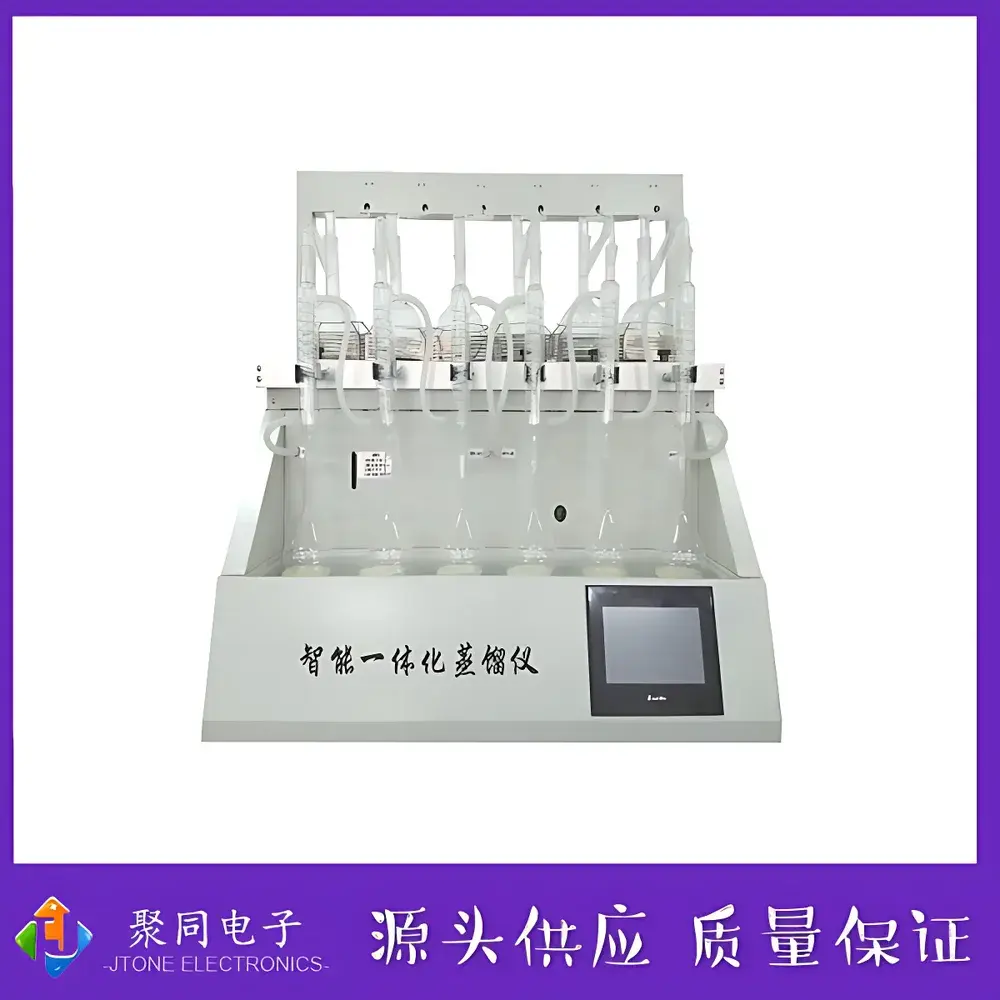
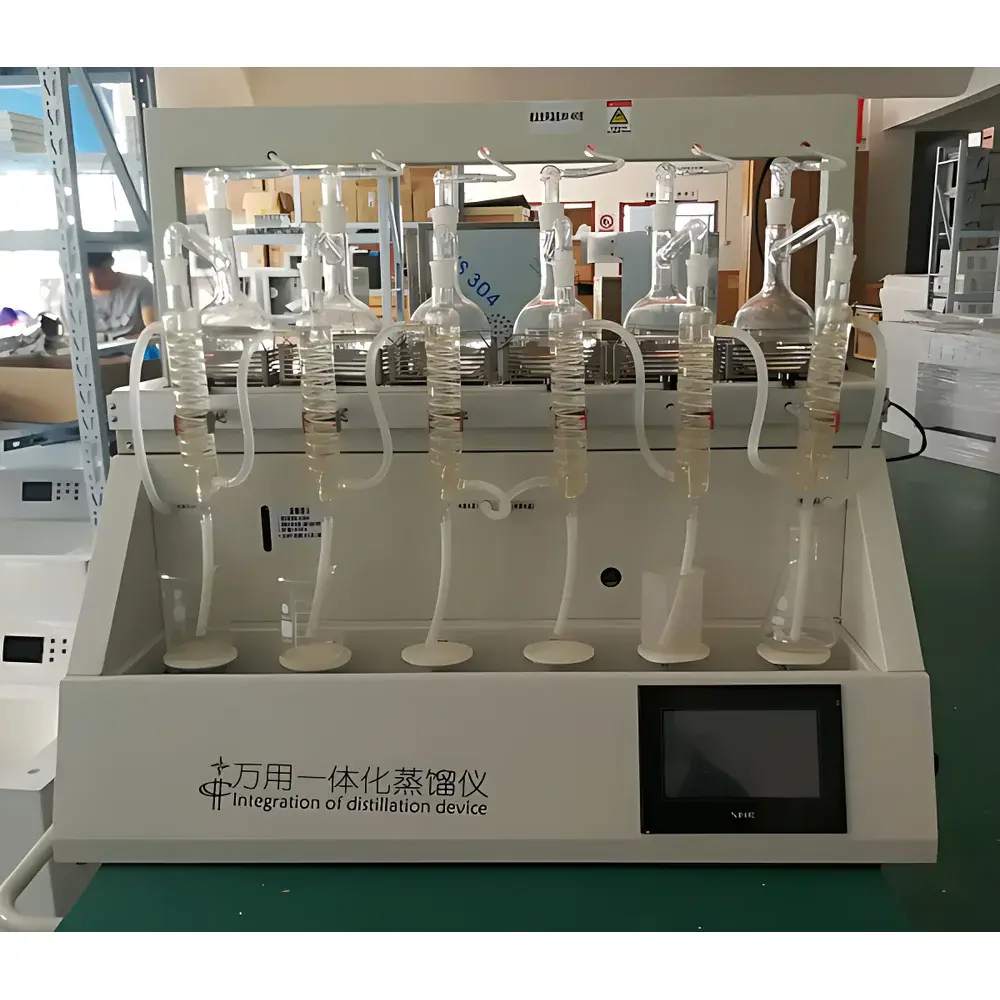
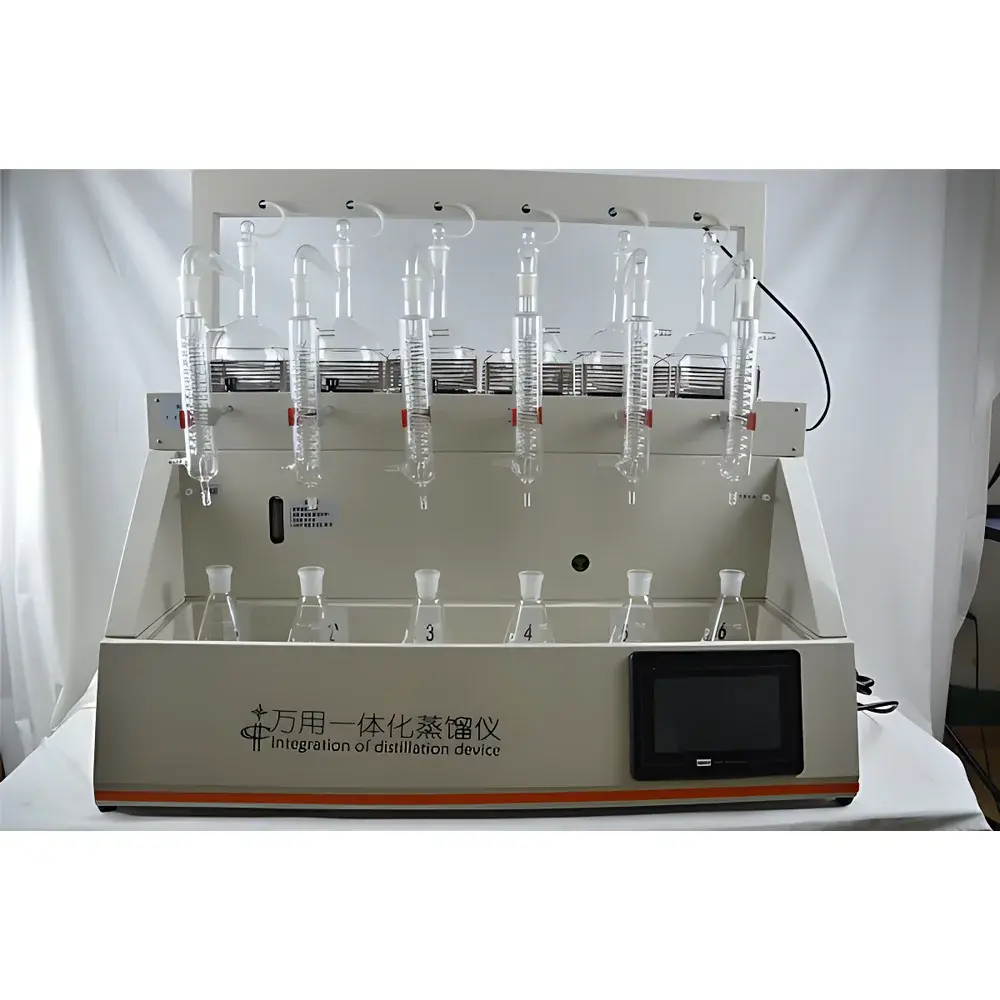
JTONE JTZL-6 Automated Gravimetric Molecular Distillation System with Anti-Suck-Back Protection
| Brand | JTONE |
|---|---|
| Origin | Zhejiang, China |
| Model | JTZL-6 |
| Heating Method | Far-Infrared Ceramic Heater (6 independent units) |
| Max. Heating Power per Unit | ≤800 W |
| Temperature Control Range | Ambient to 400 °C |
| Distillation Capacity | 6 samples simultaneously |
| Individual Zone Temperature Control | Yes |
| Endpoint Detection | Gravimetric mode (±2 mL accuracy) and timer mode (0–999 min) |
| Cooling System | Built-in air-cooled recirculating chiller (standard model) |
| Evaporation Vessel Options | 250 mL × 6 or 500 mL × 6 |
| Power Supply | 220 V / 50 Hz |
| Compliance | Designed for EPA Methods 4500-NH₃, 4500-FCN, ISO 11261, ISO 6439, ASTM D129, USP <467>, and GLP-compliant laboratory workflows |
| Safety Features | Vacuum electromagnetic anti-suck-back valve, micro-boil regulation, gold-coated thermal insulation base, flameless heating, IP22-rated enclosure |
Overview
The JTONE JTZL-6 Automated Gravimetric Molecular Distillation System is an integrated, programmable distillation platform engineered for precision volatile analyte recovery in environmental, food safety, clinical, and industrial quality control laboratories. Unlike conventional steam distillation apparatuses, this system implements a controlled vacuum-assisted molecular distillation process—leveraging low-pressure vapor-phase separation kinetics to isolate thermally labile compounds such as ammonia, cyanide, phenols, formaldehyde, sulfur dioxide, and ethanol with minimal degradation. The core architecture integrates six independently controllable far-infrared ceramic heating modules, each calibrated for uniform thermal distribution and rapid thermal response (8–20 min ramp time). Distillate collection is monitored in real time via high-resolution load cell feedback, enabling endpoint termination based on mass gain (gravimetric mode) or elapsed time (timer mode), eliminating manual supervision and reducing operator error. The system operates under sub-atmospheric pressure conditions, minimizing boiling point elevation and ensuring reproducible volatilization kinetics across heterogeneous sample matrices.
Key Features
- Six-channel modular design with individual far-infrared ceramic heating units (≤800 W per channel), each equipped with imported PT100 temperature sensors and digital PID control for ±1 °C thermal stability.
- Gravimetric endpoint detection using calibrated load cells (resolution: 0.1 g), supporting dual-mode termination: mass-based (±2 mL equivalent accuracy) or time-based (0–999 min adjustable).
- Integrated anti-suck-back protection via solenoid-controlled vacuum isolation valve, automatically sealing the distillation path upon pressure equalization or power loss.
- Micro-boil regulation algorithm dynamically modulates heating power during distillation to suppress bumping and maintain laminar vapor flow—critical for high-fidelity recovery of low-boiling-point analytes.
- Thermally optimized evaporation chamber with gold-coated bottom insulation layer, reducing radial heat loss by >35% and enhancing energy efficiency (typical recovery rate: ≥95% for NH₃ and phenol standards).
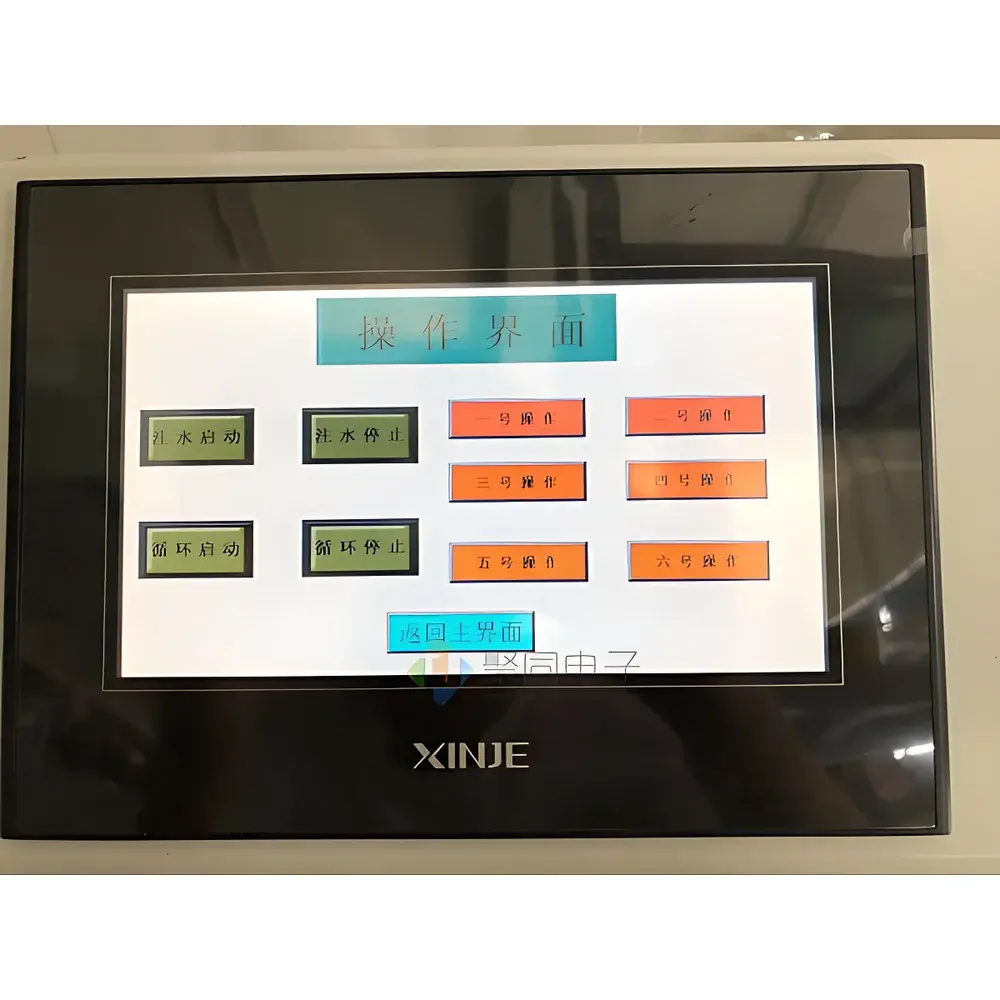
- 7-inch capacitive touchscreen HMI with intuitive workflow navigation, data logging (CSV export), and password-protected method storage for audit-ready operation.
Sample Compatibility & Compliance
The JTZL-6 accommodates aqueous, digested, and solvent-diluted samples ranging from municipal wastewater and soil extracts to wine, dairy, and seafood homogenates. It supports standard EPA methods including 4500-NH₃ (ammonia), 4500-FCN (cyanide), and 4500-P (phenols), as well as ISO 11261 (soil ammonium), ISO 6439 (formaldehyde in food), and ASTM D129 (sulfur in petroleum). All internal wetted surfaces are chemically inert (borosilicate glass distillation tubes, PTFE-sealed joints), ensuring compatibility with acidic, alkaline, and oxidizing reagents. The system architecture aligns with GLP documentation requirements: all distillation runs are timestamped, user-logged, and include metadata (setpoints, actual temperatures, final mass, vacuum level). Optional 21 CFR Part 11-compliant software add-on provides electronic signatures, audit trails, and role-based access control.
Software & Data Management
The embedded firmware records real-time parameters—including zone-specific temperature profiles, vacuum pressure (via optional sensor integration), cumulative distillate mass, and runtime—for each of the six channels. Data is stored locally on non-volatile memory (≥10,000 run capacity) and exportable via USB to CSV or Excel-compatible formats. No proprietary drivers or cloud dependencies are required; raw datasets retain SI-unit formatting and traceable calibration references. For regulated environments, the optional JTONE LabLink™ module enables secure network connectivity, remote monitoring via TLS-encrypted HTTP API, and seamless integration with LIMS platforms through ASTM E1384-compliant message structures.
Applications
This system is routinely deployed in accredited environmental testing labs for ammonia nitrogen quantification in surface water per ISO 5667-16; in food safety divisions for SO₂ residue analysis in dried fruits (AOAC 990.12); in pharmaceutical QC for residual solvent determination (USP <467> Class 2 solvents); and in academic research for kinetic studies of volatile organic compound (VOC) partitioning under controlled vacuum gradients. Its adaptability extends to biodiesel purity assessment (EN 14105), alcohol content verification in fermented beverages (OIV-MA-AS313), and cyanide speciation in electroplating effluents (ISO 6703-1).
FAQ
What types of glassware are compatible with the JTZL-6?
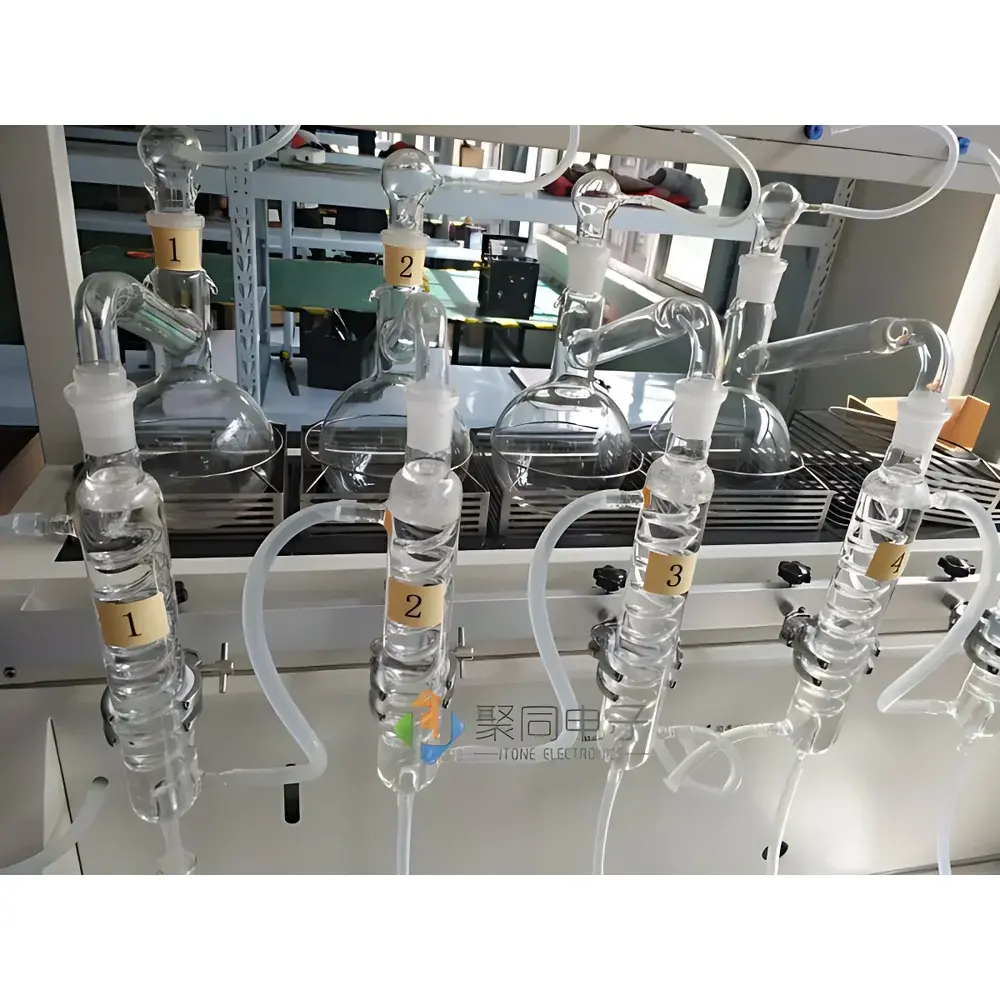
Standard 250 mL or 500 mL borosilicate distillation tubes (with ground-glass joints) are supported; custom tube geometries can be accommodated upon specification of outer diameter and neck length.
Does the system support external vacuum pump integration?
Yes—vacuum interface conforms to ISO-KF 16/25 standards; recommended ultimate pressure: ≤10 mbar for optimal molecular distillation performance.
Is calibration verification documented in the system firmware?
Each unit ships with a factory-verified calibration certificate covering temperature sensors and load cells; periodic recalibration intervals follow ISO/IEC 17025 guidelines (recommended annually).
Can distillation parameters be locked for SOP compliance?
Yes—user-defined methods can be assigned read-only status with administrator-level password protection to prevent unauthorized modification.
What maintenance is required for the built-in air-cooled chiller?
No consumables or refrigerant servicing is needed; routine inspection includes dust filter cleaning every 3 months and condenser coil vacuuming biannually.



