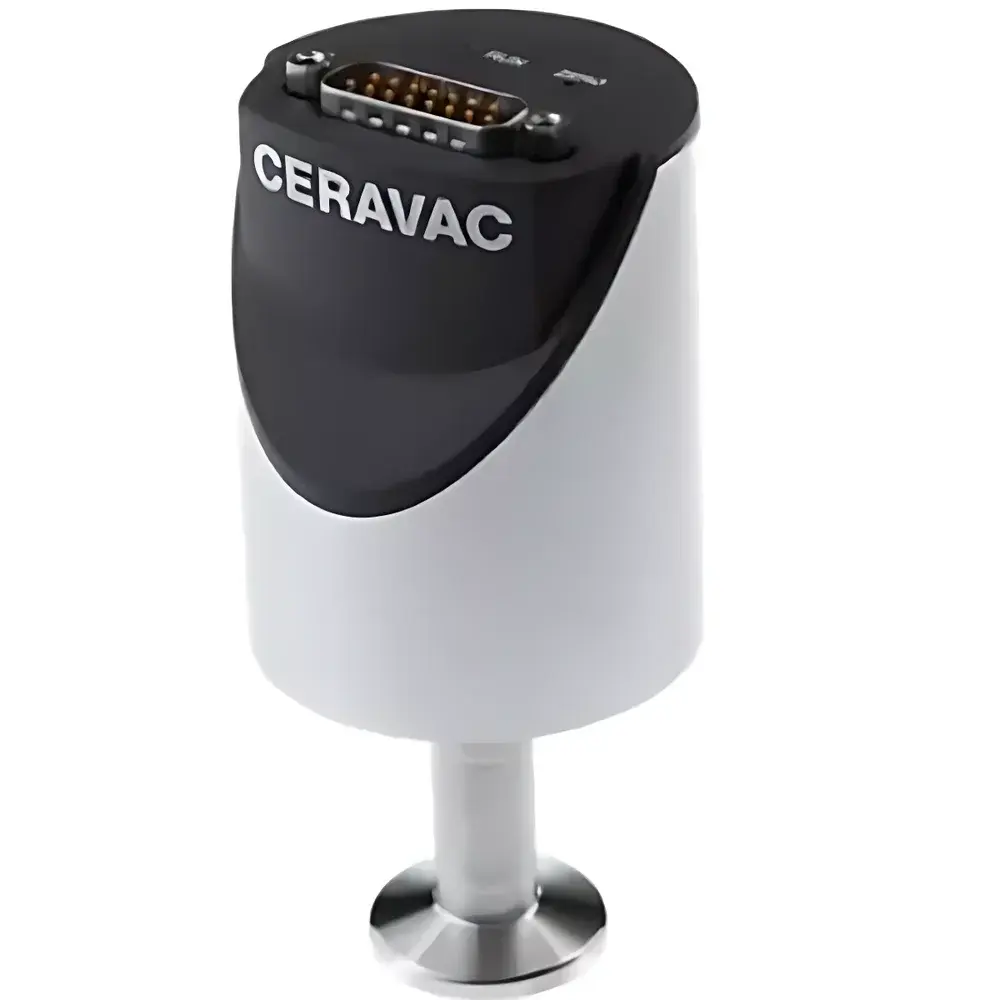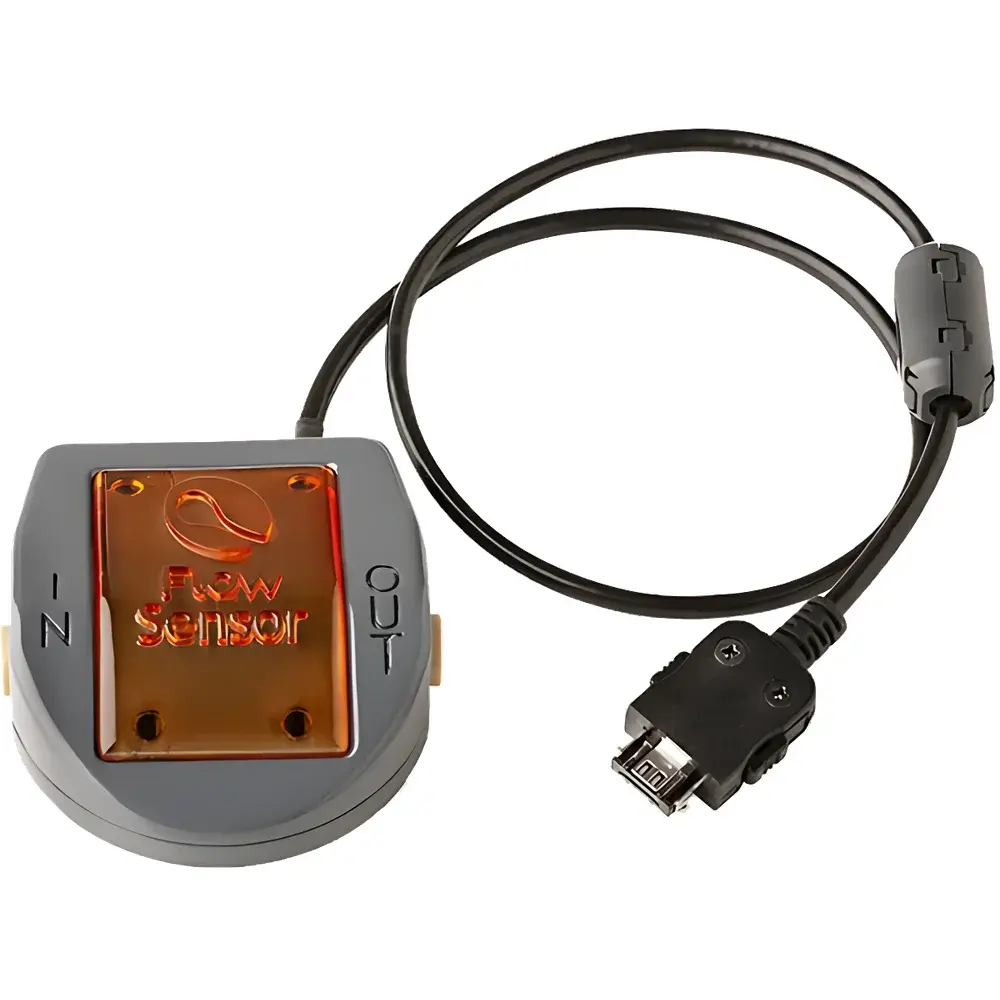
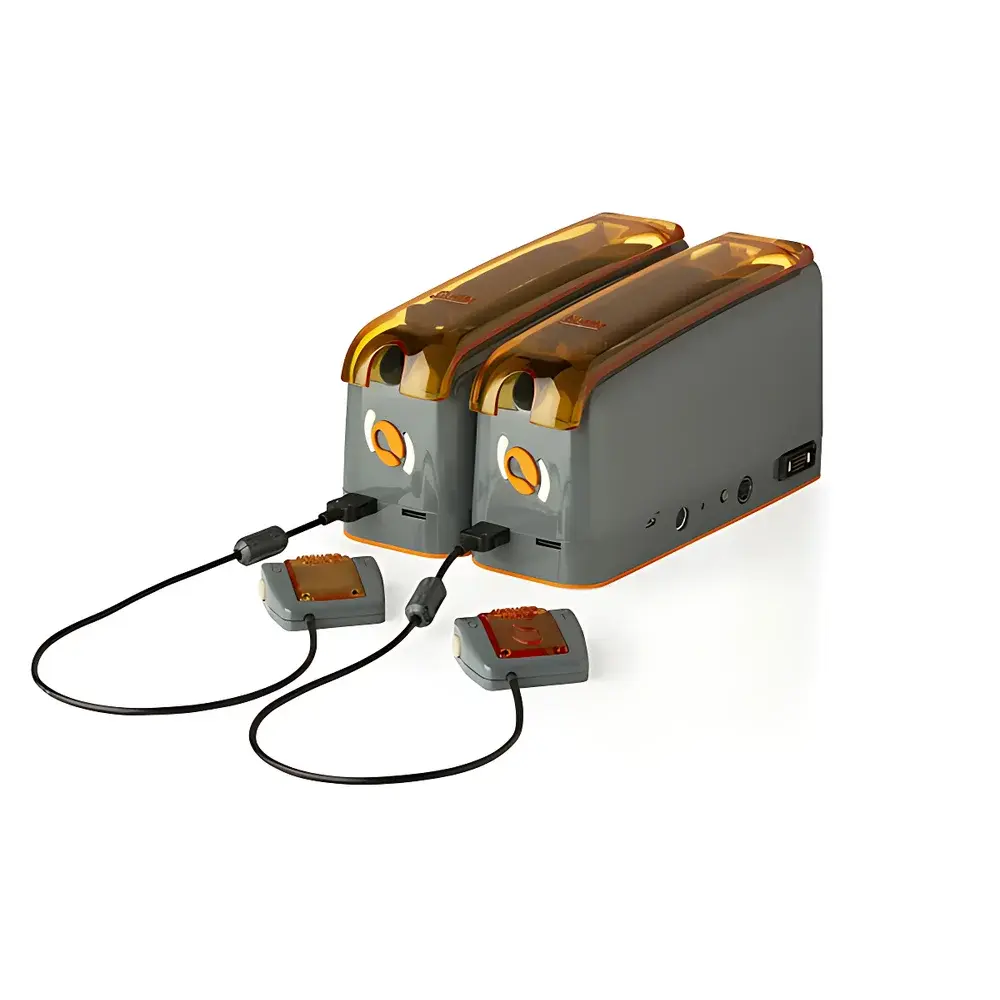
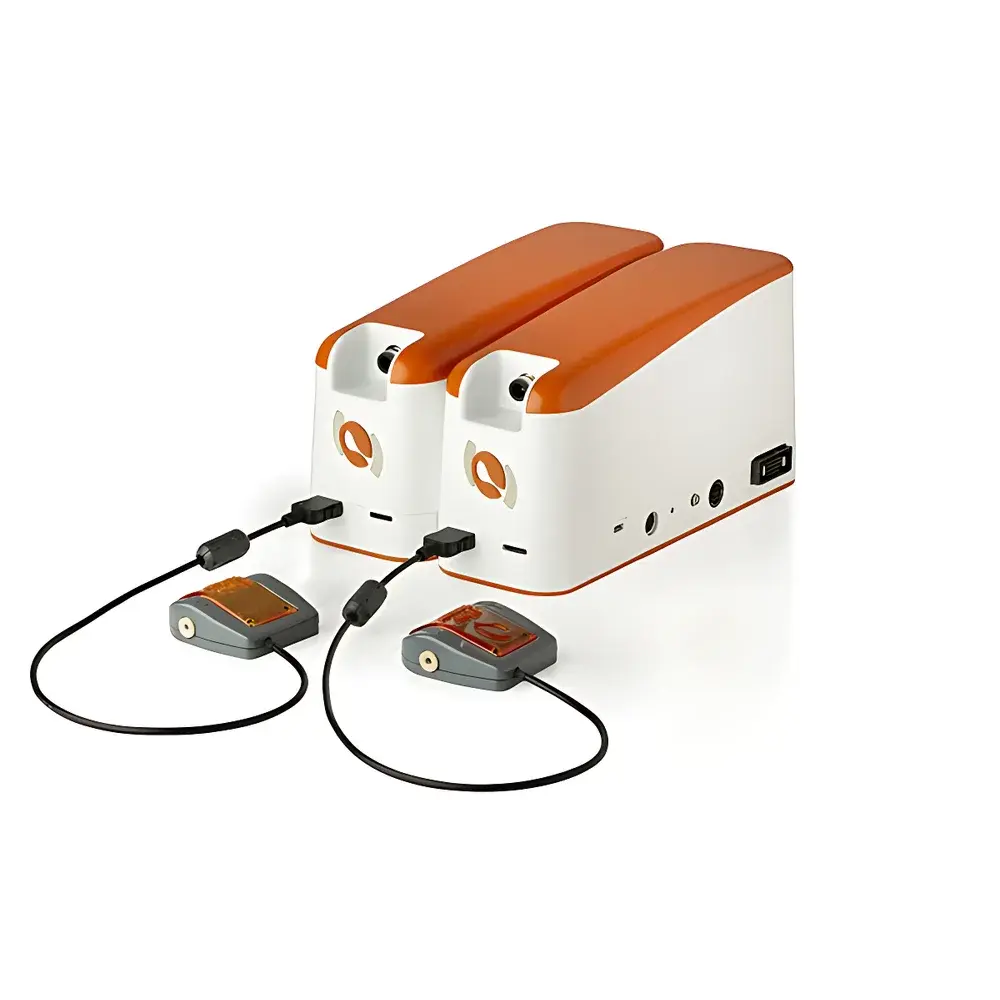
Cellix FS-1.5 / FS-7.0 / FS-80.0 / FS-1000 Microfluidic Flow Sensors
| Brand | Cellix |
|---|---|
| Origin | Ireland |
| Model | FS-1.5 / FS-7.0 / FS-80.0 / FS-1000 |
| Flow Ranges | ±1.5 µL/min |
| Accuracy | ±0.5% FS (FS-1.5) to ±0.2% FS (FS-1000), or ±5–10% of reading |
| Dead Volume | 1.0 µL |
| Max Operating Pressure | 200 bar |
| Dimensions | 60 × 51 × 21 mm |
| Weight | <0.1 kg |
Overview
Cellix FS-series microfluidic flow sensors are precision, real-time volumetric flow measurement devices engineered for integration with Cellix’s ExiGo syringe pumps, UniGo pressure-driven pumps, and 4U multi-channel pressure controllers. These sensors operate on the principle of thermal time-of-flight (TOF) or calorimetric flow detection—depending on model variant—enabling high-resolution, low-inertia monitoring of liquid flow in sub-microliter-per-minute regimes. Designed explicitly for closed-loop microfluidic systems, they provide analog and digital feedback signals compatible with PID control algorithms embedded in Cellix pump firmware. This architecture ensures stable, repeatable delivery across dynamic flow conditions—critical for applications where laminar integrity, interfacial stability, or stoichiometric accuracy must be maintained over extended experimental durations.
Key Features
- Real-time closed-loop control: Integrated analog output (0–5 V or 4–20 mA) and digital I²C interface enable direct communication with ExiGo/UniGo/4U controllers for automatic PID adjustment of pump actuation based on measured flow deviation.
- Modular plug-and-play compatibility: Physically and electrically standardized mounting allows seamless interchange between syringe-based (ExiGo) and pressure-driven (UniGo, 4U) platforms—supporting hybrid microfluidic architectures combining positive displacement and pneumatic actuation in a single setup.
- Four calibrated flow ranges: FS-1.5 (±1.5 µL/min), FS-7.0 (±7 µL/min), FS-80.0 (±80 µL/min), and FS-1000 (±1 mL/min) cover orders-of-magnitude variation while maintaining optimized signal-to-noise ratio within each range.
- Ultra-low dead volume: Engineered fluidic paths minimize hold-up volume to 1.0–25.0 µL across models—reducing sample waste, cross-contamination risk, and transient response delay during flow ramping or switching events.
- High-pressure capability: FS-1.5 rated to 200 bar and FS-7.0 to 100 bar support high-viscosity or capillary-resistance applications; FS-80.0 and FS-1000 operate up to 15 bar—sufficient for most organ-on-chip and droplet microfluidics workflows.
Sample Compatibility & Compliance
The FS-series sensors are chemically inert for aqueous, organic, and mildly corrosive media (e.g., isopropanol, DMSO, PBS, cell culture media). Wetted materials include fused silica capillaries, stainless steel (316L), and PEEK—ensuring compatibility with ISO 10993-compliant biological assays. While not intrinsically certified for IEC 61000-6-3 EMC or ATEX environments, their low-power design (<1 W) and galvanically isolated signal outputs meet typical laboratory electromagnetic compatibility requirements. Sensor calibration certificates traceable to NIST standards are provided per unit; recalibration intervals recommended every 12 months under continuous operation per ISO/IEC 17025-aligned internal procedures.
Software & Data Management
Flow data acquisition is natively supported via Cellix’s ExiGo Control Software (v4.2+) and UniGo/4U Dashboard (v3.1+), offering real-time plotting, export to CSV/TXT, and timestamped logging synchronized with pump event triggers. Raw sensor output supports third-party integration through documented ASCII command protocol over USB virtual COM port or RS-485 (optional). Audit trails—including flow setpoint changes, sensor zeroing events, and calibration timestamps—are retained in local SQLite database files compliant with ALCOA+ principles. For regulated environments, optional software validation packages support FDA 21 CFR Part 11 compliance (electronic signatures, role-based access control, immutable audit logs).
Applications
- Droplet generation (water-in-oil, double emulsions) requiring precise flow rate ratios and coefficient of variation (CV) < 2% over 1 h.
- Multi-layer laminar flow studies for diffusion-controlled reaction kinetics or interfacial tension quantification.
- Hydrodynamic focusing in microfluidic cytometers and nanoparticle synthesis reactors.
- Perfusion-based organ-on-chip platforms demanding long-term (≥72 h) flow stability under physiological shear stress (0.1–10 dyn/cm²).
- VOC analysis via microfluidic preconcentration and controlled elution into GC or MS interfaces.
FAQ
Can FS-series sensors be used with non-Cellix pumps?
Yes—via analog voltage/current input mode—but full PID integration, auto-configuration, and firmware-synchronized logging require native Cellix pump hardware and software.
What is the minimum measurable flow rate for the FS-1.5 sensor?
The lower limit of quantitation (LOQ) is 7.5 nL/min (0.5% of full scale), validated per ISO 5725-2 using gravimetric reference methods.
Is temperature compensation applied during operation?
Yes—integrated Pt1000 thermistor enables real-time viscosity correction for water-glycerol standards; user-defined fluid properties can be loaded via software.
How often should the sensor be cleaned between experiments?
Rinse with compatible solvent (e.g., ethanol, 0.1 M NaOH for protein residues) after each use; ultrasonic cleaning recommended weekly for high-fouling protocols.
Are explosion-proof variants available?
No intrinsic safety (IS) or ATEX-rated versions are offered; operation in flammable vapor environments requires external enclosure certification per local regulations.