
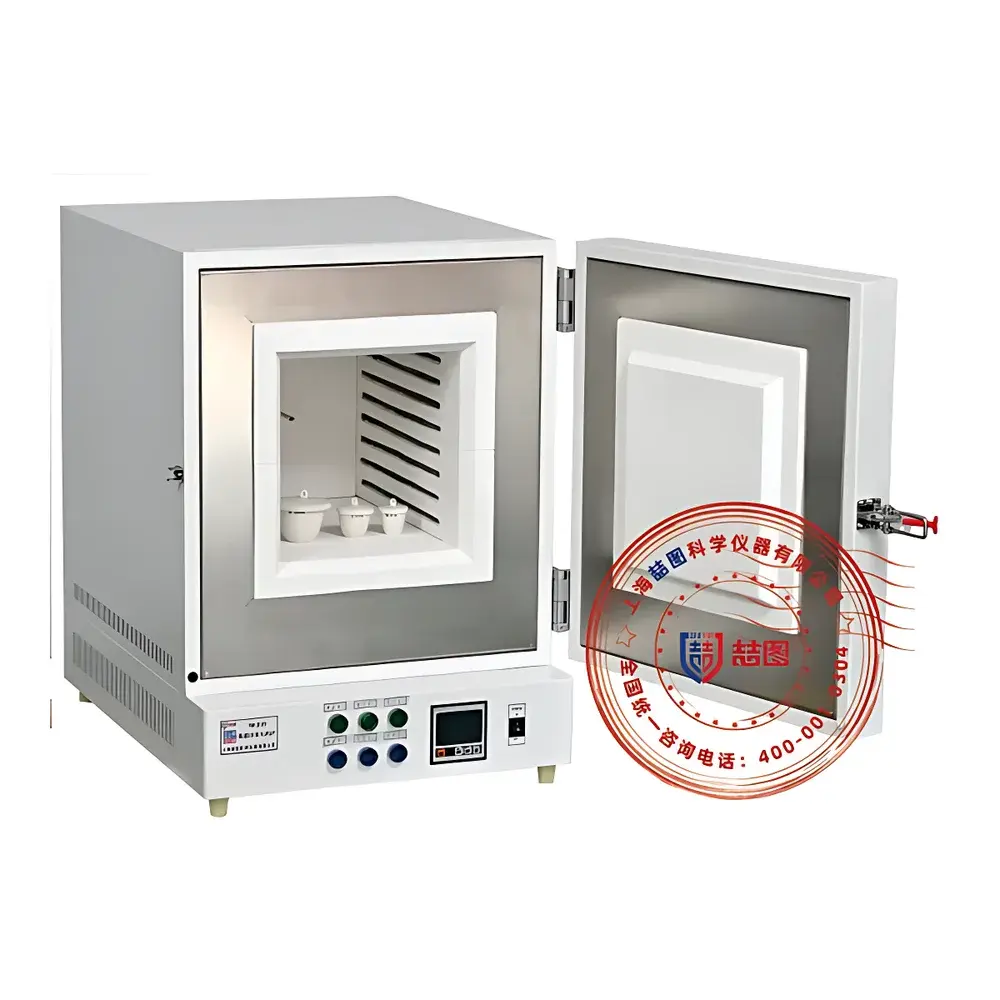
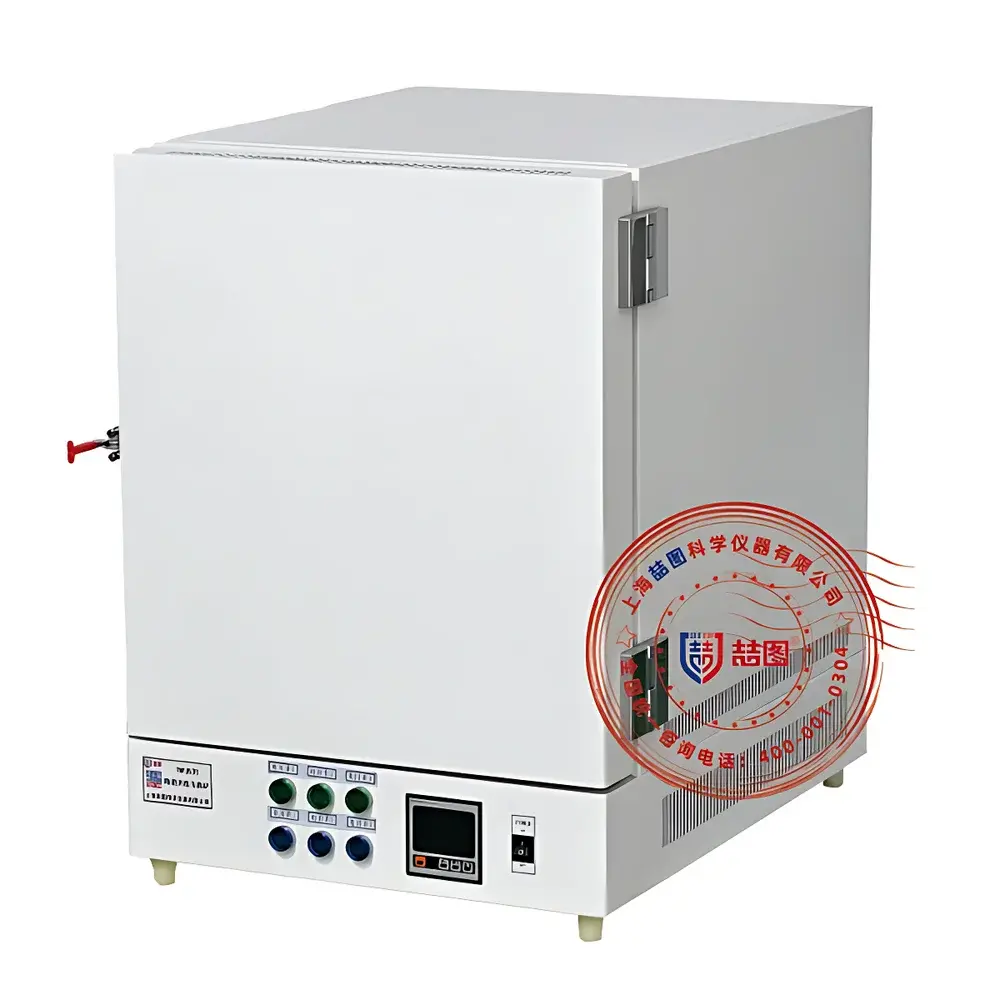
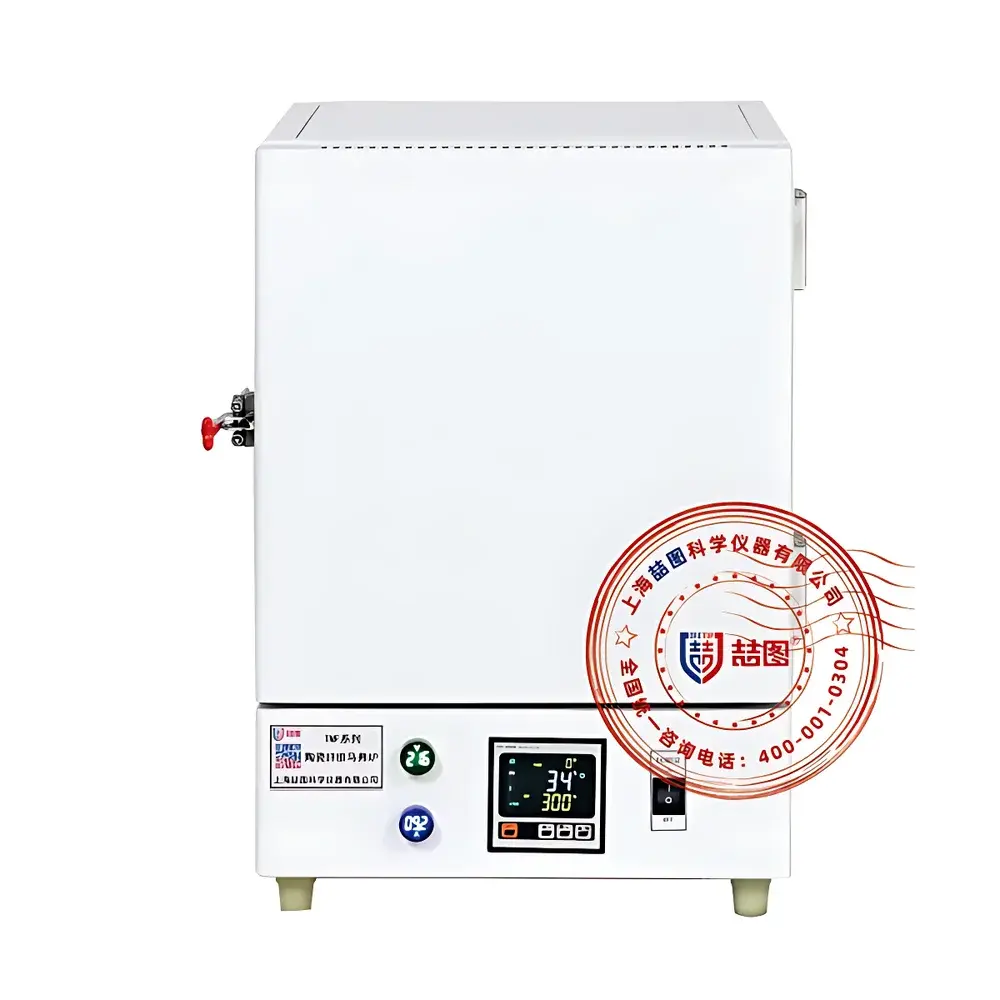
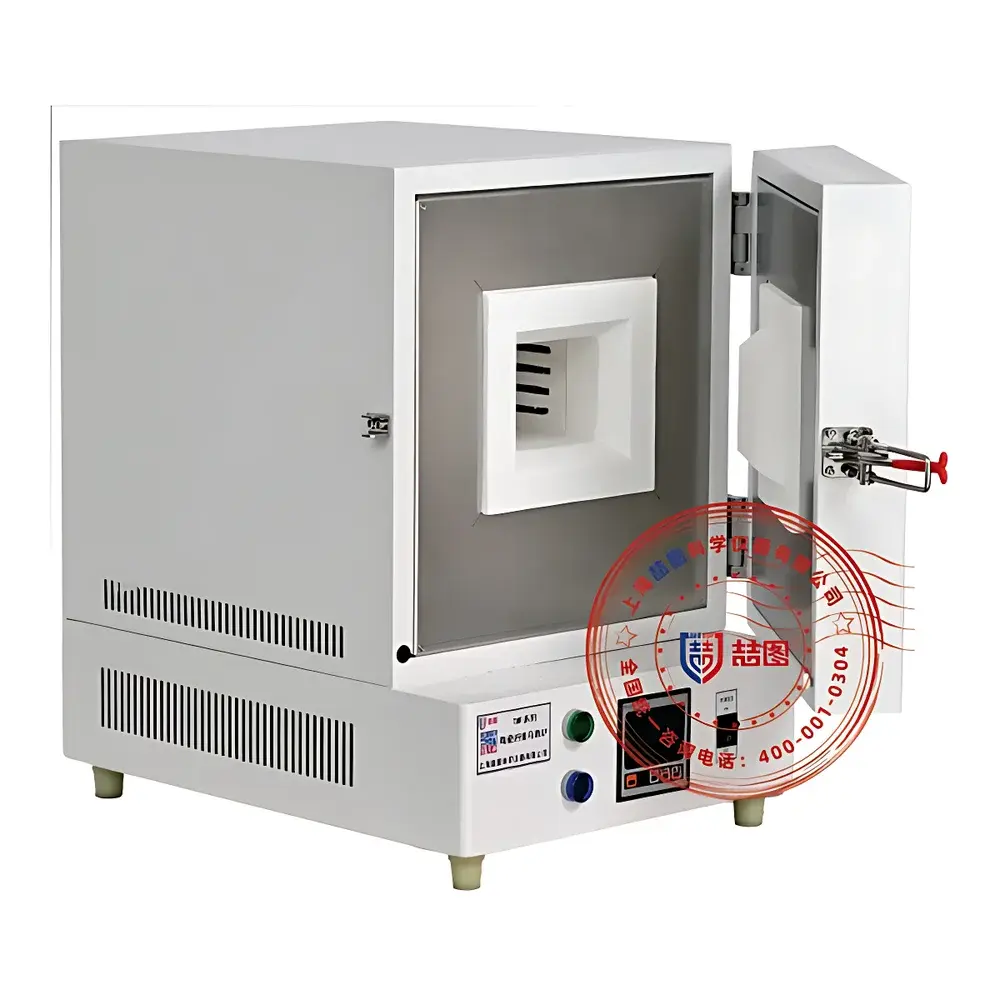
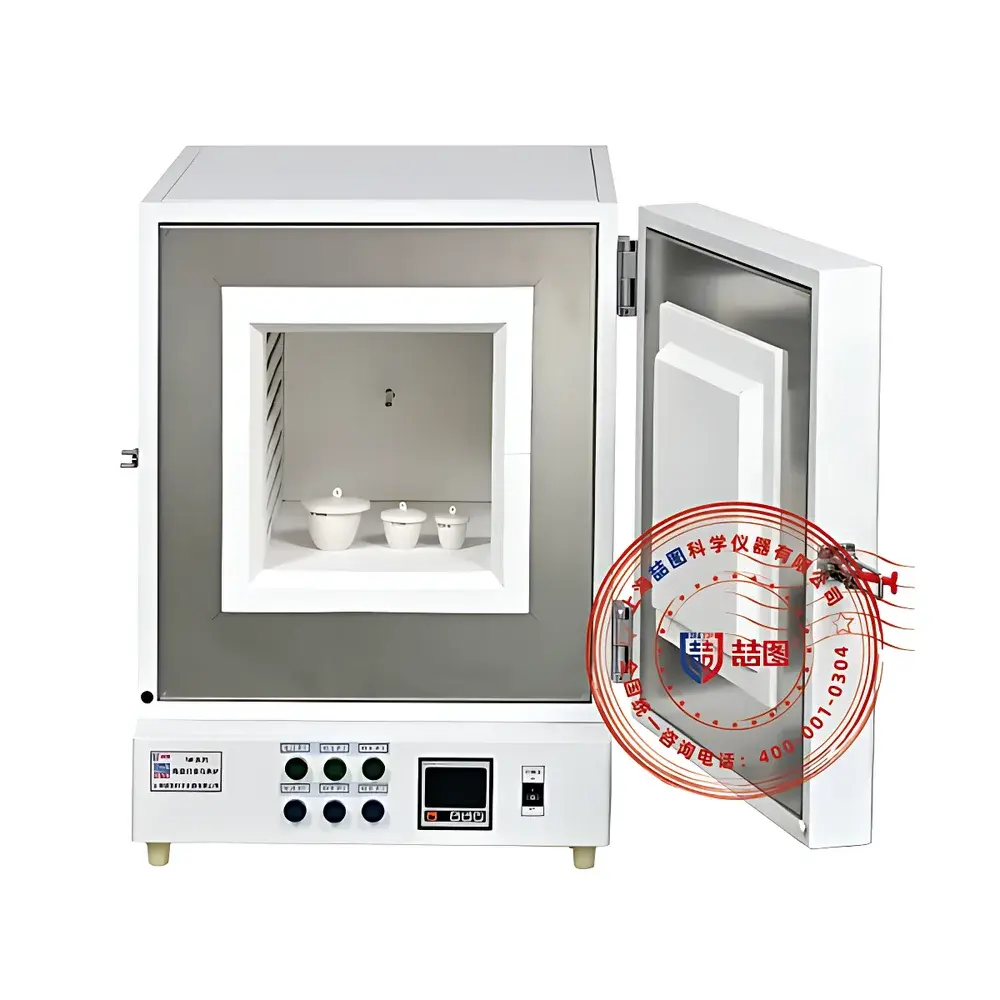
DRETOP TMF-36-10T Ceramic Fiber Muffle Furnace
| Brand | DRETOP |
|---|---|
| Origin | Shanghai, China |
| Manufacturer Type | Direct Manufacturer |
| Product Category | Domestic |
| Model | TMF-36-10T |
| Instrument Type | Box-Type Muffle Furnace |
| Maximum Temperature | 1000 °C |
| Temperature Control Accuracy | ±1 °C |
| Rated Power | 12 kW |
| Heating Rate to Max Temp | ≤30 min |
| Heating Element | Nickel-Chromium Resistance Wire |
| Internal Chamber Dimensions | 300 × 400 × 300 mm (W × D × H) |
| Control System | Microcomputer-Based PID Controller |
| Nominal Volume | 36 L |
Overview
The DRETOP TMF-36-10T Ceramic Fiber Muffle Furnace is a high-performance laboratory box furnace engineered for rapid thermal processing under controlled atmospheric conditions. Utilizing low-density, high-purity ceramic fiber insulation—vacuum-formed and micro-porous—the furnace achieves exceptional thermal efficiency, reduced thermal mass, and minimized standby energy loss. Unlike traditional refractory brick furnaces, this model eliminates slow ramp rates and structural degradation during repeated thermal cycling. Its triple-wall heating configuration (heating elements embedded in all three vertical chamber walls) ensures uniform radiant heat distribution, critical for reproducible sintering, ashing, annealing, and calcination protocols. Designed for compliance with routine laboratory quality systems, the TMF-36-10T operates within a validated temperature range of RT + 50 °C to 1000 °C and meets fundamental requirements for GLP-compliant thermal treatment workflows.
Key Features
- Triple-surface heating architecture with spiral-wound nickel-chromium alloy elements embedded in ceramic fiber walls for optimal thermal field homogeneity and rapid heating (≤30 min to 1000 °C)
- Microcomputer-based PID temperature controller with large-backlit LCD interface; supports 30-segment programmable ramp-soak profiles (TP-series variant), enabling precise control of heating rate, dwell time, and cooling sequence
- Integrated safety interlock: automatic power cutoff upon door opening, with seamless resumption upon closure—essential for intermittent sample handling without thermal drift
- Dual-stage overtemperature protection: primary electronic limit (adjustable setpoint) and secondary independent mechanical cutout; supplemented by断偶 (thermocouple break), phase-loss, and overcurrent detection
- Ergonomic structural design: phosphate-treated steel housing with high-temp electrostatic powder coating; reinforced door seal with high-alumina refractory baffle minimizes peripheral heat loss and improves chamber uniformity
- Real-time electrical monitoring: built-in digital voltmeter and ammeter provide continuous feedback on supply stability and load integrity
Sample Compatibility & Compliance
The TMF-36-10T accommodates standard crucibles (alumina, quartz, silicon carbide), ceramic setters, and metal trays up to 300 mm wide × 400 mm deep × 300 mm high. Its inert, oxidation-resistant chamber environment supports applications requiring ambient air, limited oxygen, or inert gas purging (via optional inlet valve). While not certified to IEC 61000-6-3 or UL 61010-1 out-of-the-box, the furnace conforms to foundational electrical safety and thermal hazard mitigation principles aligned with ISO/IEC 17025 laboratory infrastructure expectations. Optional RS485 Modbus RTU interface enables integration into centralized facility monitoring systems compliant with FDA 21 CFR Part 11 data integrity guidelines when paired with audit-trail-capable SCADA software.
Software & Data Management
The base T-series controller provides real-time temperature display, manual setpoint adjustment, and timer-based shutdown. The TP-series adds non-volatile 30-step program storage with slope/dwell parameterization and auto-restart after power interruption. For advanced traceability, the TC-series (optional color touchscreen upgrade) delivers graphical temperature curve visualization, user-level access control (engineer/operator/admin tiers), CSV export via USB, and timestamped event logging—including door open/close events, alarm triggers, and setpoint modifications. All variants retain power-failure memory and support external data acquisition via analog 4–20 mA or 0–10 V output (optional).
Applications
This furnace serves core thermal protocols across materials science, geochemistry, metallurgy, and pharmaceutical QA/QC labs. Typical use cases include: quantitative ash residue determination per ASTM E1755; ceramic glaze firing and crystallization studies; controlled oxidative decomposition of polymer composites; pre-treatment of catalyst supports; heat treatment of small metallic components (annealing, stress relieving); thermal gravimetric analysis (TGA) sample conditioning; and sintering of oxide ceramics and nanomaterials where thermal uniformity directly impacts grain growth kinetics and phase purity. Its 36 L chamber volume balances throughput and energy economy for batch processing of 5–20 standard porcelain crucibles.
FAQ
What is the typical temperature uniformity across the working zone?
At 1000 °C, radial and axial uniformity is ±5 °C within the central 70% of the chamber volume (per internal validation per ISO/IEC 17025 Clause 6.4.3), verified using a 9-point thermocouple mapping procedure.
Can inert gas purging be implemented safely?
Yes—optional stainless-steel inlet valve (NPT 1/4″) allows continuous N₂ or Ar flow at ≤5 L/min; recommended for reducing oxide formation during high-temp metal treatments.
Is the furnace compatible with GLP/GMP documentation requirements?
With TC-series controller and external data logger, full audit trail generation—including operator ID, timestamps, and parameter changes—is achievable; validation documentation packages available upon request.
What maintenance intervals are recommended for sustained accuracy?
Thermocouple calibration verification every 6 months; visual inspection of ceramic fiber integrity and door gasket compression annually; no scheduled replacement of heating elements under normal operation (rated life > 5000 h at 1000 °C).



