

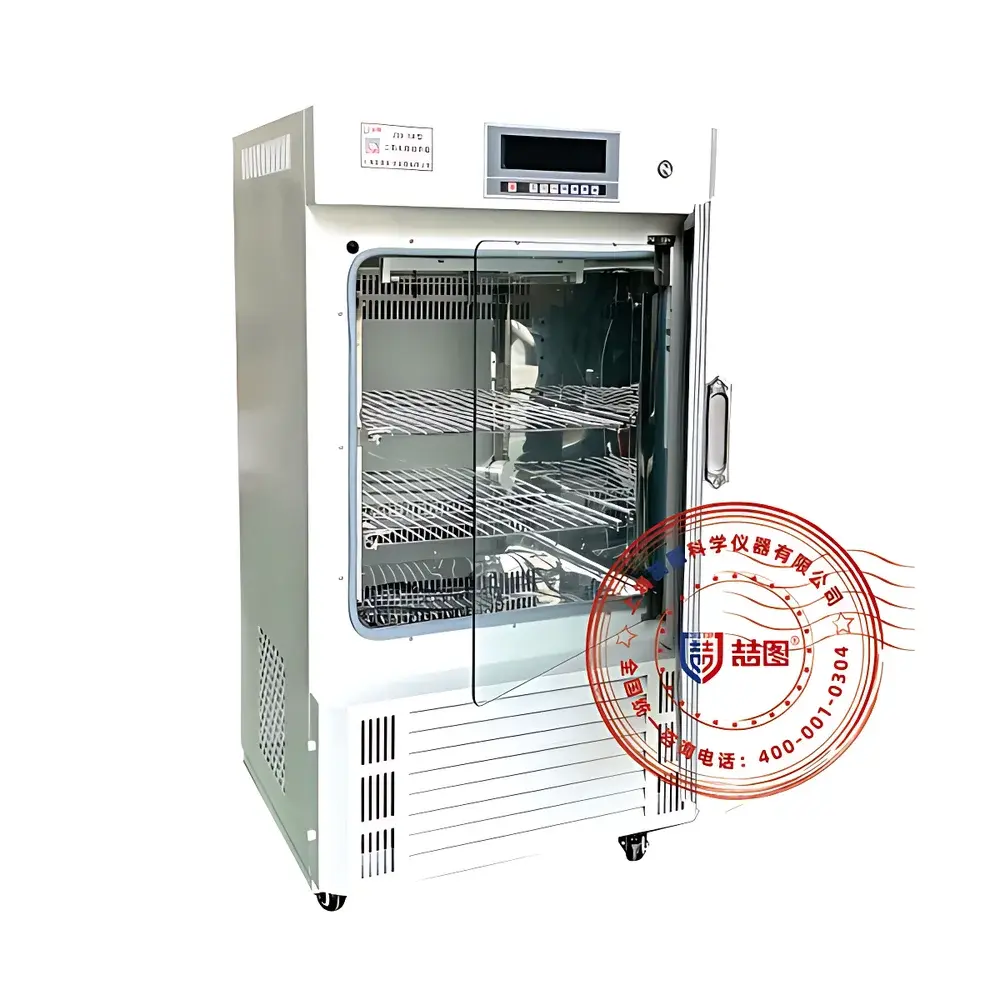
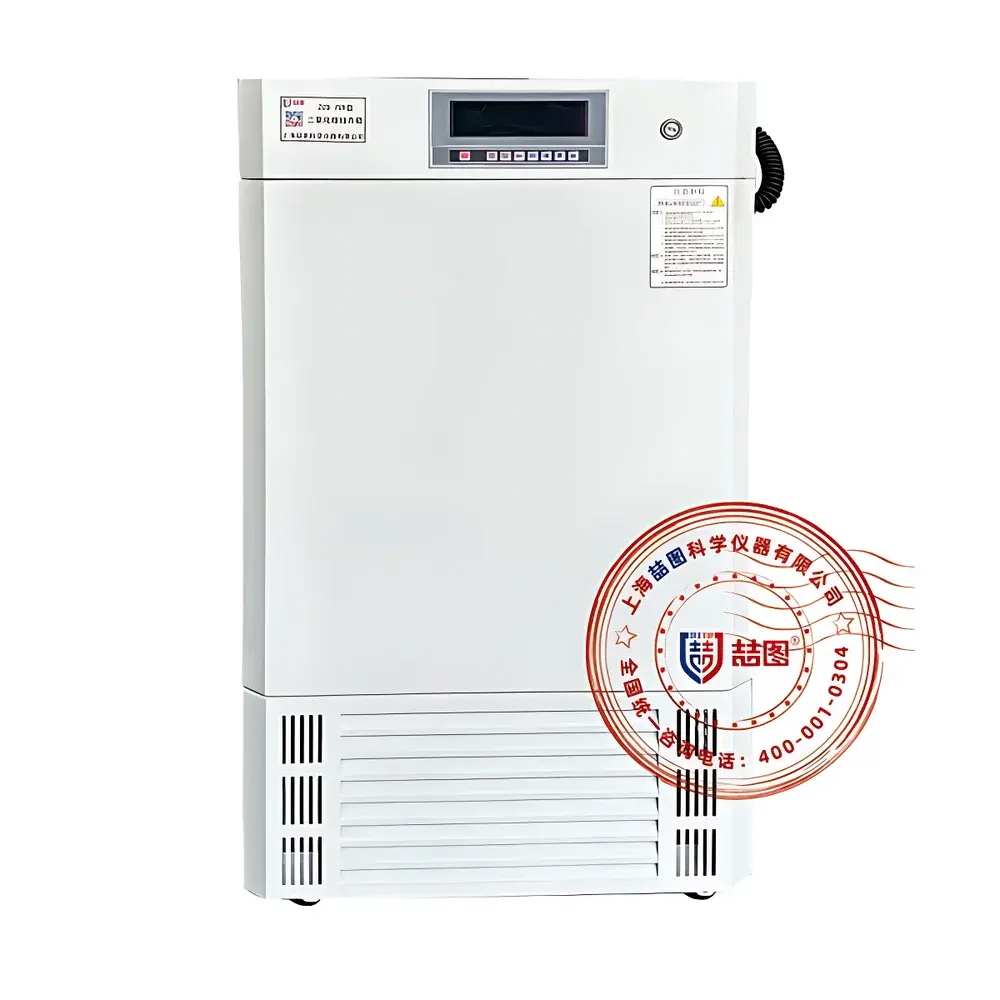
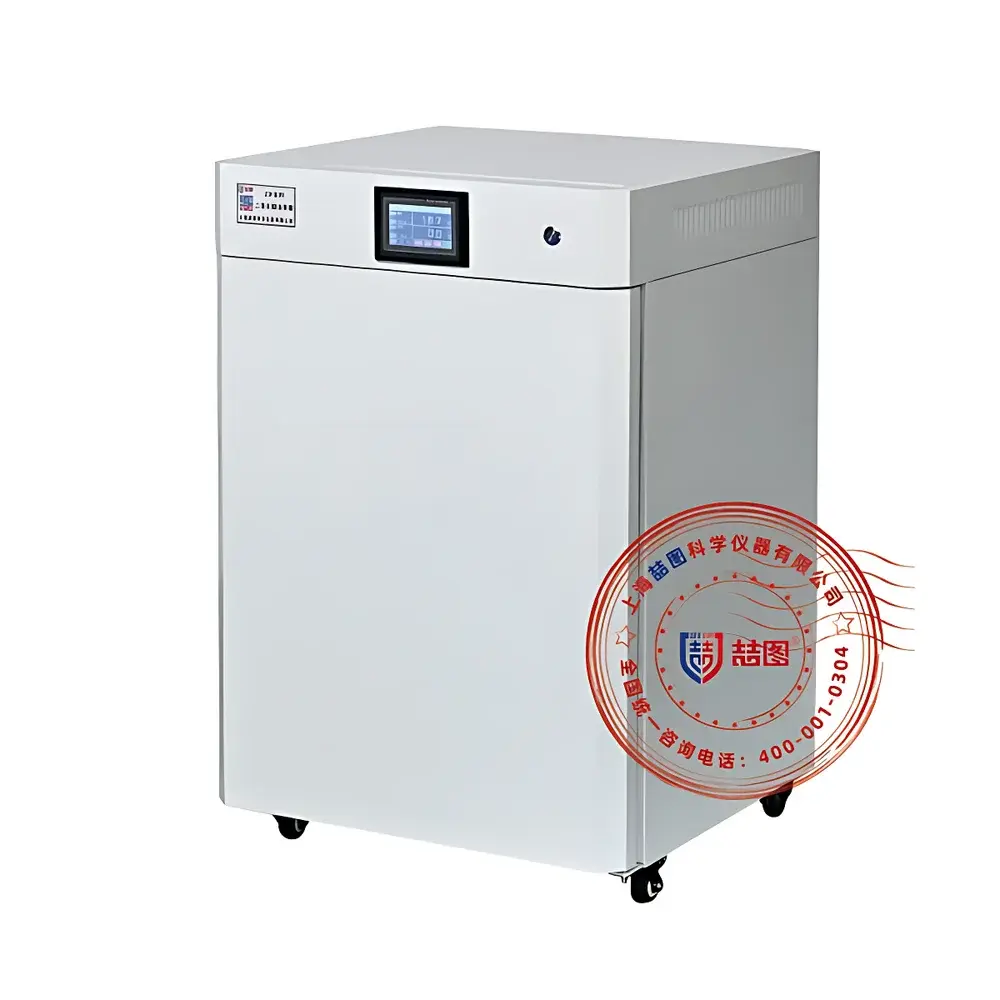
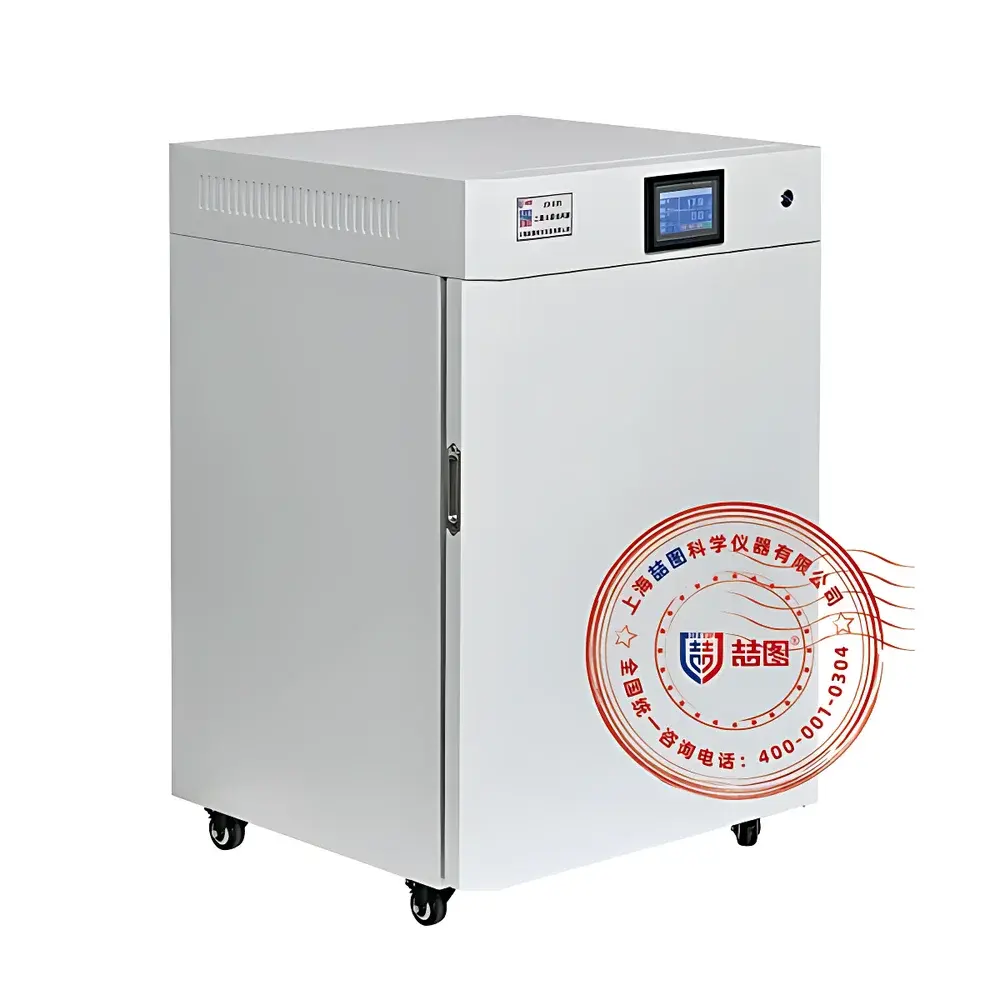
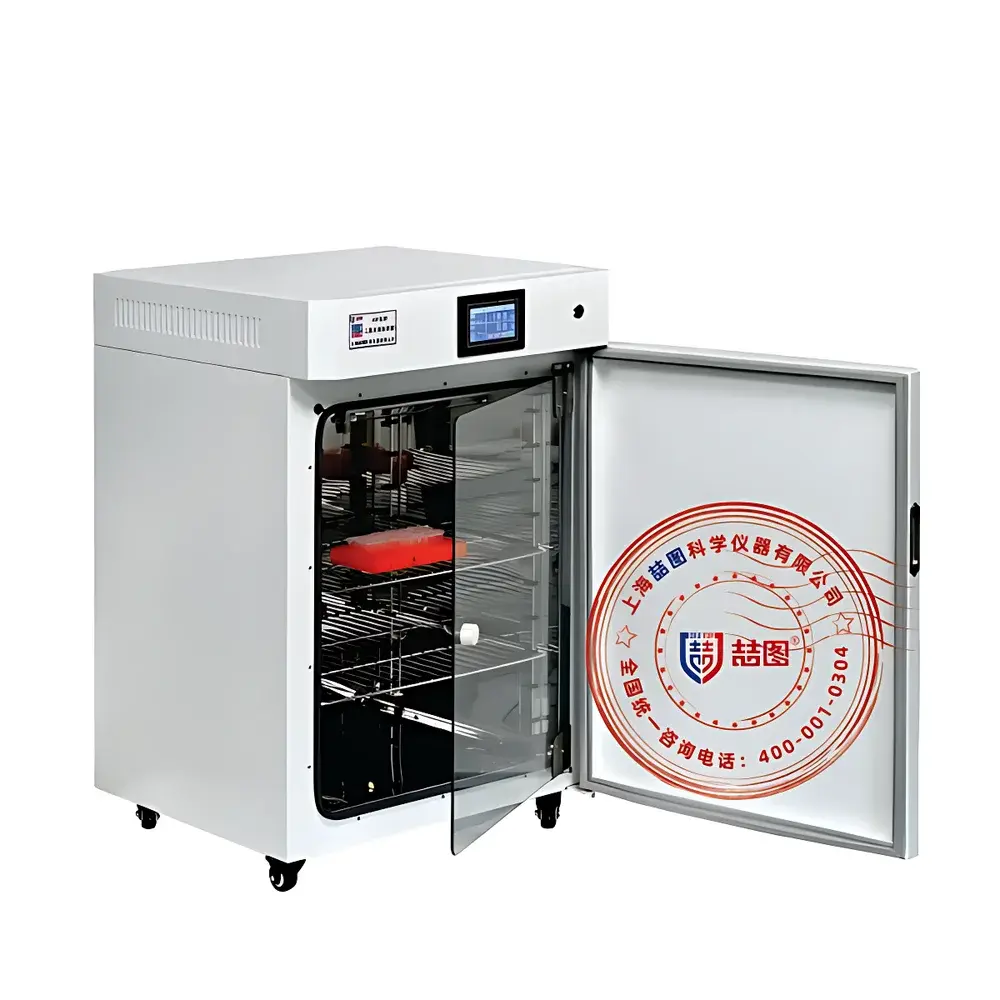
DRETOP ZCW-160T Water-Jacketed CO₂ Incubator
| Brand | DRETOP |
|---|---|
| Origin | Shanghai, China |
| Manufacturer Type | Direct Manufacturer |
| Instrument Type | Water-Jacketed CO₂ Incubator |
| CO₂ Detection | Infrared (IR) Sensor |
| Temperature Control Range & Accuracy | RT + 5°C to 60°C, ±0.2°C |
| Temperature Uniformity | Not specified in source data |
| CO₂ Concentration Control Range & Accuracy | 0–20% vol, ±0.1% vol |
| Humidity Control | 95% RH ±3% RH (natural evaporation) |
| Chamber Capacity | 160 L |
| Internal Dimensions (W×D×H) | 500 × 500 × 650 mm |
| Standard Configuration | UV Germicidal Lamp (optional 90°C High-Temperature Humid Heat Sterilization) |
Overview
The DRETOP ZCW-160T is a precision-engineered water-jacketed CO₂ incubator designed for reliable, long-term cell and tissue culture under physiologically relevant conditions. It maintains tightly controlled environmental parameters—temperature (RT + 5°C to 60°C), CO₂ concentration (0–20% vol), and relative humidity (95% RH ±3% RH)—to replicate the in vivo microenvironment essential for mammalian cell proliferation, hybridoma antibody production, stem cell expansion, IVF procedures, and regenerative medicine applications. Unlike forced-air (air-jacketed) systems, the ZCW-160T employs a passive water-jacket thermal mass surrounding the inner chamber, delivering exceptional thermal stability and prolonged temperature retention during power interruptions—critical for labs in regions with unstable grid supply or stringent continuity-of-culture requirements. Its infrared CO₂ sensor operates independently of ambient O₂ levels and humidity fluctuations, eliminating catalytic sensor drift and ensuring stable gas feedback control even after repeated door openings.
Key Features
- Water-jacketed thermal architecture with ceramic fiber insulation and mirror-finish stainless steel interior (304 grade), featuring seamless, radius-corner construction for contamination resistance and ease of cleaning.
- Infrared (IR) CO₂ sensing technology with automatic zero-point calibration, temperature compensation, and overvoltage/reverse-polarity protection—ensuring long-term measurement integrity without periodic recalibration or sensor poisoning.
- Integrated UV germicidal lamp (254 nm, ozone-free) for decontamination of circulating air and humidification water surface; optional 90°C high-temperature humid heat sterilization cycle validated for bacterial endospore inactivation.
- Intelligent humidity management via reservoir-style stainless steel water pan with large surface-area evaporation; rapid humidity recovery (<3 min post-door-open) due to optimized vapor diffusion geometry and anti-tilt adjustable shelving.
- Microprocessor-based PID temperature controller with multiple timing modes (run timer, constant-temp timer, constant-humidity timer), memory retention after power loss, and user-configurable high/low temperature alarms.
- Heated double-glazed inner door with independent heating circuit prevents condensation—mitigating microbial ingress risk at the critical air–glass interface.
- Standard HEPA-grade inlet filter (≥0.3 µm, 99.998% efficiency) ensures particulate-free internal airflow; optional RS485 interface enables integration into centralized lab monitoring systems compliant with ISO 14644-1 Class 5 cleanroom practices.
Sample Compatibility & Compliance
The ZCW-160T supports standard SBS-format multiwell plates (6–96-well), Petri dishes, T-flasks (up to T225), roller bottles, and custom bioreactor inserts. Its 160 L chamber accommodates up to four adjustable stainless steel shelves (load capacity: 15 kg/shelf), with vertical clearance optimized for stacked vessel configurations. The system complies with core regulatory expectations for cell culture instrumentation: temperature and CO₂ uniformity meet ASTM E1755-22 guidelines for incubator performance verification; humidity control aligns with USP recommendations for moisture-sensitive biological assays; and firmware design supports audit trails required under FDA 21 CFR Part 11 for electronic records in GLP/GMP environments. All electrical components conform to IEC 61010-1 safety standards for laboratory equipment.
Software & Data Management
The ZCW-160T utilizes an embedded LCD interface (non-touch, industrial-grade) with multilingual menu navigation (English default). Real-time values—including chamber temperature, CO₂ %, relative humidity, elapsed time, and alarm status—are displayed simultaneously on a single screen. Event logging captures timestamped entries for door openings, temperature excursions, CO₂ deviations >±0.3%, and sterilization cycle completion. Data export is supported via optional RS485-to-USB converter for CSV-formatted archival in LIMS or ELN platforms. While no proprietary cloud software is bundled, the device’s Modbus RTU protocol enables third-party SCADA integration for automated compliance reporting and remote health monitoring across multi-site facilities.
Applications
This incubator serves as a foundational platform for advanced life science workflows requiring environmental fidelity: primary human keratinocyte and fibroblast expansion for dermatological models; monoclonal antibody production in CHO-K1 and SP2/0 hybridomas; embryonic and induced pluripotent stem cell maintenance under hypoxic (5% O₂) co-culture protocols; 3D organoid development using Matrigel-embedded cultures; toxicology screening of nanomaterials per OECD Test No. 492; and gamete handling in clinical IVF laboratories accredited to CAP/CLIA standards. Its water-jacket design is particularly suited for overnight or weekend unattended runs, continuous bioprocess support, and facilities lacking backup generators but requiring >4-hour thermal holdover capability.
FAQ
What is the difference between water-jacketed and air-jacketed CO₂ incubators?
Water-jacketed units use a surrounding water bath for thermal inertia, providing superior temperature stability and extended hold time during outages (typically >8 hours at ±1°C deviation). Air-jacketed systems respond faster to setpoint changes but exhibit greater thermal fluctuation under dynamic load conditions.
Does the ZCW-160T support validation documentation for GxP environments?
Yes—the instrument includes factory calibration certificates traceable to NIST standards, IQ/OQ protocol templates, and configurable alarm thresholds that satisfy Annex 11 and EU GMP Chapter 4 requirements for qualified equipment.
Can humidity be monitored externally?
An optional humidity display module (part no. HMD-ZCW) provides real-time RH readout via front-panel LED and analog 4–20 mA output for building management system integration.
Is the UV lamp automatically interlocked with door operation?
Yes—UV emission is hardware-disabled whenever the inner or outer door is open, meeting IEC 62471 photobiological safety classification requirements for Class 1 LED/UV devices.
What maintenance intervals are recommended for the water jacket?
Deionized water must be refilled every 3–6 months depending on ambient evaporation rate; full drain, descaling (with 5% citric acid), and refill is advised annually to prevent mineral deposition and thermal resistance buildup.




