
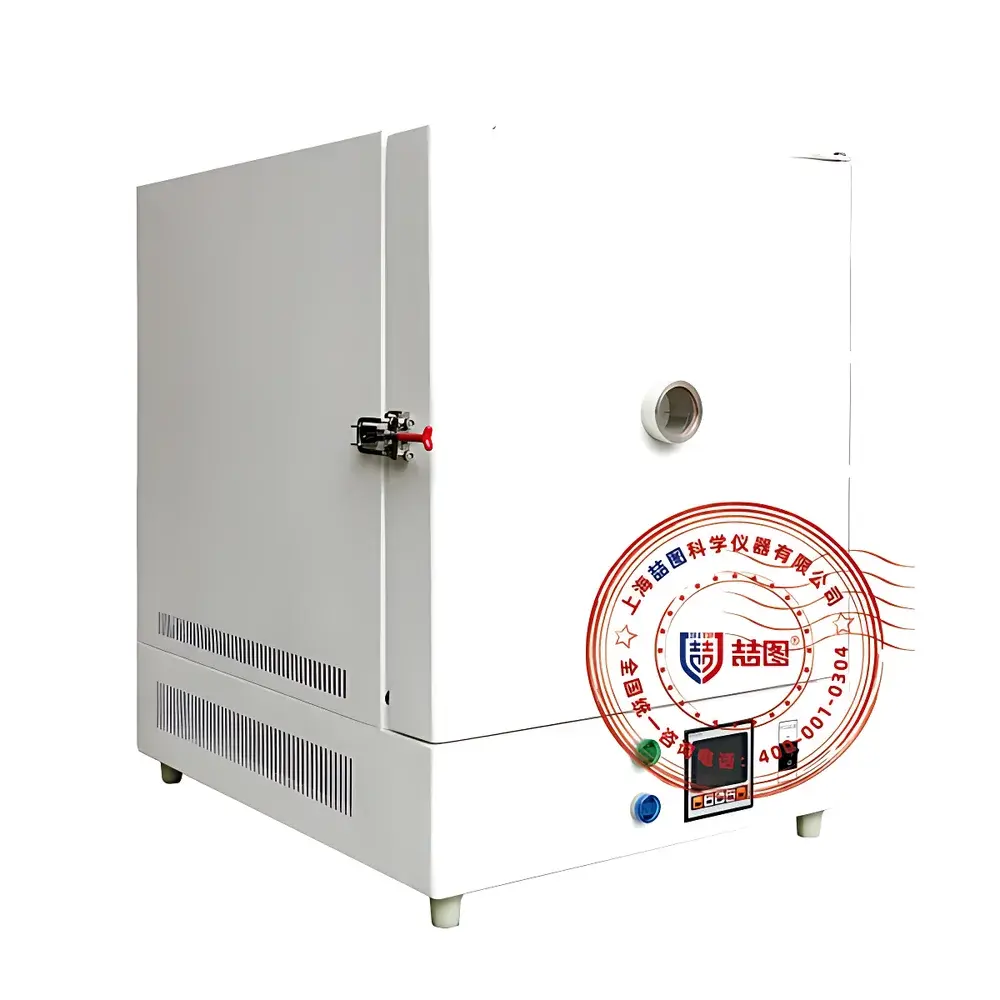
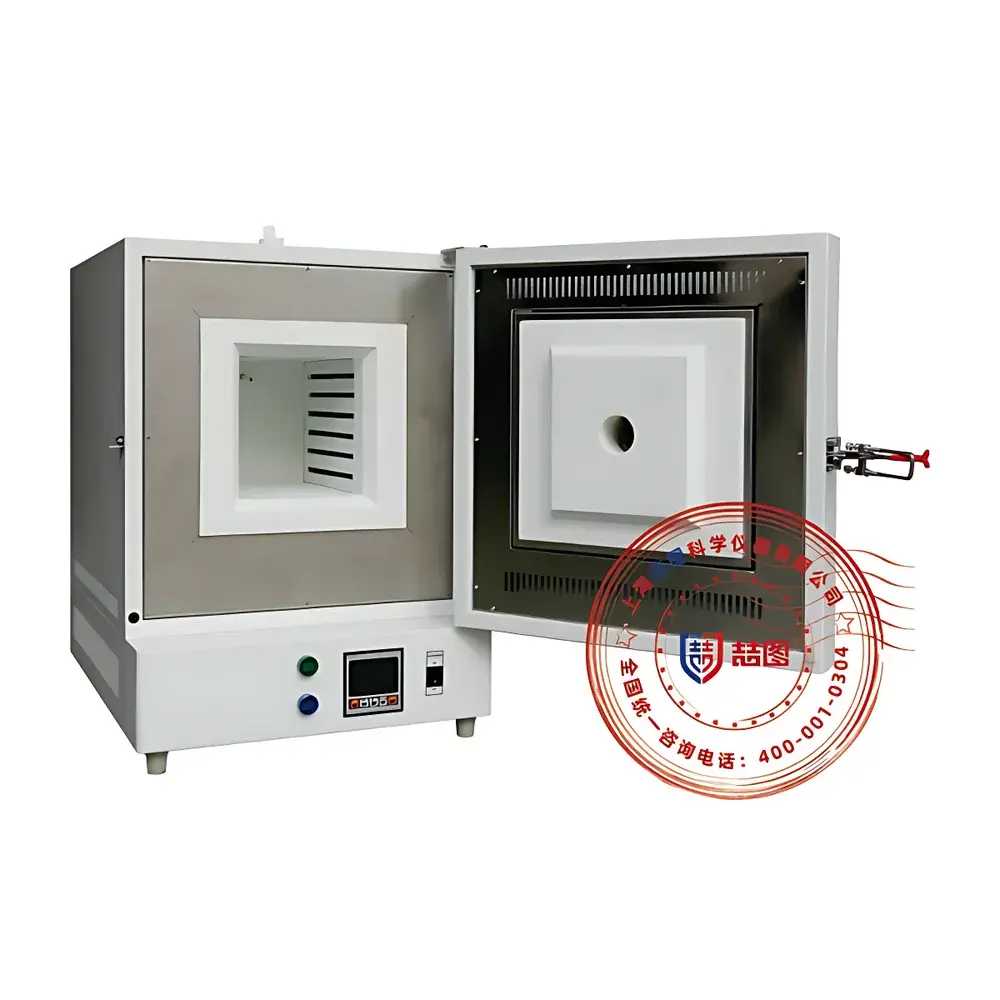
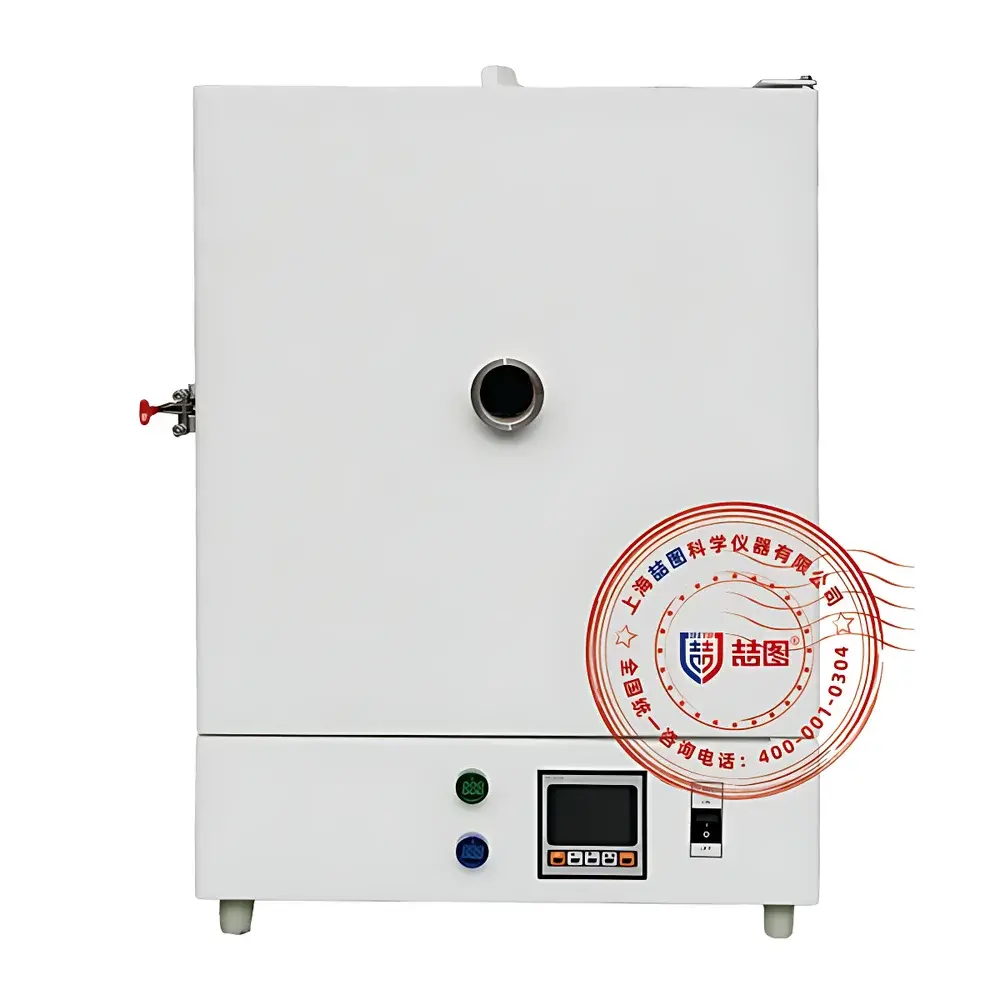
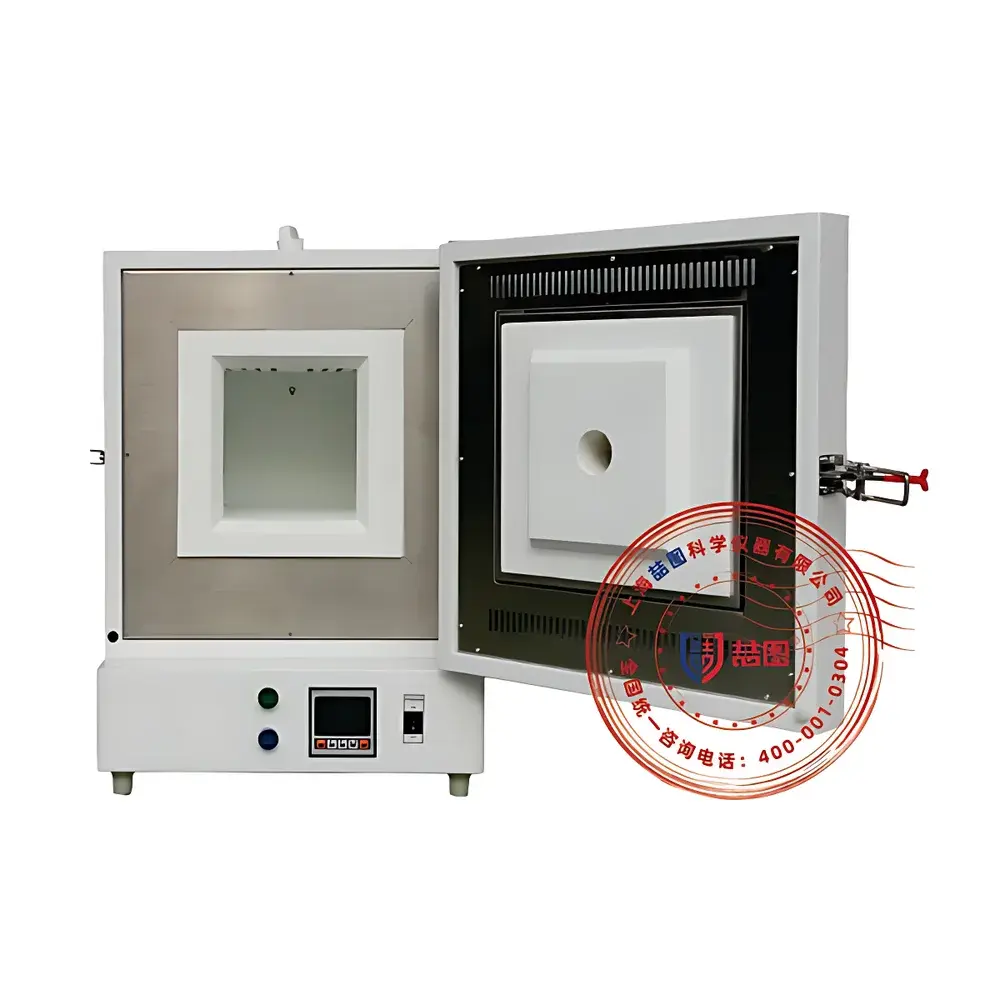
DRETOP MK12-7.2 Cat-Eye View Muffle Furnace
| Brand | DRETOP |
|---|---|
| Origin | Shanghai, China |
| Manufacturer Type | Direct Manufacturer |
| Product Category | Domestic |
| Model | MK12-7.2 |
| Instrument Type | Box-Type Muffle Furnace |
| Maximum Temperature | 1000°C |
| Temperature Control Accuracy | ±1°C |
| Rated Power | 9 kW |
| Heating Rate to Max Temp | 30 min |
| Heating Element | Ni-Cr-Mo Alloy Wire |
| Internal Dimensions (W×D×H) | 300 × 500 × 200 mm |
| Control System | Microcomputer-Based PID Controller |
| Nominal Chamber Volume | 30 L |
Overview
The DRETOP MK12-7.2 Cat-Eye View Muffle Furnace is a high-performance, ceramic fiber-insulated box-type muffle furnace engineered for precision thermal processing in research laboratories, materials science facilities, and industrial quality control environments. Utilizing advanced vacuum-microporous ceramic fiber insulation and triple-wall heating architecture, the furnace achieves rapid, uniform heat distribution across its 30 L chamber while minimizing thermal mass and energy consumption. Its core operating principle relies on resistive heating via high-stability Ni-Cr-Mo alloy elements embedded within the furnace walls, enabling stable operation from ambient +50°C up to 1000°C with ±1°C control accuracy per ASTM E220 and ISO 8573-1 calibration traceability protocols. The integrated 5 cm diameter quartz cat-eye viewport—rated for continuous use at 1000°C—provides real-time visual monitoring of sample behavior without compromising thermal integrity or introducing measurement artifacts.
Key Features
- Cat-eye viewport (50 mm Ø fused quartz) enables non-intrusive process observation under full thermal load, supporting kinetic studies of sintering, phase transitions, and decomposition reactions.
- Triple-wall radiant heating configuration ensures axial and radial temperature uniformity ≤±3°C across the working zone (per IEC 60068-3-5), critical for reproducible ceramographic and metallurgical treatments.
- Microcomputer-based PID controller with 30-segment programmable ramp/soak profiles supports GLP-compliant thermal protocols—including quench rate modulation, multi-step annealing, and controlled cooling sequences.
- Integrated safety architecture includes dual-stage overtemperature protection (primary controller + independent mechanical limiter), door-interlocked power cutoff, real-time voltage/current digital monitoring, and automatic power recovery after grid interruption.
- Structural design incorporates phosphate-conversion coated steel housing with high-temp ceramic enamel finish, front-loading reinforced door with dual-latch sealing mechanism, and bottom-mounted control electronics isolated from radiant heat via compensated thermocouple wiring.
Sample Compatibility & Compliance
The MK12-7.2 accommodates standard crucibles (alumina, silicon carbide, platinum, and graphite), powder compacts, thin-film substrates, and small metallic components up to 300 mm in width. Its ceramic fiber chamber (density: 220 kg/m³, max service temp: 1260°C) resists thermal shock and chemical degradation from halogenated precursors, carbonaceous atmospheres, and low-pO₂ environments. The furnace meets structural and electrical safety requirements per IEC 61010-1:2010 and complies with electromagnetic compatibility standards EN 61326-1:2013. Optional inert gas inlet (standard NPT 1/4″ port) and exhaust chimney facilitate controlled-atmosphere operations aligned with ASTM C1171 (ceramic sintering) and USP (heavy metal residue testing).
Software & Data Management
The embedded controller logs timestamped temperature data at user-defined intervals (1–60 sec) with internal storage capacity for ≥10,000 records. RS485 Modbus RTU interface enables integration with LabVIEW, MATLAB, or SCADA systems for centralized monitoring and automated report generation. Optional TC-series color touchscreen upgrade adds multi-level password protection (engineer/operator/user tiers), real-time curve visualization, audit trail functionality compliant with FDA 21 CFR Part 11, and CSV export capability. All firmware updates are performed via USB without requiring external programming hardware.
Applications
This furnace serves as a primary tool for quantitative thermal analysis workflows including ash content determination (AOAC 942.05), loss-on-ignition assays (EPA Method 9080), catalyst calcination (ISO 18852), glass annealing (ASTM C148), ceramic glaze firing, powder metallurgy sintering (MPIF Standard 35), and heat treatment of ferrous/non-ferrous alloys per AMS 2750E pyrometric requirements. Its rapid 30-minute ramp to 1000°C and stable dwell performance make it suitable for high-throughput QC labs conducting ASTM E112 grain size analysis preparation or ISO 17892-9 soil calcination protocols.
FAQ
What is the maximum recommended loading mass for optimal temperature uniformity?
For ±3°C uniformity across the full chamber volume, total sample + fixture mass should not exceed 8 kg. Higher loads require extended equilibration time and may affect ramp fidelity.
Can the cat-eye viewport be replaced in-field without recalibration?
Yes—the viewport is secured with high-temp ceramic gasketing and stainless steel clamping ring; replacement preserves factory calibration when using OEM-specified fused quartz (transmission >85% at 300–2500 nm).
Is the furnace compatible with nitrogen or argon purge environments?
Standard configuration includes an inlet port for inert gas introduction; optional flowmeter and pressure regulator kits are available to maintain ≤100 ppm O₂ during high-temp treatments.
Does the controller support deviation alarms and event-triggered logging?
Yes—user-configurable deviation thresholds (±0.5°C to ±10°C) activate audible/visual alerts and initiate time-stamped log capture, supporting root-cause analysis during thermal excursions.
What maintenance intervals are recommended for long-term reliability?
Ceramic fiber integrity inspection every 12 months; thermocouple verification against NIST-traceable reference source annually; door gasket replacement every 24 months under daily use conditions.



