
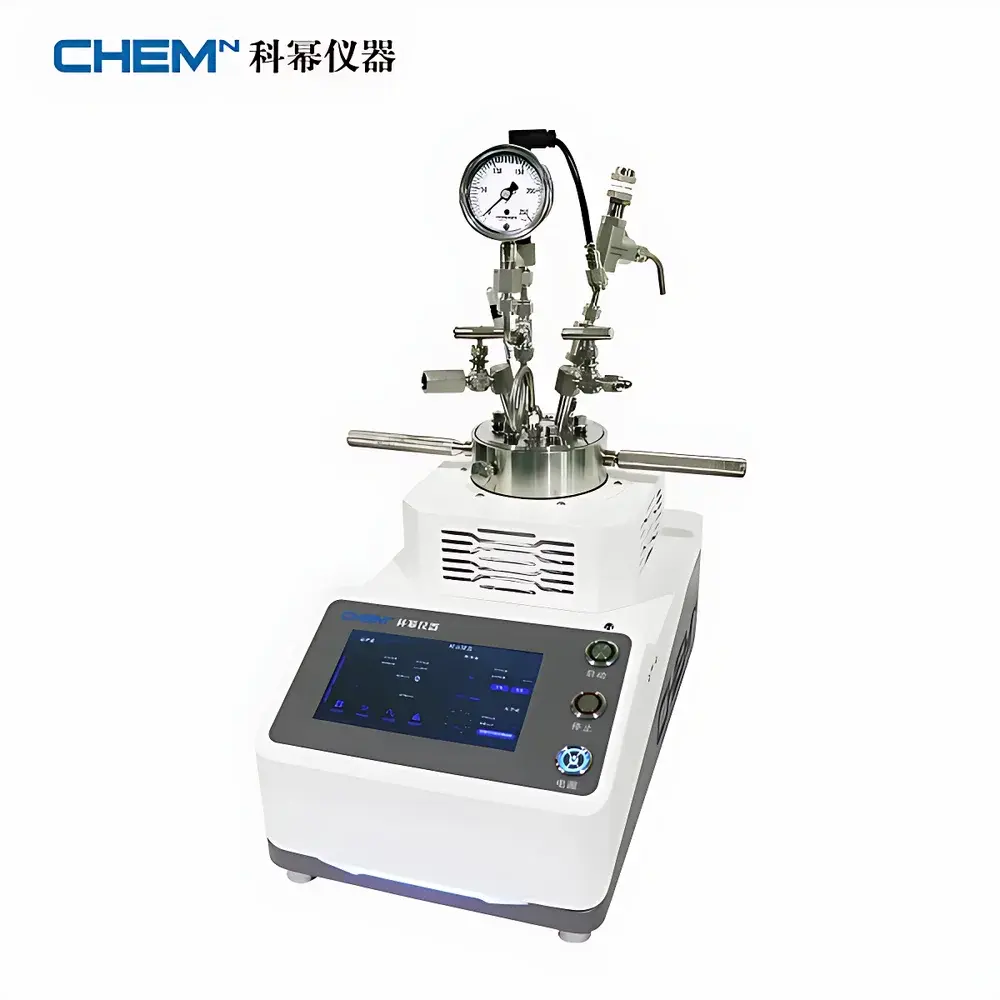
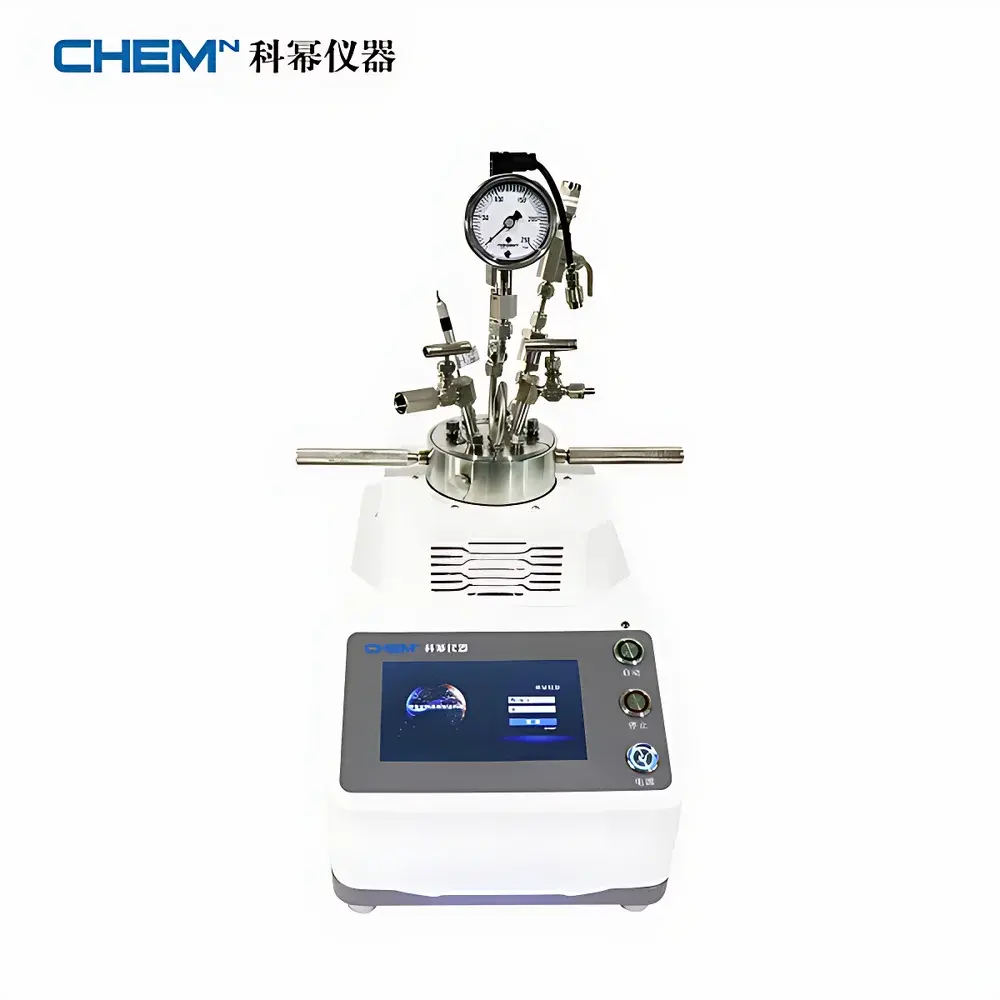
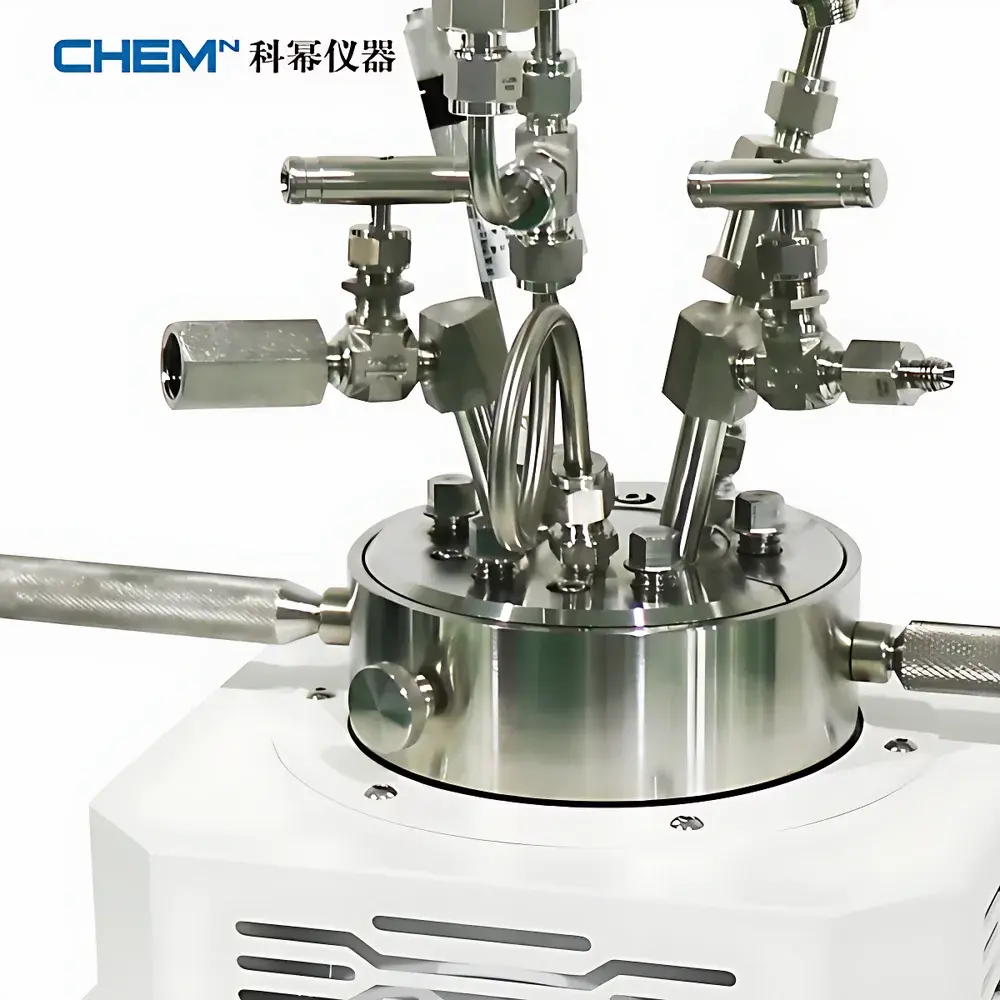
Ahkemi NSI Smart Quick-Release Magnetic Stirring High-Pressure Reactor
| Brand | Ahkemi |
|---|---|
| Origin | Anhui, China |
| Model | NSI |
| Vessel Capacity | 10–1000 mL |
| Design Pressure | 35 MPa |
| Design Temperature | 500 °C |
| Construction Material | 316L Stainless Steel (standard), Hastelloy C-276 (optional) |
| Heating Method | Embedded stainless steel heating module |
| Stirring Speed Range | 100–1200 rpm |
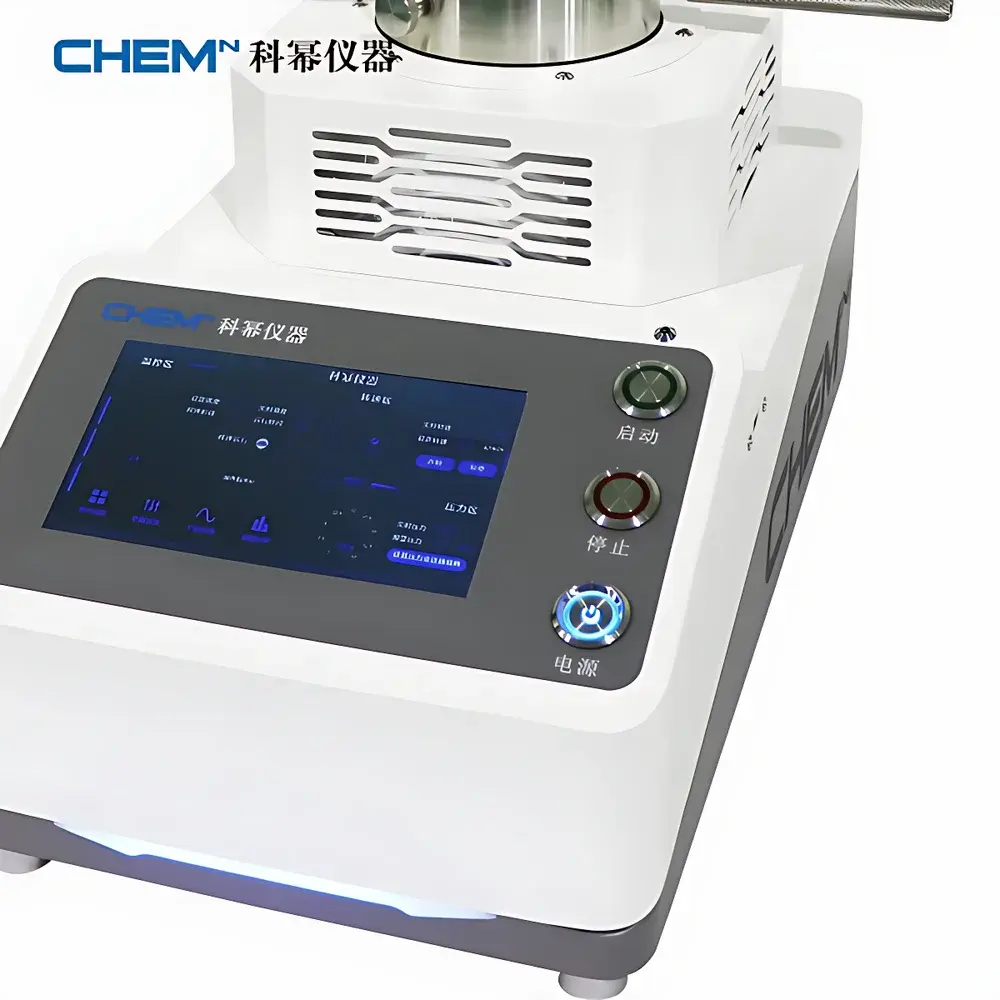
| Control Interface | 7-inch capacitive touchscreen |
| Data Export | USB port |
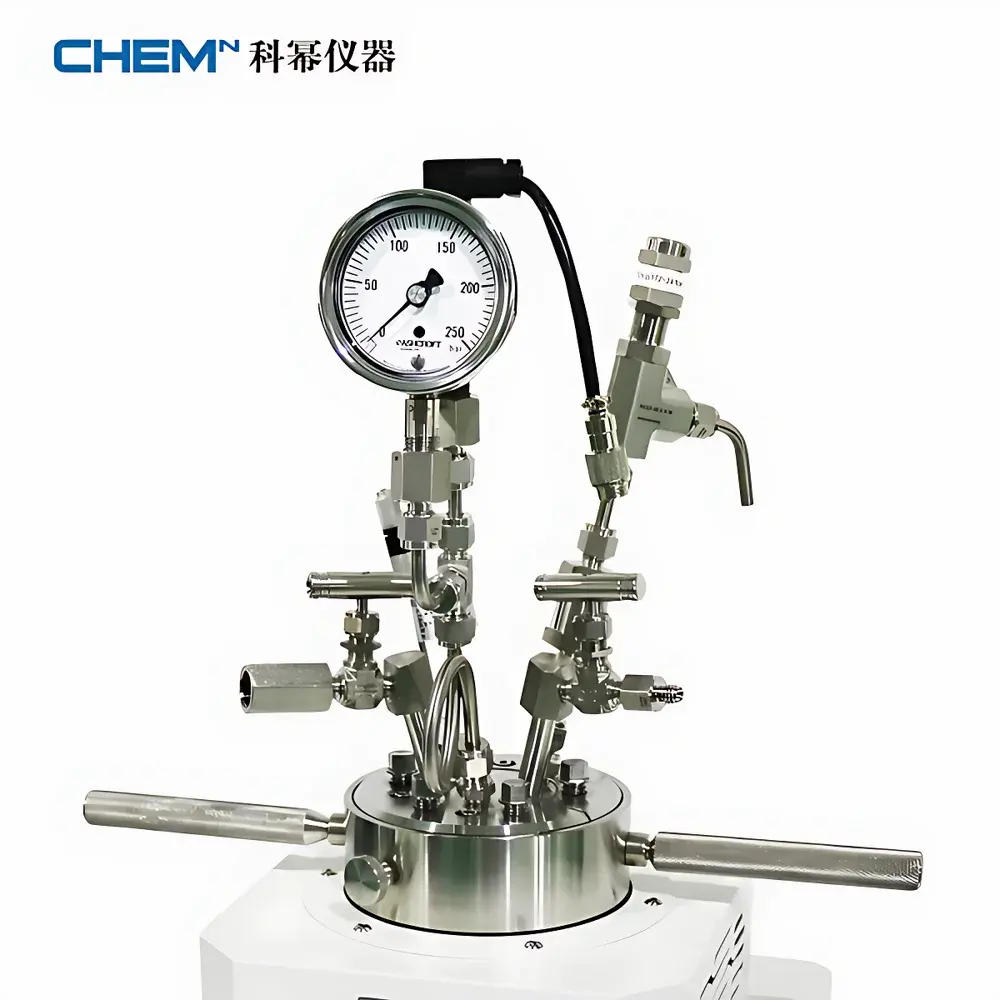
| Safety Systems | MEAS pressure transducer, Ashcroft analog pressure gauge, Swagelok inlet/outlet needle valves, FITOK safety relief valve, custom rupture disc, over-temperature cut-off, over-pressure audible alarm |
Overview
The Ahkemi NSI Smart Quick-Release Magnetic Stirring High-Pressure Reactor is an engineered solution for controlled, reproducible high-temperature and high-pressure chemical synthesis in research and development laboratories. Based on the principle of sealed batch reaction under inert or reactive atmospheres, the NSI reactor integrates magnetic coupling-driven agitation with precision thermal regulation and real-time process monitoring. Its design conforms to recognized mechanical integrity standards for pressure equipment—specifically ASME BPVC Section VIII Division 1 guidelines for Class I pressure vessels—and supports operation up to 35 MPa (5075 psi) and 500 °C, making it suitable for hydrothermal synthesis, catalytic hydrogenation, supercritical fluid reactions, and kinetic studies requiring stringent environmental control.
Key Features
- Modular quick-release mechanism: Patented bayonet-style closure with ergonomic assist tools enables tool-free disassembly in under 60 seconds—reducing turnaround time between experiments without compromising sealing integrity.
- Multi-layer safety architecture: Redundant pressure monitoring via MEAS digital transducer and Ashcroft analog gauge; dual overpressure protection through FITOK-certified safety relief valve and custom-engineered rupture disc; automatic power cutoff at preset temperature thresholds.
- Intelligent process control: PID-based temperature regulation with ±1 °C stability; digitally adjustable stirring speed (100–1200 rpm); synchronized logging of temperature, pressure, rotational speed, and elapsed time.
- Thermal efficiency optimization: Embedded heating module ensures uniform heat distribution across the vessel wall, minimizing axial temperature gradients and improving reaction homogeneity.
- Material flexibility: Standard construction in ASTM A240 Grade 316L stainless steel; optional upgrade to Hastelloy C-276 for enhanced corrosion resistance in halide-rich or highly acidic media.
- Human-centered interface: 7-inch industrial-grade capacitive touchscreen with intuitive HMI layout; English-language firmware; USB 2.0 port for CSV-formatted data export compatible with LIMS and statistical analysis platforms.
Sample Compatibility & Compliance
The NSI reactor accommodates a broad range of sample types—including slurries, viscous organometallic mixtures, aqueous suspensions, and gas-liquid systems—across volumes from 10 mL to 1000 mL. All wetted components comply with FDA 21 CFR Part 11 requirements for electronic record integrity when used with validated software configurations. The system meets ISO 9001 manufacturing quality standards and supports GLP/GMP-aligned documentation workflows through timestamped audit trails and user-access logs. Pressure containment components are certified to PED 2014/68/EU Category IV and carry CE marking for conformity with European pressure equipment directives.
Software & Data Management
No proprietary software installation is required. The embedded controller firmware provides native support for manual setpoint programming, ramp-hold profiles, and multi-step reaction protocols. All operational parameters—including real-time sensor readings and alarm events—are stored internally with microsecond-level timestamp resolution. Data export via USB yields structured .csv files containing column headers for temperature (°C), pressure (MPa), RPM, time (s), and status flags—enabling direct import into MATLAB, Python (Pandas), or JMP for kinetic modeling and DOE analysis. Optional firmware upgrades provide Modbus RTU communication for integration into centralized lab automation networks.
Applications
- Catalyst screening under elevated H₂ or CO partial pressures
- Hydrothermal synthesis of metal oxides and MOFs
- High-pressure polymerization kinetics (e.g., ethylene, propylene)
- Supercritical CO₂-assisted crystallization
- Electrochemical precursor synthesis under inert atmosphere
- Thermal stability assessment of energetic materials
- Corrosion testing in simulated geothermal brines
FAQ
What is the maximum allowable working pressure for the standard NSI configuration?
The standard configuration is rated for 20 MPa at 25–100 mL volumes and 10 MPa at 300–1000 mL volumes. The 35 MPa rating applies only to units explicitly ordered with reinforced flange geometry, upgraded gasket material (Inconel 718 + graphite composite), and full ASME U-stamp certification.
Can the reactor be operated under vacuum conditions?
Yes—the vessel is designed for bidirectional pressure differential operation and maintains leak-tightness down to ≤1 × 10⁻³ mbar when equipped with optional Viton O-rings and calibrated vacuum-compatible valves.
Is remote monitoring supported?
While the base unit lacks Ethernet or Wi-Fi connectivity, the USB data export functionality enables post-run synchronization with cloud-based lab notebooks such as LabArchives or Benchling. Third-party RS485-to-Ethernet gateways may be integrated for supervisory control in pilot-scale environments.
How often should the rupture disc be replaced?
Per manufacturer recommendation and ISO 4126-2, the rupture disc must be replaced after each activation event or at six-month intervals—whichever occurs first—to ensure predictable burst performance and regulatory compliance.
Are calibration certificates available for pressure and temperature sensors?
Yes—NIST-traceable calibration certificates (ISO/IEC 17025 accredited) are provided upon request for both the MEAS pressure transducer and PT100 temperature probe, with documented uncertainty budgets and as-found/as-left data.



