
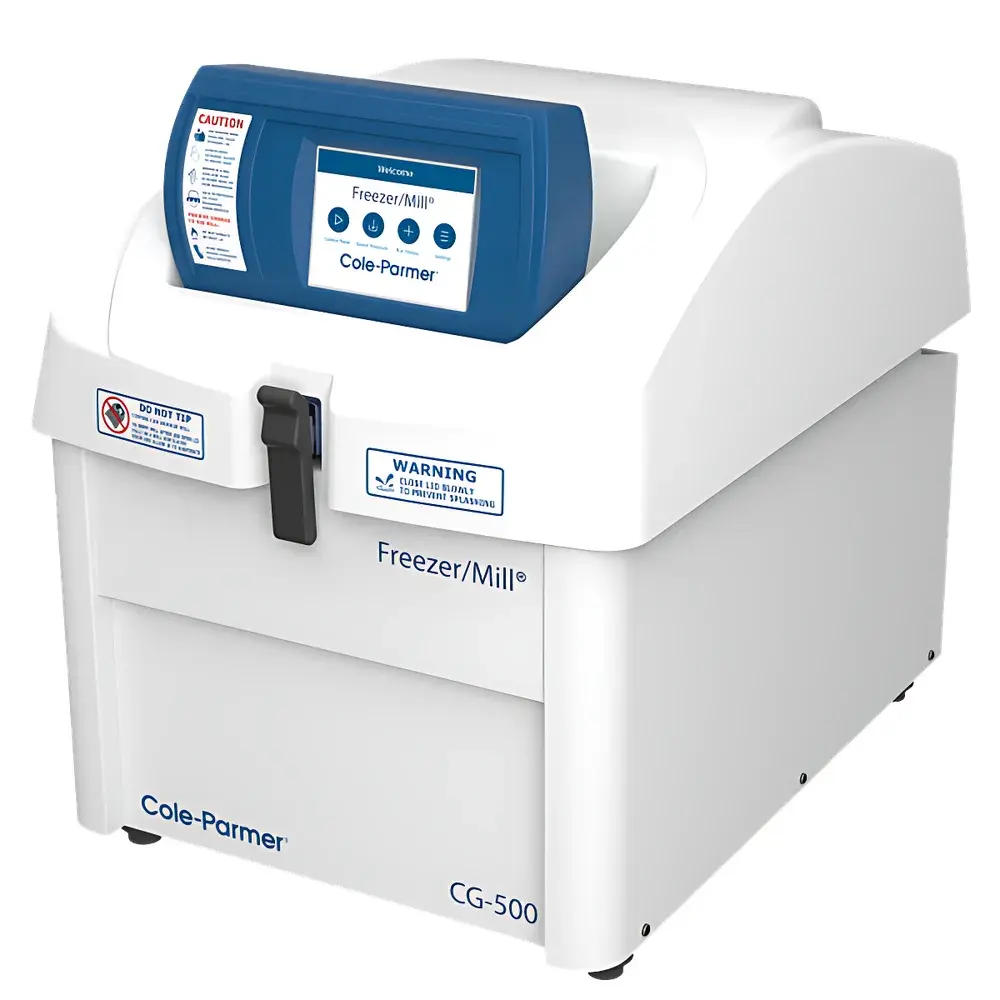
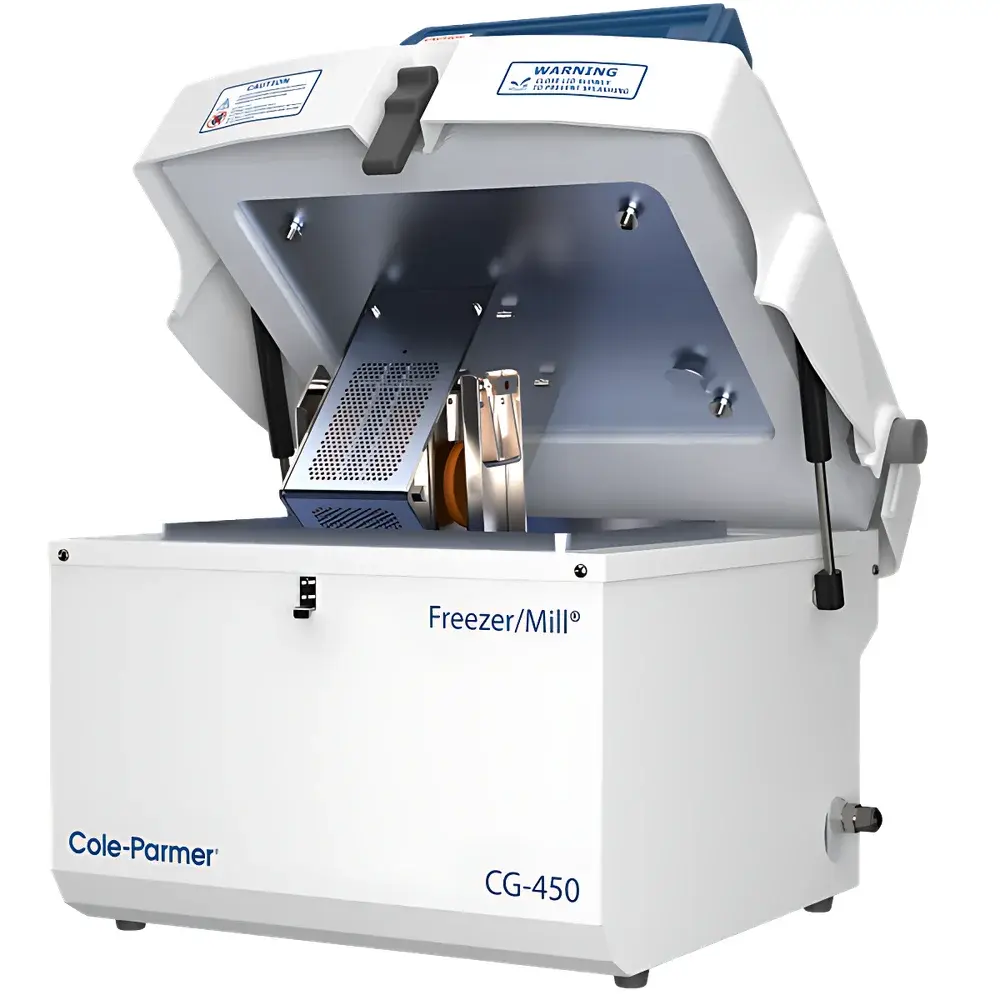
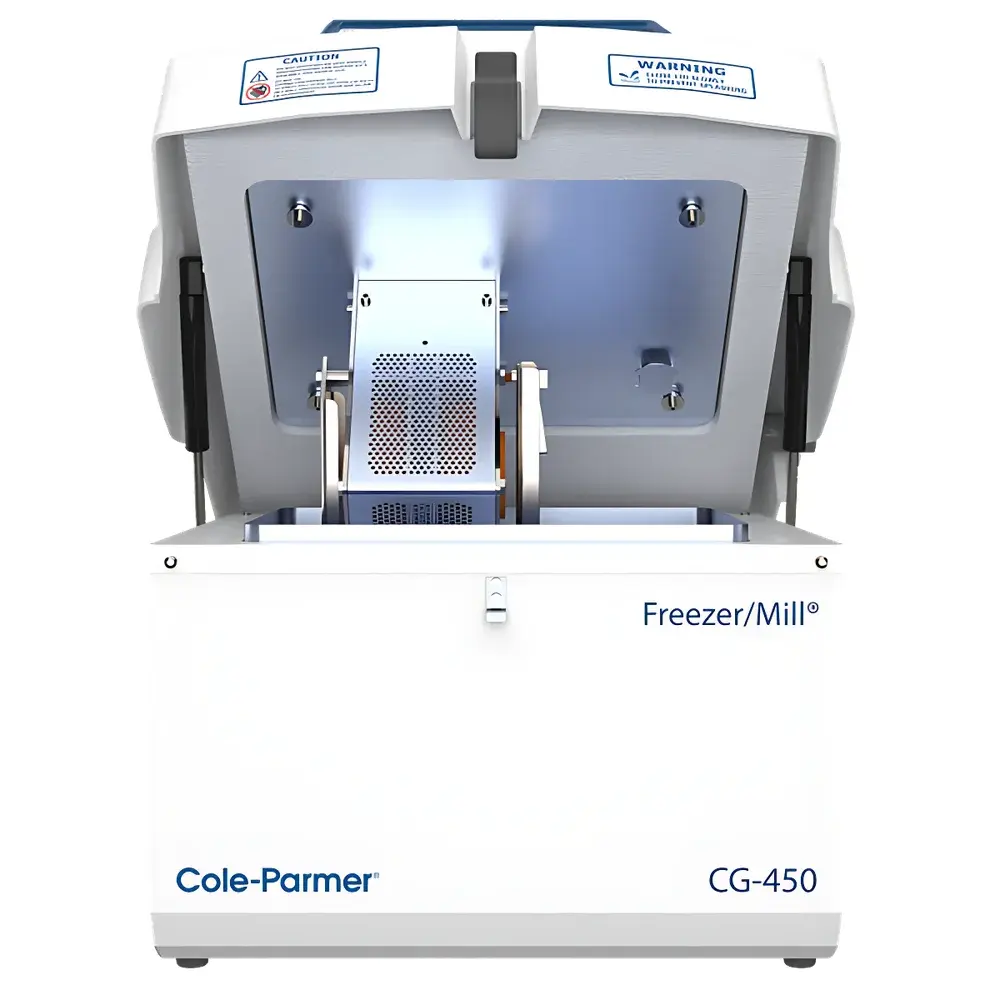
SPEX SamplePrep Freezer/Mill High-Capacity Cryogenic Grinding Mill
| Brand | SPEX SamplePrep |
|---|---|
| Origin | USA |
| Model | Freezer/Mill |
| Type | Electromagnetic Cryogenic Impact Mill |
| Operating Temperature | −196 °C (liquid nitrogen) |
| Max. Sample Capacity | 100 g |
| Cooling Time | ≤4.5 min to −196 °C |
| Compliance | CE, RoHS, WEEE, CPSIA/HR4040, FDA-aligned GLP data integrity practices |
Overview
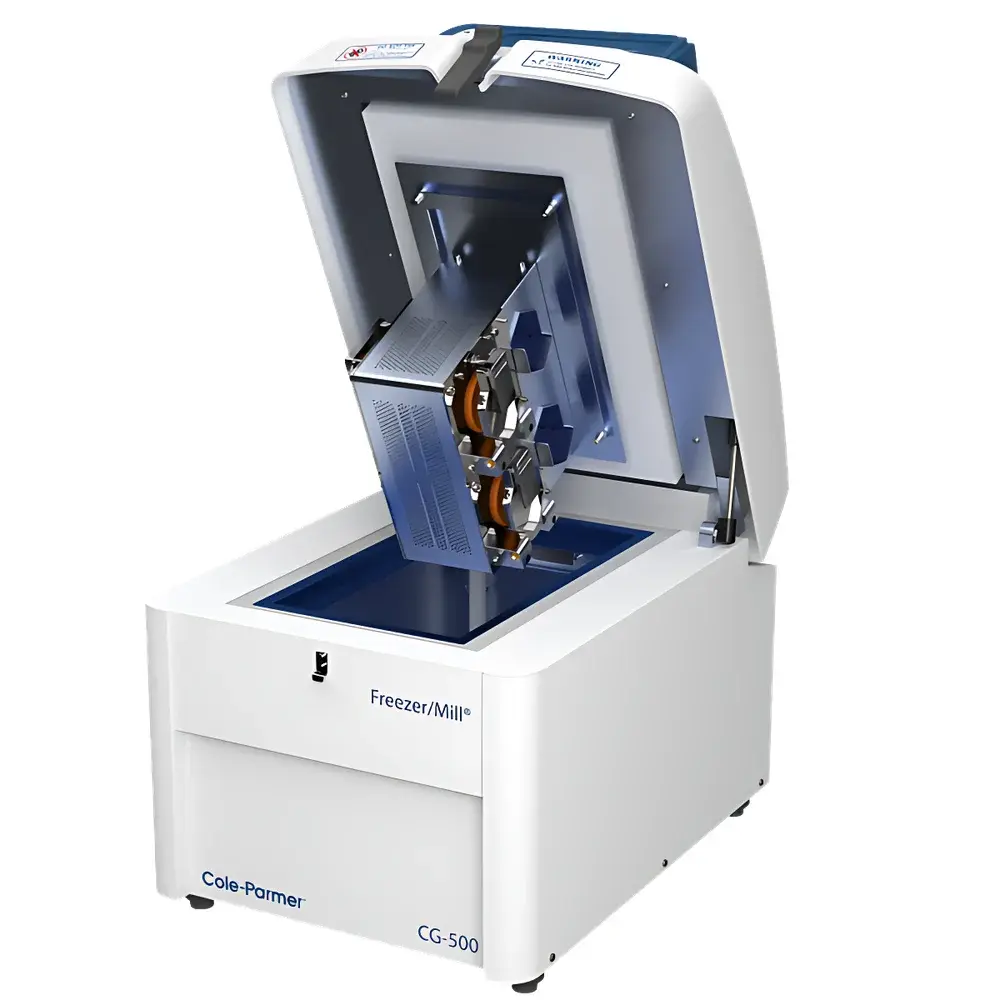
The SPEX SamplePrep Freezer/Mill is a high-capacity electromagnetic cryogenic impact mill engineered for reproducible, contamination-free sample homogenization under ultra-low-temperature conditions. Unlike conventional ball mills or blade grinders, the Freezer/Mill employs a patented electromagnetic drive system that oscillates a hardened steel impactor within a sealed, liquid nitrogen–cooled grinding vial. This mechanism delivers high-energy, directional impacts—rather than tumbling or shearing—enabling rapid, controlled fragmentation of materials that are otherwise ductile, elastic, thermolabile, or structurally heterogeneous at ambient temperatures. The core principle relies on cryo-embrittlement: immersion in liquid nitrogen (−196 °C) reduces molecular mobility and increases brittleness across diverse matrices—including biological tissues, polymers, minerals, and pharmaceuticals—thereby permitting mechanical disintegration without thermal degradation, enzymatic activity, or volatile loss. Designed for rigorous laboratory environments, the Freezer/Mill serves as a foundational tool in analytical workflows where sample integrity, compositional fidelity, and inter-sample reproducibility are non-negotiable.
Key Features
- Electromagnetic impactor drive system eliminates rotating shafts, bearings, or gear trains—reducing mechanical wear and enhancing long-term operational stability.
- Real-time cryogenic operation: achieves −100 °C in under 60 seconds and full −196 °C equilibrium in ≤4.5 minutes, with continuous temperature maintenance during grinding cycles.
- Modular vial architecture: supports interchangeable grinding vessels (micro, small, medium, large) constructed from stainless steel, polycarbonate, or Cr-free stainless steel—each with compatible impactors and caps to meet regulatory requirements (e.g., RoHS, WEEE, CPSIA).
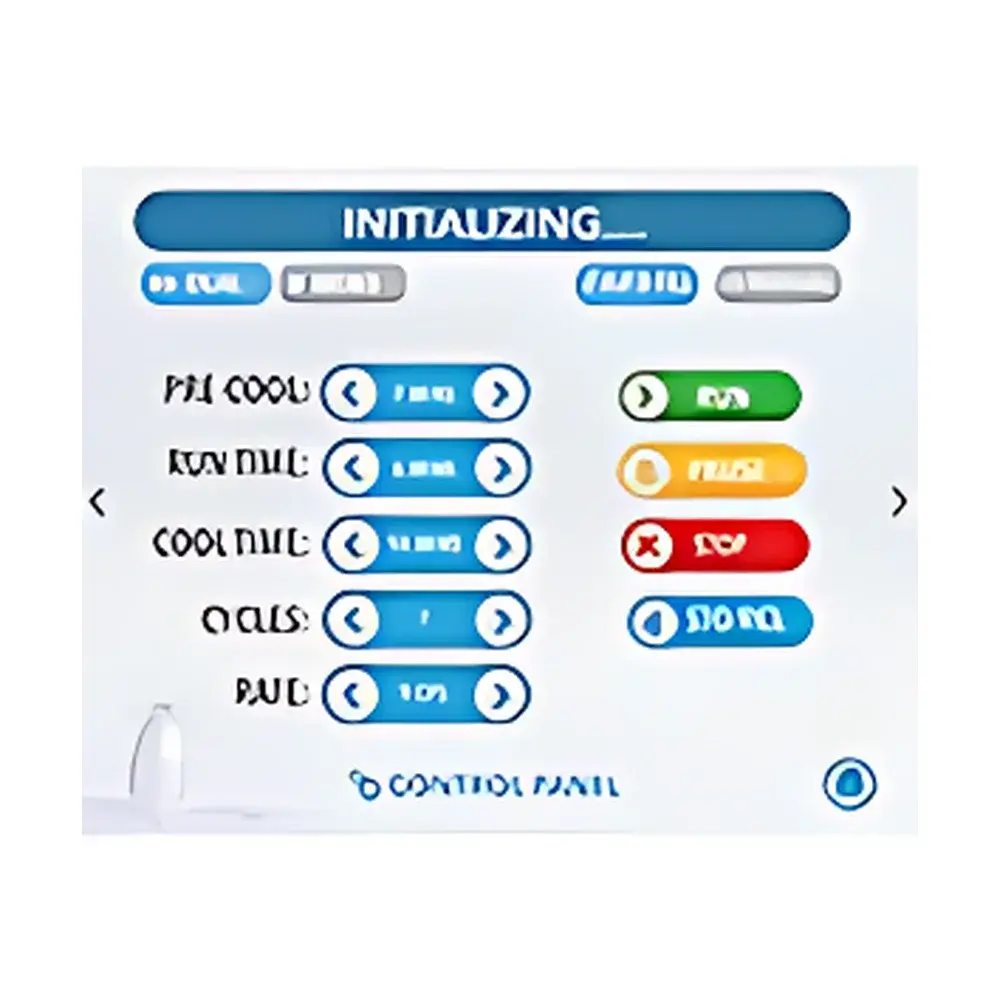
- Intuitive color touchscreen interface with programmable parameters: pre-cool duration, total grind time, cycle count, impact frequency, and auto-restart logic after LN₂ refill.
- Integrated safety systems: liquid nitrogen level sensor with automatic shutdown and alarm; interlocked lid mechanism preventing operation when open; coil overheat protection.
- GLP-supportive data handling: stores up to 20 user-defined methods; USB port enables method export/import, audit log review, and remote diagnostics—compatible with 21 CFR Part 11–aligned electronic record systems when paired with validated LIMS integration.
Sample Compatibility & Compliance
The Freezer/Mill accommodates a broad spectrum of challenging sample types—including bone, teeth, hair, muscle, plant tissue, rubber, thermoplastics, resins, clays, coal, shale, waxes, and pharmaceutical tablets—without compromising structural or chemical integrity. Its cryogenic processing preserves labile biomolecules (e.g., DNA, RNA, proteins), volatile organics, and crystalline phases critical for XRD, GC-MS, ICP-MS, and elemental analysis. Regulatory alignment includes compliance with ASTM D7348 (RoHS screening), ISO 17025–accredited method validation frameworks, USP Analytical Instrument Qualification, and CPSIA HR4040 protocols for lead and phthalate testing in consumer products. Vial material options support trace-metal–free workflows (Cr-free stainless steel) and polymer compatibility studies (polycarbonate-lined impactors), minimizing leaching or catalytic interference.
Software & Data Management
The embedded control firmware supports full parameter logging per run—including start/stop timestamps, LN₂ consumption estimates, impact cycle counts, and thermal stabilization profiles. All method definitions and execution records are timestamped and stored locally with write-protection enabled. USB export enables transfer to laboratory information management systems (LIMS) or electronic lab notebooks (ELN) for audit trail generation. When deployed in regulated environments (e.g., clinical diagnostics, pharmaceutical QA/QC), the system supports ALCOA+ principles through deterministic process control, electronic signature capability (via external authentication), and immutable data archiving—facilitating inspection readiness for FDA, EMA, or ISO 13485 audits.
Applications
This instrument is routinely deployed in forensic anthropology for DNA recovery from degraded skeletal remains (e.g., identification of victims from mass disasters, historical exhumations, or archaeological specimens such as Ötzi the Iceman); in environmental labs for RoHS-compliant plastic screening; in geochemistry for intact clay mineral preparation prior to X-ray diffraction; in space science programs (e.g., NASA lunar sample curation) requiring particulate homogeneity without terrestrial contamination; in pharmacology for metabolite-stable pulverization of thermally sensitive APIs; and in clinical research for sterile bone powder synthesis used in osteoregenerative therapies. Its capacity to retain volatiles also makes it indispensable for petrochemical analysis of shale oil precursors and wax-based formulations.
FAQ
How does the Freezer/Mill differ from conventional ball mills?
It uses linear electromagnetic impact—not rotational motion—eliminating frictional heating and enabling true cryogenic grinding at −196 °C throughout the entire cycle.
Can the system handle hazardous or regulated samples?
Yes. Sealed vials prevent aerosol release; Cr-free and polycarbonate configurations comply with RoHS, WEEE, and CPSIA for heavy metal and phthalate testing.
Is method validation supported?
Yes. Full parameter traceability, repeatable thermal profiles, and programmable cycles enable IQ/OQ/PQ documentation per ISO/IEC 17025 and USP .
What maintenance is required?
No lubrication or bearing replacement is needed; routine inspection focuses on vial integrity, seal condition, and LN₂ delivery line cleanliness.
Does it support GMP/GLP workflows?
When integrated with validated software layers and electronic signatures, it meets data integrity requirements for 21 CFR Part 11 and Annex 11 compliance.



