HuaDuanBio HD-AO10 Wireless Real-Time Dissolved Oxygen & Gaseous Oxygen Concentration Monitoring System
| Brand | HuaDuanBio |
|---|---|
| Origin | Zhejiang, China |
| Manufacturer Type | Original Equipment Manufacturer (OEM) |
| Country of Origin | China |
| Model | HD-AO10 |
| Price | Contact for Quote |
Overview
The HuaDuanBio HD-AO10 Wireless Real-Time Dissolved Oxygen & Gaseous Oxygen Concentration Monitoring System is an engineered solution for precise, non-invasive oxygen monitoring in controlled microbial and cell culture environments. Designed specifically for anaerobic and microaerophilic applications—such as clinical microbiology isolation, biopharmaceutical process development, and academic research—the system employs optical fluorescence quenching technology to quantify oxygen partial pressure (pO₂) in headspace gas or liquid-phase media. Unlike electrochemical sensors, the HD-AO10 does not consume O₂ during measurement, ensuring zero perturbation to the sample’s gaseous composition or redox balance. This principle aligns with ISO 8655-7 (volumetric apparatus calibration) and ASTM D882-22 (oxygen permeability testing standards) in terms of measurement integrity and traceability. The system delivers continuous, real-time readings across a 0–25% v/v O₂ range, supporting both static incubators and dynamic bioreactor workflows where environmental fidelity is critical for strain viability, metabolic profiling, and regulatory compliance.
Key Features
- Non-consumptive fluorescence-based sensing: No oxygen depletion, no electrolyte leakage, no polarization delay—ideal for long-term, unattended monitoring.
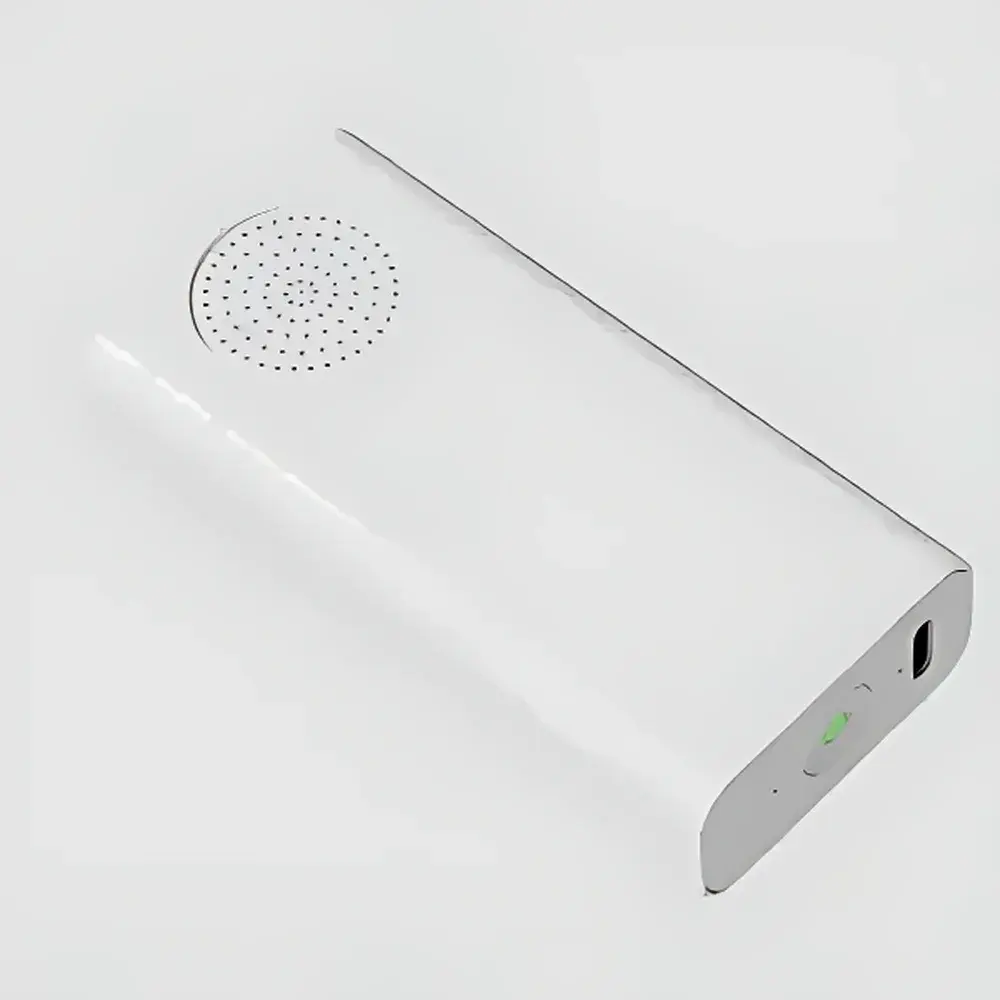
- Integrated tri-parameter detection: Simultaneous acquisition of oxygen concentration (% O₂), ambient temperature (°C), and relative humidity (% RH) within the same sensor head.
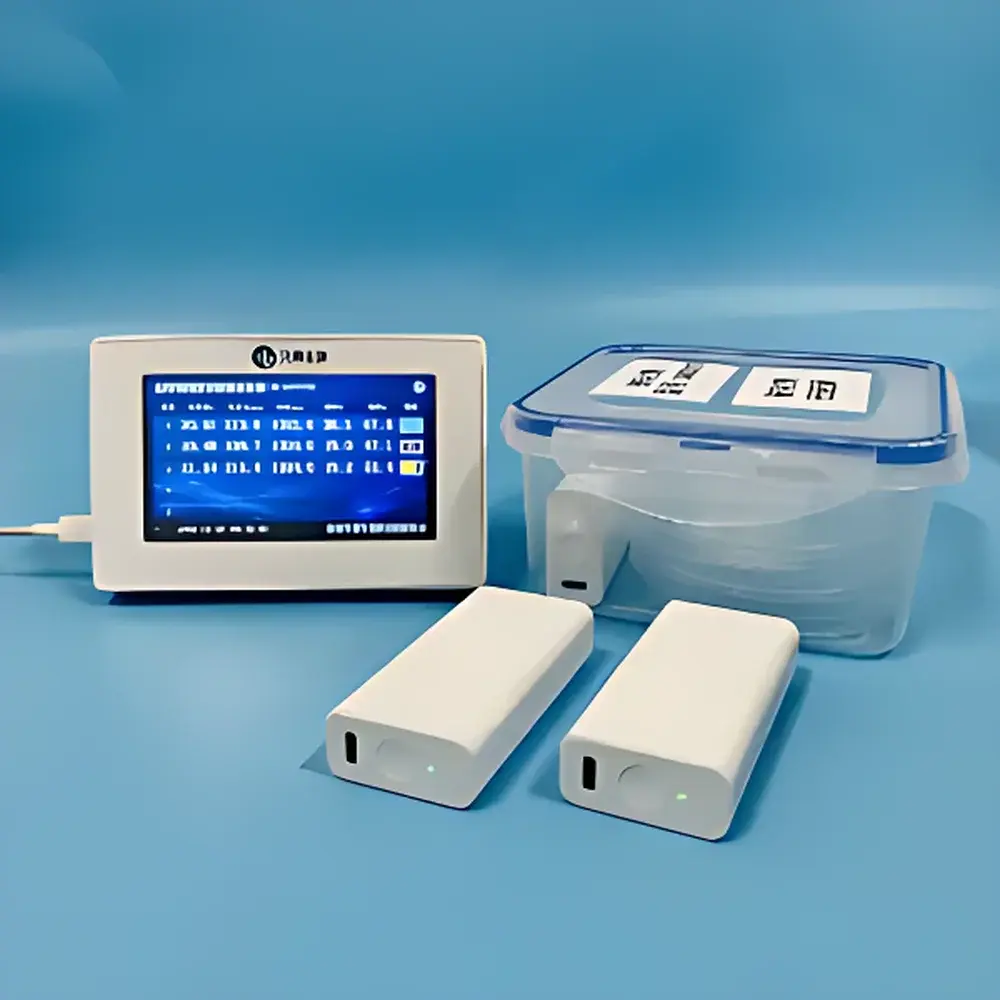
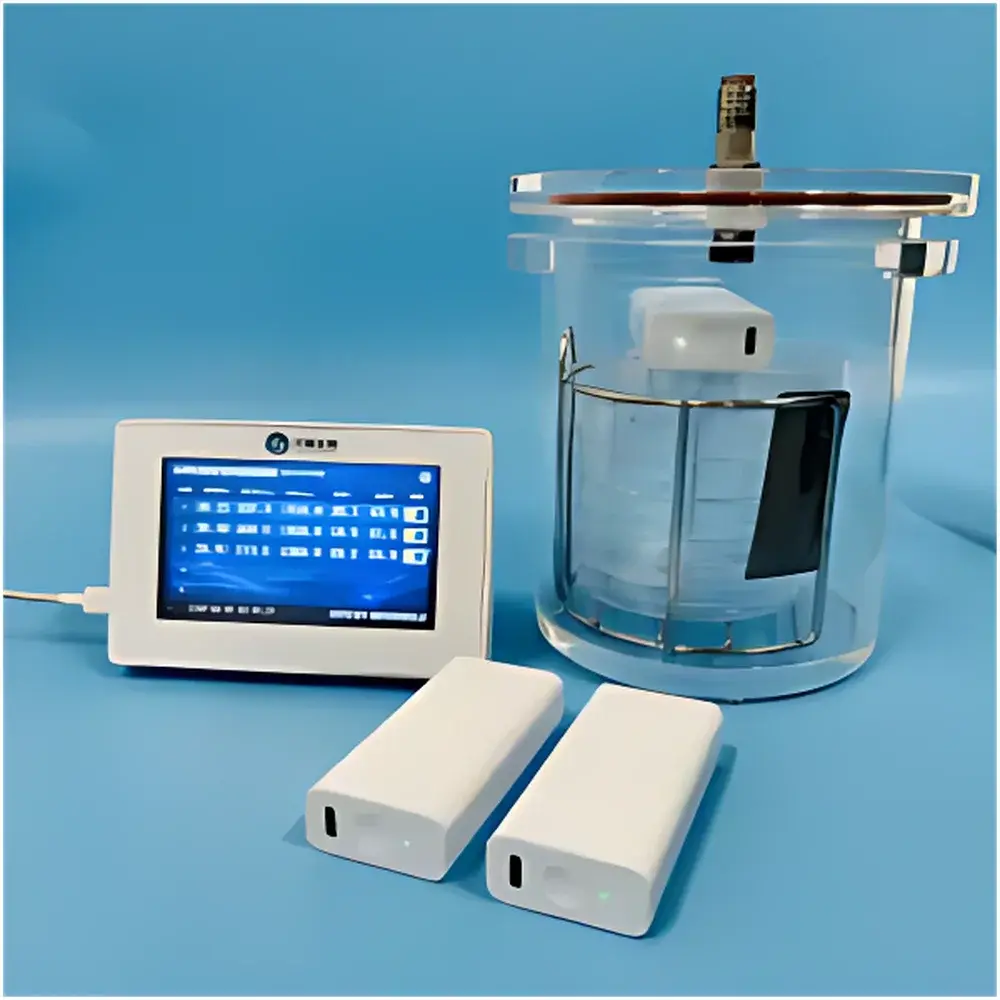
- Modular multi-channel architecture: Base unit supports up to five independent wireless sensor nodes; scalable via RS485/Modbus RTU interface for integration into larger lab automation networks.
- Dual-core embedded processing: Cortex-M3 microcontroller paired with high-speed FPGA enables real-time data fusion, on-device filtering, and deterministic response latency (<100 ms).
- Self-calibrating firmware: Automatic zero-point and span calibration at power-on using ambient air reference—eliminates manual calibration drift and regional atmospheric pressure dependency.
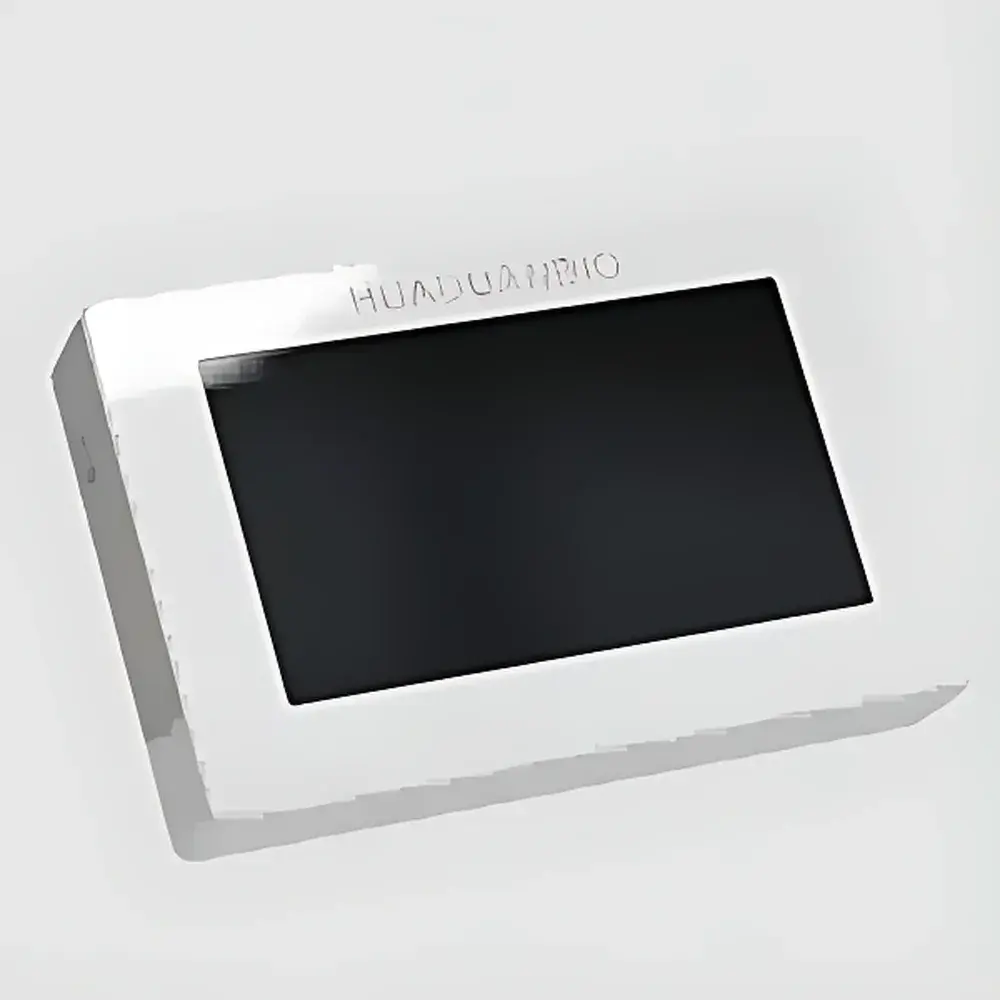
- Intuitive human-machine interface: 4.3-inch capacitive touchscreen with graphical trend visualization, alarm threshold configuration, and touch-enabled navigation compliant with IEC 62366-1 usability engineering requirements.
Sample Compatibility & Compliance
The HD-AO10 is validated for use with standard clinical and research-grade anaerobic chambers (e.g., Don Whitley Scientific A35, Baker Ruskinn CO₂/O₂ Workstations), modular incubators (e.g., Thermo Fisher Heracell), and custom-built bioreactor vessels. Its compact, IP65-rated sensor module (Ø22 mm × 45 mm) fits through standard septum ports and integrates seamlessly into sealed culture systems without compromising sterility. All firmware and data handling comply with FDA 21 CFR Part 11 requirements for electronic records and signatures—including audit trail logging, user authentication, and immutable data storage on encrypted SD cards. Device design adheres to IEC 61010-1 (safety of laboratory equipment) and IEC 61326-1 (EMC for measurement devices), supporting GLP/GMP-aligned validation protocols including IQ/OQ/PQ documentation templates.
Software & Data Management
Data is stored locally on removable microSD cards (up to 32 GB) with timestamped .CSV and binary log formats. Optional PC software (Windows/macOS/Linux) provides advanced analysis tools: overlayed multi-channel time-series plots, derivative-based event detection (e.g., onset of anaerobiosis), and export to LIMS-compatible XML or HL7 v2.5 messages. The Modbus RTU protocol ensures interoperability with SCADA systems, LabVIEW, and Python-based control stacks (via PyModbus). All data exports include embedded metadata: sensor serial ID, firmware version, calibration history, and environmental context tags—enabling full traceability per ISO/IEC 17025:2017 clause 7.5.2.
Applications
- Clinical microbiology: Real-time verification of anaerobic chamber performance during Clostridioides difficile, Bacteroides spp., and Fusobacterium isolation per CLSI M45-A3 guidelines.
- Cell therapy QC: Monitoring O₂ gradients in mesenchymal stem cell expansion bioreactors to prevent oxidative stress-induced senescence.
- Fermentation R&D: Mapping microaerobic transitions in recombinant E. coli cultures expressing oxygen-sensitive enzymes (e.g., nitrogenase, P450 monooxygenases).
- Antimicrobial susceptibility testing: Correlating oxygen tension with metronidazole efficacy against obligate anaerobes under standardized conditions (CLSI M11-A9).
- Environmental microbiology: Field-deployable tracking of O₂ depletion kinetics in sediment microcosms or wastewater biofilm reactors.
FAQ
What oxygen measurement principle does the HD-AO10 use, and why is it preferred over electrochemical sensors?
It utilizes solid-state fluorescence quenching—where molecular oxygen modulates the lifetime and intensity of a ruthenium-based luminophore. This method eliminates oxygen consumption, electrode fouling, and warm-up drift inherent in Clark-type sensors.
Can the system be integrated into existing laboratory information management systems (LIMS)?
Yes—via Modbus RTU over RS485 or optional Ethernet gateway, enabling direct ingestion of calibrated O₂, temperature, and humidity streams into LIMS or MES platforms.
Is the sensor suitable for liquid-phase (dissolved oxygen) measurements?
The HD-AO10 is optimized for headspace gas-phase monitoring; for aqueous DO, HuaDuanBio offers the HD-DO series with sterilizable optical probes compliant with USP <788> particulate matter testing requirements.
How is data integrity ensured during extended unattended operation?
All measurements are timestamped with internal RTC (±2 ppm accuracy), logged with cyclic redundancy check (CRC-32), and backed up redundantly across onboard flash and SD card—meeting ALCOA+ data governance criteria.
Does the system support remote firmware updates and diagnostic telemetry?
Firmware updates are performed via secure USB-C DFU mode; diagnostic logs (sensor health, battery voltage, signal SNR) are accessible through the web-based configuration portal (HTTPS/TLS 1.2).