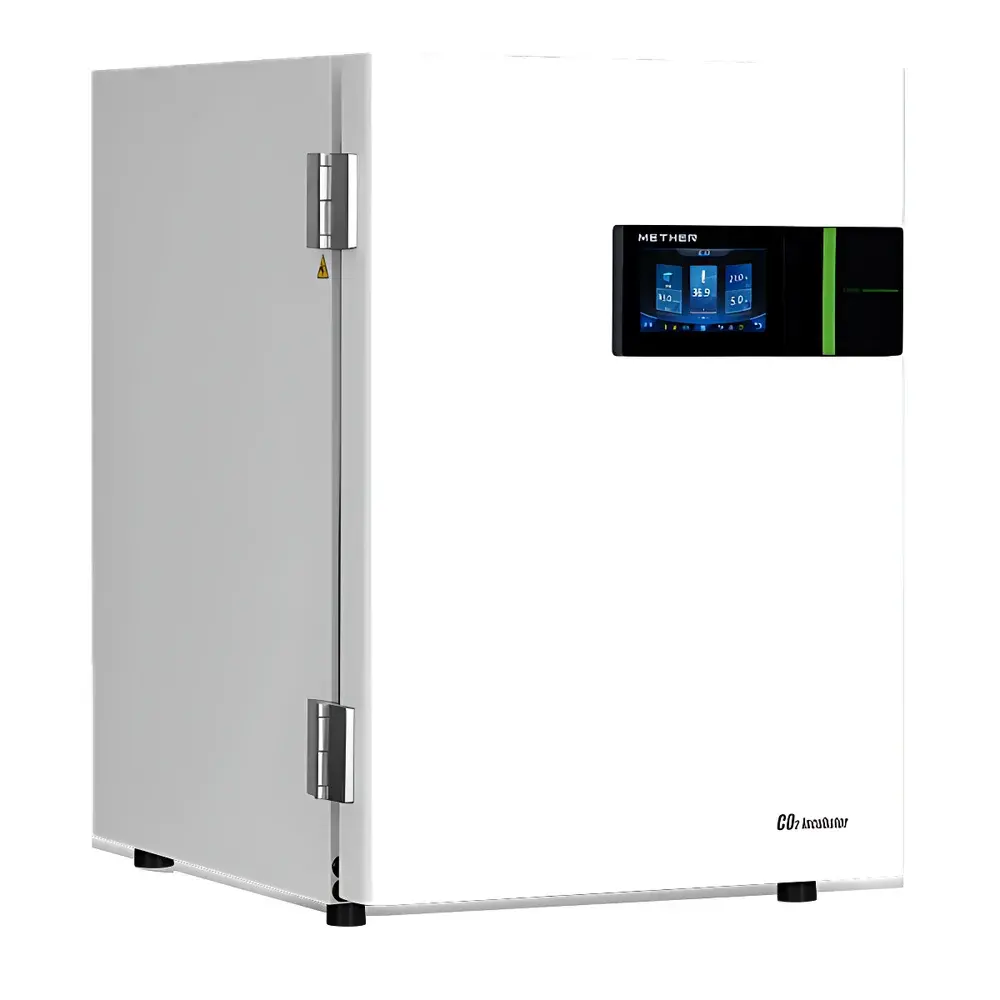
Zhongke Duling MCP-170H Carbon Dioxide Incubator
| Brand | Zhongke Duling (Duling) |
|---|---|
| Origin | Anhui, China |
| Manufacturer Type | Authorized Distributor |
| Country of Origin | China |
| Model | MCP-170H |
| Temperature Control Range & Accuracy | +3°C to 55°C, <±0.1°C |
| Temperature Uniformity | ≤±0.3°C |
| Humidity Control Range & Accuracy | 91–94% RH |
| Chamber Volume | 170 L |
| CO₂ Concentration Range | 0–20% |
| CO₂ Control Accuracy | ±0.1% |
| Heating Method | Direct-heating Air-jacketed |
| Humidification | Integrated 3-L Water Reservoir |
| Sterilization | 180°C Dry-Heat |
| Max Power Consumption | 1100 W |
| Interior Material | Electropolished Stainless Steel |
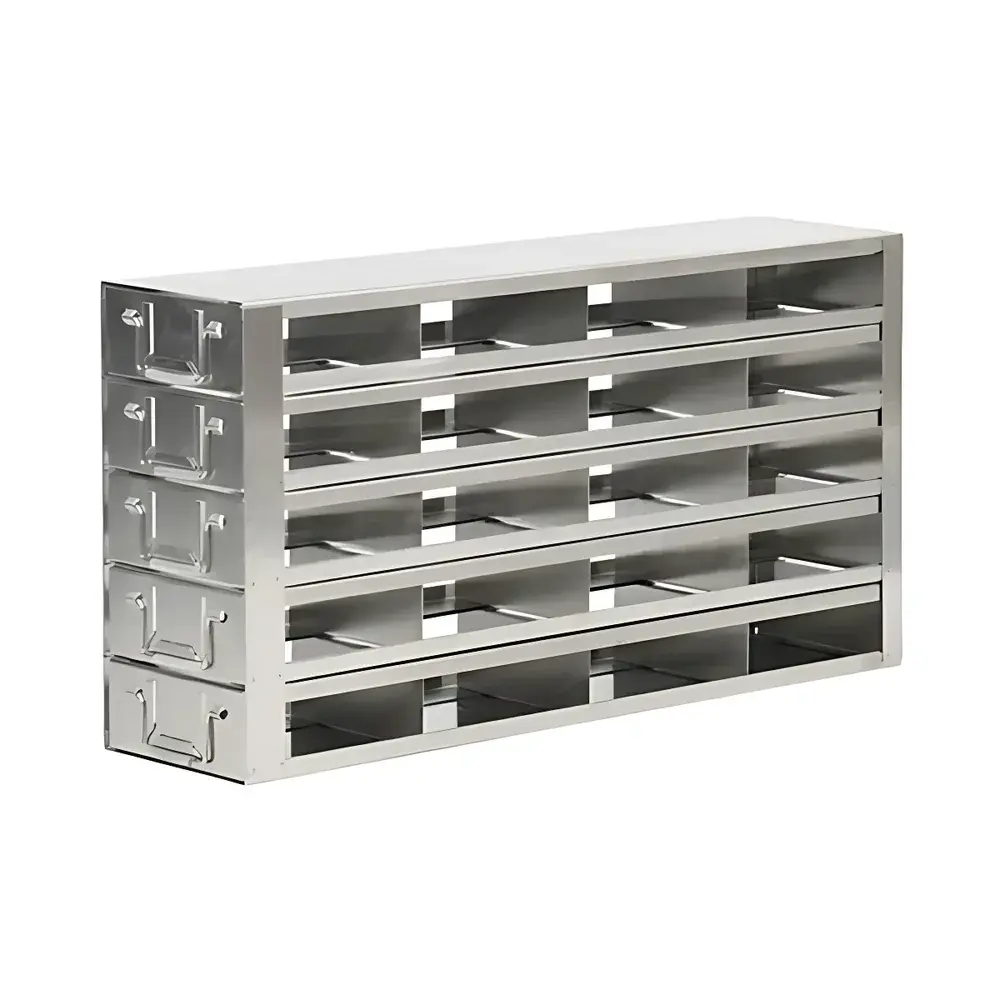
| Standard Shelves | 3 (max. 7 optional) |
| Shelf Load Capacity | 12 kg per shelf |
| Alarm Functions | Ambient Temp, Chamber Temp, CO₂ Level, Water Level |
Overview
The Zhongke Duling MCP-170H Carbon Dioxide Incubator is an engineered environmental control system designed for reliable, long-term cultivation of mammalian cells, primary cultures, and other CO₂-sensitive biological specimens in academic research laboratories, clinical diagnostics, and pharmaceutical development settings. It operates on a direct-heating air-jacketed principle—where independent heating elements surround the chamber walls—to deliver rapid thermal response, minimal temperature overshoot, and exceptional spatial uniformity across the full 170 L working volume. The incubator maintains precise atmospheric conditions through PID-controlled CO₂ regulation (0–20% range), high-fidelity thermal management (+3°C to 55°C, <±0.1°C accuracy), and stable humidity maintenance (91–94% RH) via a sealed, integrated 3-liter water reservoir. Its electropolished stainless-steel interior minimizes surface micro-roughness, reducing microbial adhesion and facilitating effective decontamination during routine 180°C dry-heat sterilization cycles.
Key Features
- Air-jacketed direct-heating architecture: Eliminates reliance on water jackets while ensuring fast recovery after door openings and consistent thermal distribution (≤±0.3°C uniformity).
- TC-type thermal conductivity CO₂ sensor: Imported copper-encapsulated sensor with built-in heater to prevent condensation; supports automatic calibration routines without manual intervention or sensor removal.
- HEPA filtration system: Continuous recirculation of chamber air through a certified HEPA filter (≥99.99% @ 0.3 µm); ISO Class 5 (equivalent to Grade A / 100) cleanroom conditions restored within 5 minutes after a 30-second door opening.
- Intuitive 7-inch LCD touch interface: Graphical user interface supporting multi-point parameter logging, real-time trend visualization, and programmable setpoint profiles—including ramp-hold sequences for differentiation studies.
- Double-glazed tempered glass inner door: Enables non-invasive visual monitoring without compromising chamber integrity or thermal/humid stability.
- Integrated sampling port: Allows in-situ verification of internal CO₂ concentration, temperature, and relative humidity using external calibrated probes—critical for audit-ready validation workflows.
Sample Compatibility & Compliance
The MCP-170H accommodates standard T-flasks (up to 225 cm²), Petri dishes, multi-well plates, roller bottles, and custom bioreactor vessels across up to seven configurable stainless-steel shelves (standard configuration: three). Its electropolished interior surface meets ASTM F2623-20 standards for biomaterial-compatible finishes, minimizing protein adsorption and biofilm formation. The unit complies with IEC 61010-1:2010 for laboratory equipment safety and incorporates redundant safety mechanisms—including overtemperature cutoff, CO₂ overpressure relief, and low-water-level shutdown—to support GLP and GMP-aligned operational protocols. While not FDA 510(k)-cleared as a medical device, its design aligns with ISO 13485 quality system expectations for ancillary lab instrumentation used in regulated life science environments.
Software & Data Management
Data acquisition and system supervision are managed via embedded firmware supporting RS-232/RS-485 serial output and optional Ethernet connectivity (via add-on module). All operational parameters—including temperature, CO₂ concentration, humidity, door status, alarm events, and sterilization cycle logs—are timestamped and stored internally for ≥30 days. Exportable CSV files enable traceability for internal SOP documentation and external audit preparation. The system supports 21 CFR Part 11-compliant user access levels (administrator, operator, viewer) when paired with validated third-party LIMS or ELN platforms. Audit trails record all parameter modifications, calibration actions, and alarm acknowledgments with immutable timestamps and operator IDs.
Applications
- Mammalian cell line expansion (e.g., CHO, HEK293, HeLa) under controlled 5% CO₂ and 37°C conditions.
- Stem cell maintenance requiring strict avoidance of pH drift and thermal microgradients.
- Microbiological co-culture experiments involving oxygen-sensitive anaerobes alongside aerobic eukaryotic hosts.
- Long-duration cytotoxicity assays where humidity stability prevents medium evaporation-induced osmolarity shifts.
- Pre-clinical tissue engineering workflows utilizing scaffold-based 3D cultures demanding sterility assurance and environmental reproducibility.
FAQ
Is the CO₂ sensor replaceable without system recalibration?
Yes—the TC-type sensor is field-replaceable and retains factory calibration coefficients in non-volatile memory. Post-replacement, a single-point zero-air calibration suffices for routine operation.
Can the incubator be validated per IQ/OQ/PQ protocols?
Yes—its digital interface exports raw sensor data at 10-second intervals, and physical ports allow connection to external dataloggers. Documentation packages including URS, FAT reports, and test templates are available upon request.
What is the recommended maintenance interval for HEPA filter replacement?
Under continuous operation with daily door openings (<5×/day), the HEPA filter should be replaced every 12 months. Filter life may be extended with rigorous pre-filter cleaning and ambient air quality monitoring.
Does the unit support remote monitoring via network?
Standard configuration includes RS-485 Modbus RTU output. Optional Ethernet/WiFi gateway modules enable integration into building management systems (BMS) or centralized lab infrastructure dashboards.
Is dry-heat sterilization compatible with all internal components?
Yes—all structural and sealing materials—including gaskets, sensors, and fan assemblies—are rated for sustained exposure to 180°C, enabling full-chamber decontamination without disassembly.