
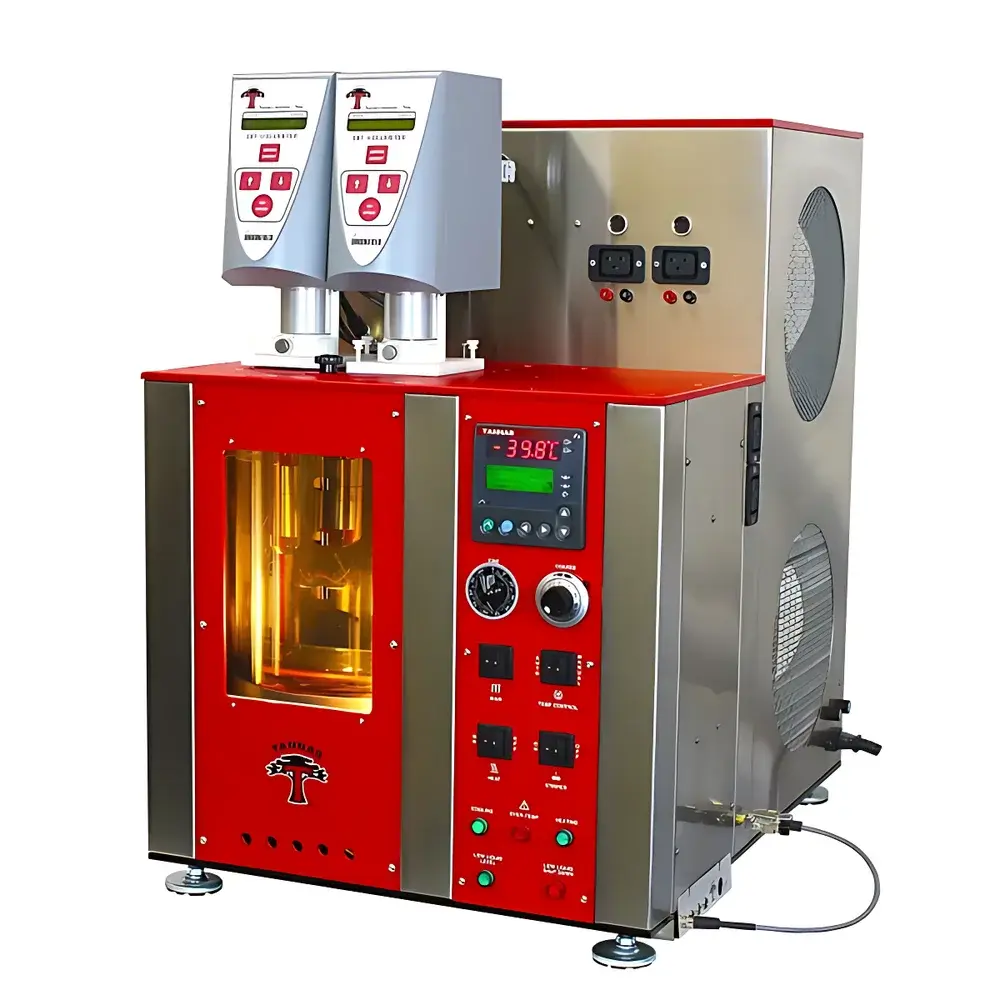
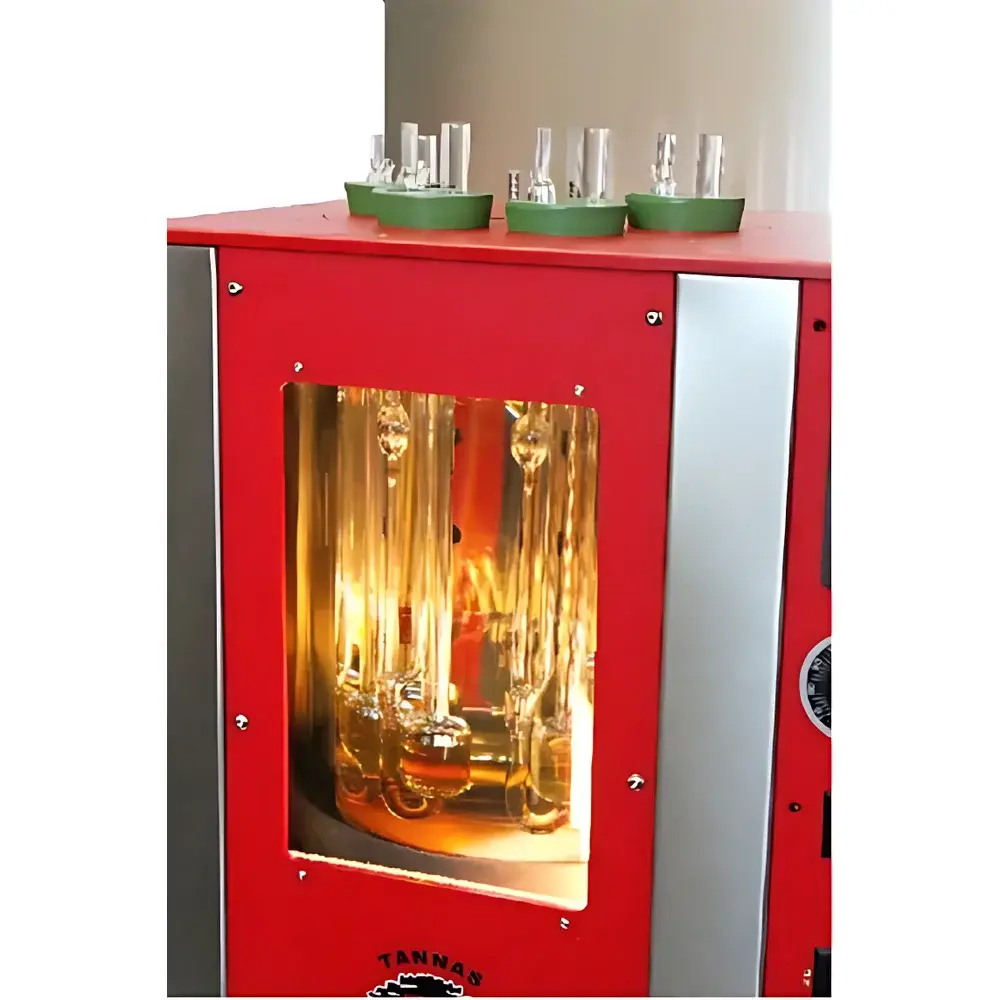
Tannas&King SB+2 Multi-Function Liquid Bath System
| Brand | Tannas&King |
|---|---|
| Origin | USA |
| Manufacturer Status | Authorized Distributor |
| Product Category | Imported Laboratory Instrument |
| Model | SB+2 |
| Application Scope | Lubricating Oil & Low-Temperature Fluid Characterization |
| Compliance Standards | ASTM D5133, D7110, D2983, D4684, D445, D97, D2500 |
| Temperature Range | +30 °C to –70 °C |
| Temperature Control Accuracy | ±0.1 °C (programmed), ±0.03 °C (manual) |
| Cooling Rate | 1 °C/h (for Brookfield Scan/Gel Index), Isothermal for Brotz–Feldt Viscosity |
| Bath Medium | Methanol (temperature-dependent) |
| Dimensions (W×D×H) | 48 × 61 × 69 cm |
| Net Weight | ~86 kg |
| Power Supply | 220 VAC, 50/60 Hz |
| Safety Certifications | CE |
| Transport Weight (Bath Unit) | ~123 kg |
| Transport Dimensions (Bath Unit) | 66 × 59 × 122 cm |
Overview
The Tannas&King SB+2 Multi-Function Liquid Bath System is an engineered platform for low-temperature rheological and thermal transition characterization of lubricating oils, base stocks, and functional fluids. Designed around the principles of controlled bath immersion and precision thermal ramping, the SB+2 integrates dual-stage refrigeration with programmable temperature profiling to support standardized test methods rooted in rotational viscometry, gel index determination, and thermal boundary detection. Its architecture enables direct implementation of ASTM D5133 (Brookfield Scan), ASTM D7110 (Low-Temperature Gelation), ASTM D2983 (Brotz–Feldt Viscosity), and ASTM D4684 (MRV-TP1), making it a core instrument in lubricant formulation labs, OEM fluid qualification centers, and third-party testing facilities operating under ISO/IEC 17025 or API Q1 frameworks.
Key Features
- Dual-stage refrigeration system delivering stable operation from +30 °C down to –70 °C, with independent thermal management for simultaneous or sequential multi-method execution.
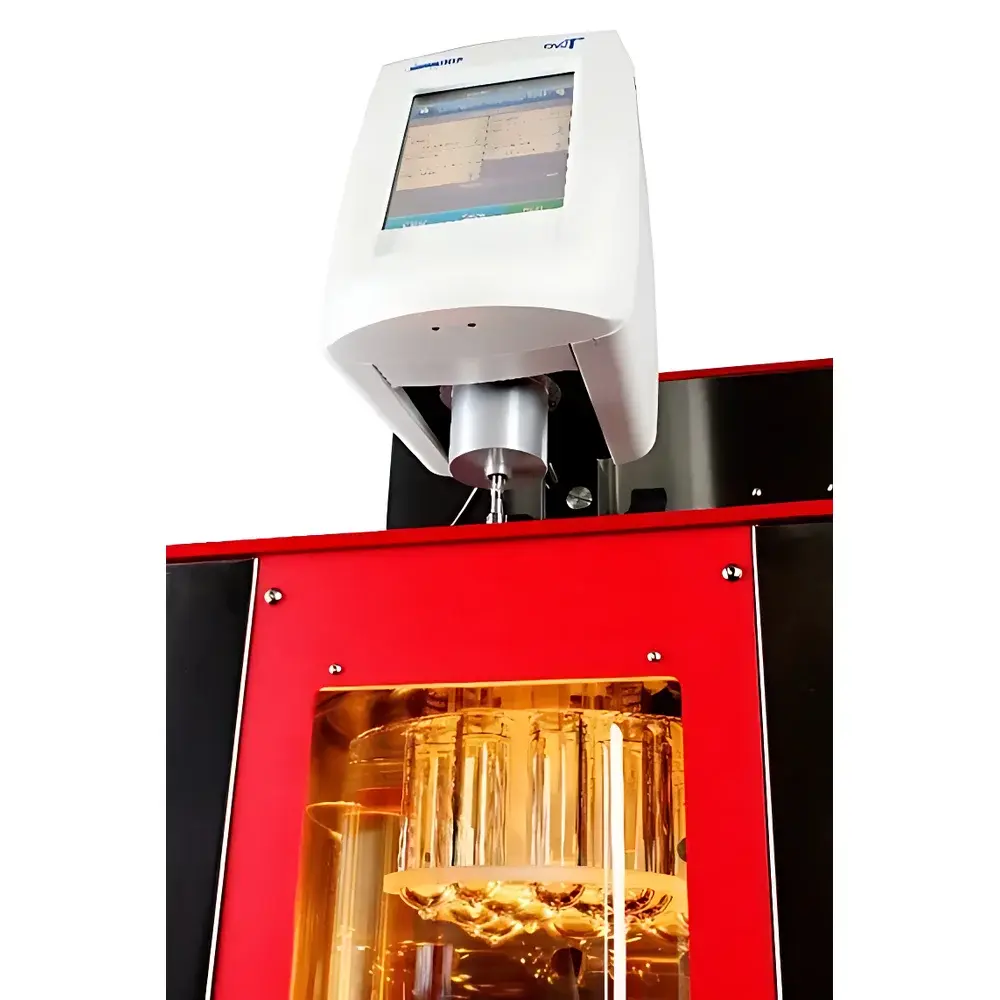
- Modular test head design supporting five interchangeable measurement modules: Brookfield Scan/Gel Index, Brotz–Feldt viscosity, MRV-TP1, pour point (ASTM D97), and cloud point (ASTM D2500).
- High-transparency viewing window enabling real-time visual monitoring of sample phase behavior during cooling ramps — critical for detecting gel onset, wax crystallization, and phase separation.
- Two-mode temperature control: fully programmable ramp-and-hold profiles (±0.1 °C accuracy) and high-resolution manual fine-tuning (±0.03 °C), both traceable via internal Pt100 sensor array.
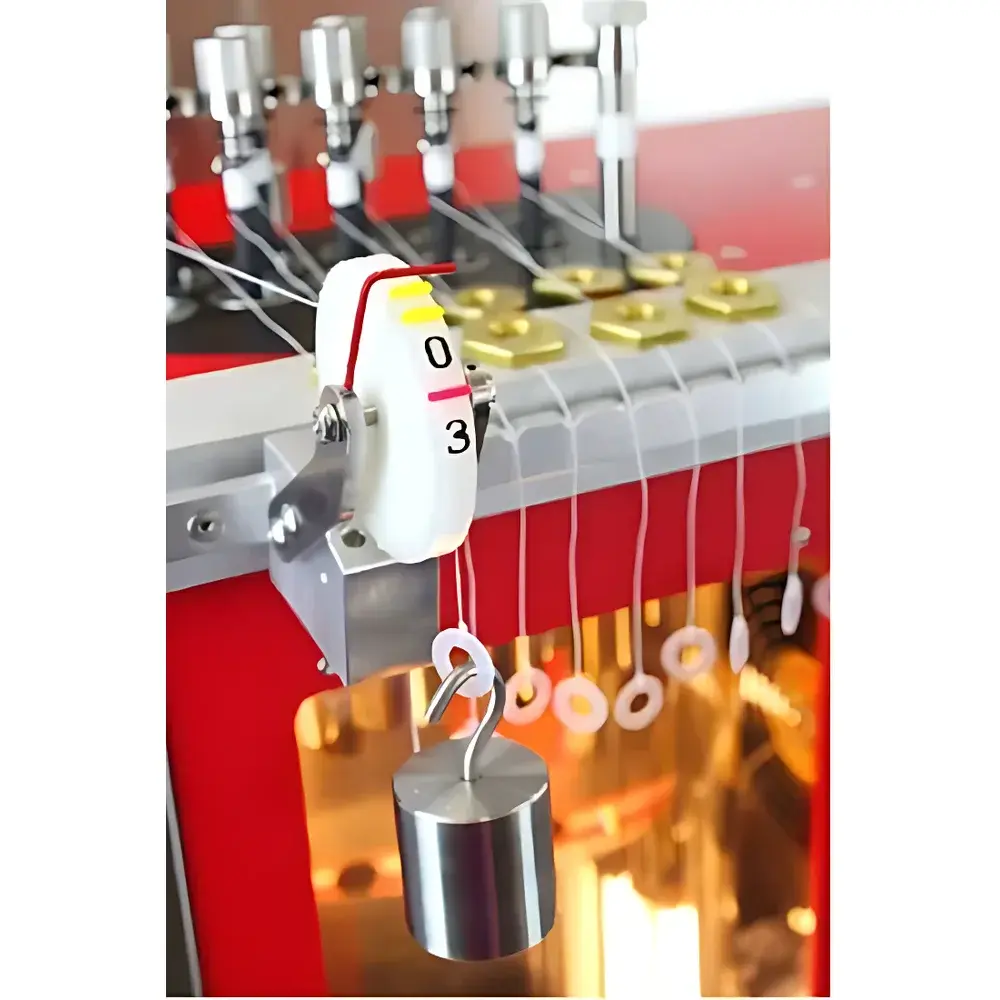
- Material-optimized rotor–stator assemblies: titanium rotors for Brookfield Scan/gel index; non-thermally conductive rotors and SimAir™ hollow glass spindles for Brotz–Feldt measurements — minimizing parasitic heat transfer and ensuring representative low-temperature viscosity response.
- Integrated safety interlocks including high-pressure cut-off, low-bath-level detection, and automatic shutdown on thermal deviation exceeding user-defined thresholds.
Sample Compatibility & Compliance
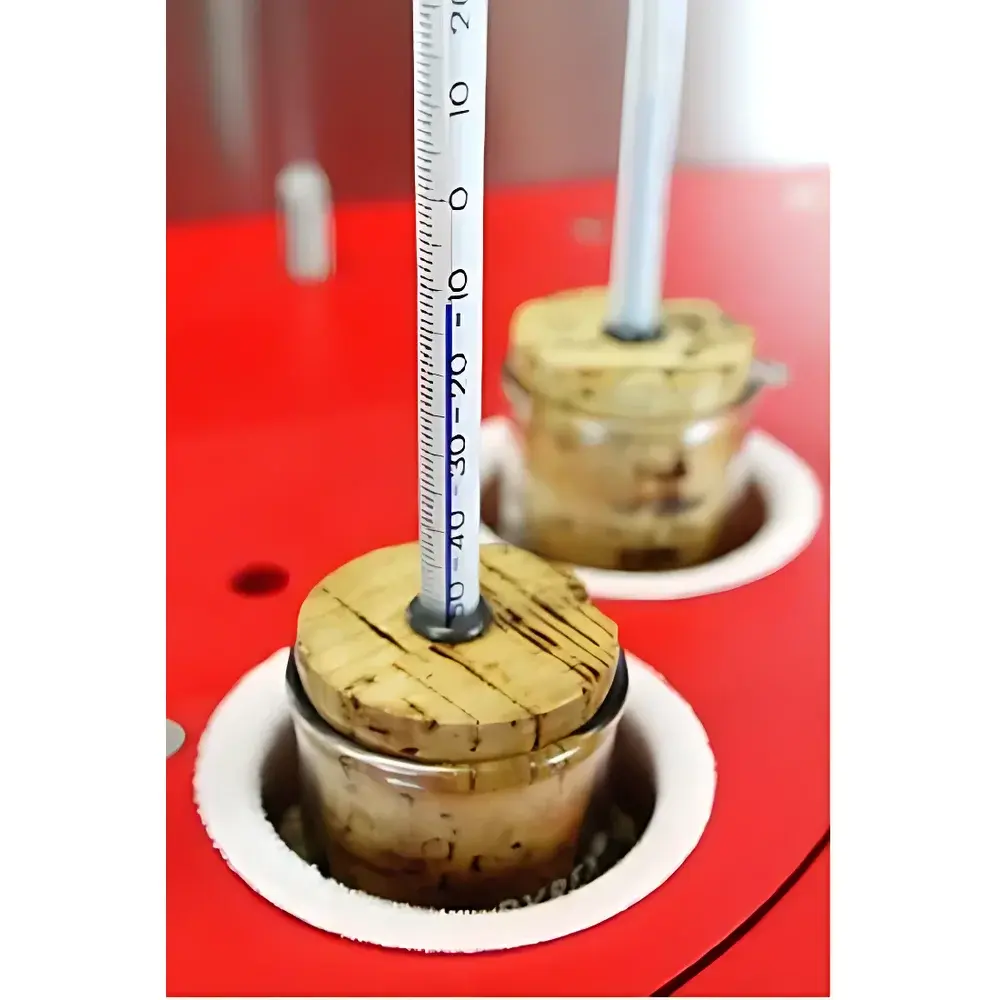
The SB+2 accommodates standard ASTM sample containers (e.g., 100-mL glass jars for D5133, 60-mL tubes for D2983) and supports viscous, paraffinic, naphthenic, and synthetic base oil formulations across SAE viscosity grades. All operational parameters align with the metrological requirements of ASTM D5133 Annex A1 (temperature calibration traceability), ASTM D7110 Section 7 (cooling rate validation), and ISO 17025 Clause 6.4.2 (environmental condition monitoring). The system meets CE marking requirements for electromagnetic compatibility (EN 61326-1) and low-voltage safety (EN 61010-1), and its control firmware supports audit-ready logging for GLP/GMP environments.
Software & Data Management
The SB+2 operates via embedded microcontroller-based firmware with RS-232/USB connectivity for external data acquisition. Optional PC-based software provides synchronized temperature–torque–time profiling, automated pass/fail evaluation per method-specific criteria (e.g., torque inflection threshold for gel point per D5133), and export of raw datasets in CSV and ASTM-compliant .txt formats. All thermal and mechanical events are timestamped and logged with operator ID, method version, and calibration certificate references — fulfilling FDA 21 CFR Part 11 requirements when deployed with validated electronic signature modules.
Applications
- Low-temperature flow assurance of engine oils, gear oils, and hydraulic fluids during cold-start simulation.
- Gel index quantification for multigrade formulations containing viscosity index improvers (VIIs) and wax crystal modifiers.
- MRV-TP1 compliance testing for heavy-duty diesel engine oils (API CK-4, FA-4).
- Correlation studies between pour point (D97), cloud point (D2500), and rheological arrest temperature (D5133).
- Accelerated aging and thermal stability assessment of bio-based lubricants under sub-zero thermal cycling.
FAQ
What bath medium is recommended for operation below –40 °C?
Methanol is specified for full-range operation; its low freezing point (–97 °C) and favorable thermal conductivity ensure uniform heat exchange without solidification or viscosity-induced stratification.
Can the SB+2 perform ASTM D445 kinematic viscosity measurements?
No — the SB+2 is not configured for capillary viscometry; however, it serves as the certified temperature-controlled bath for ASTM D445 reference baths when used with calibrated Ubbelohde or Cannon–Fenske capillaries.
Is remote monitoring supported?
Yes — optional Ethernet-enabled gateway modules allow integration into lab-wide SCADA systems with Modbus TCP protocol support and SNMP-based alarm forwarding.
How often does the refrigeration system require maintenance?
Compressor oil and filter replacement is recommended every 24 months under continuous operation; annual calibration verification of the Pt100 sensor array is required for ISO/IEC 17025 compliance.
Does the system support multi-user access control?
Firmware v3.2+ includes role-based authentication (administrator, technician, auditor) with encrypted local storage of method templates and audit trails meeting 21 CFR Part 11 §11.10(d) requirements.





