
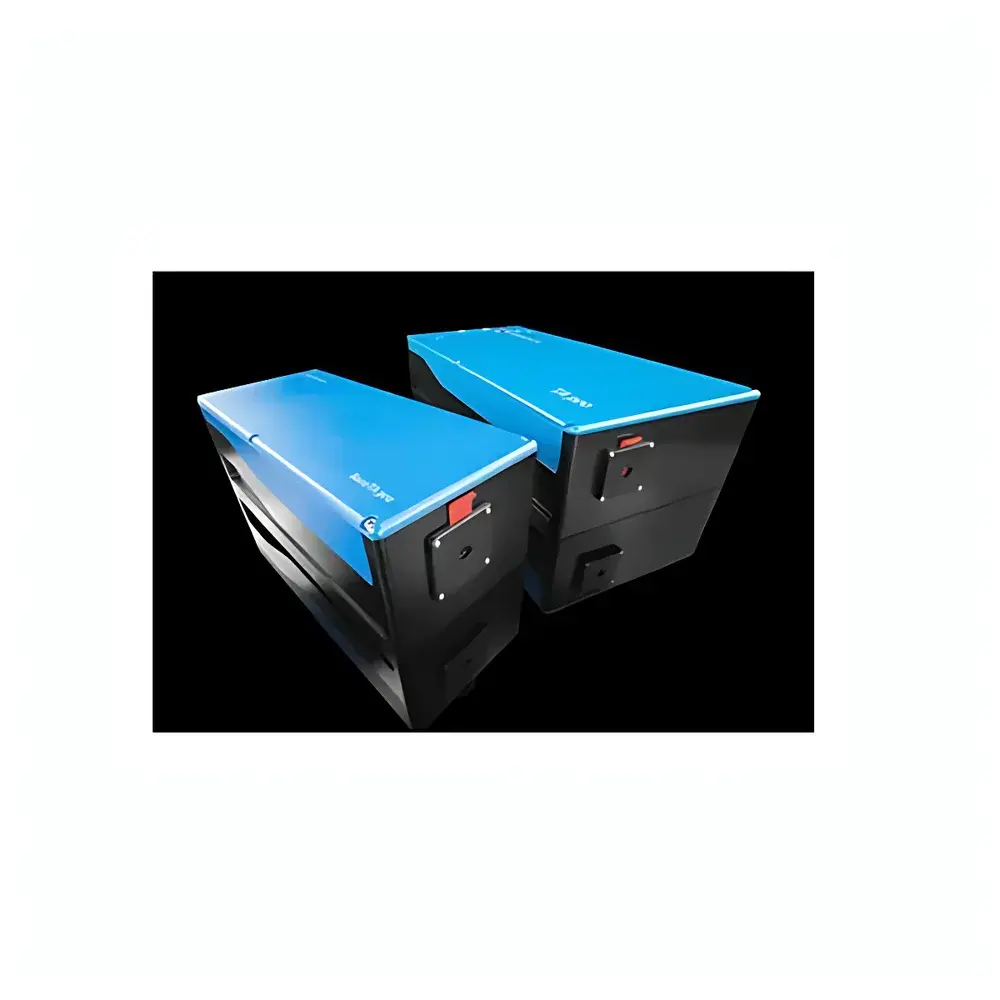
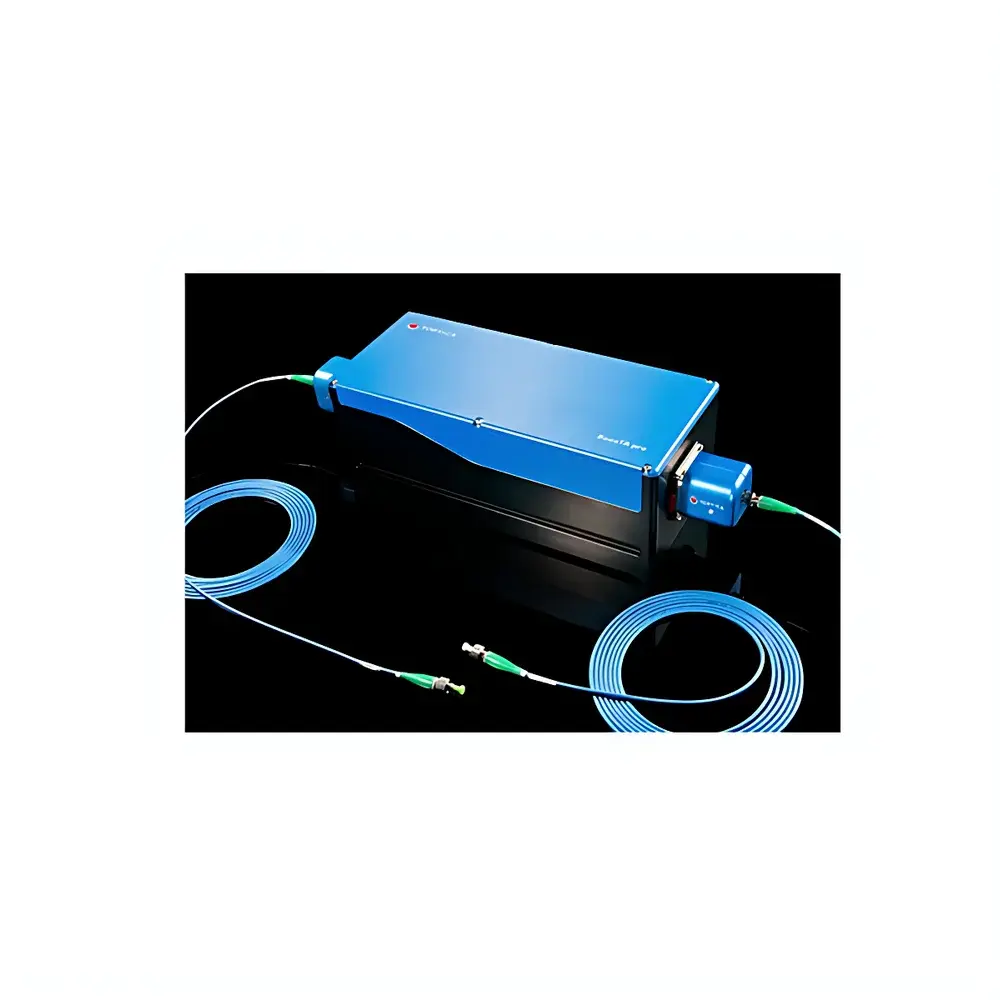
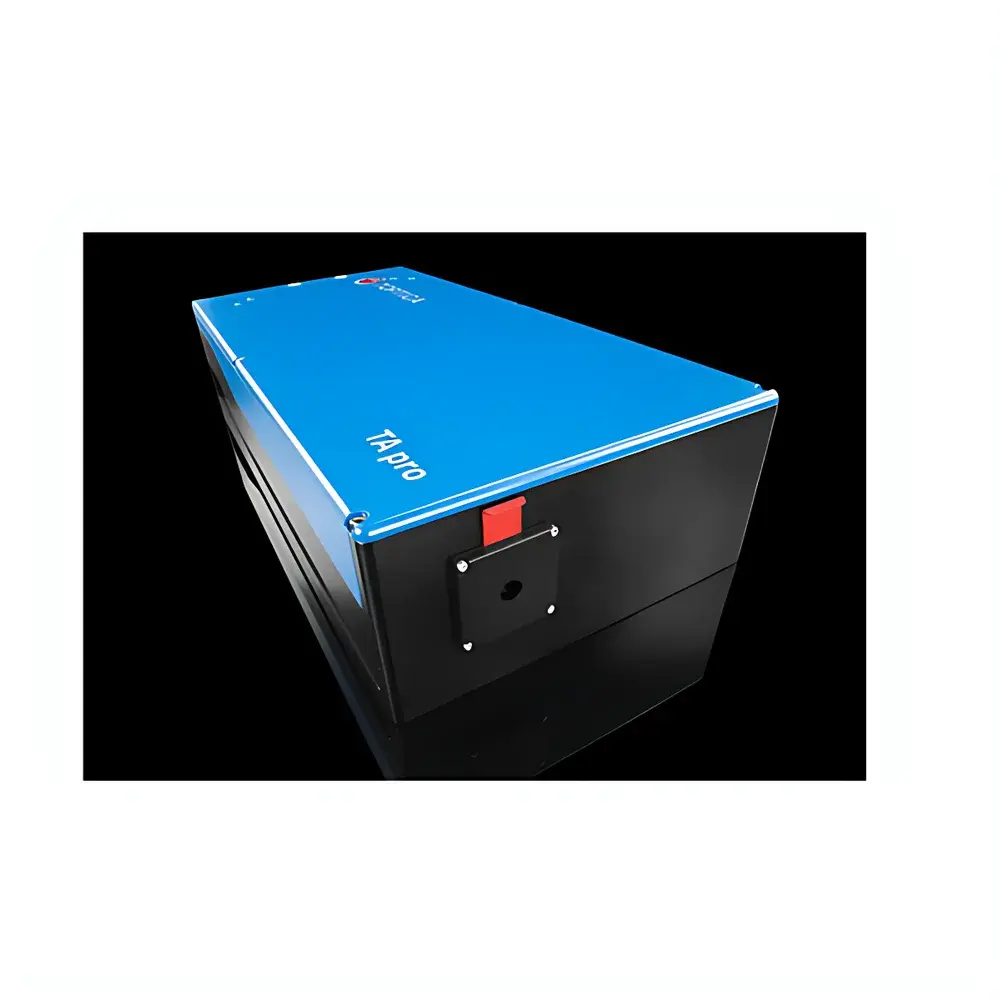
TOPTICA Single-Frequency Tunable Laser Amplifier Series
| Brand | PRECS |
|---|---|
| Origin | Germany |
| Manufacturer Type | Original Equipment Manufacturer (OEM) |
| Product Category | Imported Instrument |
| Model Series | TOPTICA MOPA Systems (TA pro / MTA pro / BoosTA pro) |
| Core Technology | Tapered Amplifier-Based Master Oscillator Power Amplifier |
| Light Source Type | Semiconductor Diode Laser System |
| Compliance Framework | CE, RoHS, IEC 61000-6-3/6-4 |
Overview
The TOPTICA Single-Frequency Tunable Laser Amplifier Series comprises high-performance Master Oscillator Power Amplifier (MOPA) systems engineered for applications demanding both spectral purity and scalable optical power. Built around precision-tapered semiconductor amplifiers, these instruments preserve the narrow linewidth, low relative intensity noise (RIN), and mode-hop-free tunability of the seed laser while delivering up to 4 W of diffraction-limited output power. Unlike conventional broad-area or multi-mode amplifiers, TOPTICA’s tapered amplifier architecture maintains Gaussian beam quality (M² < 1.1) across the full tuning range—critical for coherent spectroscopy, atom cooling, quantum optics, and nonlinear frequency conversion. The system operates on a fundamental principle of seeded amplification: a low-power, single-frequency diode laser (e.g., TOPTICA’s DL Pro or iBeam smart) serves as the master oscillator, whose light is injected into a spatially and spectrally matched tapered amplifier stage. This configuration ensures high gain (>30 dB), minimal amplified spontaneous emission (ASE), and exceptional long-term power stability (<0.5% RMS over 8 h).
Key Features
- Single-frequency operation with intrinsic coherence preservation—no degradation of seed laser linewidth or phase noise during amplification
- Tapered amplifier design enabling up to 4 W output power while maintaining TEM₀₀ beam profile (M² < 1.1) and near-diffraction-limited divergence
- Mode-hop-free wavelength tuning over 10–50 nm per configuration, compatible with external cavity diode lasers (ECDLs) and distributed feedback (DFB) seeds
- Integrated thermal and current stabilization ensuring <±50 pm wavelength drift over 24 h at constant ambient conditions
- Full compatibility with TOPTICA’s DLC pro digital laser controller—enabling remote operation via Ethernet/USB, real-time parameter logging, and hardware interlock safety protocols
- Modular architecture supporting OEM integration: compact footprint (≤280 × 120 × 75 mm for TA pro), fiber-pigtailed or free-space output options, and configurable RF modulation inputs
Sample Compatibility & Compliance
These amplifiers are designed for use with TOPTICA’s family of single-frequency seed lasers operating in the 660–1540 nm range—including visible (660–780 nm), telecom C-band (1530–1565 nm), and mid-infrared pump bands (via difference-frequency generation). The systems comply with EU Directive 2014/30/EU (EMC), 2014/35/EU (LVD), and RoHS 2011/65/EU. All units undergo factory calibration traceable to PTB (Physikalisch-Technische Bundesanstalt) standards. For regulated environments—such as GLP-compliant spectroscopic analysis labs or ISO/IEC 17025-accredited metrology facilities—the DLC pro controller supports audit-ready operation logs, user-access level management, and optional 21 CFR Part 11-compliant electronic signatures when deployed with validated software configurations.
Software & Data Management
Control and monitoring are executed through TOPTICA’s DLC pro firmware platform, accessible via intuitive web interface or Python/C++ SDK. The system records timestamped datasets including output power, diode current, heatsink temperature, and lock status—exportable in HDF5 or CSV format for post-processing. Real-time spectral monitoring is achievable when paired with an external wavemeter (e.g., HighFinesse WSx series) using TTL-synchronized triggering. Firmware updates are delivered via secure HTTPS; all configuration changes are logged with user ID, timestamp, and parameter delta—supporting traceability requirements under ISO 9001 and GxP frameworks.
Applications
- Laser cooling and trapping of neutral atoms (e.g., Rb, Cs, Sr) requiring high brightness and sub-MHz linewidth stability
- Cavity-enhanced absorption spectroscopy (CEAS) and off-axis integrated cavity output spectroscopy (OA-ICOS) for trace gas detection
- Pump-probe experiments in ultrafast science where temporal jitter and spectral fidelity must be preserved across amplification
- Optical atomic clocks and frequency comb stabilization where phase coherence between seed and amplified field is essential
- Second-harmonic generation (SHG) and optical parametric oscillation (OPO) pumping in nonlinear optics laboratories
- Industrial interferometric sensing systems requiring stable, tunable sources with calibrated wavelength accuracy
FAQ
What is the maximum guaranteed output power for the TA pro model?
The TA pro delivers up to 1.6 W of continuous-wave (CW) output power with specified beam quality and spectral integrity. Higher-power variants (MTA pro and BoosTA pro) scale to 4 W under identical performance constraints.
Can the amplifier be used with non-TOPTICA seed lasers?
Yes—provided the seed laser meets spectral bandwidth (<1 MHz), polarization extinction ratio (>20 dB), and spatial mode matching criteria (collimated beam diameter 0.8–1.2 mm, divergence <1 mrad). Custom coupling optics are available upon request.
Is mode-hop-free tuning dependent on the seed laser?
Yes. The amplifier itself does not tune; it preserves the tuning characteristics of the master oscillator. Mode-hop-free operation is therefore determined by the seed laser’s cavity design and thermal/mechanical stability.
Does the system support analog modulation of output power?
Yes—via 0–5 V input on the “Amp Mod” port, enabling direct current modulation of the tapered amplifier stage with bandwidth up to 100 kHz (small-signal response).
What safety certifications apply to laboratory installation?
All models meet Class 3B laser safety requirements per IEC 60825-1:2014 and include integrated key switch, emergency stop interface, and interlock loop compliance for integration into larger optical tables or enclosures.





