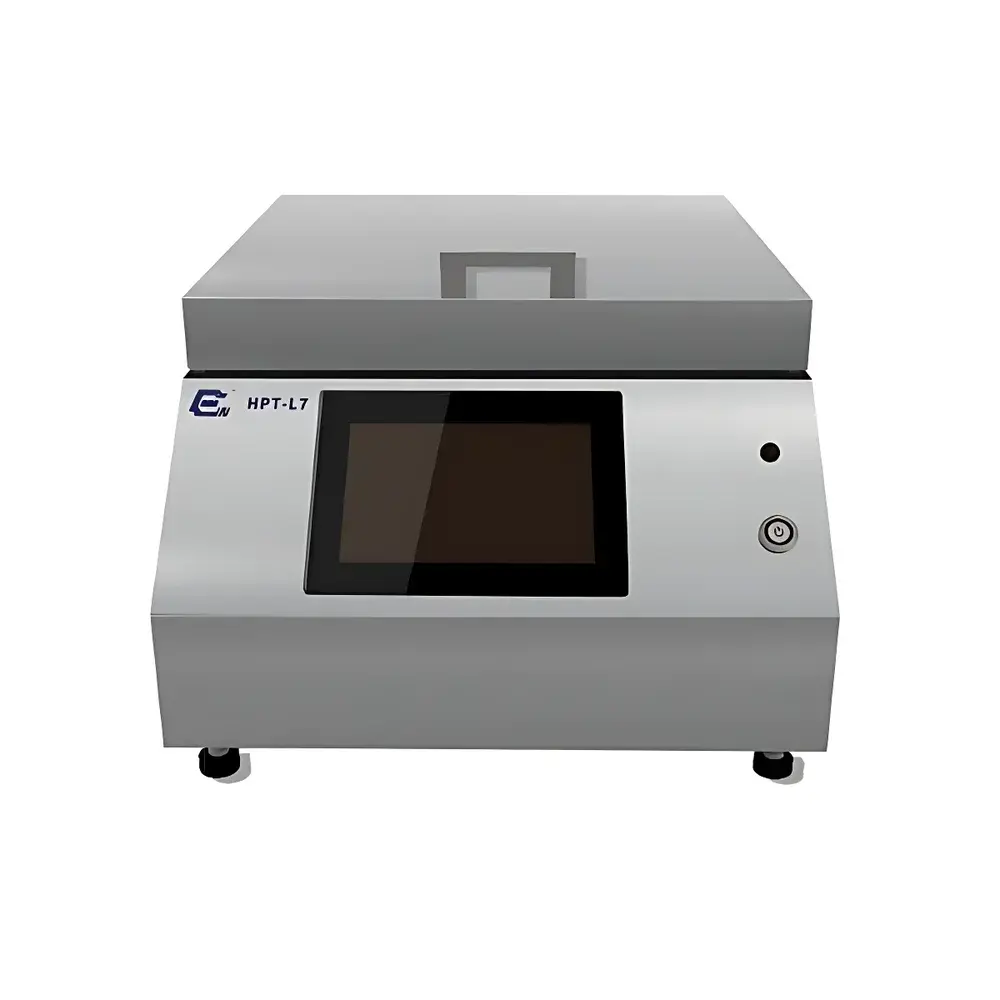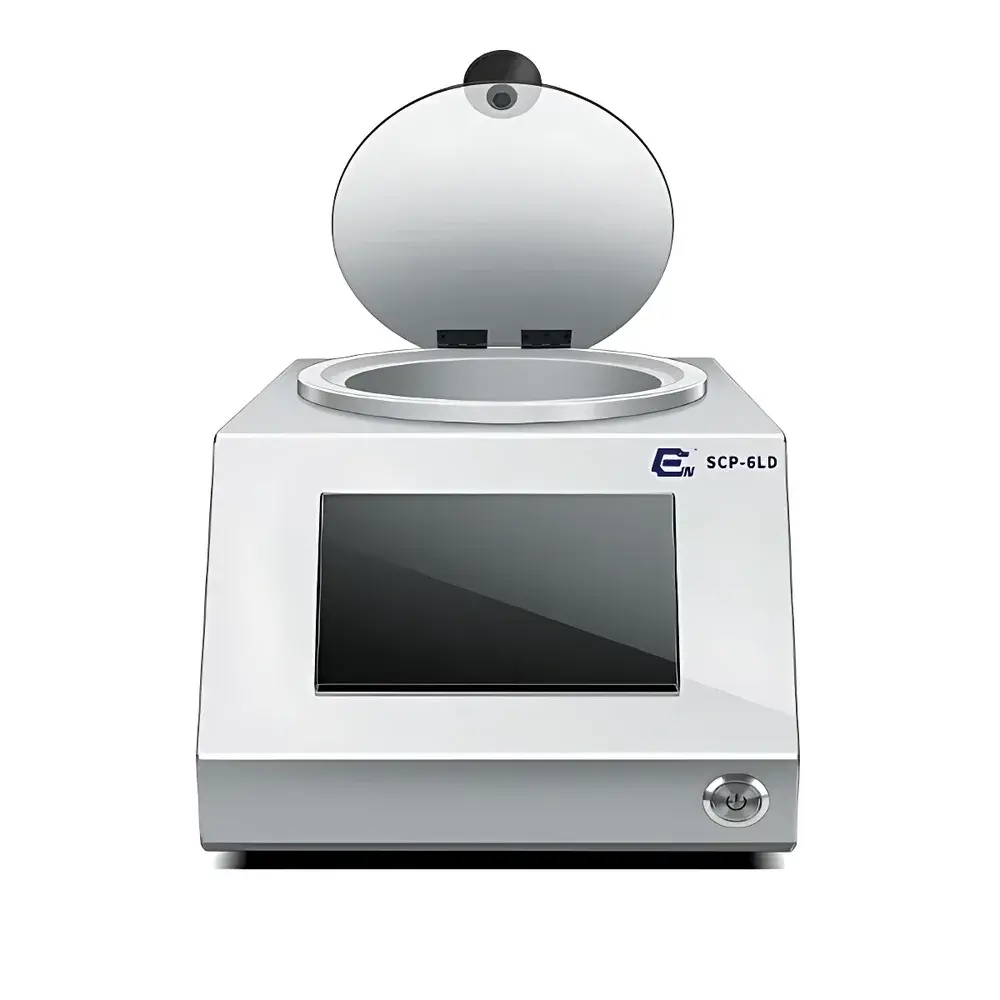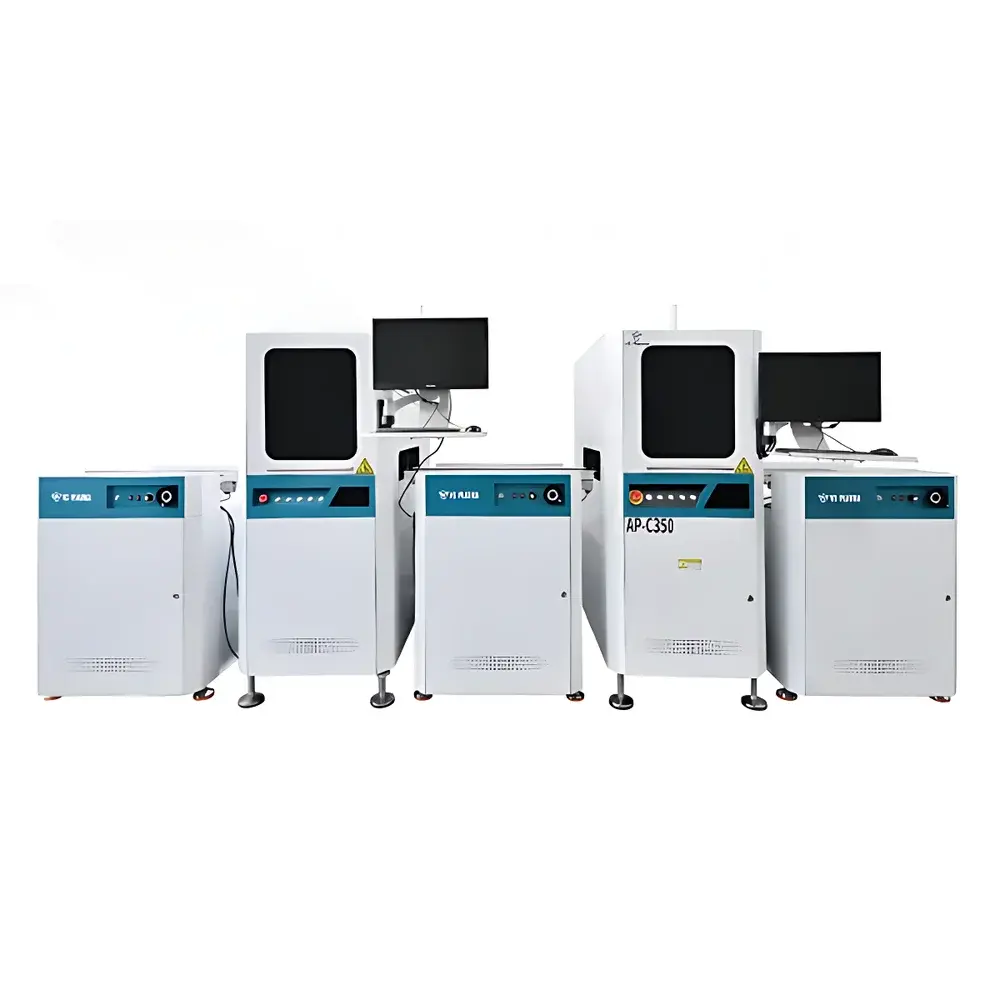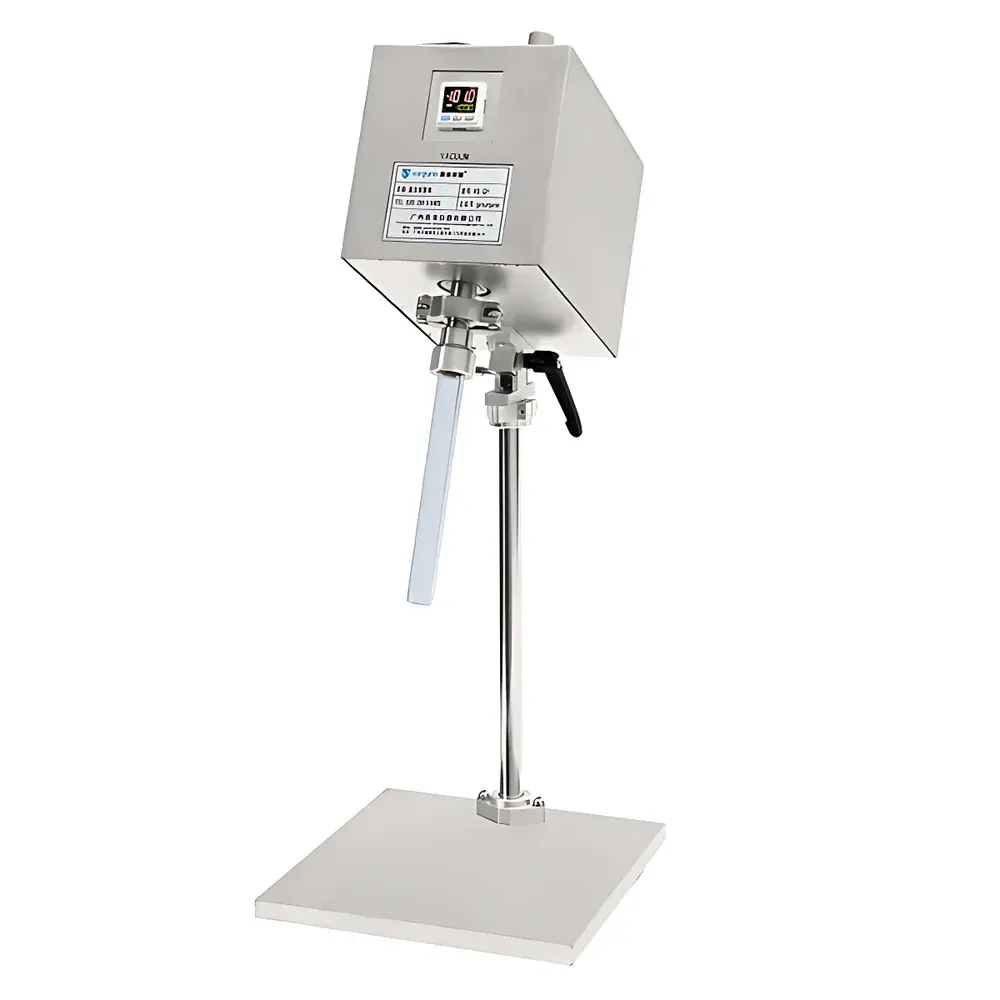
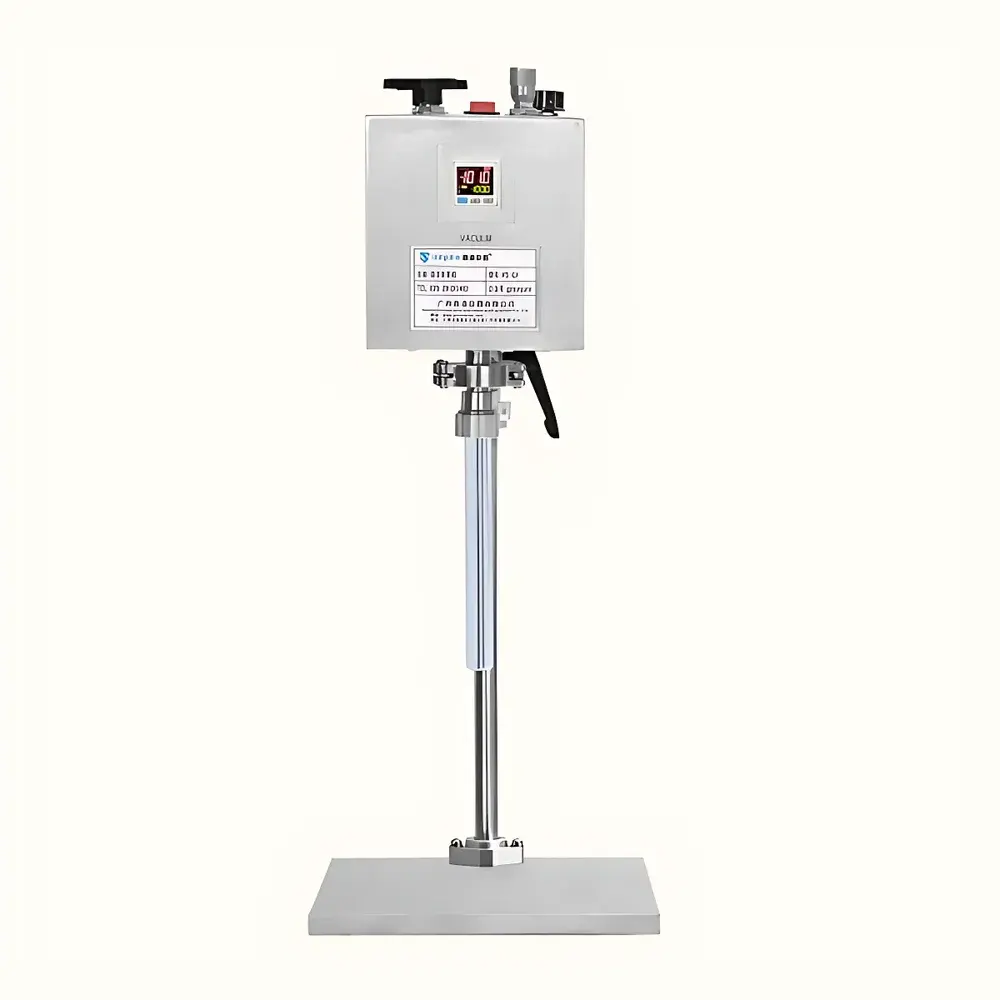
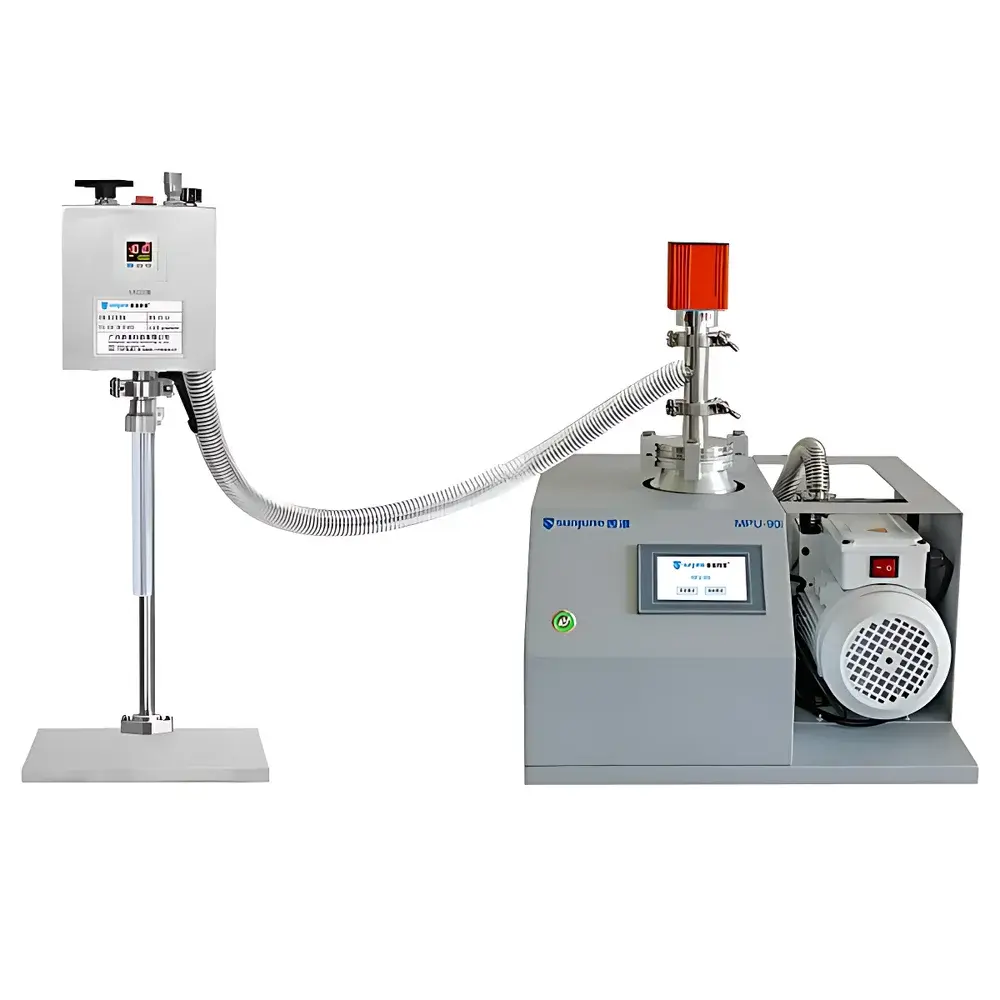
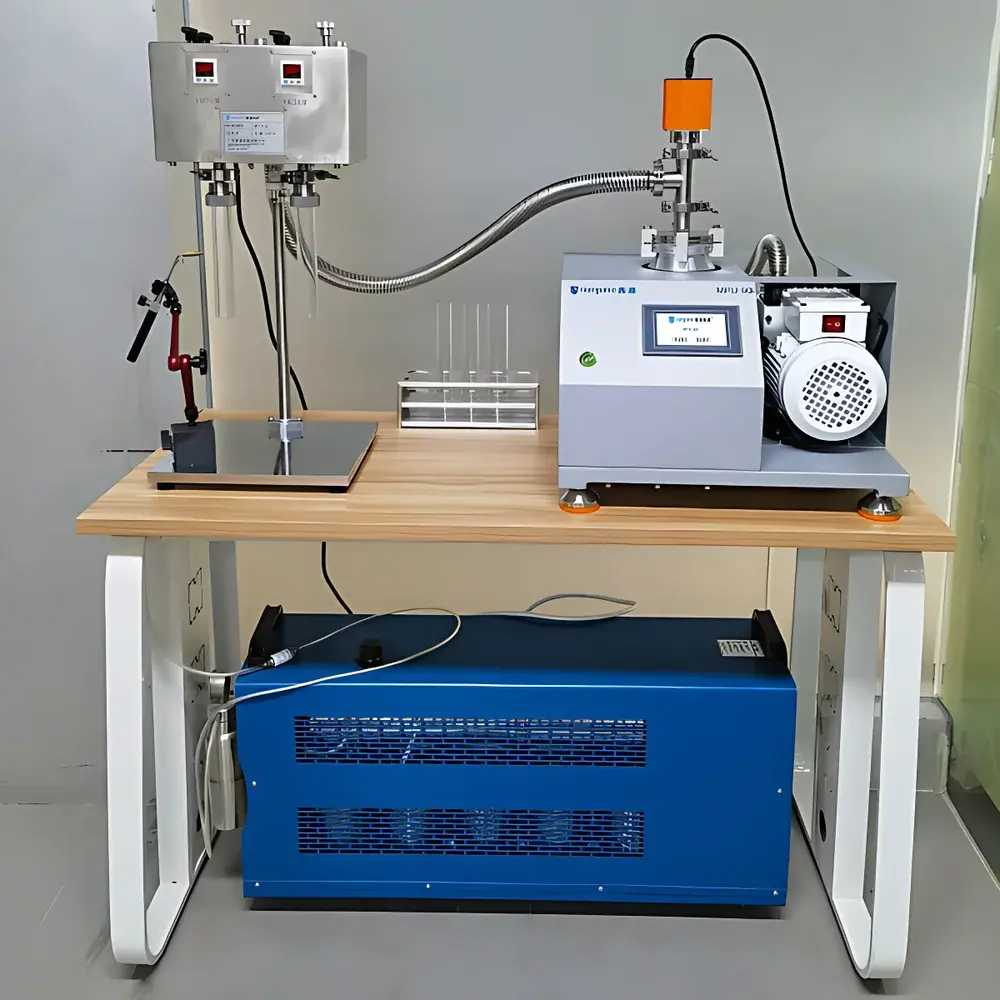
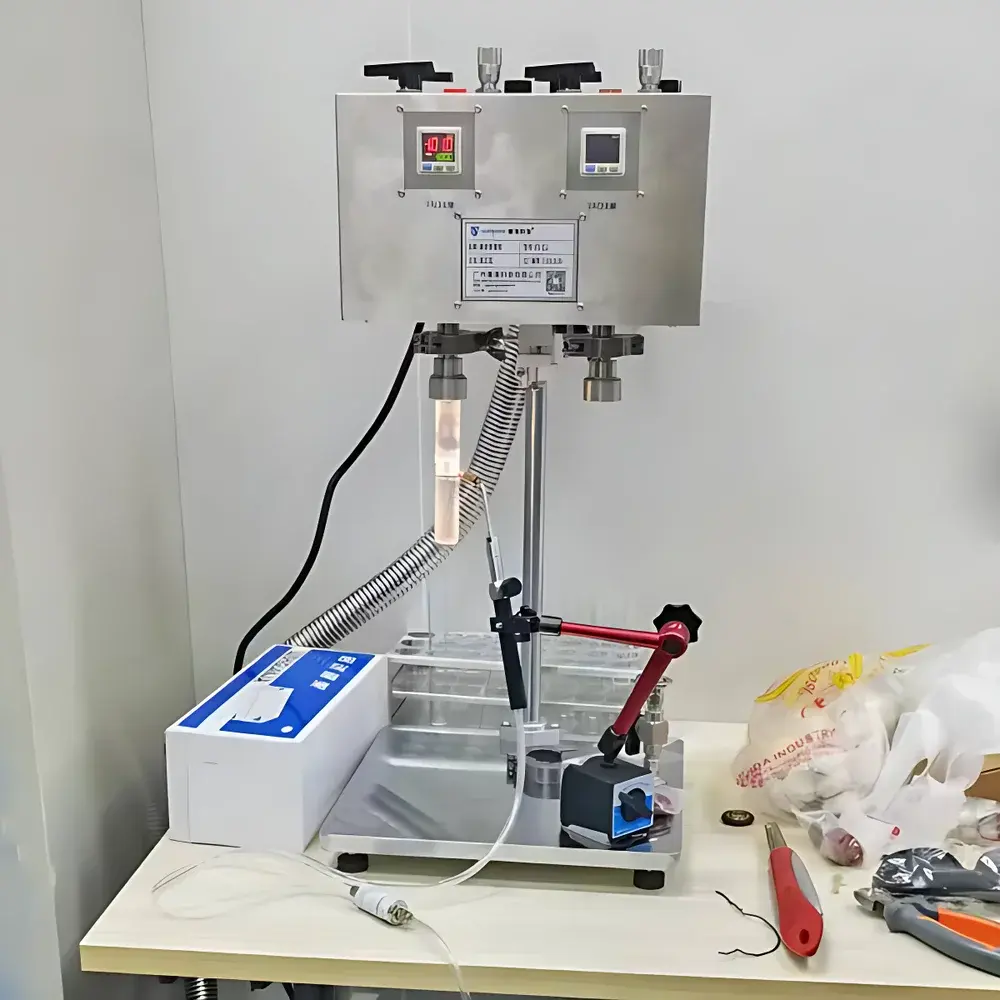
SUNJUNE VS-Q2 Quartz Tube Vacuum Sealing System
| Brand | SUNJUNE |
|---|---|
| Origin | Guangdong, China |
| Manufacturer Type | Direct Manufacturer |
| Country of Origin | China |
| Model | VS-Q2 |
| Crystal Growth Capability | Single Crystal |
| Typical Growth Cycle per Run | 12 h |
| Diameter Control Precision (for Si single crystal) | ±0.05 mm over 6 mm isometric section |
| Usable Crystal Diameter Range | 2–5 mm |
| Quartz Tube Compatibility | OD 5–50 mm, Length 80–1500 mm |
| Base Vacuum (Mechanical Pump Only) | <5 Pa |
| Ultimate Vacuum (MPU-90i Molecular Pump Unit) | ≤1×10⁻⁶ Pa |
| Rotational Speed Control | Adjustable (0–30 rpm) |
| Vacuum Pumping Rate | Adjustable |
| Backfill Gas Flow Control | Programmable |
| Control Interface | Touchscreen with IL Intelligent Logic (IL) software |
| Operating Modes | Manual (independent pump control) & Auto (interlocked mechanical + molecular pump sequencing) |
| Compliance | Designed for GLP-compliant lab environments |
Overview
The SUNJUNE VS-Q2 Quartz Tube Vacuum Sealing System is an integrated, laboratory-scale solution engineered for reproducible, high-purity encapsulation of reactive or air-sensitive materials—particularly critical in semiconductor wafer preparation, single-crystal growth (e.g., Si, Ge, Bi₂Te₃), and advanced functional material synthesis. Unlike conventional static sealing methods, the VS-Q2 employs a dynamic rotary sealing principle based on Couette-flow-assisted thermal necking: quartz tubes are rotated at precisely controlled angular velocity while subjected to localized hydrogen–oxygen flame heating under active vacuum. This motion ensures uniform heat distribution, eliminates asymmetric tube collapse, and minimizes thermal stress-induced microcracks—directly enhancing seal integrity and batch-to-batch consistency. The system comprises three core subsystems: a stainless-steel vacuum chamber with integrated rotation stage, a high-efficiency H₂/O₂ premix torch (certified for Class 1 cleanroom-compatible combustion), and a dual-stage vacuum train featuring either a robust mechanical pump (base vacuum <5 Pa) or the optional MPU-90i molecular pump unit (ultimate vacuum ≤1×10⁻⁶ Pa, full-range capacitance manometer included). Its design adheres to IEC 61000-6-2/6-4 EMC standards and incorporates fail-safe interlocks for flame detection, overtemperature cutoff, and vacuum loss response.
Key Features
- Stainless-steel monocoque chassis with IP54-rated enclosure—ensures long-term corrosion resistance, dimensional stability, and EMI shielding in shared lab environments.
- Stepless rotational speed control (0–30 rpm) synchronized with vacuum ramp rate and gas backfill profile—enabling optimized sealing for both fine powders (e.g., chalcogenide precursors) and dense polycrystalline ingots.
- MPU-90i molecular pump unit with IL Intelligent Logic firmware: prevents rotor overspeed during startup/shutdown, enforces staged pump-down sequences, and logs all operational parameters (pump status, pressure vs. time, rotation setpoint) with timestamped, tamper-evident records.
- Dual-mode touchscreen interface: manual mode permits granular, independent actuation of mechanical pump, rotation stage, and flame ignition; auto mode executes pre-defined sealing protocols—including evacuation hold, rotation initiation, flame dwell, and inert gas quench—with one-touch execution and real-time deviation alerts.
- Modular quartz tube fixture system accommodates outer diameters from 5 mm to 50 mm and lengths up to 1500 mm—compatible with standard Vycor, Suprasil, and synthetic fused silica tubing per ASTM F798 specifications.
Sample Compatibility & Compliance
The VS-Q2 is routinely deployed for encapsulating hygroscopic, pyrophoric, or oxidation-prone samples—including elemental silicon powder, transition metal dichalcogenides (MoS₂, WSe₂), solid-state electrolytes (Li₃PS₄, Na₃PS₄), thermoelectric alloys (SnSe, Mg₂Si), and perovskite precursors. All wetted surfaces contact only high-purity fused silica or electropolished 316L stainless steel—no elastomers or lubricants are exposed to vacuum pathways. Vacuum performance meets ISO 27874:2021 requirements for ultra-high-vacuum material synthesis systems. When operated with validated software configuration and external audit trail logging, the system satisfies traceability prerequisites for GLP studies and supports 21 CFR Part 11 compliance through electronic signature-enabled protocol execution and immutable parameter archiving.
Software & Data Management
The embedded IL software (v3.2+) provides native CSV export of pressure–time curves, rotation profiles, and flame-on duration. Optional Ethernet/Wi-Fi connectivity enables remote monitoring via SNMP or Modbus TCP. Data files include SHA-256 checksums and are stored in hierarchical directories tagged with operator ID, sample ID, and timestamp (ISO 8601 format). Firmware updates require digital certificate authentication. Audit logs record every user action—including mode changes, parameter edits, and emergency stop triggers—with no ability to delete or modify historical entries.
Applications
- Semiconductor-grade silicon and germanium single-crystal growth via vertical Bridgman or gradient freeze techniques—where precise stoichiometry preservation and oxygen impurity suppression demand sealed ampoule environments.
- Thermoelectric material development: encapsulation of Bi₂Te₃-based composites prior to hot-pressing or spark plasma sintering.
- 2D material precursor synthesis: hermetic sealing of MoO₃ + S mixtures for sulfurization under controlled partial pressure.
- Microfluidic device fabrication: vacuum-sealing of PDMS–glass hybrid chips containing sensitive biomolecules or catalysts.
- Fast-ion conductor research: inert-atmosphere encapsulation of NASICON-type Li₁₊ₓAlₓTi₂₋ₓ(PO₄)₃ pellets for electrochemical cycling stability testing.
FAQ
What vacuum level is required for silicon single-crystal growth?
For high-purity Si crystal growth, residual gas partial pressure must remain below 1×10⁻⁴ Pa to suppress oxide formation and carbon contamination; the MPU-90i configuration achieves ≤1×10⁻⁶ Pa, providing sufficient margin for process robustness.
Can the VS-Q2 seal quartz tubes containing volatile solvents?
No—this system is designed exclusively for dry, solid-phase or molten-phase materials under static vacuum. Solvent-containing samples risk explosive vapor expansion during heating and are incompatible with the H₂/O₂ flame environment.
Is calibration documentation provided with the MPU-90i vacuum gauge?
Yes—each capacitance manometer is supplied with NIST-traceable calibration certificate (valid for 12 months), including linearity, hysteresis, and zero-shift data across its full 1×10⁻⁷–1×10³ Pa range.
How does the IL logic prevent molecular pump damage during venting?
The firmware enforces mandatory turbine cooldown (>15 min at <500 rpm) before atmospheric re-entry and prohibits venting until bearing temperature falls below 40°C—verified by redundant RTD sensors.
Does SUNJUNE offer IQ/OQ documentation packages for GMP facilities?
Yes—validated installation qualification (IQ) and operational qualification (OQ) protocols are available upon request, aligned with ASTM E2500-13 and EU Annex 15 guidelines, including test scripts, acceptance criteria, and raw data templates.