ErgoAI Industrial Design & User Experience Human Factors Research Laboratory
| Brand | Kingfar |
|---|---|
| Origin | Imported |
| Manufacturer Type | Authorized Distributor |
| Pricing | Upon Request |
Overview
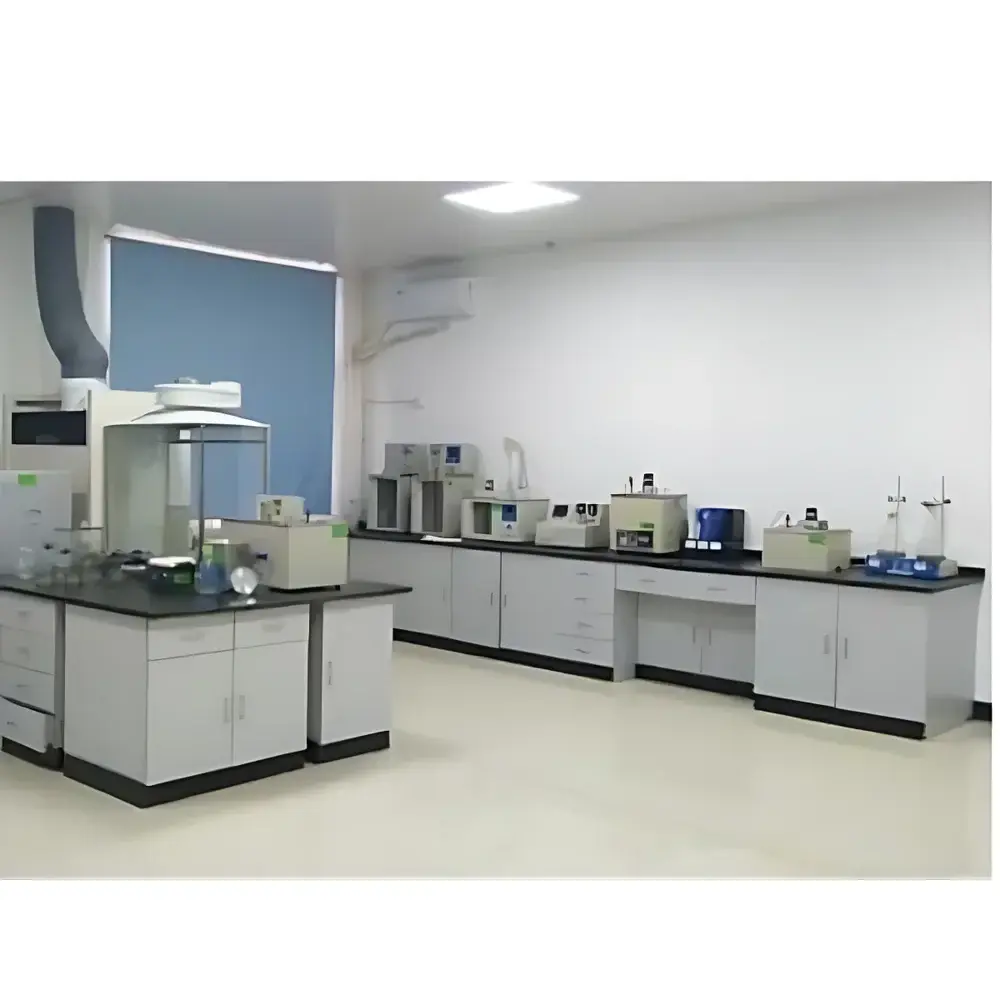
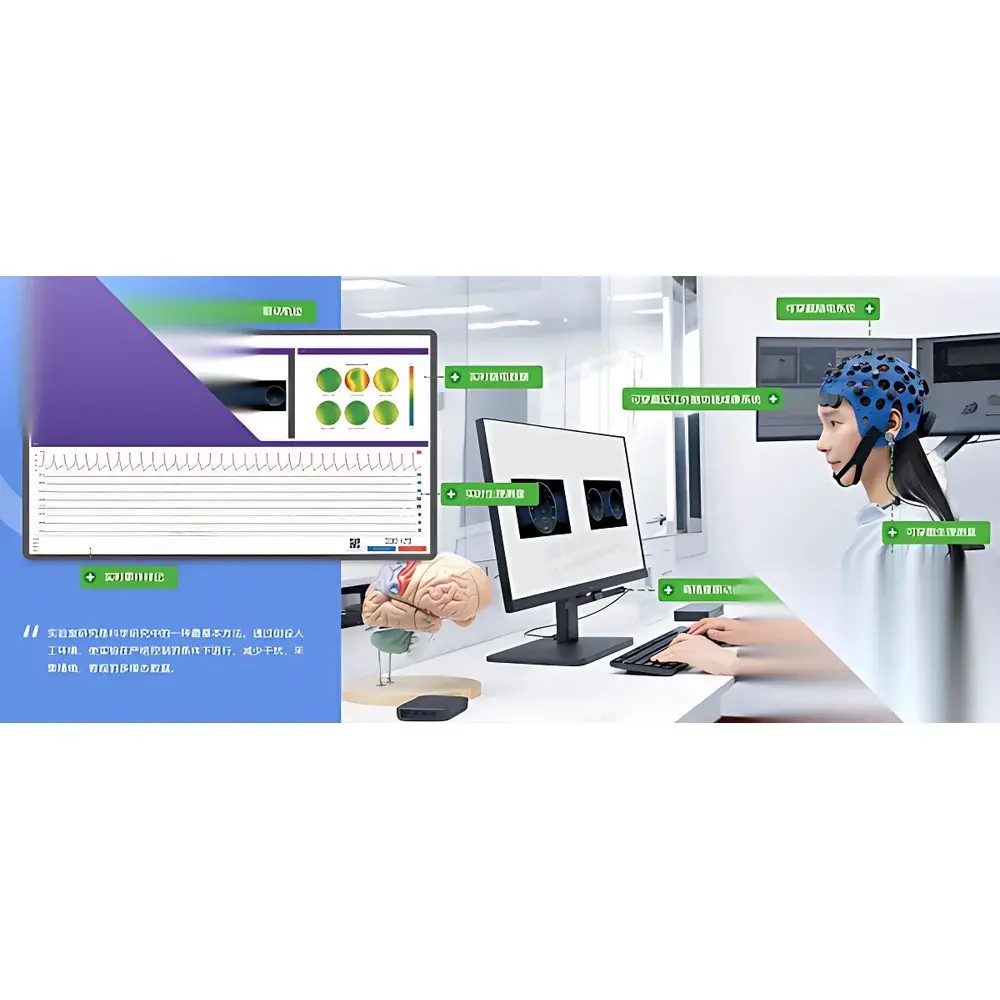
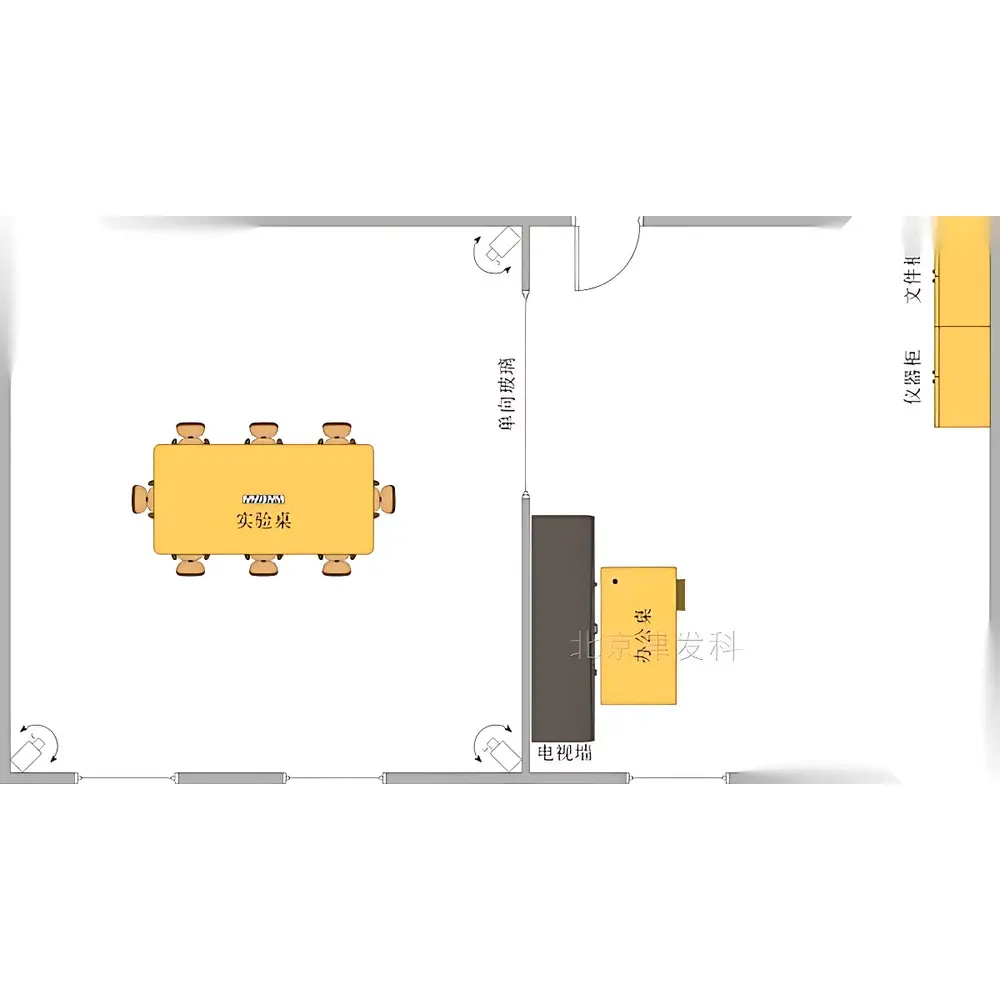
The ErgoAI Industrial Design & User Experience Human Factors Research Laboratory is a purpose-built, integrated research infrastructure developed by Kingfar Technologies Co., Ltd. (Beijing) for rigorous human factors engineering, ergonomics validation, and cognitive-human-system integration analysis. Engineered for precision in controlled experimental settings, the laboratory implements a dual-room architecture—comprising a control room and a participant room—separated by one-way observation glass to ensure ecological validity while maintaining experimental control. At its core, the system leverages synchronized multimodal data acquisition across physiological, behavioral, cognitive, and environmental dimensions—including eye-tracking, EEG, ECG, EMG, GSR, motion capture, and interaction logging—to quantify human performance, workload, situational awareness, and interface usability objectively. The laboratory supports full-cycle human-centered design evaluation—from early-stage CAD-based interface prototyping through virtual reality simulation to real-world operational task validation—enabling evidence-based optimization of industrial systems, safety-critical HMIs, and operator support tools in accordance with ISO 6385, ISO 9241-210, ANSI/HFES 100, and MIL-STD-1472G standards.
Key Features
- Dual-chamber laboratory layout with acoustically isolated control and participant rooms, integrated one-way optical glass for unobtrusive behavioral observation
- Synchronized multimodal data acquisition platform supporting time-aligned streaming of biometric (EEG, ECG, EMG, GSR), oculomotor (pupil dilation, gaze path, fixation duration), kinematic (motion capture, hand tracking), and interaction-level data (keystrokes, mouse dynamics, VR controller inputs)
- ErgoLAB Human-Machine-Environment Synchronization Platform enabling hardware-locked timestamping at sub-millisecond resolution across heterogeneous sensor modalities
- Integrated AI-driven analytics module for real-time state inference—including cognitive load estimation, mental fatigue detection, emotional valence classification, and attentional resource allocation modeling—trained on domain-specific normative datasets
- Standardized behavioral experiment suite compliant with ISO/IEC 25062 (Common Industry Format for Usability Evaluation) and US Department of Defense Human Systems Integration (HSI) guidelines
- Interoperability with industry-standard CAD environments (e.g., Siemens NX, Dassault CATIA), VR development platforms (Unity, Unreal Engine), and digital twin frameworks for iterative HMI prototyping and simulation-based validation
Sample Compatibility & Compliance
The laboratory is validated for use with adult working populations across diverse industrial sectors—including aerospace, rail transportation, energy infrastructure, manufacturing, and defense systems. Experimental protocols adhere to ethical review requirements per the Declaration of Helsinki and local IRB regulations. Data collection workflows comply with GDPR Article 9 (special category data) and HIPAA-compliant storage practices where applicable. All psychometric instruments—including NASA-TLX, SWAT, SUS, PANAS, and custom cognitive task batteries—are implemented following standardized administration procedures and calibrated against published normative samples. Hardware components meet IEC 60601-1 (medical electrical equipment safety) and IEC 61000-6-3 (EMC emission limits) specifications. System documentation supports GLP-compliant audit trails, including full metadata logging for experimental conditions, calibration records, and participant demographic stratification.
Software & Data Management
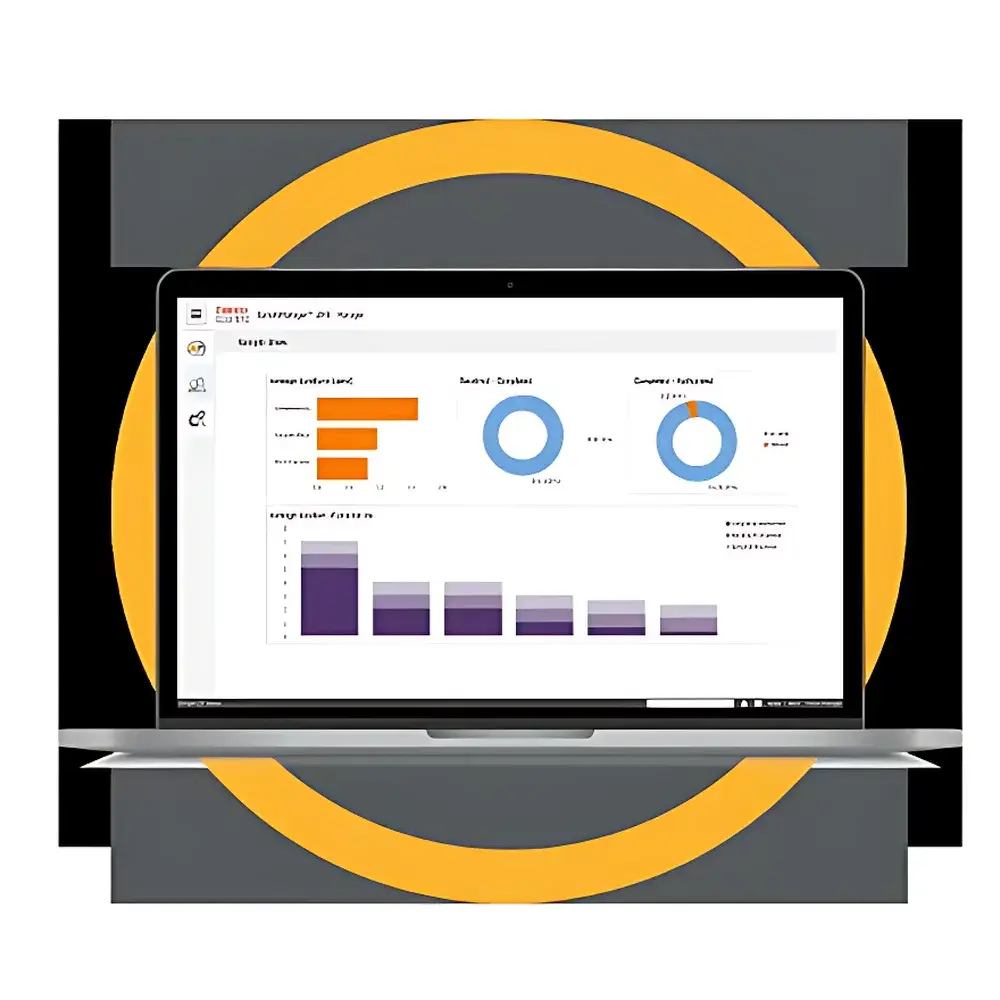
The ErgoLAB software ecosystem provides end-to-end traceability from raw signal ingestion to statistical inference and visualization. Raw sensor streams are stored in HDF5 format with embedded ontological metadata (using OBO Foundry-compliant human factors terms). The analysis platform supports batch processing via Python API (compatible with SciPy, scikit-learn, and PyTorch), enabling reproducible pipeline execution and version-controlled algorithm deployment. Audit logs record all user actions—including parameter adjustments, annotation edits, and export events—in compliance with FDA 21 CFR Part 11 requirements for electronic records and signatures. Export modules generate standardized outputs compliant with ASTM E2500-18 (verification and validation of computerized systems) and ISO/IEC 17025:2017 (competence of testing and calibration laboratories). Cloud synchronization options support secure, encrypted remote collaboration without compromising raw data sovereignty.
Applications
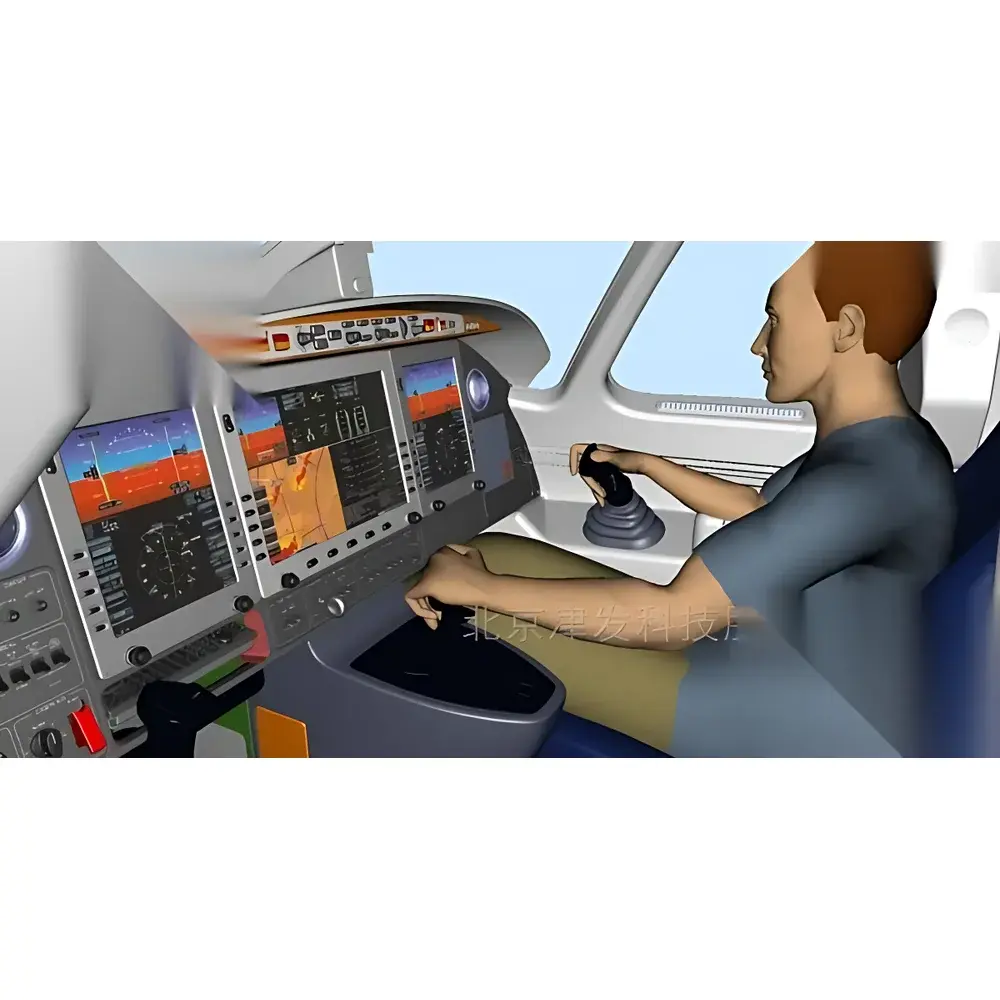
- Human-machine interface (HMI) validation for cockpit displays, control room SCADA interfaces, and autonomous vehicle dashboards under dynamic workload conditions
- Cognitive task analysis of maintenance procedures using motion capture + eye-tracking to identify attention bottlenecks and procedural error risks
- Operator selection and certification assessment using validated psychomotor, spatial reasoning, and multitasking paradigms aligned with EN 13407 and ISO 13408 standards
- Training effectiveness evaluation through longitudinal biometric trend analysis across skill acquisition phases
- Ergonomic risk assessment of physical workstations using biomechanical modeling (RULA, REBA) fused with real-time muscle activation metrics
- Virtual prototyping of collaborative robotics workflows, evaluating human-robot trust calibration and shared control transitions
FAQ
What types of industries commonly deploy this laboratory configuration?
Aerospace OEMs, nuclear power utilities, railway signaling providers, medical device manufacturers, and defense contractors routinely adopt this setup for HMI certification, operator training validation, and regulatory submission support.
Does the system support integration with existing enterprise LMS or HRIS platforms?
Yes—via RESTful API and configurable SSO (SAML 2.0/OAuth 2.0), allowing automated sync of participant demographics, test scheduling, and competency score reporting.
Can the laboratory be configured for mobile field studies outside the controlled environment?
Portable subsystems—including wearable biosensors, ruggedized tablet-based stimulus delivery, and edge-computing data loggers—are available as optional extensions, maintaining temporal synchronization fidelity within ±5 ms.
How is data privacy maintained during multi-site collaborative research?
All inter-site transfers occur over TLS 1.3-encrypted channels; raw biometric data remains on-premise unless explicitly anonymized and exported under institutional data sharing agreements.
Is technical support available for protocol development and statistical consulting?
Kingfar offers tiered professional services—including experimental design consultation, ANOVA/Mixed-Effects modeling support, and regulatory documentation preparation—for ISO/IEC 17025 accreditation readiness.
Related Products