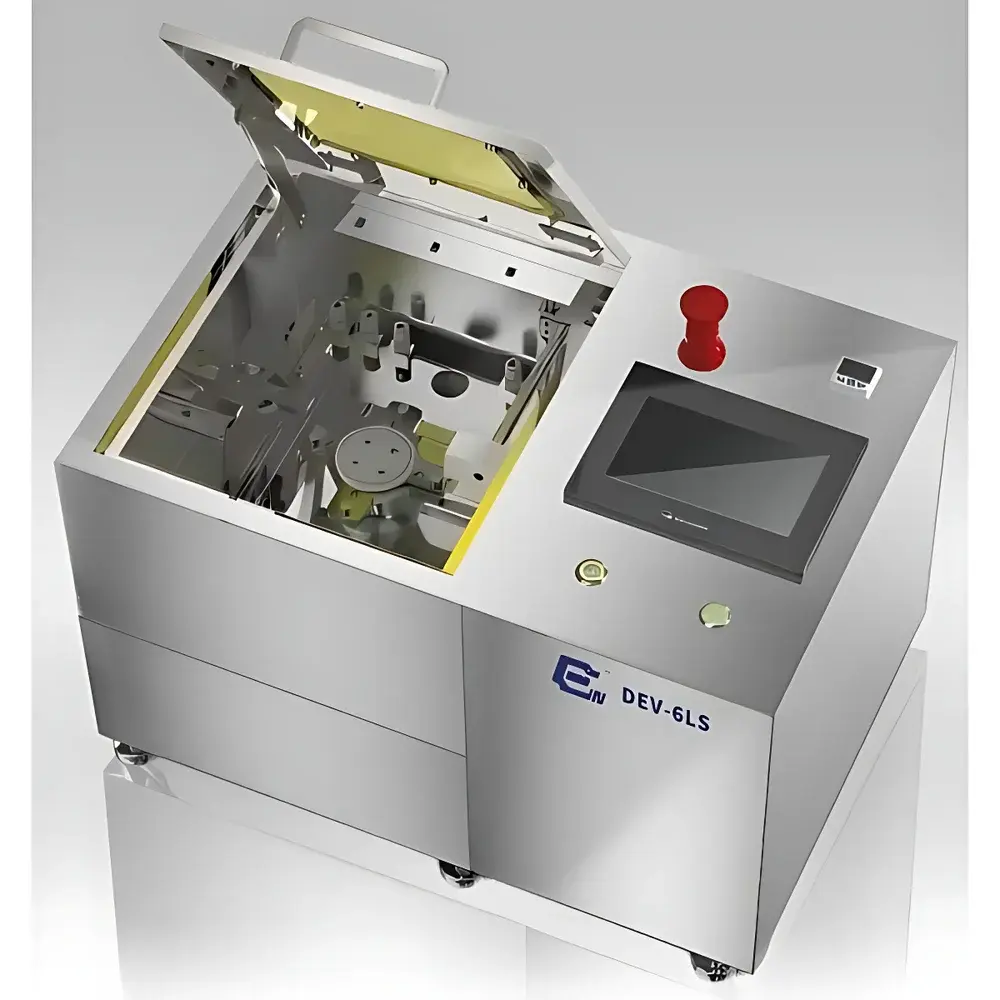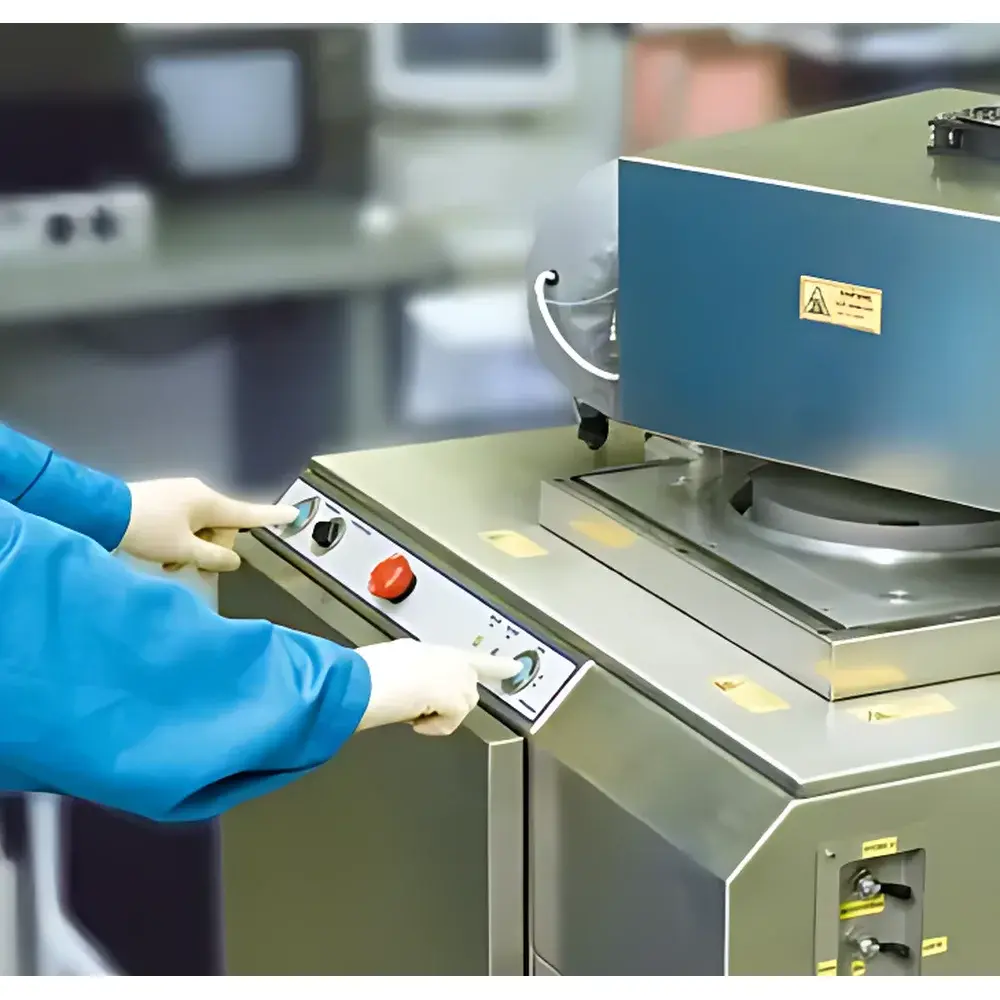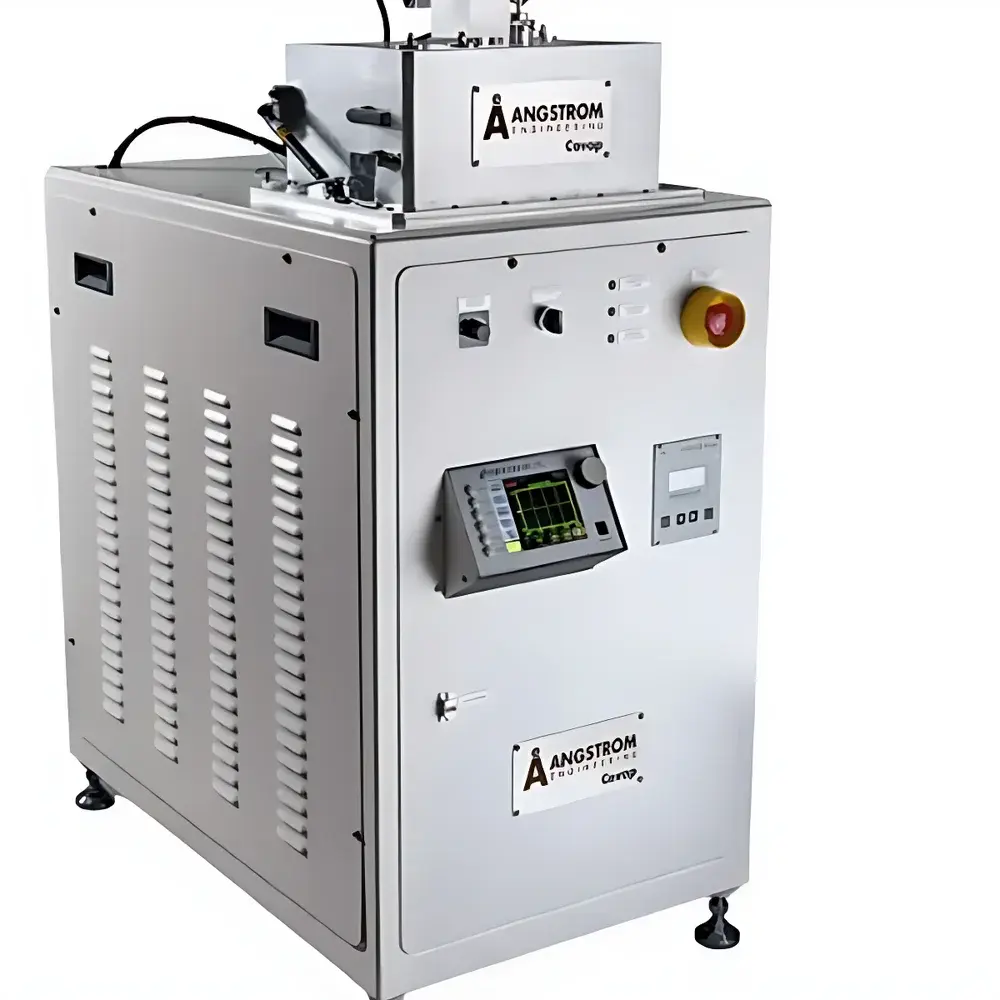
Angstrom Engineering COVAP Physical Vapor Deposition System
| Brand | Angstrom Engineering |
|---|---|
| Origin | Canada |
| Model | COVAP |
| Vacuum Pumping | Turbo-molecular pump system |
| Substrate Size Range | Up to 1200 mm (customizable) |
| Deposition Technologies | DC/RF/MF/Pulsed DC sputtering, thermal evaporation (boat/wire/crucible), electron beam evaporation, reactive sputtering, ion-assisted deposition |
| Plasma & Ion Beam Sources | Integrated glow discharge plasma cleaning, broad-beam ion sources for substrate pre-treatment and film densification |
| Film Thickness Monitoring | Isolated quartz crystal microbalance (QCM) sensors with cross-source interference mitigation |
| Automation | Recipe-driven multi-layer deposition control (sequential or co-deposition), programmable substrate rotation/tilt/heating |
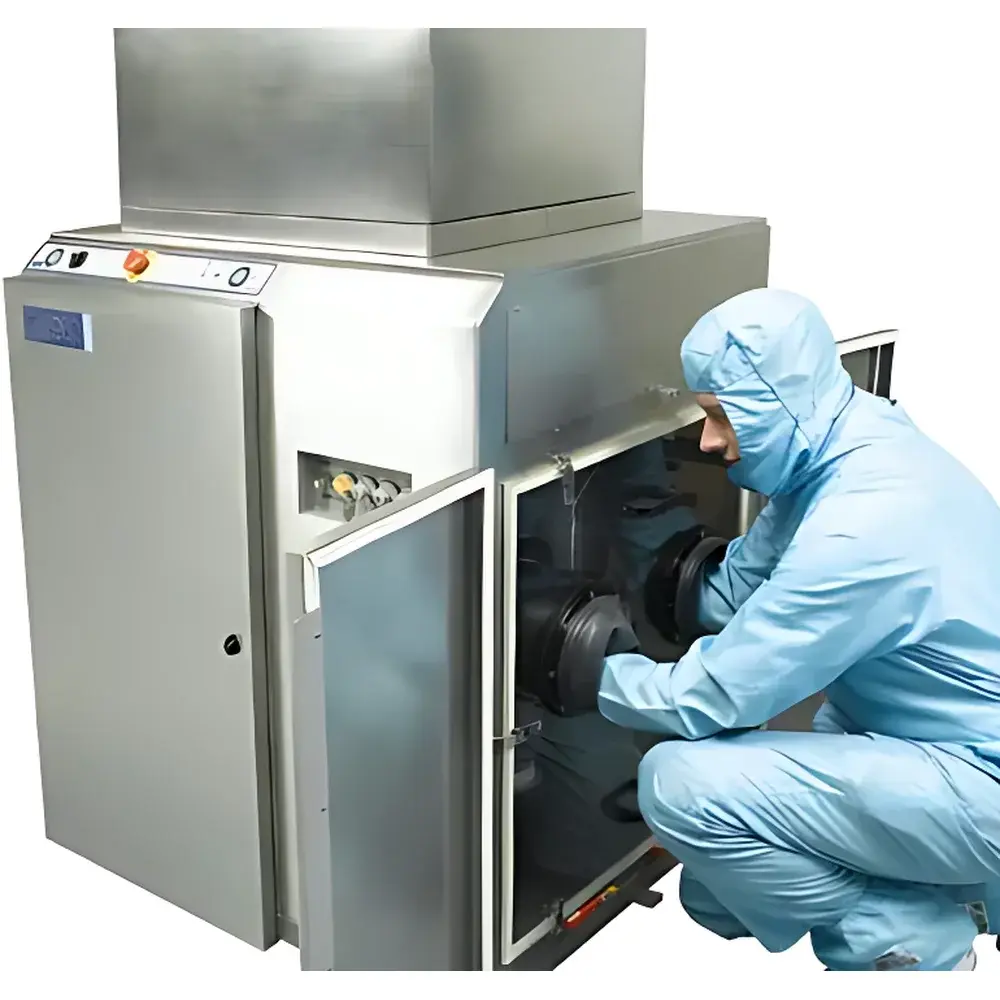
| Integration Readiness | Glovebox-compatible design, modular chamber architecture |
| Compliance | Designed for GLP/GMP-aligned lab environments |
Overview
The Angstrom Engineering COVAP Physical Vapor Deposition (PVD) System is a high-vacuum, multi-technique thin-film deposition platform engineered for research, development, and pilot-scale fabrication of functional and structural coatings. Operating on core PVD principles—including thermal evaporation, magnetron sputtering (DC, RF, pulsed DC, MF, and HIPIMS), electron beam evaporation, and reactive gas-assisted processes—the COVAP enables precise stoichiometric control, atomic-level interface engineering, and reproducible nanoscale film growth. Its modular vacuum chamber—pumped by a high-capacity turbo-molecular pump—achieves base pressures <5 × 10⁻⁸ Torr, ensuring minimal residual gas contamination during deposition. The system is purpose-built for semiconductor-grade applications where layer uniformity (<±1.5% across 300 mm substrates), interfacial cleanliness, and process repeatability are critical to device performance and yield.
Key Features
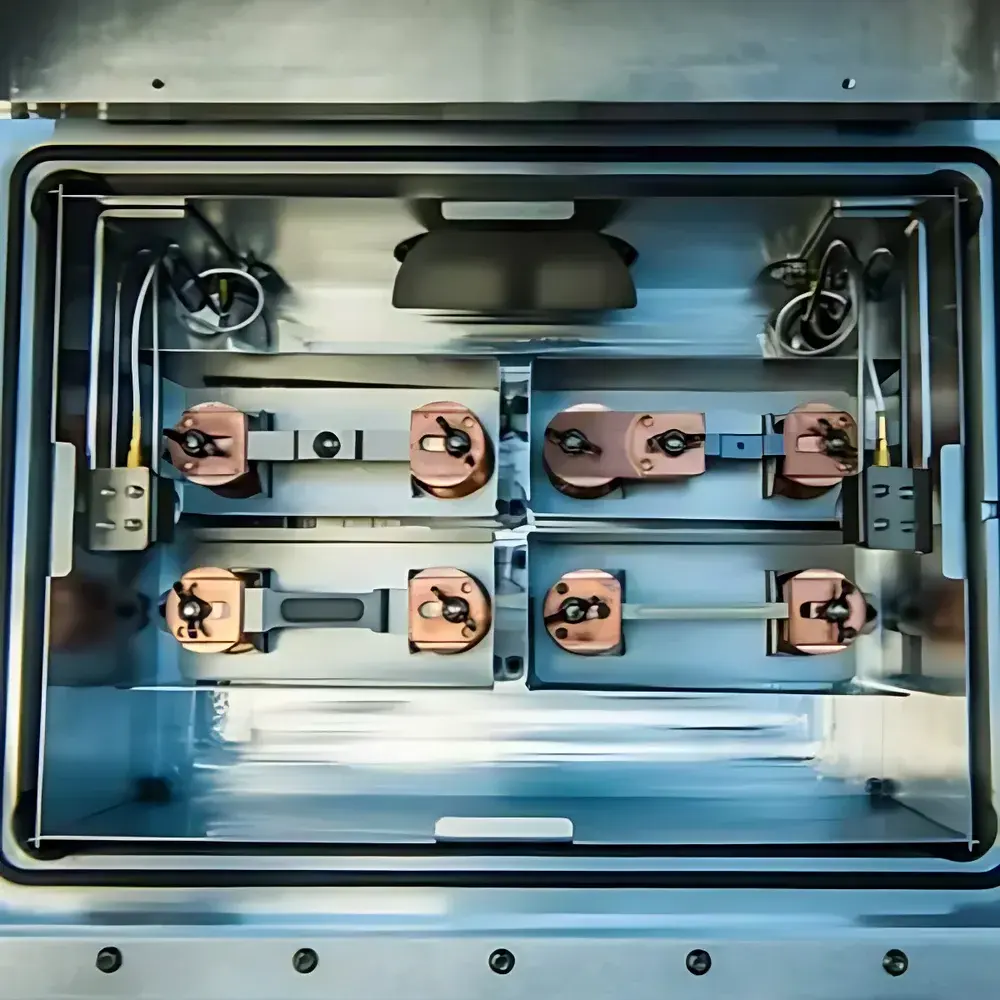
- Multi-source compatibility: Chamber accommodates up to four resistive thermal evaporation sources or configurable sputter targets (including 6-inch and 8-inch magnetrons), with optional e-beam gun integration (up to 10 kW).
- Advanced plasma processing: Integrated glow discharge plasma source and broad-beam ion source enable in-situ substrate cleaning, surface activation, and ion-assisted deposition—enhancing adhesion, density, and crystallinity of as-deposited films.
- Isolated QCM monitoring: Quartz crystal microbalance sensors are mechanically decoupled from adjacent evaporation/sputter sources to eliminate acoustic coupling artifacts, enabling real-time thickness resolution down to sub-monolayer accuracy.
- Recipe-driven automation: Full deposition sequence programming—including source sequencing, gas flow ramping (Ar, O₂, N₂, CH₄), pressure modulation, substrate temperature ramping (RT–600 °C), and synchronized rotation/tilt—executed via Angstrom’s proprietary A-Soft™ control suite.
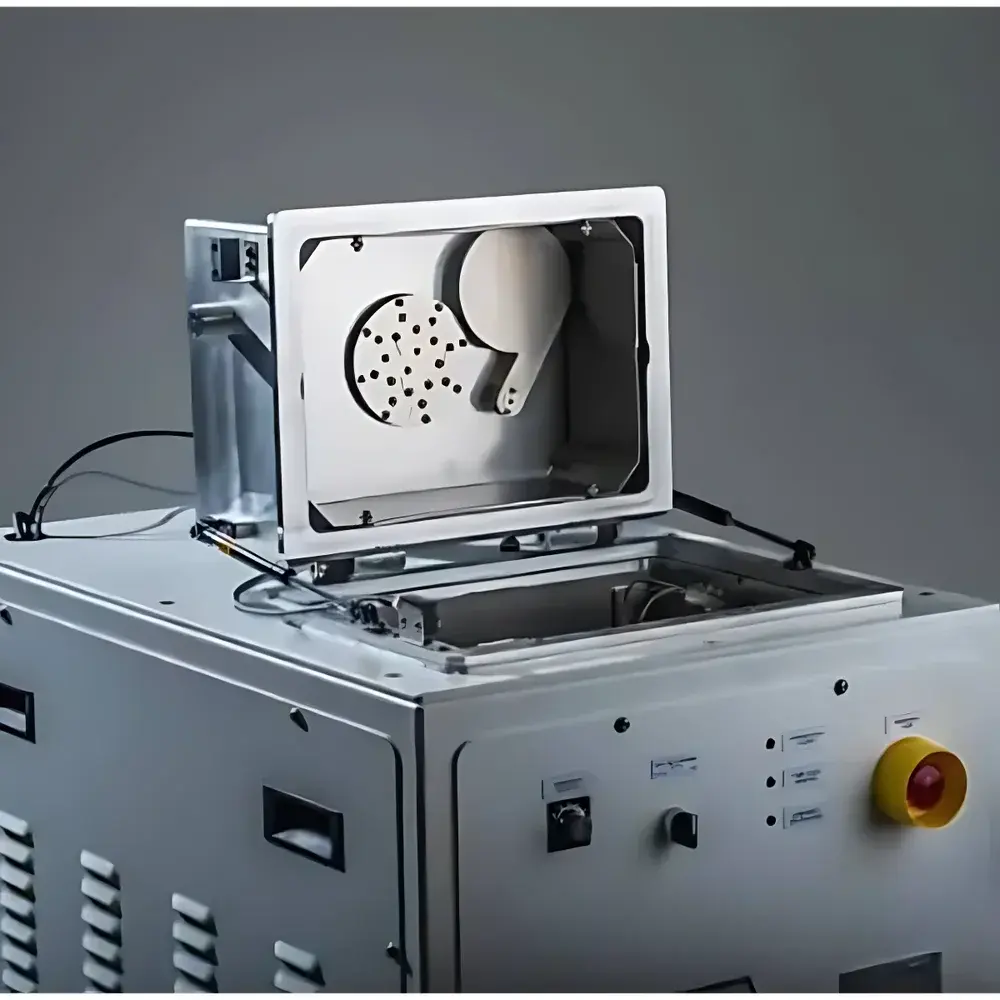
- Glovebox-integrated design: Front-load configuration with ISO-KF and CF flanges, rapid-exchange load-lock option, and inert-atmosphere transfer compatibility support seamless integration into air-sensitive workflows (e.g., perovskite solar cell, battery electrode, or 2D material synthesis).
- Scalable architecture: Standard configurations support substrates from 100 mm wafers to 1200 mm × 600 mm rectangular panels; chamber geometry and pumping layout are optimized for laminar gas flow and uniform mean free path distribution.
Sample Compatibility & Compliance
The COVAP accommodates rigid and semi-rigid substrates including silicon wafers (100–300 mm), fused silica, sapphire, glass, stainless steel, and flexible metal foils (with heated drum or static stage options). Substrate holders support heating (radiant or resistive), biasing (−300 V DC or RF), and controlled rotation (0–30 rpm) to ensure radial uniformity. All vacuum components comply with ASTM F2781 (Vacuum Systems for Thin-Film Deposition) and ISO 20000-1 (IT Service Management) standards for operational traceability. Optional 21 CFR Part 11-compliant software modules provide electronic signatures, audit trails, and role-based access control—meeting GLP and GMP documentation requirements for regulated R&D and medical device coating development.
Software & Data Management
A-Soft™ v5.2 provides a deterministic, deterministic real-time operating environment with deterministic I/O latency (1 × 10⁻⁶ Torr) are supported over secure TLS 1.3 Ethernet connections. Full system training—including vacuum safety protocols, source conditioning procedures, and failure mode analysis—is included with commissioning.
Applications
- Semiconductor front-end: TiN/Ta barrier layers, Al/Cu interconnect seed layers, and high-k dielectrics (HfO₂, Al₂O₃) via reactive sputtering.
- Optoelectronics: ITO, AZO, and NiOₓ transparent conductive oxides; Ag/Al reflectors for OLEDs and micro-LEDs.
- MEMS/NEMS: Stress-engineered SiNₓ and TiW films for resonator tuning; Cr/Au lift-off metallization.
- Energy devices: LiCoO₂ cathode precursors, solid-state electrolyte bilayers (LiPON/LiNbO₃), and perovskite nucleation layers.
- Quantum materials: Epitaxial growth of topological insulators (Bi₂Se₃), superconducting NbN films, and van der Waals heterostructures on hBN or graphene templates.
FAQ
What vacuum level can the COVAP achieve, and how is it maintained?
Base pressure <5 × 10⁻⁸ Torr is achieved using a dual-stage pumping strategy: a dry scroll backing pump paired with a 2000 L/s turbo-molecular pump. Cryo-trapping and in-chamber LN₂ shrouds are available for ultra-high-purity applications requiring hydrocarbon suppression.
Can the COVAP perform in-situ metrology during deposition?
Yes—integrated QCM, optical emission spectroscopy (OES) port (200–1100 nm), and optional in-vacuum ellipsometer (J.A. Woollam RC2) enable real-time monitoring of thickness, composition, and optical constants.
Is remote operation supported for unattended overnight runs?
Fully supported via encrypted Ethernet connection; A-Soft™ includes watchdog timers, automatic emergency venting on fault detection, and email/SMS alerting through configurable notification gateways.
How is cross-contamination between co-evaporated sources prevented?
Source isolation is enforced through physical baffles, differential pumping zones, and sequential shutter actuation logic—validated via mass spectrometry mapping of residual gas species during multi-source operation.
What training and documentation are provided with system delivery?
Comprehensive on-site commissioning (5 days), operator certification, vacuum safety certification (per ANSI Z88.2), and full technical documentation—including electrical schematics, P&IDs, and preventive maintenance schedules—are delivered digitally and in hardcopy.