
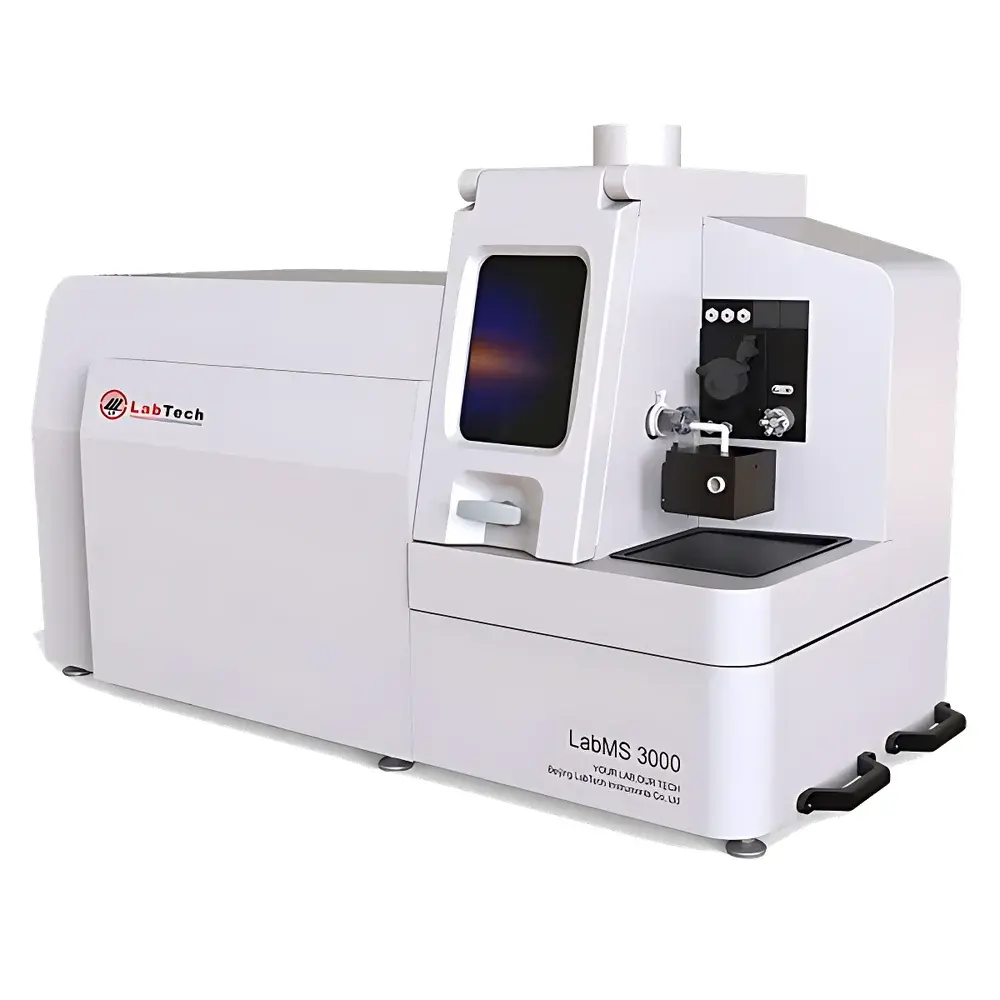
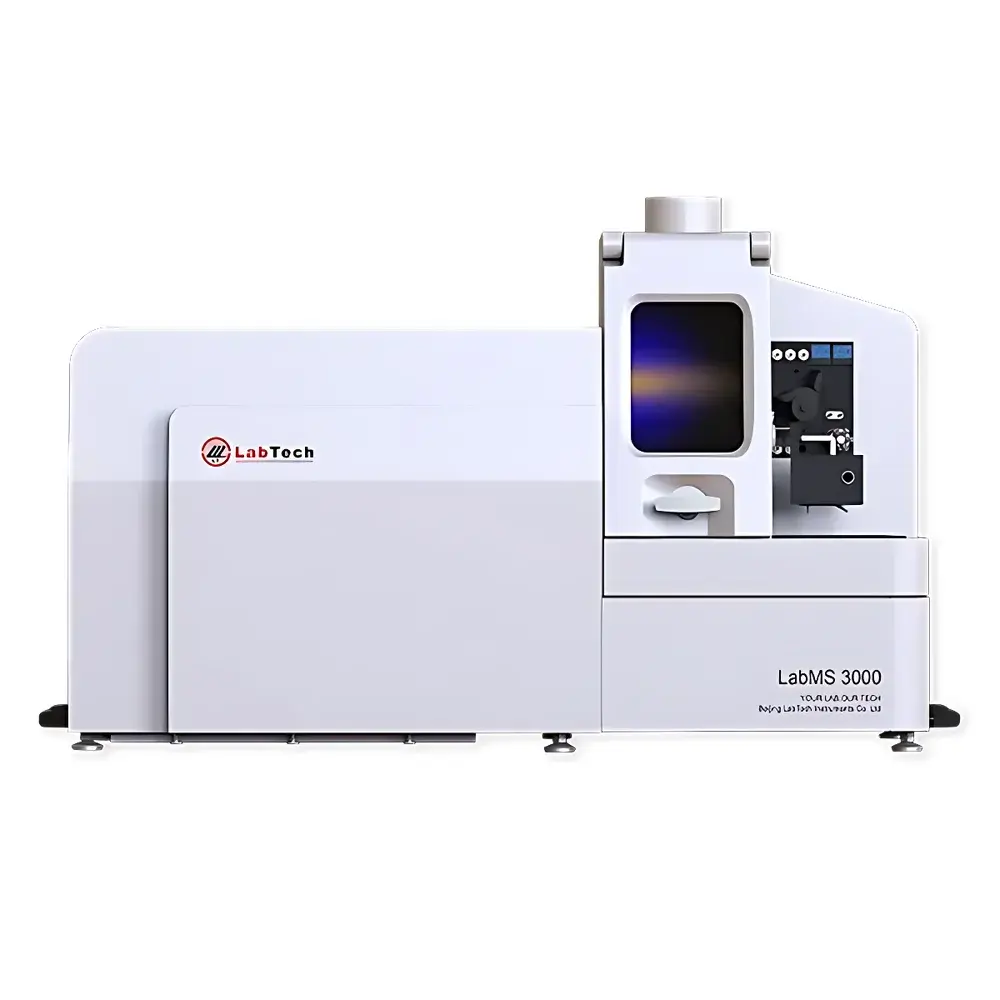
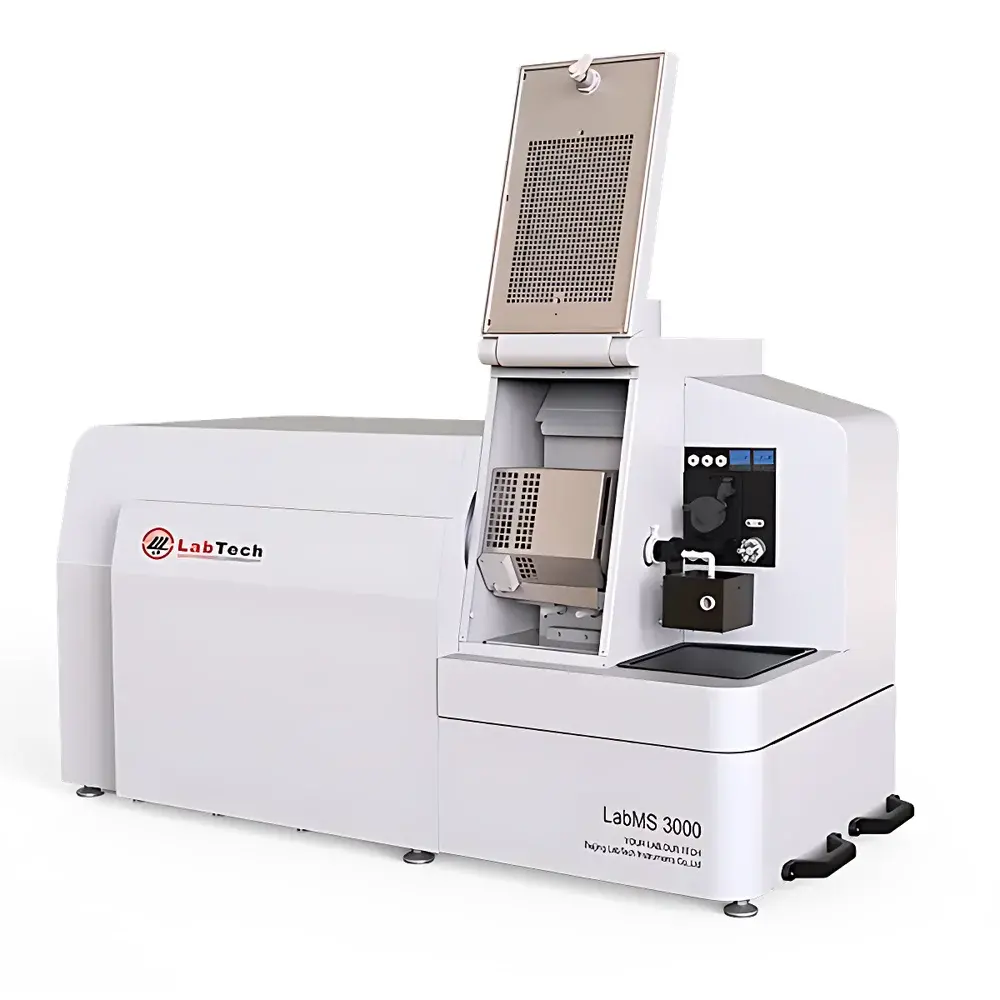
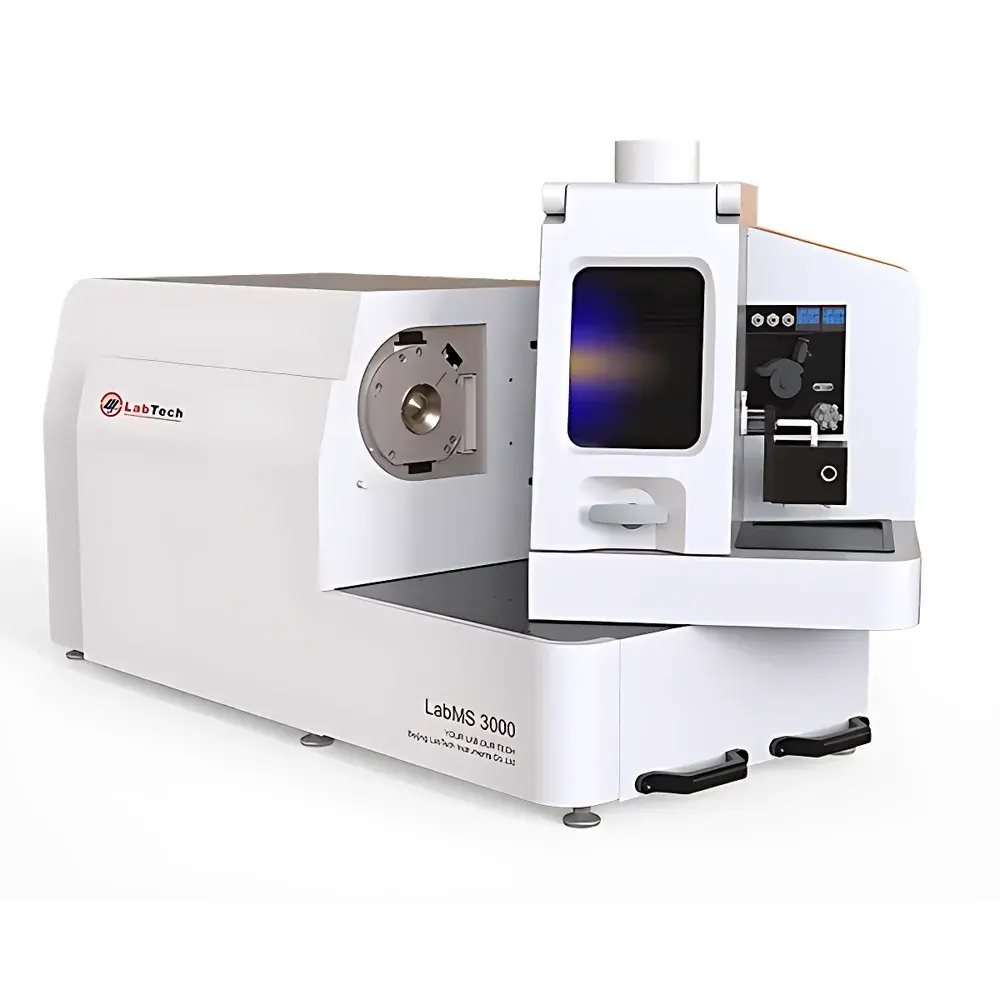
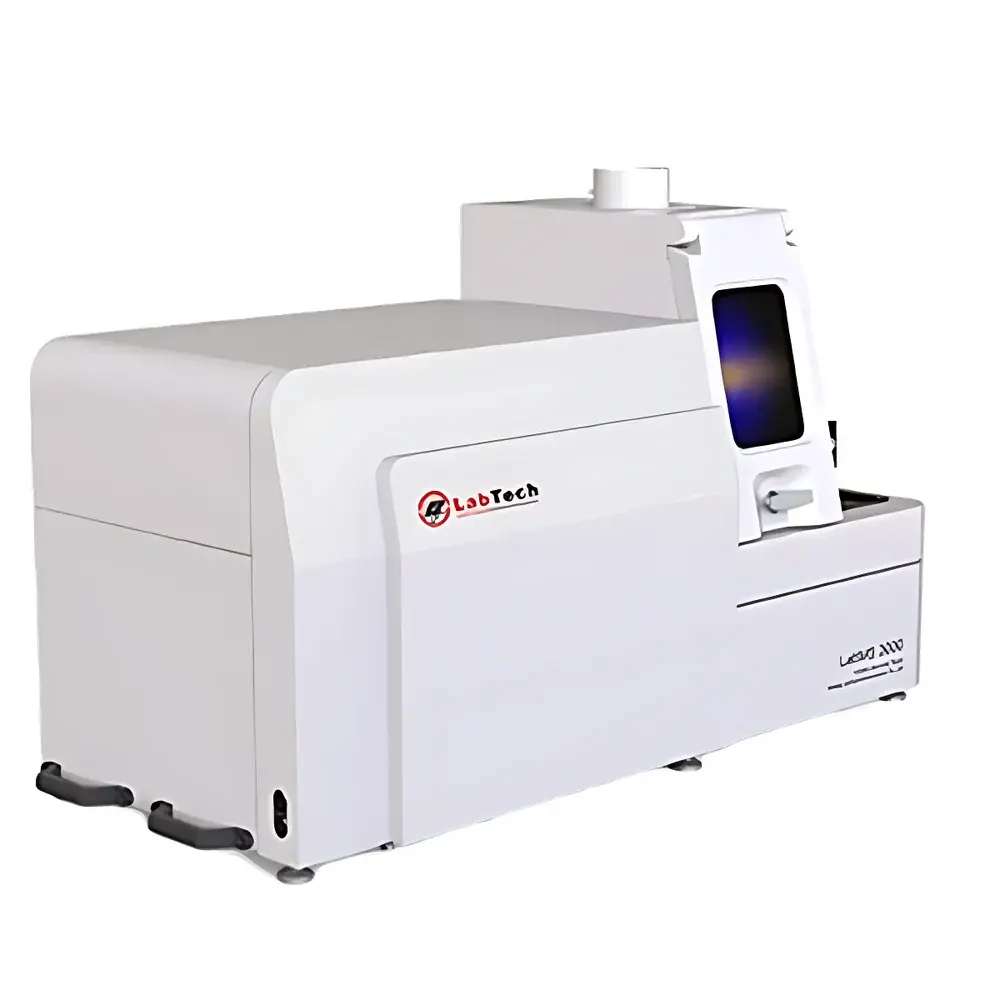
LabTech LabMS 3000 Inductively Coupled Plasma Mass Spectrometer
| Brand | LabTech |
|---|---|
| Origin | Beijing, China |
| Manufacturer Type | Original Equipment Manufacturer (OEM) |
| Product Category | Domestic |
| Model | LabMS 3000 |
| Instrument Type | Quadrupole ICP-MS |
| Application Environment | Laboratory |
| Detection Principle | Inductively Coupled Plasma Ionization + Mass Separation via RF Quadrupole Filter |
| Software Platform | HiMass Intelligent Workstation |
| Safety Architecture | Five-Level Integrated Safety Protection System |
| Maintenance Logging | Automated Scheduled Maintenance Audit Trail |
| Sample Introduction | Integrated High-Matrix Sample Introduction System with On-Line Argon Dilution and Oxygen-Added Organic Sample Desolvation |
Overview
The LabTech LabMS 3000 is a fully indigenous quadrupole-based inductively coupled plasma mass spectrometer engineered for high-precision elemental and isotopic analysis in regulated and research laboratory environments. It employs a robust argon plasma source operating at ~1 kW RF power to achieve efficient atomization, ionization, and excitation of sample aerosols introduced via a high-efficiency nebulizer and spray chamber. Ionized species are extracted through a dual-cone interface into a differentially pumped vacuum system, mass-filtered by a temperature-stabilized RF quadrupole mass analyzer, and detected using a high-gain electron multiplier detector with analog/digital dual-mode acquisition. Designed around fundamental metrological requirements—high mass resolution (unit mass resolution), low background noise, and stable ion transmission—the LabMS 3000 delivers reproducible quantitative performance across ultra-trace (sub-pg g⁻¹) to major-element concentration ranges without dynamic range compression.
Key Features
- Fourth-generation kinetic energy discrimination (KED) collision cell technology with reactive and non-reactive gas options (He, H₂, NH₃) to suppress polyatomic interferences (e.g., 40Ar16O⁺ on 56Fe⁺, 40Ar40Ar⁺ on 80Se⁺) while preserving analyte transmission efficiency
- Integrated high-matrix sample introduction system featuring real-time argon dilution and oxygen-assisted carbon removal for direct analysis of organic solvents (e.g., kerosene, diesel, biological extracts) and saline matrices (e.g., seawater, brines) without offline dilution or matrix separation
- HiMass Intelligent Workstation software compliant with GLP/GMP data integrity principles: full 21 CFR Part 11 audit trail, electronic signatures, method version control, and secure user role management (Administrator, Analyst, Reviewer)
- Five-tier hardware and firmware safety architecture including plasma ignition interlock, cooling water flow/temperature monitoring, vacuum integrity verification, RF generator over-power cutoff, and emergency shutdown sequencing
- Automated maintenance logging with timestamped records of torch cleaning cycles, cone replacement history, detector voltage calibration, and vacuum pump oil change intervals—exportable as CSV for internal QA review or regulatory inspection
Sample Compatibility & Compliance
The LabMS 3000 supports aqueous solutions (0.1–5% v/v HNO₃), organic solvents (methanol, ethanol, MIBK), digested geological/biological matrices (EPA Method 6020B, ISO 17294-2), and high-salinity samples (up to 0.2% TDS) via its adaptive sample introduction module. It meets essential design and operational criteria aligned with ISO/IEC 17025:2017 for testing laboratories, and its software architecture supports compliance with FDA 21 CFR Part 11, EU Annex 11, and CNAS-CL01 requirements. All critical instrument parameters—including RF power, lens voltages, detector gain, and collision gas flow—are traceable to factory-calibrated reference standards and recorded in immutable audit logs.
Software & Data Management
HiMass Intelligent Workstation provides bilingual (English/Chinese) GUI with context-sensitive tooltips, real-time spectral visualization, and guided method setup wizards for tuning, calibration, interference correction, and isotope ratio calculation. Raw data files (.hms) are stored in vendor-neutral HDF5 format with embedded metadata (instrument configuration, operator ID, sample ID, acquisition time, environmental conditions). Batch processing supports ISO 11097-compliant uncertainty propagation, certified reference material (CRM) matching against NIST SRM, JMC, and BCR databases, and customizable reporting templates exportable to PDF, Excel, or LIMS-compatible XML. Remote access and scheduled report generation are supported via secure HTTPS API integration.
Applications
The LabMS 3000 is routinely deployed in environmental monitoring (trace metal speciation in wastewater per EPA 1638), clinical toxicology (blood/urine As, Cd, Pb quantification per CLIA guidelines), geochemical fingerprinting (REE patterns in zircon U–Pb dating), nuclear safeguards (uranium isotopic ratios), and semiconductor-grade material certification (Si, GaAs, InP purity screening per SEMI F57). Its KED collision cell enables reliable detection of challenging isotopes such as 53Cr, 75As, and 113In in complex biological digests where conventional quadrupole ICP-MS systems exhibit elevated oxide and doubly charged ion backgrounds.
FAQ
Does the LabMS 3000 support isotope ratio measurements for geochronology applications?
Yes—when operated in Faraday cup mode (optional upgrade) with multi-collector configuration and external standard bracketing, it achieves long-term precision of ≤0.05% RSD for 206Pb/204Pb ratios under routine lab conditions.
Is the HiMass workstation compatible with third-party LIMS platforms?
Yes—it provides ODBC/JDBC drivers and RESTful API endpoints for bidirectional data exchange with Thermo Fisher SampleManager, LabVantage, STARLIMS, and custom-built laboratory informatics systems.
What preventive maintenance intervals are recommended for routine operation?
Daily: torch inspection and nebulizer cleaning; Weekly: skimmer cone ultrasonic cleaning; Quarterly: quadrupole alignment verification and detector gain calibration; Annually: vacuum pump oil replacement and RF matching network recalibration.
Can the LabMS 3000 analyze halogen elements (Cl, Br, I) directly?
Yes—using oxygen reaction mode in the collision cell to convert Cl⁺ to ClO⁺ (m/z 51), Br⁺ to BrO⁺ (m/z 95), and I⁺ to IO⁺ (m/z 143), thereby avoiding argon-based interferences and enabling sub-ng L⁻¹ detection in aqueous standards.
Is remote diagnostics and firmware update capability available?
Yes—via secure TLS-encrypted connection to LabTech’s authorized service portal, enabling real-time performance telemetry, automated error log submission, and controlled firmware patch deployment with rollback functionality.





