LabTech Comprehensive Laboratory Planning & Design Services
| Brand | LabTech |
|---|---|
| Origin | Beijing, China |
| Manufacturer Type | Direct Manufacturer |
| Product Origin | Domestic (China) |
| Model | LabTech-1 |
| Pricing | Available Upon Request |
Overview
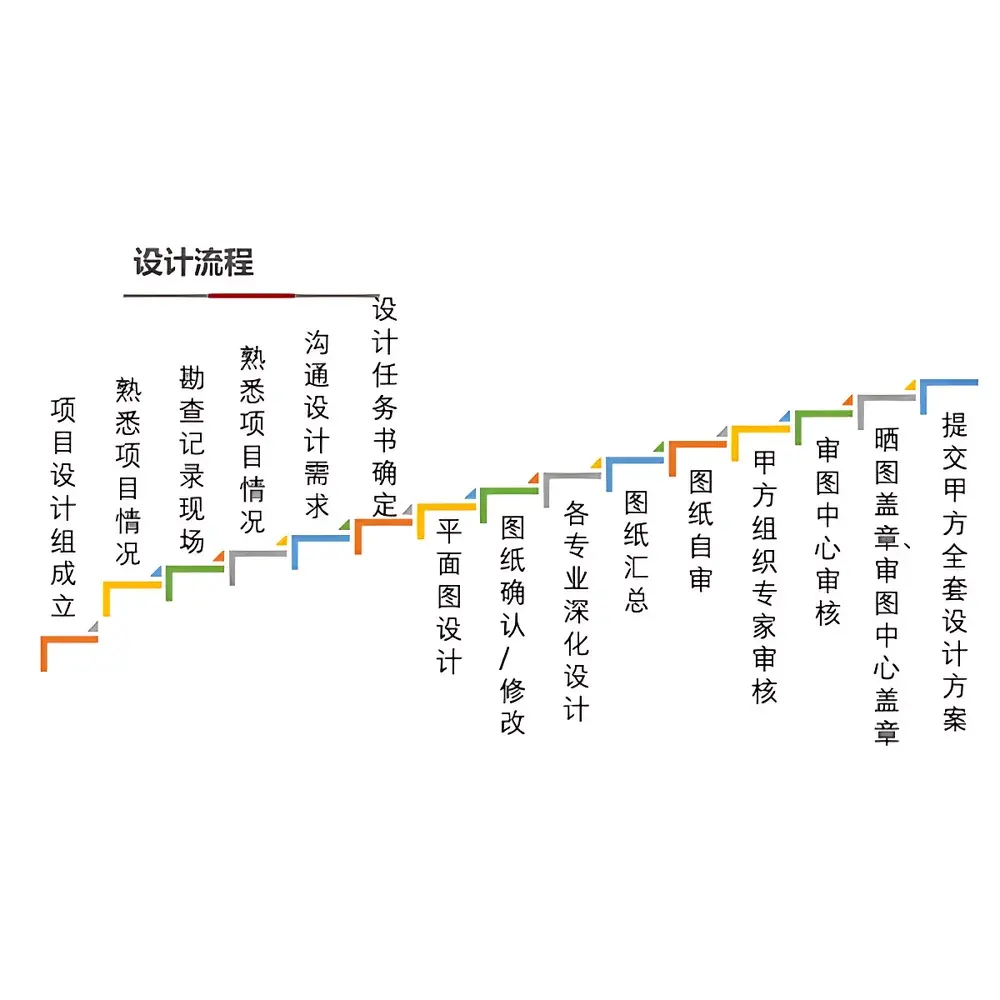
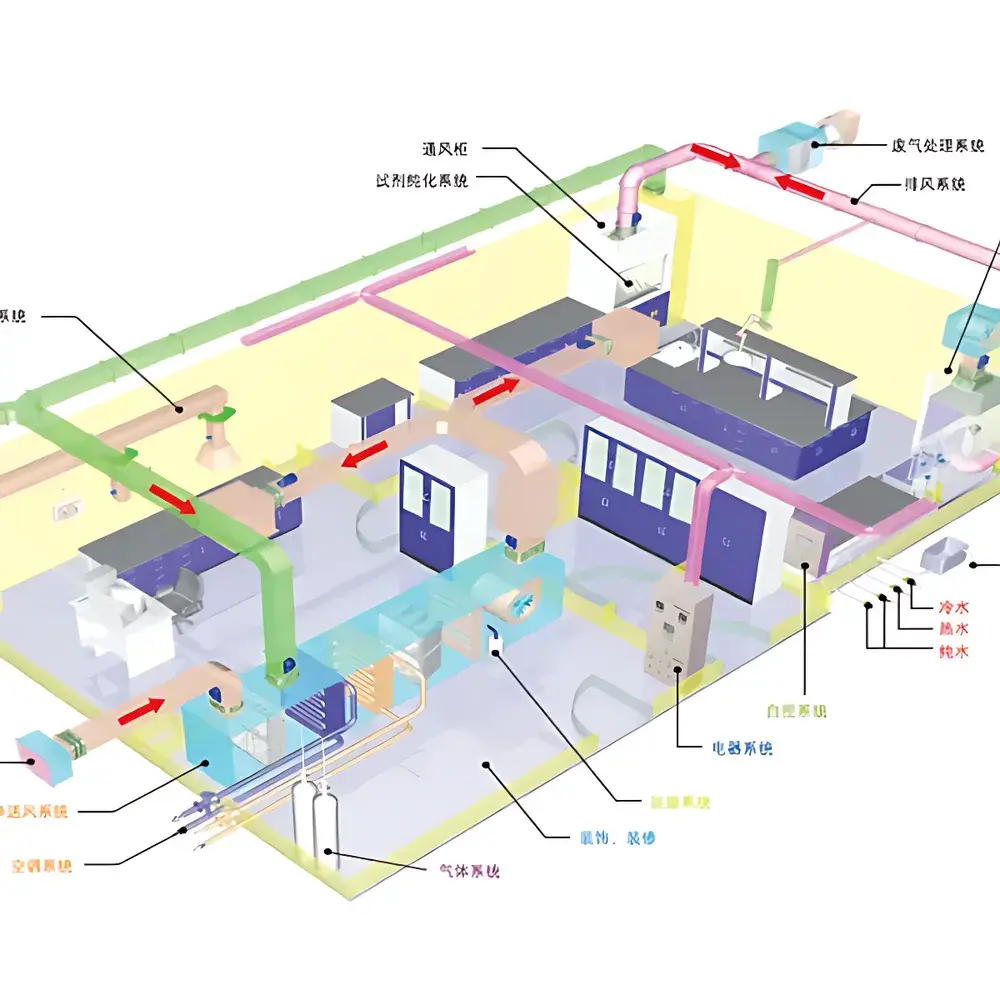
LabTech Comprehensive Laboratory Planning & Design Services represent a fully integrated, engineering-led approach to laboratory facility development—applicable to new construction, expansion, or retrofit projects across academic, pharmaceutical, clinical, industrial, and regulatory-compliant research environments. Unlike conventional architectural design services, LabTech’s methodology is grounded in process-driven “Process-First” (or “Technology-First”) planning: every spatial layout, utility routing, and infrastructure specification is derived from validated operational workflows, equipment footprint requirements, and analytical method constraints. This ensures that the physical laboratory environment is not merely architecturally sound, but functionally optimized for reproducible science, personnel safety, regulatory traceability, and long-term adaptability. The service encompasses full-cycle support—from initial functional programming and space programming through schematic design, technical specifications, MEP (mechanical, electrical, plumbing) coordination, HVAC system validation (including ISO 14644-1 Class compliance for cleanrooms), fume hood performance verification (per ASHRAE 110), and final commissioning documentation aligned with GLP, GMP, and ISO/IEC 17025 frameworks.
Key Features
- Process-Centric Layout Engineering: Spatial configuration driven by analytical workflow analysis—not aesthetic or generic zoning—ensuring minimal cross-contamination risk, logical sample/instrument/data flow, and ergonomic operator positioning.
- Instrument-Integrated Infrastructure Design: Pre-validated utility provisions—including vibration-isolated foundations for electron microscopes and AFMs, dedicated grounding for mass spectrometers, stable voltage regulation for HPLC/ICP-MS systems, and gas purity delivery networks compliant with ASTM D6866 and ISO 8573-1.
- Regulatory-Ready Documentation Package: Deliverables include IFC-compliant BIM models (Revit), ASME B31.3-compliant piping isometrics, HVAC duct static pressure loss calculations, fire-rated barrier schematics per NFPA 45, and environmental monitoring point layouts meeting USP and EU GMP Annex 1 requirements.
- Multi-Disciplinary Coordination: Seamless integration of structural, electrical, mechanical, chemical safety, and IT infrastructure teams—coordinated through LabTech’s in-house engineering review board to resolve interface conflicts before construction commencement.
- Sustainability & Lifecycle Optimization: Energy modeling (using DOE-2/EnergyPlus) for HVAC load reduction; low-VOC material specifications per LEED v4.1 BD+C credits; modular casework and utility distribution systems enabling future reconfiguration without structural modification.
Sample Compatibility & Compliance
LabTech’s planning framework supports laboratories handling diverse sample classes—including volatile organic compounds (VOCs), cytotoxic agents, radioactive isotopes (up to Category 3), nanomaterials, and high-potency active pharmaceutical ingredients (HPAPIs). All designs adhere to jurisdictional building codes (IBC, IMC, IPC), occupational health standards (OSHA 1910.120, 1910.1450), and international laboratory safety benchmarks (ANSI Z9.5, ISO 15190:2020). For regulated environments, documentation packages include audit-ready traceability matrices linking each design decision to relevant clauses in FDA 21 CFR Part 11, EU Annex 15, and WHO TRS 986 Annex 5.
Software & Data Management
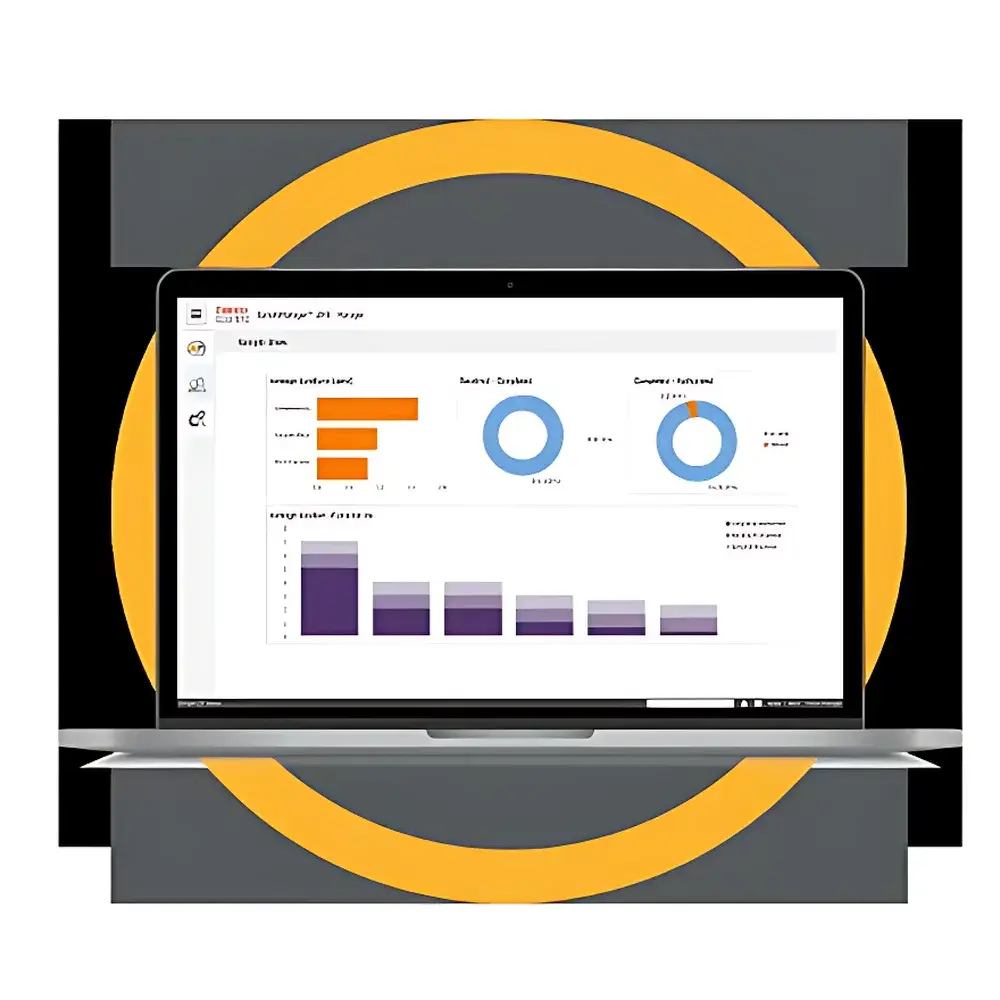
Design deliverables are generated and managed via LabTech’s proprietary Laboratory Infrastructure Digital Twin Platform (LIDTP), a cloud-based BIM-integrated system supporting real-time collaboration among architects, engineers, end-users, and QA/QC reviewers. LIDTP enforces version-controlled change management, automated clash detection (with Navisworks), and embedded compliance checklists for ISO/IEC 17025 clause mapping. All as-built documentation is structured for direct ingestion into enterprise laboratory information management systems (LIMS) and computerized maintenance management systems (CMMS), enabling seamless transition from design to operational qualification (OQ) and preventive maintenance scheduling.
Applications
- Pharmaceutical R&D and QC laboratories requiring ALCOA+ data integrity alignment
- Centralized clinical testing facilities operating under CLIA and CAP accreditation
- Government metrology institutes needing traceable environmental control (temperature, humidity, particulates)
- University core facilities supporting multi-user instrumentation (NMR, TEM, XRD) with shared infrastructure governance
- Contract development and manufacturing organizations (CDMOs) scaling from pilot to commercial production labs
FAQ
Does LabTech provide turnkey construction management?
No—LabTech delivers design, engineering, and commissioning oversight services only. Construction execution remains the responsibility of licensed general contractors; however, LabTech provides bid package review, contractor pre-qualification support, and on-site technical supervision during critical installation phases.
Can LabTech integrate third-party instrument specifications into the design?
Yes—clients may submit OEM technical requirement documents (TRDs) for any analytical or support equipment; LabTech’s engineering team translates these into actionable infrastructure specifications and validates compatibility against site constraints.
Is BIM modeling included in standard scope?
Yes—Level of Development (LOD) 300 BIM deliverables are standard for all projects exceeding 500 m²; LOD 350 is provided for cleanroom or containment-critical zones.
How does LabTech ensure alignment with local permitting authorities?
LabTech maintains active engagement with municipal plan review offices in >12 Chinese provinces and offers jurisdiction-specific code interpretation reports, including fire department submittals, hazardous materials storage compliance summaries, and seismic anchorage calculations per GB 50011.
Related Products