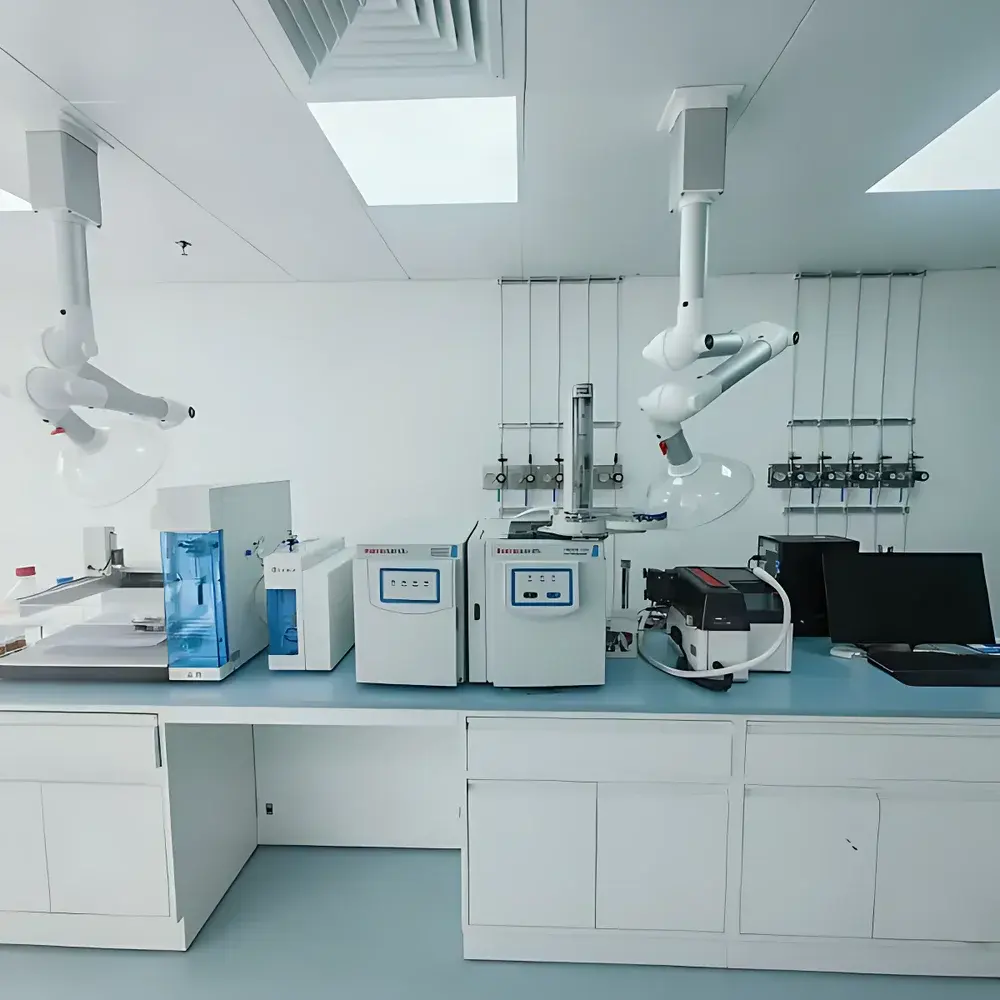
LabTech LabTech-7 Comprehensive Laboratory Planning & Design Service
| Brand | LabTech |
|---|---|
| Origin | Beijing, China |
| Manufacturer Type | Direct Manufacturer |
| Product Origin | Domestic (China) |
| Model | LabTech-7 |
| Pricing | Available Upon Request |
Overview
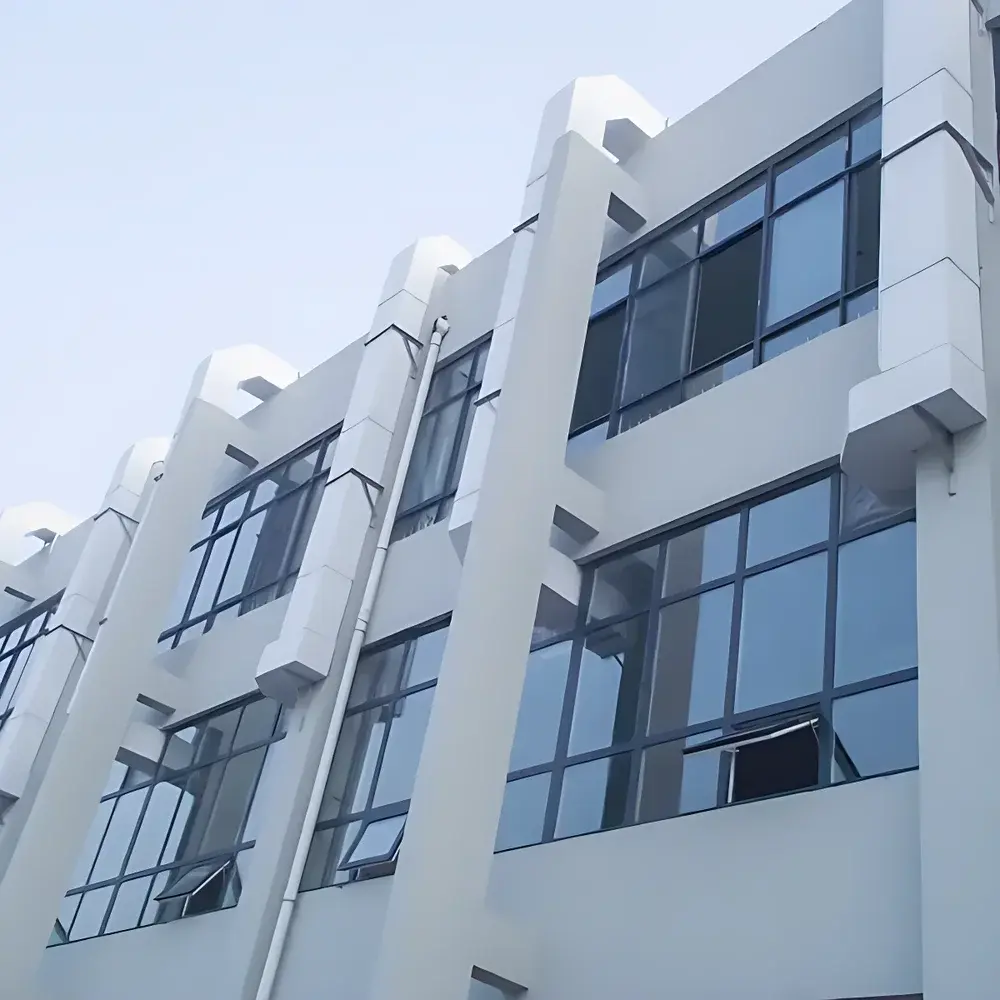
The LabTech LabTech-7 Comprehensive Laboratory Planning & Design Service is a turnkey engineering solution for the functional, safe, and regulatory-compliant layout and integration of modern analytical and research laboratories. Unlike standalone equipment offerings, this service encompasses architectural coordination, HVAC system engineering—including dedicated fume hood exhaust, instrument-specific ventilation, and room-level air change management—and full integration with building automation systems. The design methodology follows first-principles engineering grounded in ASHRAE Handbook–HVAC Applications (Chapter 15: Laboratories), ISO 14644-1 cleanroom classification logic (where applicable), and NFPA 45 standards for fire and chemical safety in laboratory environments. Central to the LabTech-7 framework is its adaptive airflow architecture: variable-air-volume (VAV) control for fume hoods ensures precise face velocity maintenance (0.3–0.5 m/s per ANSI Z9.5), dynamic response to sash position changes, and real-time synchronization with make-up air systems to preserve negative pressure differentials across containment zones.
Key Features
- VAV-controlled fume hood exhaust system with individual inverter-driven fans—enabling per-unit on/off operation and energy optimization without compromising containment integrity.
- Dedicated instrument exhaust pathways: stainless-steel canopy hoods (400 × 400 mm) rated ≥500 m³/h; flexible-arm fume extractors ≥200 m³/h—both engineered to meet OSHA 29 CFR 1910.1200 and CLSI GP31-A5 vapor capture requirements.
- Acoustically treated steel centrifugal fan units mounted within ceiling plenums—internally lined with sound-absorbing mineral wool (NRC ≥0.85) to maintain ambient noise ≤55 dBA at 1 m distance.
- Electrically actuated airtight dampers installed in all exhaust duct runs—preventing backdraft during fan shutdown or power loss per EN 1751 Class C leakage criteria.
- Continuous 24/7 room-level exhaust with minimum 6 air changes per hour (ACH), programmable via BMS to shift between occupancy and standby modes while retaining minimum purge rates for volatile residue clearance.
- Integrated make-up air system with temperature and humidity setpoint control—designed to offset exhaust volume while maintaining stable lab pressure differentials (–5 to –15 Pa relative to corridor) as required under ISO 14644-1 and EU GMP Annex 1.
Sample Compatibility & Compliance
The LabTech-7 design framework supports compatibility with a broad spectrum of instrumentation—including ICP-MS, GC-MS, HPLC-MS, XRD, and benchtop SEM—through pre-engineered exhaust interface specifications and structural load allowances. All ventilation components comply with ASTM E1782 (ductwork construction), UL 705 (fan safety), and EN 12101-3 (smoke and heat control). Documentation packages include ASME B31.9-compliant duct stress analysis reports, NFPA 90A-certified airflow validation protocols, and commissioning test records aligned with ISO/IEC 17025 Clause 5.3.2 for testing and calibration laboratories.
Software & Data Management
The LabTech-7 service includes integration-ready BACnet MS/TP or Modbus TCP interfaces for connection to third-party building management systems (BMS). Real-time monitoring dashboards—accessible via secure web portal—display live metrics including fume hood face velocity, static pressure differential across zones, total exhaust flow rate, and damper position feedback. Audit trails are maintained in accordance with FDA 21 CFR Part 11 requirements, supporting electronic signature capability, user role-based access control, and immutable event logging for GLP/GMP-regulated facilities.
Applications
This service is deployed across pharmaceutical QC/QA labs, university core analytical facilities, environmental testing centers, and contract research organizations (CROs). Typical use cases include retrofitting legacy spaces to meet updated NIH Design Requirements for Laboratories, designing new ISO Class 7 cleanrooms with integrated chemical fume management, and establishing multi-tenant shared lab infrastructure with zoned pressure cascades and independent exhaust trains per discipline (e.g., organic synthesis vs. radiochemistry).
FAQ
Does LabTech provide post-installation validation and certification?
Yes—comprehensive commissioning includes ASHRAE 110 tracer gas testing for fume hood containment, duct leakage verification per SMACNA standards, and final report generation compliant with ISO/IEC 17025 and EU GMP Annex 15.
Can the LabTech-7 system integrate with existing BMS platforms?
Yes—native BACnet IP, Modbus TCP, and LonWorks interfaces are supported; protocol mapping and gateway configuration are included in the scope of service.
Is hazardous waste gas treatment included in the standard offering?
No—exhaust scrubber or carbon adsorption unit selection, sizing, and integration are scoped separately based on chemical inventory assessment and local environmental authority requirements (e.g., EPA 40 CFR Part 63, EU IPPC Directive).
What documentation is delivered upon project completion?
A complete as-built package including HVAC schematics, duct pressure loss calculations, equipment submittal data sheets, sequence-of-operations narratives, and validation protocols—all stamped by a licensed mechanical engineer registered in the project jurisdiction.