
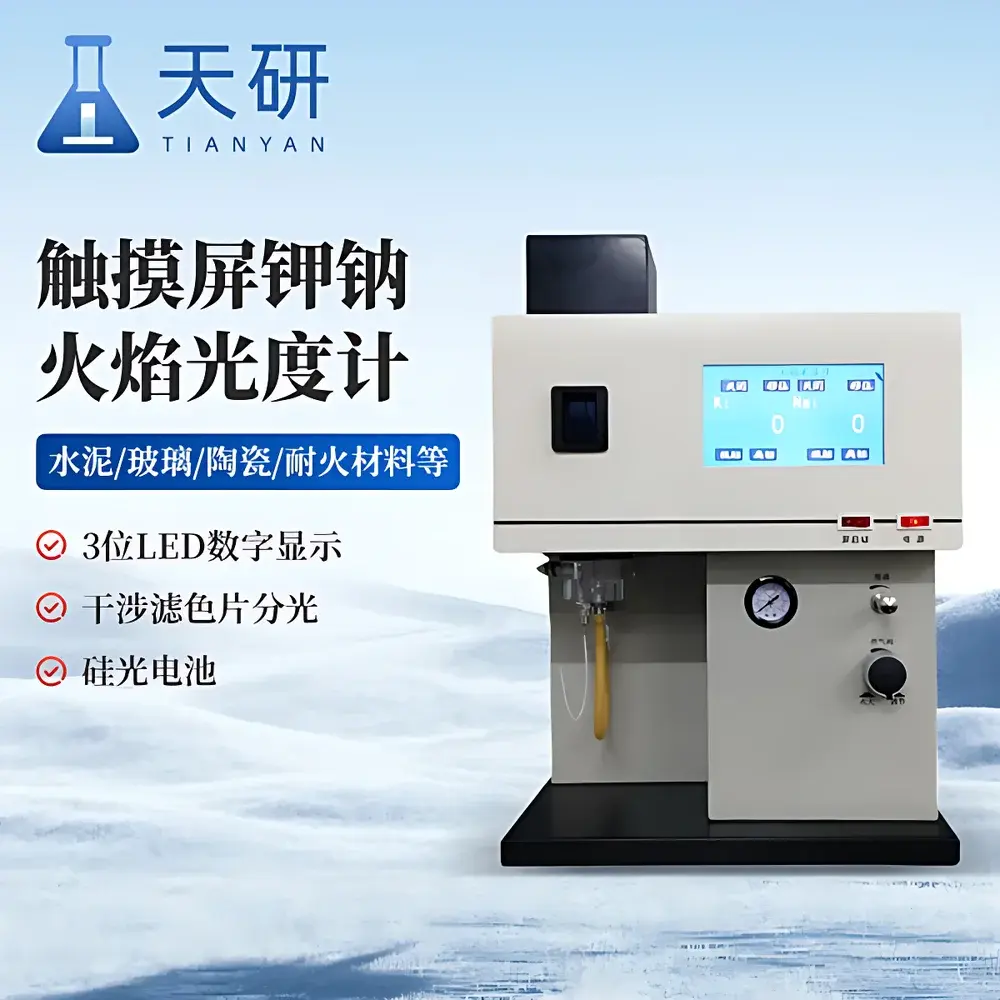
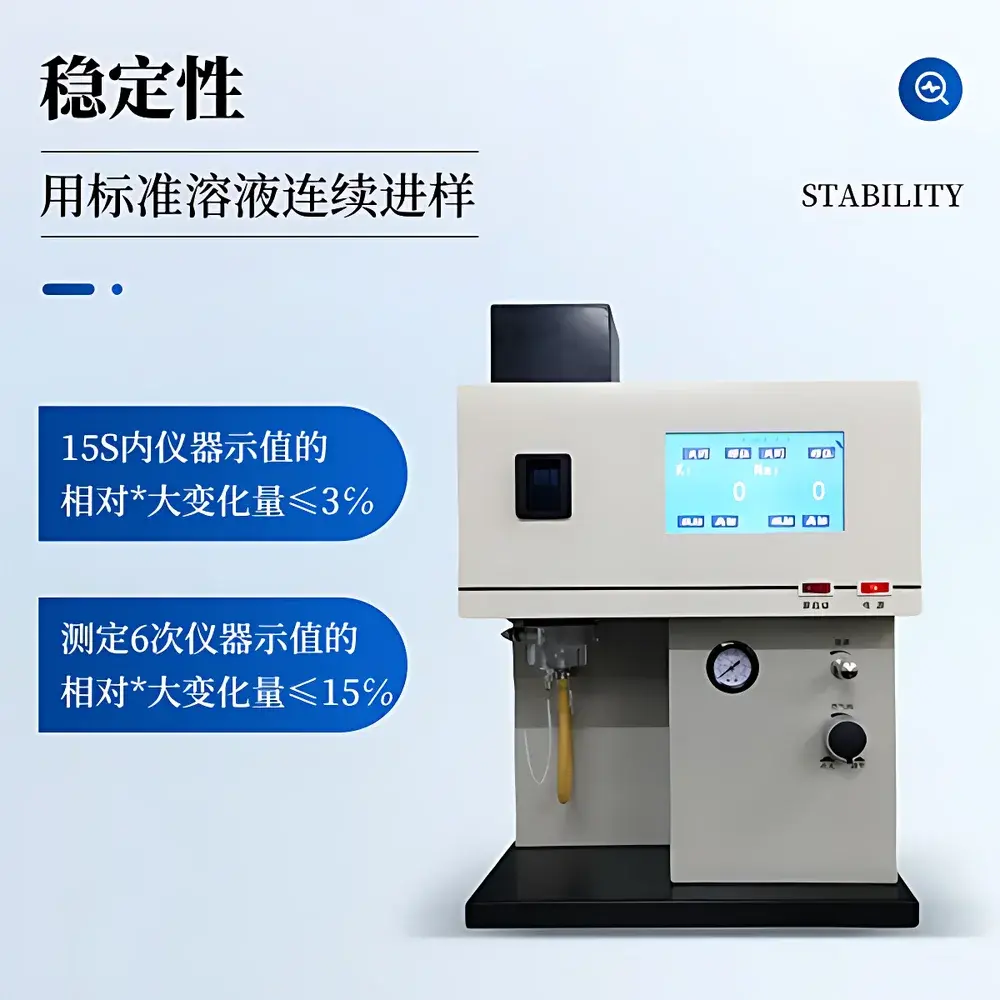
Tianyan TY-FP640 Touchscreen Flame Photometer
| Brand | Tianyan |
|---|---|
| Origin | Shandong, China |
| Manufacturer | Tianyan Instrument Co., Ltd. |
| Model | TY-FP640 |
| Response Time | < 8 s |
| Repeatability | ≤ 3% |
| Detection Principle | Flame Emission Spectroscopy (FES) |
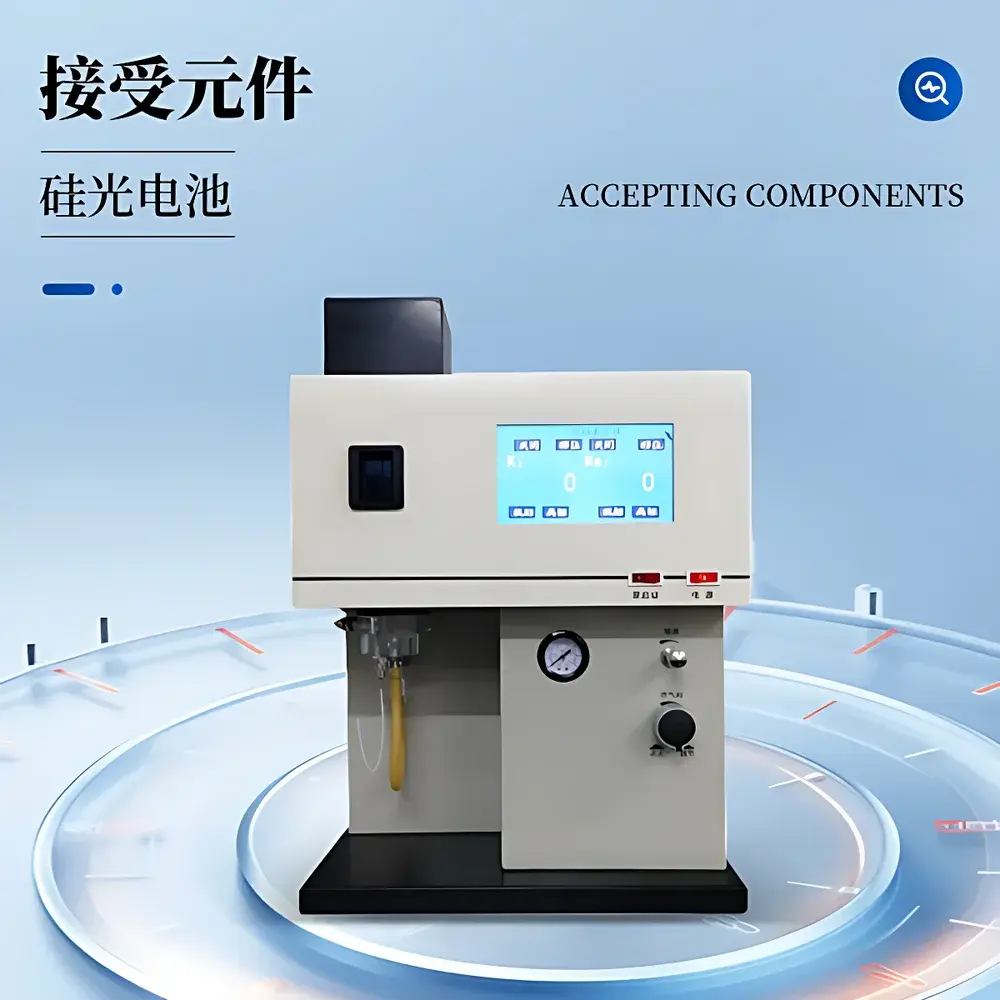
| Detector | Silicon Photocell |
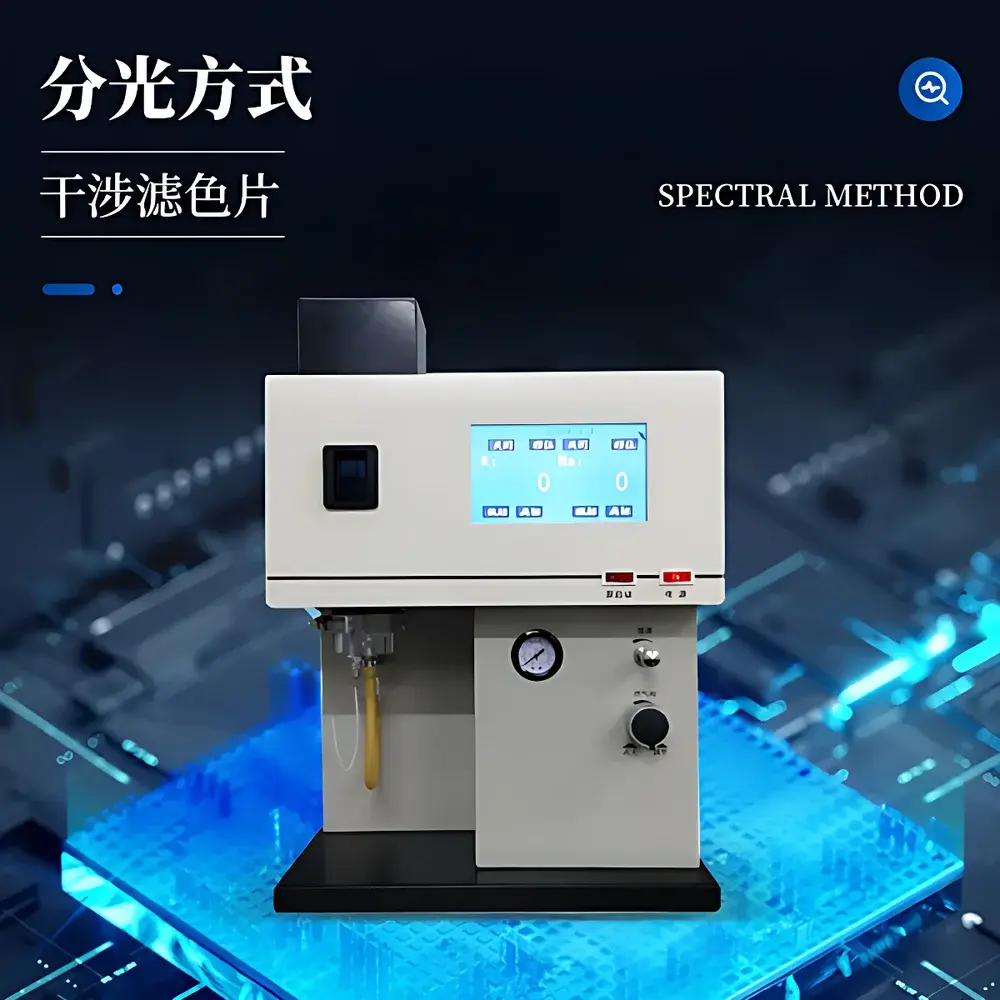
| Wavelength Selection | Interference Filter |
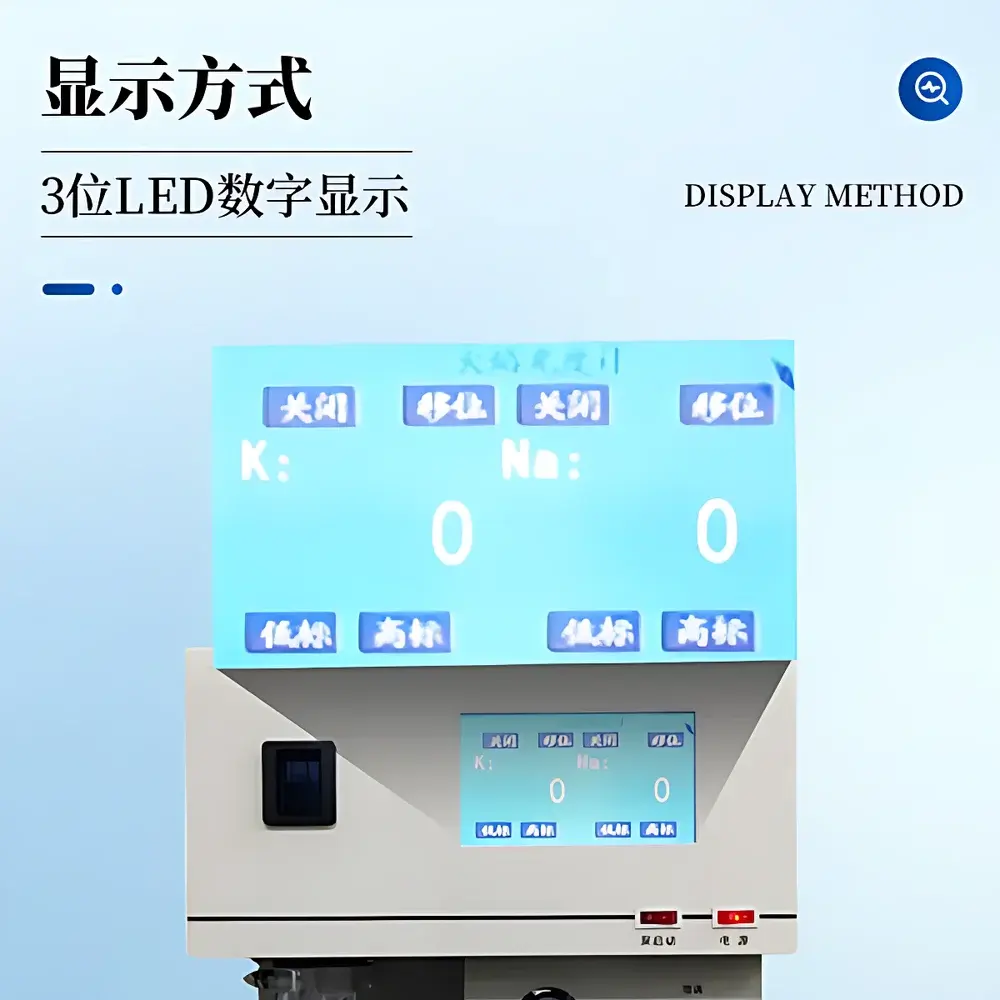
| Display | 3-digit LED |
| Stability (15 s) | ≤ 3% RSD |
| Stability (6 min, 6 readings) | ≤ 15% RSD |
| Linearity Error | K ≤ 0.005 mmol/L |
| Sample Aspiration Rate | < 6 mL/min |
| Operating Temperature | 10–35 °C |
| Relative Humidity | ≤ 85% RH |
| Power Supply | 220 V ± 22 V, 50 Hz ± 1 Hz, Grounded |
| Rated Power | 250 W |
| Dimensions (W×D×H) | 400 × 250 × 500 mm |
| Weight | 12.5 kg |
| Standard Configuration | Main unit, air compressor, accessories & spare parts |
Overview
The Tianyan TY-FP640 Touchscreen Flame Photometer is a dedicated benchtop analytical instrument engineered for the quantitative determination of alkali and alkaline earth metals—primarily potassium (K) and sodium (Na)—via flame emission spectroscopy (FES). This technique relies on atomization of liquid samples in a controlled air-propane or liquefied petroleum gas (LPG) flame, followed by thermal excitation of valence electrons to higher energy states. Upon relaxation to ground-state orbitals, atoms emit photons at characteristic wavelengths (e.g., 766.5 nm for K, 589.0 nm for Na), the intensity of which correlates linearly with elemental concentration within defined dynamic ranges. The TY-FP640 implements a fixed-wavelength optical path using high-transmission interference filters—optimized for K and Na spectral lines—to isolate target emissions and suppress background radiation. Its silicon photocell detector provides stable, low-noise signal acquisition, while the integrated touchscreen interface enables intuitive calibration, measurement, and data review without external PC dependency.
Key Features
- Capacitive touchscreen interface with multilingual menu support (English default), enabling direct method selection, calibration curve setup, and real-time signal monitoring.
- Dual-channel measurement capability for simultaneous or sequential K/Na analysis, reducing sample throughput time and cross-contamination risk.
- Optimized burner head design with adjustable air-to-fuel ratio control ensures consistent flame temperature and atomization efficiency across varying sample matrices.
- Integrated air compressor eliminates need for external compressed air supply—reducing footprint and installation complexity.
- Thermal management system maintains optical alignment stability during extended operation; housing conforms to IP20 environmental rating for laboratory use.
- Compliance-ready architecture supports manual audit trail logging (date/time-stamped calibration and measurement records) in accordance with GLP documentation requirements.
Sample Compatibility & Compliance
The TY-FP640 accepts aqueous liquid samples—including serum, urine, soil extracts, fertilizer solutions, and industrial process liquors—within pH 4–9 and total dissolved solids (TDS) < 0.5%. Samples require minimal pretreatment: filtration (0.45 µm), dilution (if above linear range), and acidification (with HNO₃ or HCl) to prevent precipitation. It meets essential performance criteria referenced in ISO 6955:2007 (Flame photometric determination of potassium and sodium in water) and ASTM D1293–22 (Standard Test Method for Electrical Conductivity and pH of Water). While not 21 CFR Part 11–certified out-of-the-box, its manual log functionality aligns with FDA-expected practices for non-automated clinical analyzers under CLIA-waived or moderate-complexity testing environments.
Software & Data Management
Data handling is performed locally via embedded firmware. All calibration parameters (zero point, slope, correlation coefficient), measurement results, and user actions are stored in non-volatile memory with timestamping. Up to 200 sample records can be retained onboard; export is supported via USB flash drive in CSV format for traceable transfer to LIMS or Excel-based QA/QC review. No proprietary software installation is required. Firmware updates are delivered via downloadable .bin files and applied through the touchscreen utility menu—ensuring long-term maintainability without vendor lock-in.
Applications
- Environmental laboratories quantifying K⁺/Na⁺ in groundwater, wastewater, and leachates per EPA Method 200.7 adaptations.
- Clinical chemistry labs performing routine electrolyte screening in serum and urine—validated against reference methods per CLSI EP9-A3 guidelines.
- Agricultural testing centers assessing exchangeable K/Na in soil extracts (e.g., ammonium acetate or Mehlich-3 extracts) for fertility mapping.
- Building materials QA/QC: rapid analysis of alkali content in cement clinker, glass cullet, and ceramic glazes to predict efflorescence potential.
- Pharmaceutical manufacturing: verification of sodium content in lyophilized formulations and buffer solutions prior to release.
FAQ
What gases are compatible with the TY-FP640?
The instrument is configured for propane or liquefied petroleum gas (LPG); natural gas is not supported due to differing stoichiometric combustion characteristics.
Is external calibration verification required before each batch?
Yes—per ISO 6955:2007, a mid-range standard must be analyzed every 10 samples or hourly, whichever occurs first, to confirm instrument linearity and drift tolerance.
Can the TY-FP640 measure lithium or calcium?
No—the optical path is factory-aligned exclusively for K (766.5 nm) and Na (589.0 nm); no filter interchangeability or wavelength scanning capability is provided.
What maintenance intervals are recommended?
Daily: nebulizer cleaning with 5% HNO₃; weekly: burner cap inspection and air compressor oil check; annually: photocell sensitivity validation using NIST-traceable standards.
Does the unit include regulatory documentation for EU CE marking?
Yes—the manufacturer supplies Declaration of Conformity (DoC) referencing EN 61010-1:2010 (Safety Requirements for Electrical Equipment for Measurement) and EN 61326-1:2013 (EMC for Laboratory Instruments).






