
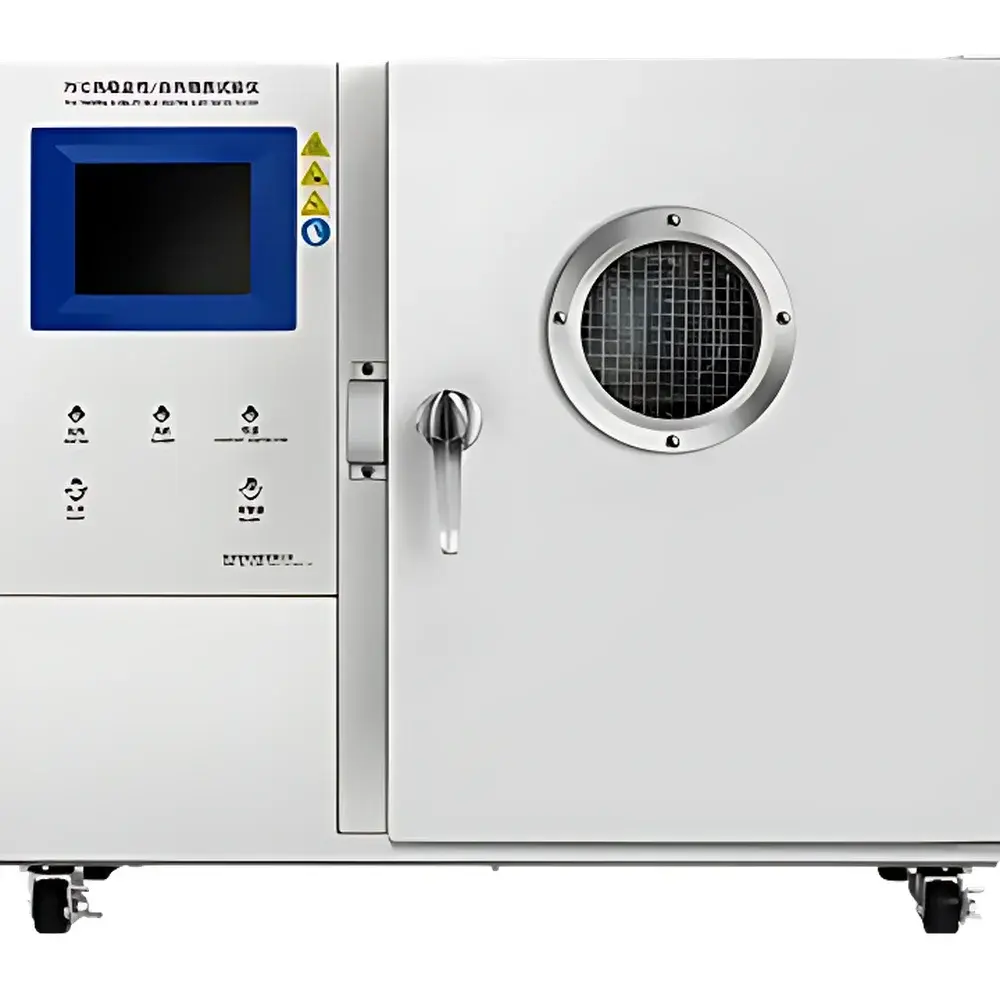
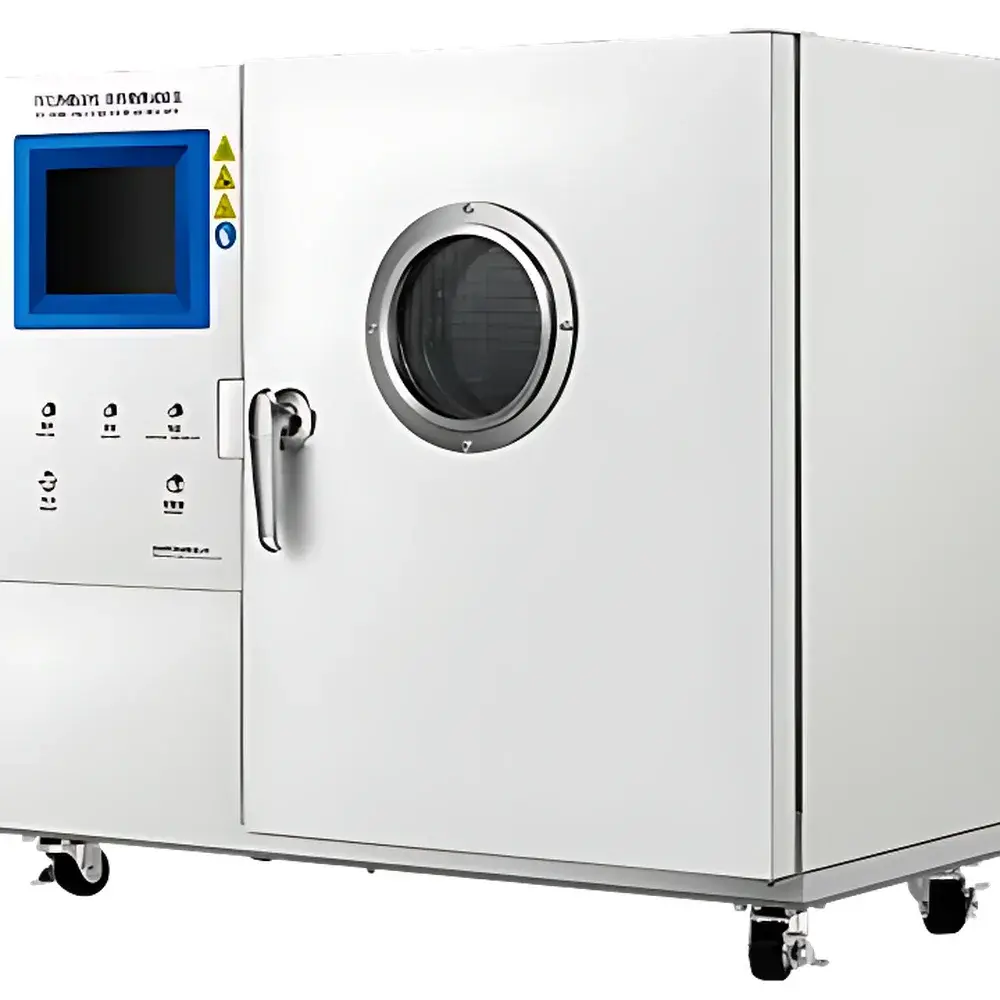
Young Instruments HWP01-20S Thermal Stability and Self-Heating Substance Tester (75 °C)
| Brand | Young Instruments |
|---|---|
| Origin | Zhejiang, China |
| Manufacturer Type | Authorized Distributor |
| Country of Origin | China |
| Model | HWP01-20S |
| Pricing | Upon Request |
Overview
The Young Instruments HWP01-20S Thermal Stability and Self-Heating Substance Tester is a purpose-built instrument engineered for regulatory-compliant screening of hazardous chemical substances under controlled thermal conditions. It implements the standardized adiabatic–isothermal hybrid method defined in the UN Manual of Tests and Criteria (Rev. 7, Part III, Section 33.2.1 and 33.3.1.6) to assess whether a substance exhibits self-heating behavior or thermal instability when held at 75 °C for 48 hours. The system operates on the principle of differential temperature monitoring: a test sample and an inert reference material (e.g., silicon carbide or alumina) are simultaneously exposed within a thermally uniform chamber; any sustained temperature rise of the sample relative to the reference—exceeding predefined thresholds—indicates exothermic self-heating activity. This measurement paradigm directly supports classification under UN Class 4.2 (Substances Liable to Spontaneous Combustion) and informs hazard communication per GHS Chapter 2.9. The instrument is validated for use with explosive substances, desensitized explosives, self-reactive substances, and organic peroxides, as specified in GB/T 21612–2008, EN 13631-2:2002, NY/T 1860–2010, and GAT 536–2005.
Key Features
- Dual-mode operation: seamlessly integrates both the 75 °C thermal stability test (UN Test N.4) and the self-heating substance test (UN Test N.5) within a single platform, eliminating cross-instrument calibration drift and procedural inconsistency.
- Embedded Windows CE control system with 8-inch resistive touchscreen interface, enabling intuitive parameter configuration, real-time status visualization, and on-device data review without external PC dependency.
- Forced-air convection heating architecture with three-point independent thermocouple monitoring (top/mid/bottom), ensuring spatial temperature uniformity ≤ ±1.0 °C below 140 °C and traceable to NIST-traceable reference standards.
- Digital PID temperature regulation with ±1 °C setpoint accuracy and ≤0.5 °C temporal fluctuation over 48-h dwell periods, verified per IEC 60068-3-5.
- Integrated safety engineering: front-mounted borosilicate observation window rated to 60 kPa burst pressure; rear-mounted pressure-relief door activated at ≥2.5 kgf internal force; automatic acoustic/visual fault alerts for sensor failure, overtemperature, or door integrity loss.
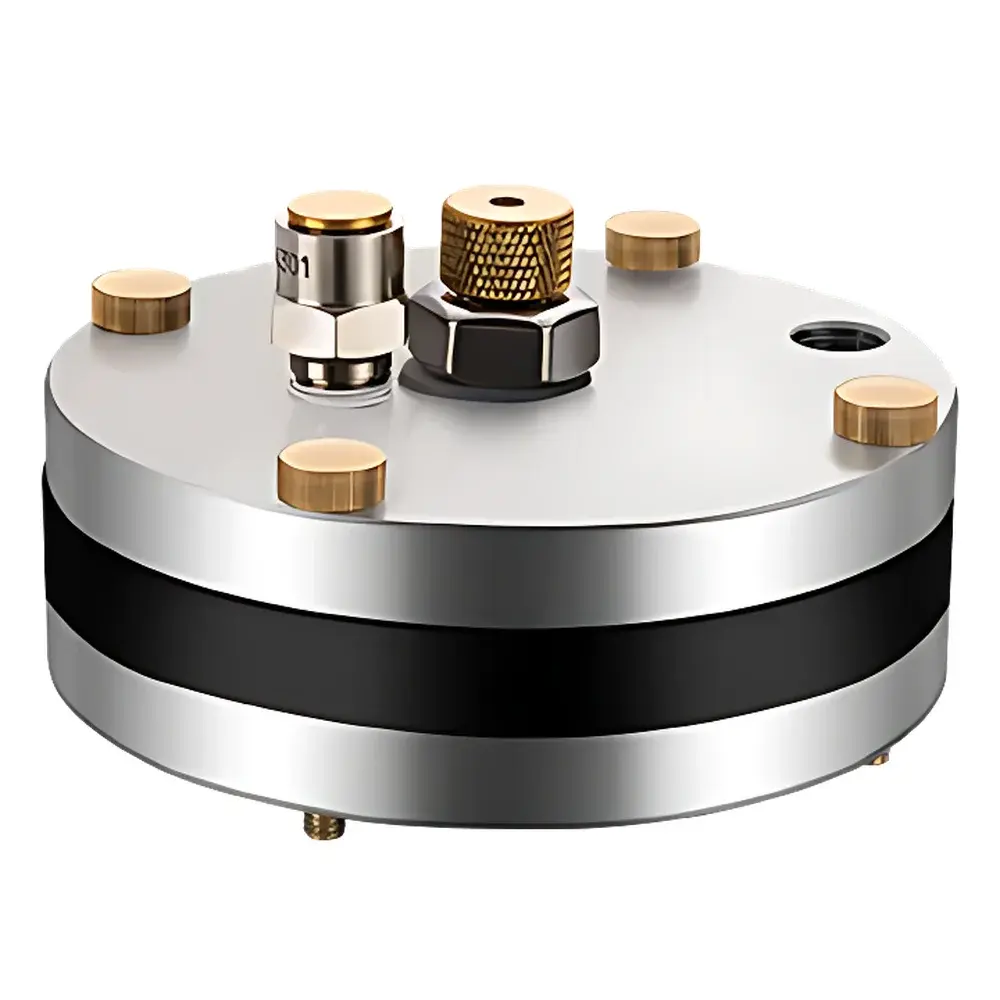
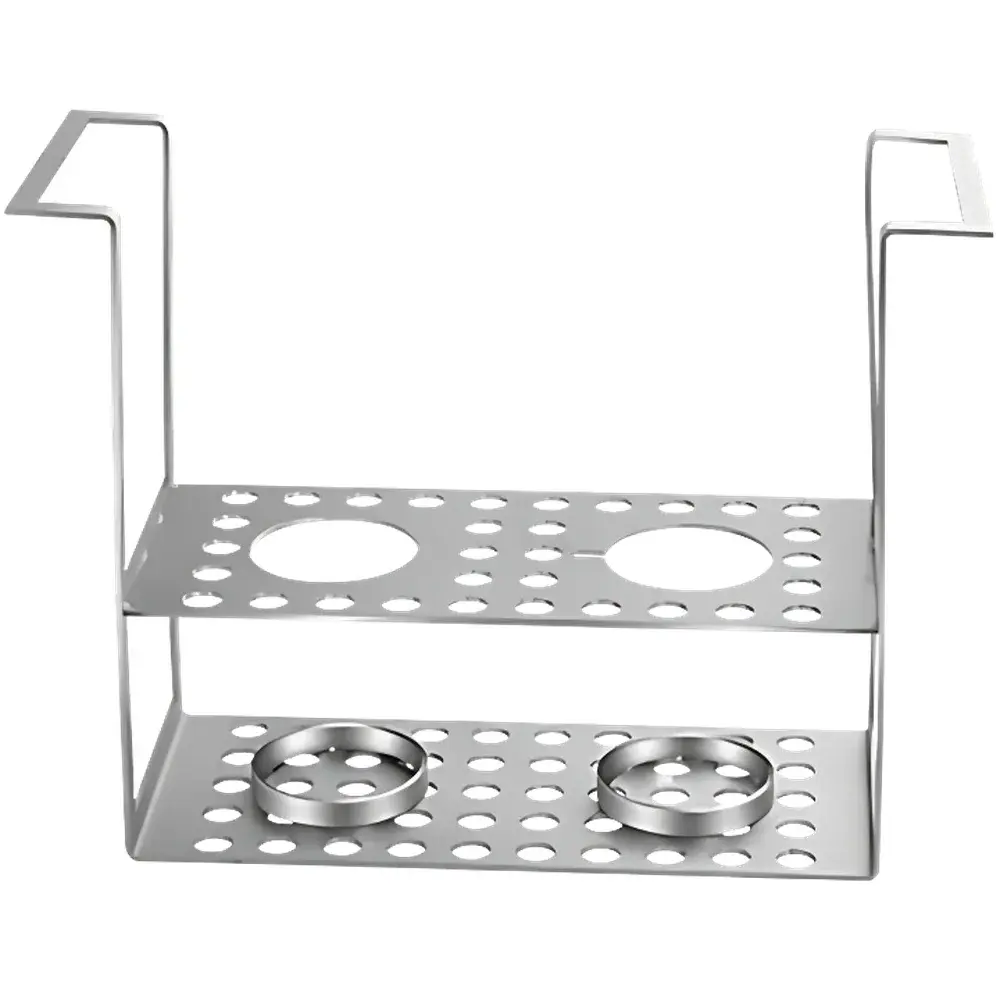
- Customizable sample containment: dual-standard mesh baskets (25 mm and 100 mm cube) for self-heating evaluation; precision-machined cylindrical test vessels (Φ50.5 ±0.5 mm × 150 mm) for thermal stability assessment.
- Full automation cycle: unattended 48-hour (or user-defined up to 480 h) operation with timestamped data logging, real-time curve plotting (ΔT vs. time), and auto-generated compliance reports including packaging group determination logic per UN TDG criteria.
Sample Compatibility & Compliance
The HWP01-20S accommodates solid and semi-solid samples—including powders, pastes, and granular formulations—within its ≥27 L test chamber (internal dimensions: 350 × 350 × 400 mm). All contact surfaces are constructed from corrosion-resistant stainless steel (AISI 316L) compatible with oxidizing agents and peroxide intermediates. The system conforms to mechanical and electrical safety requirements of GB 4793.1–2018 (IEC 61010-1) and electromagnetic compatibility per GB/T 18268.1–2010. Test outputs satisfy audit-ready documentation requirements for GLP environments, with timestamped raw data files (CSV/Excel-compatible), operator ID logging, and immutable event history (power loss, alarm activation, parameter changes). It supports full traceability for regulatory submissions to CNCA, EC DG MOVE, and US PHMSA under 49 CFR §173.21.
Software & Data Management
The embedded software provides ISO/IEC 17025-aligned data integrity features: electronic signatures for test initiation and report approval, configurable audit trails with tamper-evident hashing, and role-based access control (administrator/operator). All temperature and time-series data are recorded at 1 s resolution with 0.1 °C measurement resolution and absolute accuracy of ±1.5 °C (or ±0.004|t|) across –40 °C to 1000 °C. Raw datasets include thermocouple channel IDs, ambient RH/temperature metadata, and chamber pressure logs. Export formats include PDF (signed reports), CSV (raw time-series), and XML (structured UN TDG Annex A-compliant output). Optional USB export enables integration into LIMS platforms compliant with FDA 21 CFR Part 11 via third-party validation packages.
Applications
- Classification testing of new chemical entities for transport hazard class assignment per UN Recommendations.
- Stability verification of organic peroxides during storage and formulation development (e.g., benzoyl peroxide, MEKP).
- Quality control of metal powders (e.g., aluminum, magnesium) and pyrophoric catalysts prior to shipment.
- Regulatory dossier preparation for REACH registration and CLP notification.
- Root-cause analysis of spontaneous ignition incidents in warehouse or process environments.
- Validation of thermal stabilization additives in energetic materials manufacturing.
FAQ
What standards does the HWP01-20S directly support?
It is configured and validated for UN Test N.4 (75 °C thermal stability) and N.5 (self-heating substance), plus harmonized national methods: GB/T 21612, EN 13631-2:2002, GAT 536, and NY/T 1860.
Can the instrument perform tests at temperatures other than 75 °C?
Yes—the chamber supports programmable isothermal holds from ambient to 200 °C, though official classification testing must follow prescribed temperatures per referenced standards.
Is remote monitoring or network connectivity available?
The base unit operates standalone; optional Ethernet/Wi-Fi modules enable secure remote status viewing and alarm notifications via HTTPS API (requires additional validation for GMP environments).
How is temperature uniformity verified across the test chamber?
Three calibrated Class 1 platinum resistance thermometers (PRTs) are permanently installed at geometrically defined positions; uniformity is confirmed during annual performance qualification using a 9-point mapping protocol per ISO/IEC 17025 Clause 6.4.3.
Does the system meet requirements for auditable electronic records?
Yes—audit trail functionality complies with ALCOA+ principles, including attributable, legible, contemporaneous, original, accurate, complete, consistent, enduring, and available data handling per FDA Guidance for Industry (2022).







