ZKDZ SFJ-121 Glass Particle Water Resistance Testing Apparatus
| Brand | ZKDZ |
|---|---|
| Origin | Shandong, China |
| Manufacturer Type | Direct Manufacturer |
| Country of Origin | China |
| Model | SFJ-121 |
| Price Range | USD 170 – 1,400 |
| Standard Compliance | YBB00062004-2015, YBB00252003-2015 |
| Stainless Steel Sieve Mesh Apertures | 0.3 mm, 0.425 mm, 0.5 mm, 0.85 mm |
| Sieve Diameter | Φ200 mm |
| Vibratory Sieving Frequency (Optional Motorized Shaker) | 1400 cycles/min |
| Sieving Particle Size Range (with Motorized Shaker) | 0.025–3 mm |
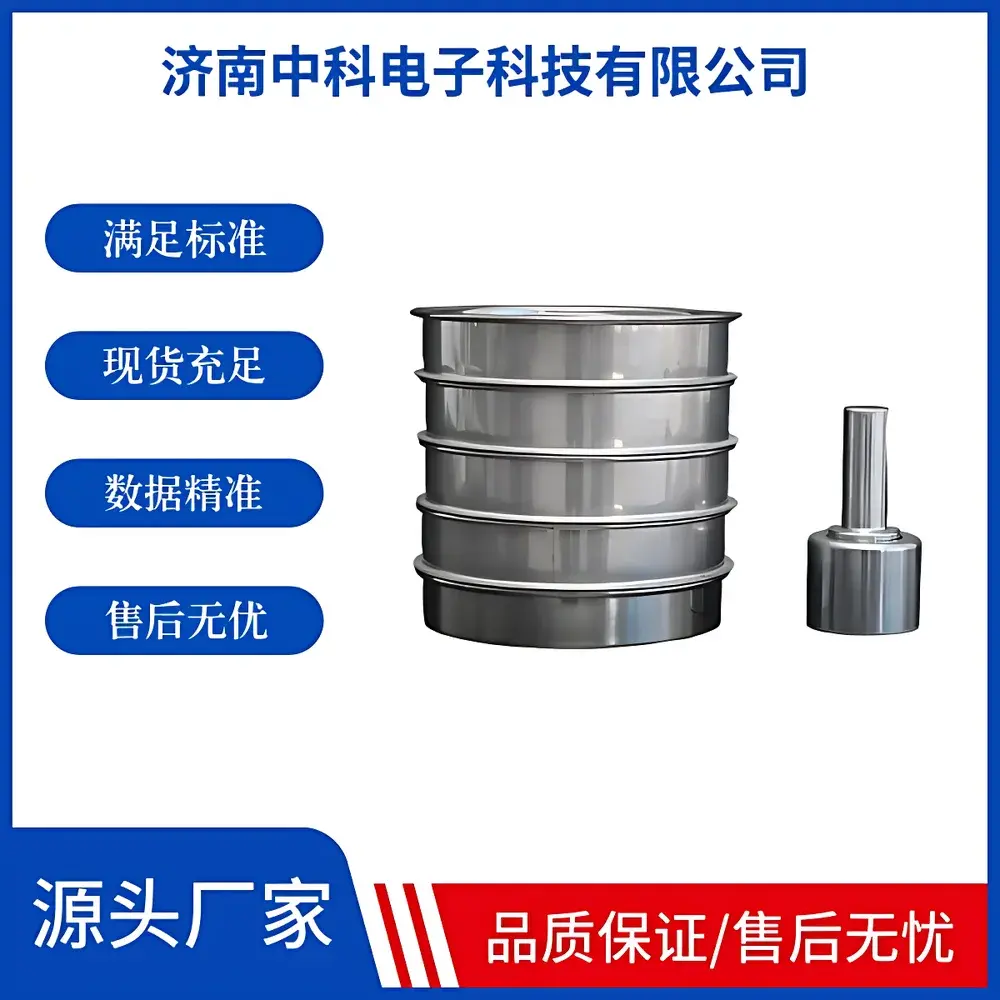
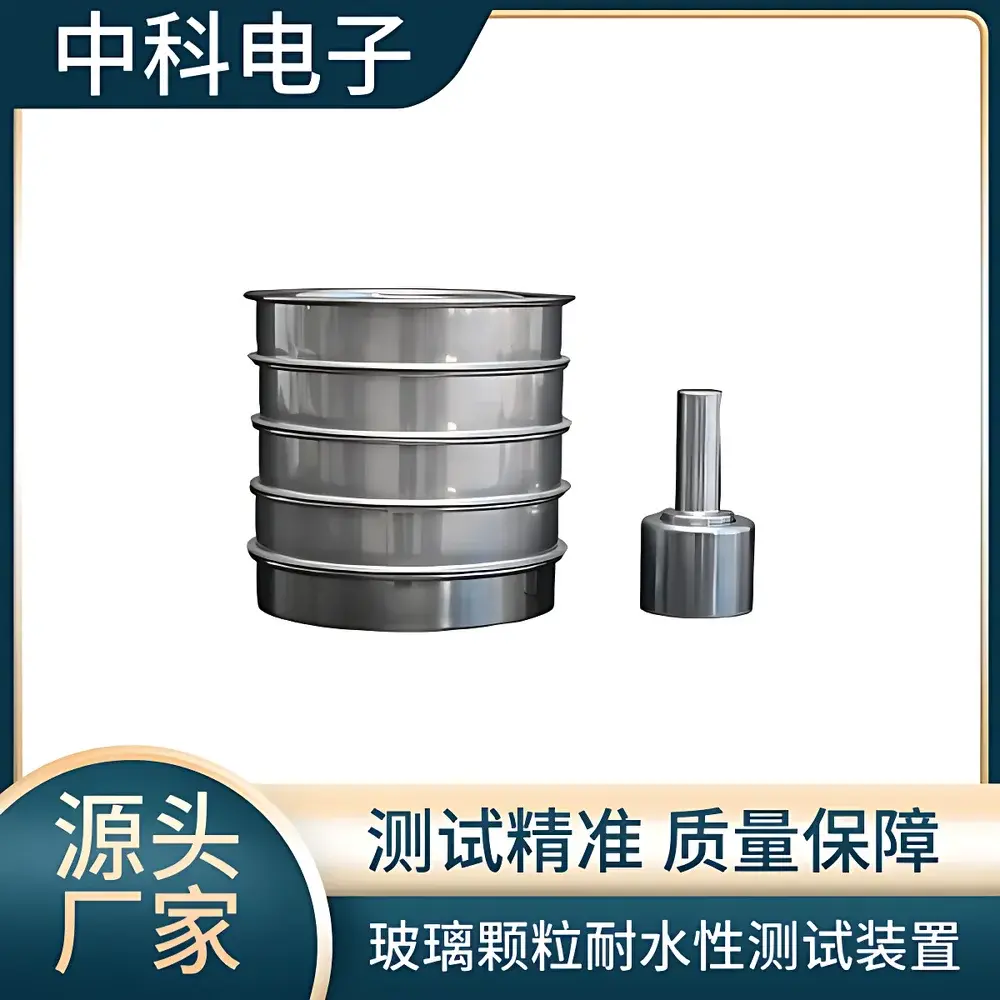
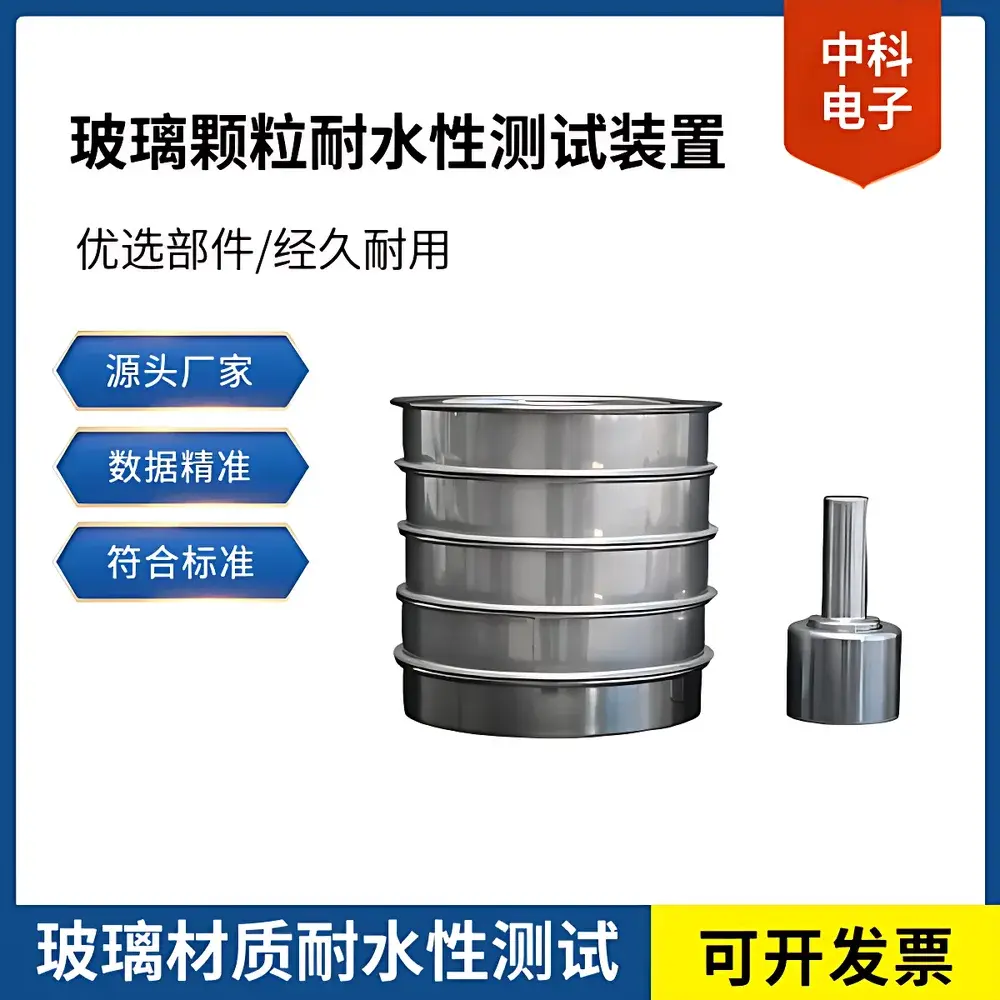
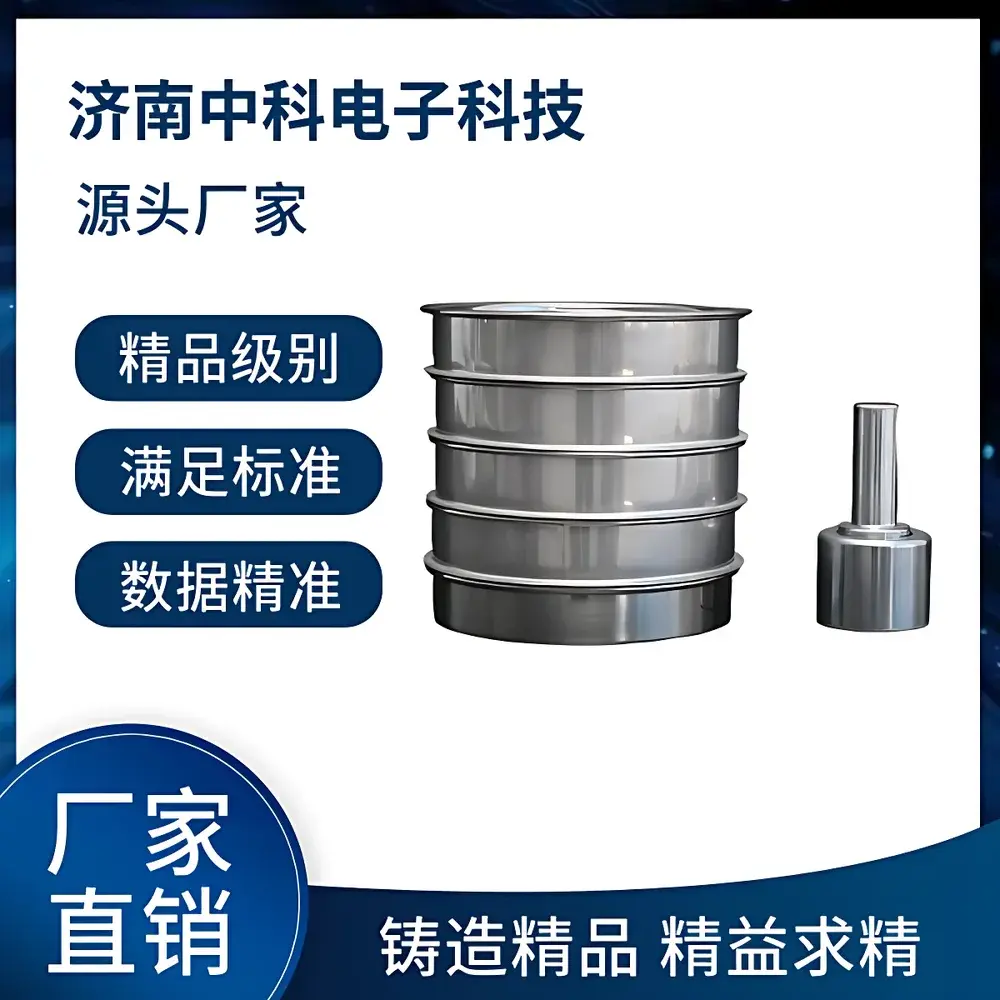
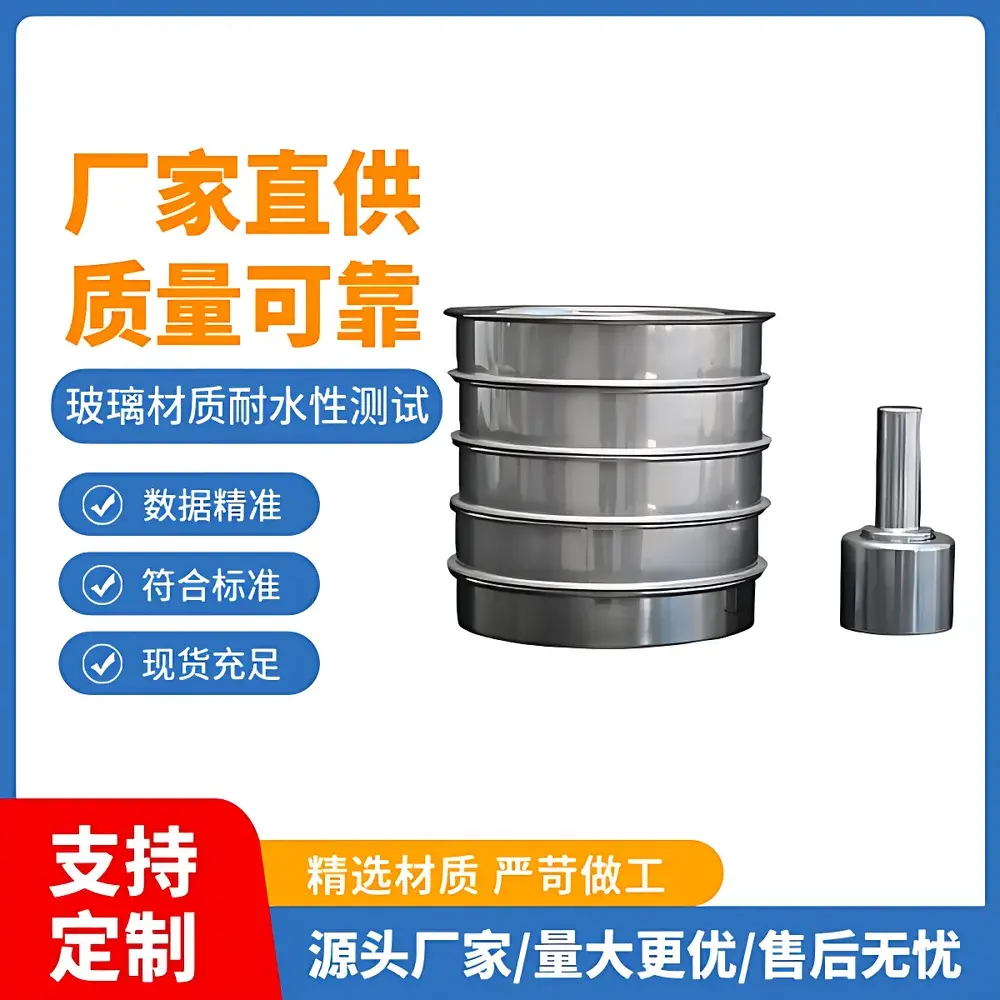
| Standard Components | Quenched Steel Mortar & Pestle, Magnetic Separator, Four-Stage Stainless Steel Sieve Set (including sieve base and cover) |
| Optional Accessories | Electric Vibratory Sieve Shaker, Pre-Crushing Container |
Overview
The ZKDZ SFJ-121 Glass Particle Water Resistance Testing Apparatus is a dedicated laboratory instrument engineered for standardized assessment of surface alkali leaching behavior in pharmaceutical-grade glass containers—particularly borosilicate and soda-lime glass used in parenteral packaging. It implements the particle generation and size-fractionation methodology prescribed in Chinese Pharmacopoeia companion standards YBB00062004-2015 (“Determination of Surface Alkalinity of Glass Containers for Pharmaceutical Use”) and YBB00252003-2015 (“Glass Particles Test”). The apparatus enables reproducible preparation of glass particles via controlled mechanical fragmentation, followed by precise sieve classification to isolate the 0.425–0.85 mm fraction—the critical size range specified for subsequent hydrolytic resistance evaluation (e.g., in titrimetric or pH-based assays per USP <660> or ISO 8536-1). Its design adheres to core principles of material homogeneity, operator safety, and inter-laboratory comparability.
Key Features
- Quenched steel mortar and pestle assembly—hardened to ≥58 HRC—to ensure consistent particle generation without metallic contamination or excessive wear during single-strike crushing.
- Four-tier stainless steel sieve set (ASTM E11-compliant mesh geometry) with precisely calibrated apertures: 0.3 mm (A), 0.425 mm (B), 0.5 mm (C), and 0.85 mm (D), enabling strict adherence to YBB-defined fractionation logic.
- Integrated sieve base and cover system for secure containment during manual or motorized sieving; all components are electropolished 316L stainless steel for corrosion resistance and cleanability.
- Optional electric vibratory sieve shaker (Φ200 mm capacity) with adjustable timing (0–999 s) and fixed 1400 cycles/min vibration frequency—validated to meet repeatability requirements of ≤±2% mass distribution variance across three replicate preparations.
- Magnetic separator included for removal of ferrous debris post-crushing—critical for preventing interference in downstream acid titration or ICP-MS analysis.
Sample Compatibility & Compliance
The SFJ-121 is validated for use with Type I (borosilicate), Type II (treated soda-lime), and Type III (soda-lime) pharmaceutical glass containers, including vials, ampoules, and infusion bottles. All mechanical operations comply with the procedural constraints defined in YBB00062004-2015: single-impact crushing only; no repeated hammering; mandatory transfer of crushed material directly onto the top sieve (0.85 mm); and strict 5-minute sieving duration. The apparatus supports GLP-aligned documentation workflows—each sieve set is serialized, and calibration records for mesh aperture verification (via optical microscopy or laser diffraction traceable to NIM, China) are maintained per internal QA protocol. While not FDA 21 CFR Part 11–certified out-of-the-box, the system is compatible with validated electronic lab notebook (ELN) integration for audit-trail capture when paired with compliant data acquisition modules.
Software & Data Management
The base SFJ-121 operates as a manual/semi-automated mechanical platform with no embedded firmware or proprietary software. However, its optional electric vibratory shaker includes a digital timer interface with non-volatile memory for storing up to 10 user-defined protocols (e.g., “YBB_121C”, “YBB_98C”). For full regulatory traceability, laboratories integrate the apparatus into broader quality management systems (QMS) using external timestamped logbooks or LIMS interfaces. Raw output—mass of retained particles on sieve B (0.425 mm) and sieve C (0.5 mm)—is recorded manually and entered into statistical process control (SPC) dashboards for trend analysis against historical baselines (e.g., Cpk ≥1.33 for particle yield consistency).
Applications
- Pre-release quality control of glass primary packaging prior to sterilization validation.
- Root cause investigation of high pH shift or particulate formation in lyophilized formulations.
- Comparative assessment of surface treatment efficacy (e.g., sulfur firing, SiO₂ coating) on alkali leach resistance.
- Supporting stability studies under accelerated aging conditions (e.g., 40°C/75% RH × 6 months) per ICH Q5C.
- Supplier qualification audits where particle size distribution (PSD) reproducibility is a contractual KPI.
FAQ
What standards does the SFJ-121 explicitly support?
It is designed and verified for full compliance with YBB00062004-2015 and YBB00252003-2015, the official Chinese pharmaceutical packaging standards governing glass particle preparation and water resistance testing.
Is the mortar-and-pestle set replaceable, and what is its service life?
Yes—quenched steel mortar and pestle sets are available as consumables (P/N: SFJ-MP-QS). Under proper use (single impact per sample, no lateral stress), typical service life exceeds 500 test cycles before hardness degradation requires replacement.
Can the SFJ-121 be used for non-pharmaceutical glass, such as display or architectural glass?
While mechanically capable, its calibration, validation documentation, and sieve specifications are optimized exclusively for pharmaceutical container testing per YBB criteria; alternative applications require independent method validation.
Does the optional electric shaker meet ISO 2591-1 vibration amplitude requirements?
Yes—the shaker delivers 1.5 mm peak-to-peak amplitude at 1400 cpm, satisfying ISO 2591-1 Annex A for standardized dry sieving of brittle inorganic materials.
How is traceability ensured for sieve mesh certification?
Each sieve set ships with a Certificate of Conformance listing individual mesh verification results (measured via scanning electron microscopy at accredited third-party labs), referenced to NIM Calibration Certificate No. NIM-GLASS-SIEVE-2024-XXXXX.
Related Products